Key takeaways:
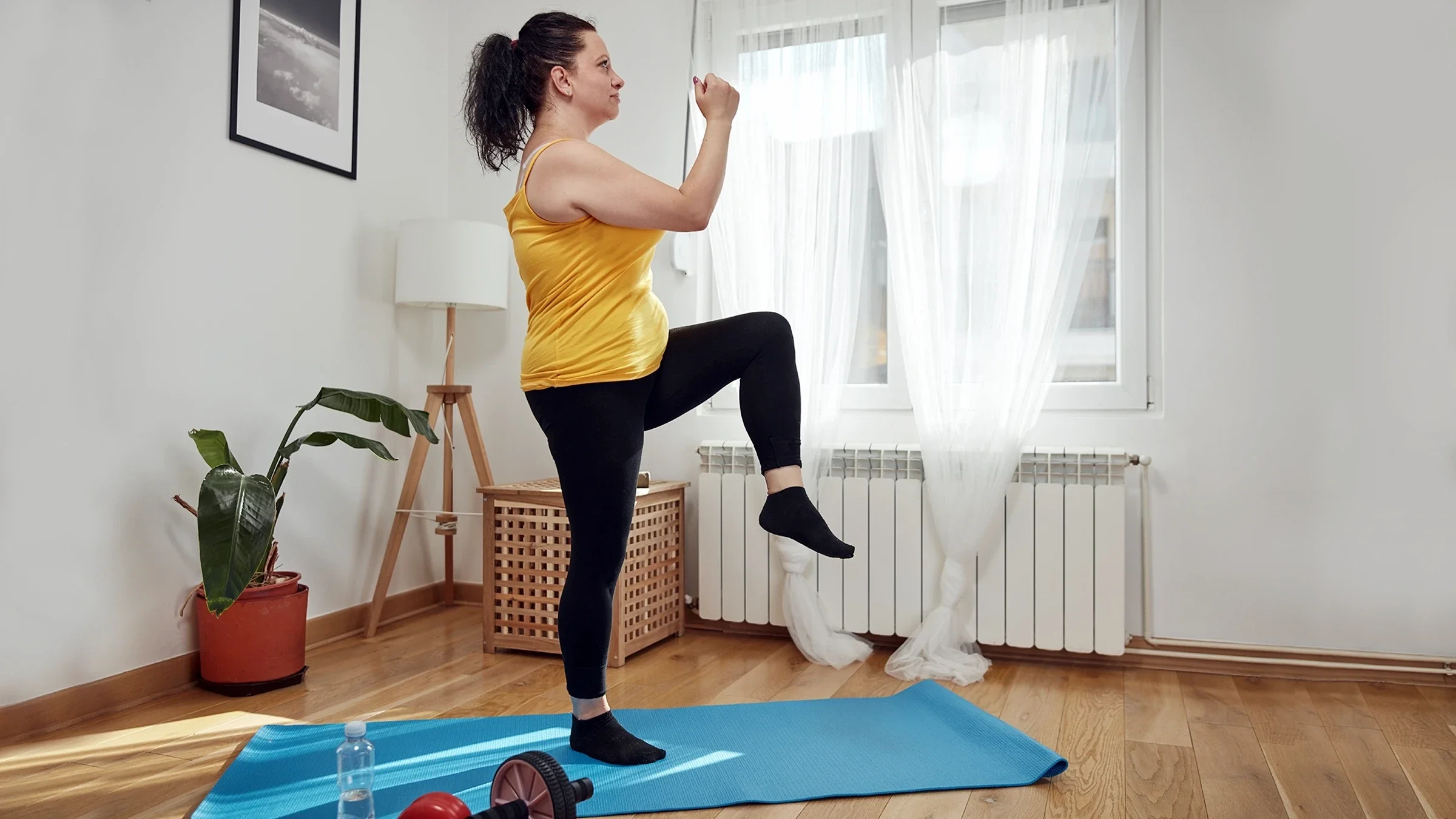
Combining glucagon-like peptide-1 (GLP-1) medications with exercise leads to better weight-loss results than taking medication alone. And beyond the health benefits, exercise can be an opportunity to explore new ways of movement as your body is changing.
Exercising while taking GLP-1s can help increase fat loss, maintain muscle mass, and improve your metabolism.
There are a few precautions to take when exercising while taking GLP-1s, like the risk of tendon injuries. But you can avoid these risks with a gradual and balanced approach.
Save on related medications
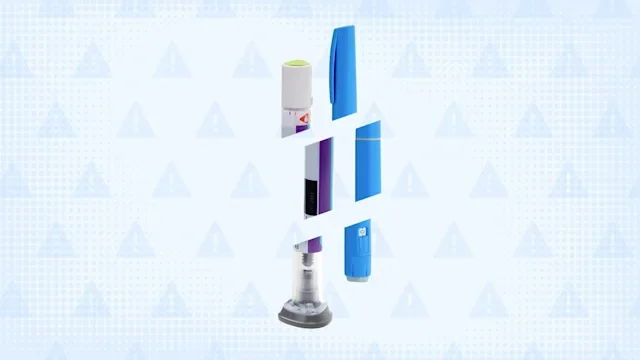
Glucagon-like peptide-1 (GLP-1) medications — like semaglutide (Ozempic and Wegovy) and tirzepatide (Mounjaro and Zepbound) — are changing people’s relationship with their bodies. Not only are they helping people lose weight and manage blood sugar, but they’re also changing the way people think about and experience exercise.
Exercise is an important part of a GLP-1 treatment plan. It can increase weight-loss results, improve blood sugar, and reduce some medication-related risks — like decreased muscle mass.
But how you exercise matters. This article explains the safest and most effective way to work out while taking GLP-1 medications.
Should you work out while taking GLP-1s?
Yes, it’s important to exercise while taking GLP-1 medications. Although these medications help you lose weight, they don’t replace all the benefits of physical activity. Exercise helps your body stay strong and healthy during weight loss and beyond.
Research shows that GLP-1 medications reduce appetite in multiple ways. For example, they help regulate hunger hormones and slow stomach emptying.
But they don’t burn fat directly. By eating fewer calories than your body is burning, you create a calorie deficit. In a calorie deficit, your body uses energy it has stored.
Your body stores energy in both fat and muscle. This is why GLP-1 medications can lead to a loss of both fat and lean muscle mass. But exercise helps balance this effect by preserving muscle mass while keeping your metabolism running.
Are GLP-1s more effective with or without exercise?
GLP-1 medications are more effective when combined with exercise. The medication helps reduce how much you eat, while exercise improves how your body uses energy and preserves muscle. Together, they can lead to more body fat loss than either exercise alone or medication alone.
The benefits of exercise while taking GLP-1s may also work both ways. One study found that physical activity increased GLP-1 activity in the body. And increased GLP-1 activity improves muscle performance and energy use during exercise.
What are the benefits of exercising on GLP-1s?
The benefits of exercising while taking GLP-1s include:
Preserving muscle mass: When you lose weight quickly, your body can lose both fat and muscle. Exercise, especially strength training, helps preserve muscle.
Increasing fat loss: Exercise helps your body burn more fat while maintaining muscle. This can improve your body composition (more muscle and less fat) and help you achieve your weight-loss goals quicker.
Boosting energy and endurance: GLP-1 activity in the body has been linked to better muscle energy use and endurance. This means exercise may feel easier over time.
Supporting metabolic health: Exercise can improve blood sugar levels, insulin sensitivity, and heart health. These benefits work together with GLP-1 medications.
Helping maintain weight loss: People who exercise regularly are more likely to keep weight off over the long term. Without exercise, weight regain is more common.
Maintaining bone density: A 2024 study found that GLP-1s led to lower bone density in the hip and spine. But exercise can help maintain this bone density while taking GLP-1s.
What are the risks of taking GLP-1s and exercising?
Exercising while you’re taking GLP-1s is safe. But there are some risks to be aware of so you can exercise safely.
Tendon injury
GLP-1 medications may increase the risk of tendon injuries and tears. The preliminary results of one study found this risk could be up to 50% higher. This risk may be even higher in people who are diagnosed with both obesity and diabetes.
This may be due to rapid weight loss, changes in nutrition status, and reduced muscle strength around joints. But it’s very important to note that this research is still in the very early stages. So, researchers still aren’t sure whether people need to be concerned about this.
Still, this is a good reminder to follow standard exercise precautions, especially when starting a new workout routine. Be sure to warm up properly and increase your workout intensity progressively over time.
Undernourishment
Regular exercise increases your body’s nutritional needs. But taking GLP-1 medications can make it harder to meet those needs — and put you at risk for undernourishment.
Because most people eat fewer calories while taking GLP-1 medications, they may experience:
Lower energy
Low blood sugar (and even hypoglycemia)
Dehydration
Electrolyte imbalances
It’s important to pay closer attention to your daily nutritional intake when combining exercise and GLP-1 medications. Stay hydrated, eat balanced meals, and make sure you eat enough protein to adequately nourish your body.
What are the best physical activities for someone taking a GLP-1?
There isn’t a specific list of the best physical activities when taking a GLP-1 medication. The best exercise is one that you can enjoy and that feels good for your body. This will help enhance all the benefits of physical activity and make it easier to do on a regular basis.
But if you’re looking for some guidance, experts recommend a combination of the following physical activities:
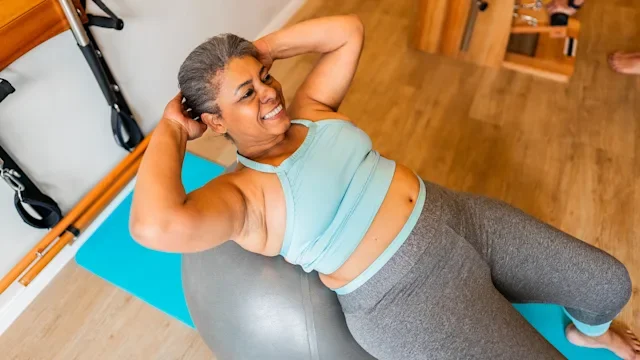
Strength training (like lifting weights, bodyweight exercises, or using resistance bands)
Aerobic exercise (like walking, biking, or swimming)
Daily movement (like walking more often or taking the stairs)
Low-impact mobility exercises (like yoga, Pilates, and stretching)
At the end of the day, choosing an activity you can stick with is more important than choosing a specific type of exercise. Any type of physical activity will be beneficial.
The bottom line
Combining exercise with your glucagon-like peptide-1 (GLP-1) treatment is good for you in multiple ways. It helps preserve muscle mass, improves fat loss, and supports your body in the long term. Don’t get too caught up in picking the best exercise. Instead, listen to your body and explore the types of physical movement that feel good to you. If you’re starting an exercise routine for the first time, start slow. Increase physical activity and strength training in small increments to help reduce your chances of injury.

Why trust our experts?



References
Codella, R., et al. (2025). GLP-1 agonists and exercise: The future of lifestyle prioritization. Frontiers in Clinical Diabetes and Healthcare.
Frellick, M. (2026). Tendon rupture risk linked with GLP-1 use in patients with obesity. Medscape.
Jensen, S. B. K., et al. (2024). Bone health after exercise alone, GLP-1 receptor agonist treatment, or combination treatment: A secondary analysis of a randomized clinical trial. JAMA Network.
Lundgren, J. R., et al. (2021). Healthy weight loss maintenance with exercise, liraglutide, or both combined. The New England Journal of Medicine.
Rossi, G., et al. (2026). Muscle loss and GLP-1R agonists use. Acta Diabetologica.
Wajahath, M., et al. (n.d.). GLP1 receptor agonist use is associated with increased risk of osteoporosis, gout, and osteomalacia in adults with Type 2 diabetes and obesity. Mira Smart Conferencing.
Wu, L., et al. (2022). GLP-1 regulates exercise endurance and skeletal muscle remodeling via GLP-1R/AMPK pathway. Biochimica et Biophysica Acta (BBA) - Molecular Cell Research.