Key takeaways:
A registered dietitian nutritionist (RDN) can help you get the most out of glucagon-like peptide-1 (GLP-1) medications.
They can help you manage side effects, preserve muscle, and meet your nutrition needs.
There's no special certification for a "GLP-1 dietitian." Look for an RDN that has experience working with people taking GLP-1 medications.
Not everyone taking a GLP-1 needs to work with a dietitian. But nutrition support may be especially helpful if you're having side effects, have other health conditions, or are at higher risk of muscle loss.
Save on related medications
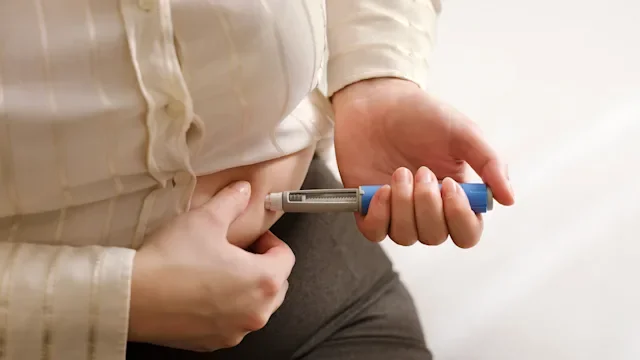
Glucagon-like peptide-1 (GLP-1) medications like Ozempic, Wegovy, and Zepbound can make it easier to lose weight by helping you feel full sooner and eat less. But the medication doesn't tell you what to eat, how to make sure you meet your nutritional needs, or how to manage side effects.
That's where a registered dietitian nutritionist (RDN) can help.
What does a GLP-1 dietitian do?
A "GLP-1 dietitian" is an RDN who has experience supporting people taking GLP-1 medications.
An RDN is a healthcare professional with specialized training in nutrition. They provide medical nutrition therapy (MNT), which is an evidence-based approach to preventing and managing health conditions through nutrition.
There isn’t a special certification for GLP-1 dietitians. But it does help if the person you see has experience working with people who are taking GLP-1 medications.
An RDN can help you:
Manage side effects like nausea, vomiting, constipation, or diarrhea
Ensure you're getting enough protein and other key nutrients while eating less
Preserve muscle during weight loss
Create meal plans that fit your health needs and lifestyle
Build eating habits that support long-term weight management
How can a dietitian help you get better results from a GLP-1?
GLP-1 medications are powerful medications for weight loss and Type 2 diabetes. But they’re only one part of your treatment. An RDN can help you start or maintain sustainable nutrition habits that support your overall health, both while you’re taking GLP-1s and after.
Here’s how working with a dietitian can help while you’re taking a GLP-1.
1. Manage side effects
Some of the most common side effects of GLP-1 medications are:
Nausea
Vomiting
Diarrhea
Constipation
These side effects are more common at the start of treatment and when you increase your dose. Most side effects lessen over time, but they can be a common reason why people stop treatment.
A dietitian can help you adjust eating habits to make side effects easier to manage. Depending on the side effects you’re experiencing, a dietitian may recommend some of these strategies:
Eat smaller, more frequent meals.
Eat slowly, and stop when you feel comfortably full.
Choose bland, easy-to-digest foods when you're feeling nauseated.
Limit high-fat, fried, spicy, or very sugary foods.
Drink plenty of fluids, and gradually increase fiber if you're constipated.
Limit alcohol and carbonated drinks.
2. Preserve muscle while you lose weight
Some of the weight you lose while taking GLP-1 medications comes from muscle, not just body fat. This matters, because muscle mass helps support strength, balance, and metabolism, as well as healthy aging.
An RDN can help you figure out how much protein you need in your diet to preserve muscle mass. They can also help you find realistic ways to get the nutrition you need, even if you don't feel that hungry.
They may also encourage exercising with weights and resistance bands. Combining strength training with enough protein is one of the best ways to help preserve muscle during weight loss.
3. Ensure you meet nutrition needs
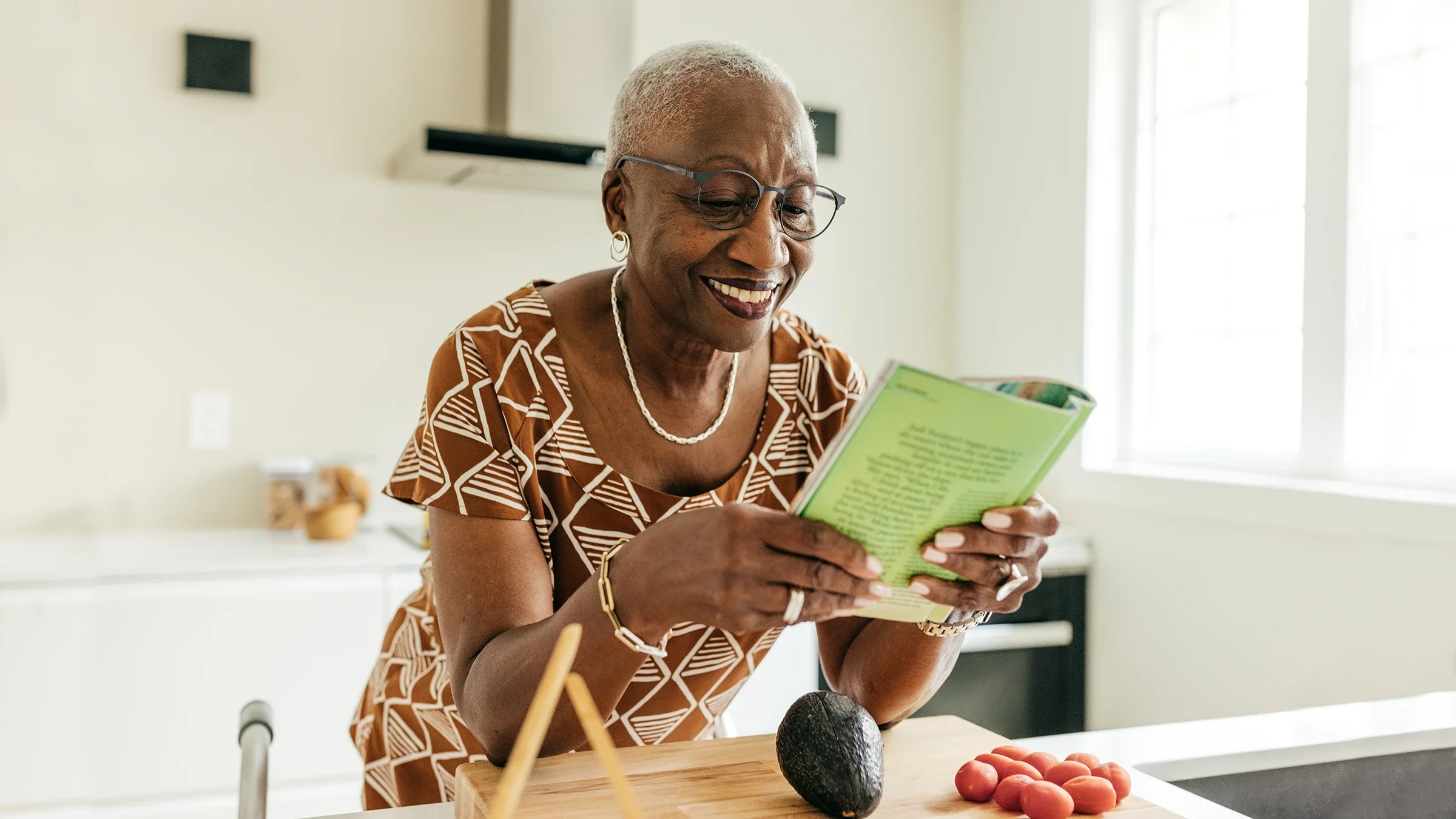
In addition to getting enough protein, don't forget about fiber too. Examples of fiber-rich foods are:
Fruits
Vegetables
Beans
Lentils
Whole grains
These foods provide important nutrients. And they can help support healthy digestion while you're taking a GLP-1.
Over time, as you eat less, you may start to lack certain vitamins and minerals like calcium, vitamin D, iron, or potassium. A dietitian can review your eating patterns, identify nutrition gaps, and recommend foods or supplements to help make sure you meet your nutritional needs.
4. Build habits that last
One of the biggest benefits of working with a dietitian is that they can help you build habits that support long-term weight management.
Treatment with GLP-1s can produce impressive results. However, the results seen in clinical trials weren't achieved with medications alone. All major GLP-1 weight-loss trials to date have included some combination of nutrition guidance, behavioral support, and physical activity.
A dietitian can support you with:
Planning balanced meals
Grocery shopping and cooking
Eating enough protein and fiber
Staying physically active
Setting realistic goals
Developing routines you can continue over time
This doesn’t mean everyone taking a GLP-1 needs to work with a dietitian. But it does highlight that nutritious eating and healthy lifestyle changes remain an important part of successful treatment.
Research also shows that many people regain as much as two thirds of the weight lost within a year of stopping GLP-1 medications. Lifestyle habits alone can’t fully prevent weight regain. But experts believe holistic weight-management approaches can help you be more successful in the long-term.
Do you need to see a dietitian while taking a GLP-1?
Not necessarily. Many people do well while taking a GLP-1 medication without working with a dietitian. But a dietitian can provide personalized nutrition support that may help you get the most from treatment.
In 2025, the World Health Organization (WHO) and a joint advisory from four leading obesity and nutrition organizations recommended pairing GLP-1 therapy with medical nutrition therapy from an RDN. That’s in addition to physical activity and behavioral support, as part of comprehensive obesity care.
Working with an RDN may be especially helpful if you:
Have troublesome side effects: Nausea, diarrhea, or constipation can make it hard to eat or continue taking your medication. If so, then identifying food triggers and making meal adjustments can make your symptoms easier to manage.
Are at high risk of muscle loss: Older adults, people who don’t eat enough protein, and those who don’t do resistance exercise need more support for their muscle health during weight-loss treatment.
Have complex nutritional needs: An RDN can tailor recommendations if you have another condition that affects what you eat or how your body uses nutrients. Examples of these conditions are Type 2 diabetes, kidney disease, a history of weight-loss surgery, or celiac disease.
People with a history of an eating disorder should talk with their healthcare team before starting a GLP-1 medication, since they may benefit from additional support.
How do you find a dietitian with experience in GLP-1 medications?
If you're interested in working with a dietitian, start by asking the healthcare professional who prescribes your GLP-1 medication. They may be able to refer you to an RDN with experience helping people manage weight or Type 2 diabetes.
You can also search for an RDN through:
The Find a Nutrition Expert directory from the Academy of Nutrition and Dietetics
Your health insurance company's directory of healthcare professionals
An obesity medicine, endocrinology, or weight-management clinic that includes nutrition services
Telehealth nutrition practices
When choosing a dietitian, it helps to know what services and expertise they do and don’t provide. Many dietitians offer a complementary 10 to 15 minute consultation to see if they’re the right fit for your needs. Here are some questions to make sure you ask:
Do you work with people taking GLP-1 medications?
How do you help people manage side effects like nausea or constipation?
How do you help people preserve muscle during weight loss?
Do you offer virtual visits?
Do you accept my insurance?
Frequently asked questions
No, registered dietitians can’t legally prescribe glucagon-like peptide-1 (GLP-1) medications.
But they often work closely with physicians and other healthcare professionals who do prescribe these medications. A healthcare professional or pharmacist can help you manage the medication. The RDN can help you manage the nutrition and lifestyle changes so that you get the most out of your treatment.
Whether or not dietitian visits are covered depends on your health insurance plan and the reason for seeing a dietitian.
Some plans cover medical nutrition therapy for certain conditions, like diabetes or chronic kidney disease. Other plans may cover nutrition counseling for weight management. And some may not cover these services at all.
Before scheduling an appointment, check with your insurance company to see whether visits with a registered dietitian are covered and whether you need a referral.
A registered dietitian nutritionist (RDN) is a healthcare professional who meets national education, training, and credentialing requirements. In some U.S. states, an RDN is also referred to as an RD (registered dietitian), CDN (certified dietitian nutritionist), or LDN (licensed dietitian nutritionist).
For nutritional guidance while taking a GLP-1 medication, you’ll want an RDN.
The term "nutritionist" isn't regulated in the same way in many states. Depending on where you live, someone can call themselves a nutritionist without completing the same level of training required to become an RDN.
There's no single "GLP-1 diet." Most experts recommend focusing on the following nutrient-dense foods that help you meet your nutrition needs while you're eating less:
Lean sources of protein, like chicken or turkey breast, low-fat Greek yogurt, canned tuna, or tofu
Fruits and vegetables
Whole grains
Beans, lentils, and other high-fiber foods
Healthy fats, such as nuts, seeds, and olive oil
Plenty of water
Some people also find it helpful to limit any foods that worsen side effects, such as large, high-fat meals, sugary foods, or alcohol.
No, registered dietitians can’t legally prescribe glucagon-like peptide-1 (GLP-1) medications.
But they often work closely with physicians and other healthcare professionals who do prescribe these medications. A healthcare professional or pharmacist can help you manage the medication. The RDN can help you manage the nutrition and lifestyle changes so that you get the most out of your treatment.
Whether or not dietitian visits are covered depends on your health insurance plan and the reason for seeing a dietitian.
Some plans cover medical nutrition therapy for certain conditions, like diabetes or chronic kidney disease. Other plans may cover nutrition counseling for weight management. And some may not cover these services at all.
Before scheduling an appointment, check with your insurance company to see whether visits with a registered dietitian are covered and whether you need a referral.
A registered dietitian nutritionist (RDN) is a healthcare professional who meets national education, training, and credentialing requirements. In some U.S. states, an RDN is also referred to as an RD (registered dietitian), CDN (certified dietitian nutritionist), or LDN (licensed dietitian nutritionist).
For nutritional guidance while taking a GLP-1 medication, you’ll want an RDN.
The term "nutritionist" isn't regulated in the same way in many states. Depending on where you live, someone can call themselves a nutritionist without completing the same level of training required to become an RDN.
There's no single "GLP-1 diet." Most experts recommend focusing on the following nutrient-dense foods that help you meet your nutrition needs while you're eating less:
Lean sources of protein, like chicken or turkey breast, low-fat Greek yogurt, canned tuna, or tofu
Fruits and vegetables
Whole grains
Beans, lentils, and other high-fiber foods
Healthy fats, such as nuts, seeds, and olive oil
Plenty of water
Some people also find it helpful to limit any foods that worsen side effects, such as large, high-fat meals, sugary foods, or alcohol.
The bottom line
Glucagon-like peptide-1 (GLP-1) medications can help you lose weight, but they're only one part of treatment. A registered dietitian nutritionist (RDN) can help you manage side effects and meet your nutrition needs. They can also help with preserving muscle and building healthy habits that support long-term success.
Not everyone taking a GLP-1 needs to see a dietitian. But experts recommend combining medications with medical nutrition therapy and an exercise program whenever possible. Working with an RDN may be especially helpful if you're struggling with side effects, have other health conditions, or want extra support.

Why trust our experts?



References
Academy of Nutrition and Dietetics. (n.d.). Find a nutrition expert.
Academy of Nutrition and Dietetics. (n.d.). Medical nutrition therapy.
Academy of Nutrition and Dietetics. (n.d.). Registered dietitian nutritionist fact sheet.
Celletti, F., et al. (2026). World Health Organization guideline on the use and indications of glucagon-like peptide-1 therapies for the treatment of obesity in adults. JAMA.
Mozaffarian, D., et al. (2025). Nutritional priorities to support GLP-1 therapy for obesity: A joint Advisory from the American College of Lifestyle Medicine, the American Society for Nutrition, the Obesity Medicine Association, and The Obesity Society. American Journal of Clinical Nutrition.
National Center for Complementary and Integrative Health. (2023). Vitamins and minerals.