Key takeaways:
Ozempic and other GLP-1 receptor agonists often lead to weight loss. Most of the lost pounds are from fat, but some are from lost muscle.
Losing too much muscle can lead to weakness, falls, and other health risks.
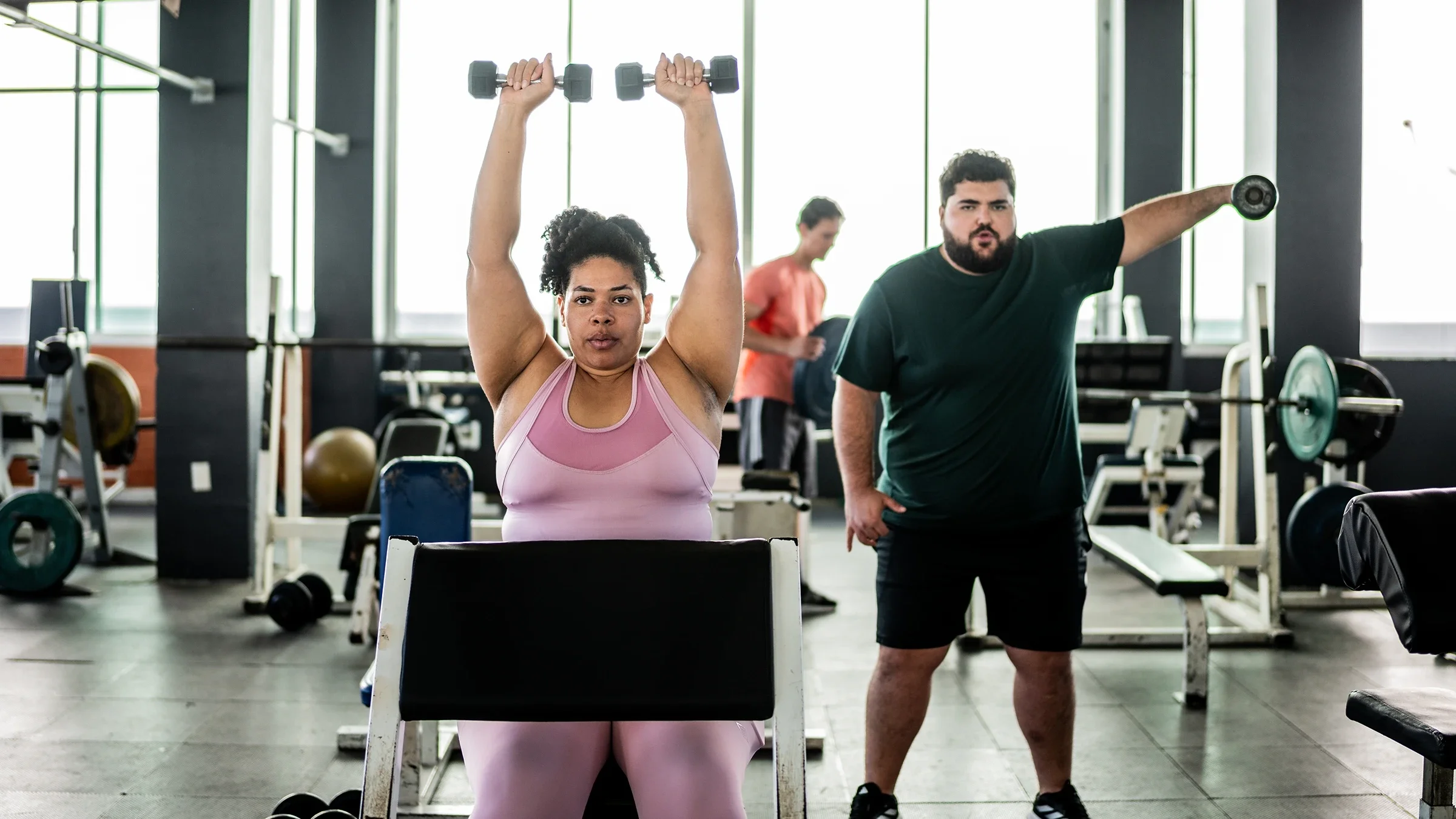
Eating enough protein and adding strength training to your routine helps protect muscle while you’re losing weight.
Save on related medications
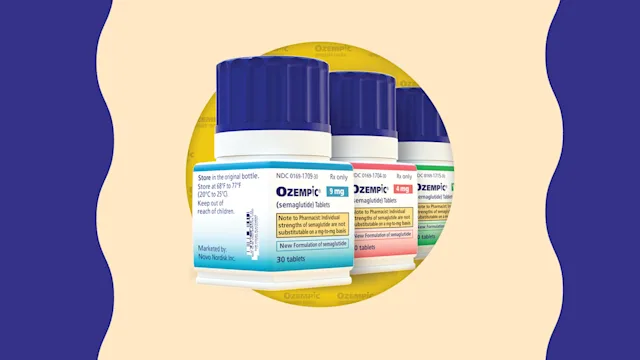
Ozempic (semaglutide) can help people with diabetes improve blood sugar levels. But, like other glucagon-like peptide-1 receptor agonists (GLP-1s), Ozempic can also cause weight loss — and some of those lost pounds may include muscle.
Here, we’ll look at some ways to maintain strong muscles while taking GLP-1s, like Ozempic.
Does Ozempic cause muscle loss?
Taken at its highest dose (2.4 mg once a week), Ozempic is one of the more powerful drugs for weight loss. It also comes with a higher risk of muscle loss.
Search and compare options
Many people who carry extra weight also have more muscle mass. But how much muscle you have isn’t the only factor that affects strength and mobility. The quality of the muscle matters, too. Conditions, like diabetes or carrying extra weight, can lead to inflammation and can cause muscles to not work as well as they could.
If you take Ozempic for diabetes, improved blood sugar levels could lead to less inflammation. That could actually help your muscles. But, if you lose a lot of weight or lose it too fast, you might lose an unhealthy amount of muscle.
When taking Ozempic, the chances that you’ll experience muscle loss is about the same risk as it would be if you had weight-loss surgery or consumed a very low-calorie diet.
How much muscle mass do you typically lose with Ozempic?
Most studies show that drugs like Ozempic help people lose 5% to 18% of their body weight.
Up to 40% of the weight loss that occurs while taking GLP-1s is lean mass. Lean mass includes muscles, bones, and organs. For women, that means that about 10% to 15% of total weight loss is muscle. For men, it’s around 20% to 25%. But people who lift weights or do other kinds of strength training lose less muscle. (We’ll cover the ways you can prevent muscle loss in more detail below.)
Your age may affect how much muscle mass you lose with Ozempic. People tend to lose muscle as they get older. For some older adults, taking a GLP-1 might decrease muscle mass too much for it to be safe or healthy. But, for others, the benefits outweigh the risks.
Why muscle loss can be dangerous
Having enough healthy muscle is vital for an active life. Even if you’re not an athlete, everyday activities require muscles that function well.
Your muscles do more than getting you where you want to go. Other risks associated with losing muscle include:
Thinning bones and osteoporosis
A greater chance of falls and fractures
Slower metabolism
Regaining weight, usually in the form of fat
More risk of chronic diseases, like diabetes and heart disease
Problems with memory, focus, and thinking
But there’s good news: There are things you can do to keep your muscles healthy while taking medications like Ozempic.
How to avoid losing muscle when you lose weight
Maintaining a lifestyle that keeps all parts of your body healthy, including your muscles, is the safest way to approach weight loss.
Here are some tips for keeping your muscles in good shape when you’re losing weight:
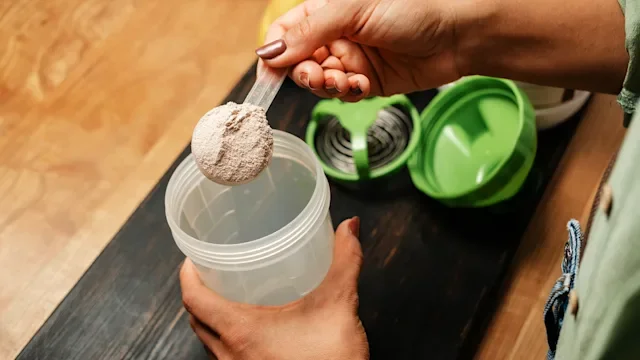
Eat plenty of lean protein. Aim for 1 g to 1.5 g of protein per kg of body weight each day. Try high-protein foods, like poultry, Greek yogurt, fish, lean beef, and soy products. For some people, taking a protein supplement can help ensure you’re getting enough protein in your diet.
Don’t forget about vitamins and minerals. A balanced diet is great for overall health. To support your muscles and bones, getting enough vitamin D, calcium, and omega-3 is especially important.
Add strength training to your routine. Weight-bearing exercise, like walking, helps to keep muscles and bones healthy. And activities that get your heart rate up will keep your cardiac muscle in good shape. Adding in strength training two to three times a week can really improve muscle quality. That might include using weights or resistance bands, or doing Pilates or yoga.
Take care of your whole self. All the parts of your body work together. So, taking care of your muscles also means getting good sleep, managing stress, avoiding tobacco, and limiting alcohol.
How do you know if you are losing muscle instead of fat?
Most people who lose weight while taking GLP-1 medications lose fat. But even if you’re focusing on getting enough protein and exercising, you could still have some muscle loss. A little bit is probably OK, especially if your overall health is improving.
It’s worth keeping an eye on your muscle mass and strength. Outside of going to a specialty lab or provider, you’re unlikely to know the exact amount of fat and muscle you’ve lost. But there are ways you can check on your muscles at home:
Follow your measurements, as well as your weight. If your midsection is getting smaller, for example, you’re likely shedding those pounds as fat.
Use a home scale that calculates muscle mass and weight. That type of smart scale will be more accurate if you use the same scale over time. It can give you an idea of whether your muscle mass is increasing, staying about the same, or decreasing.
Try some strength tests. You can do strength tests at home, like checking your grip strength with a handheld meter, or counting how many times you can stand up from a chair in 30 seconds. See if these things change over time.
As you lose weight, keep in touch with your healthcare team about your changing goals and concerns. They can guide you to resources to help you stay on top of your muscle health.
Frequently asked questions
Yes, you can take protein supplements while you’re on Ozempic. Protein supplements are helpful if you’re finding it hard to get enough protein through diet alone. But keep in mind that supplements only work to support your muscles if you combine taking them with a regular resistance training routine.
Not getting enough protein while you’re losing weight increases the risk for loss of muscle mass and strength.
Muscle pain isn’t a typical side effect of Ozempic. The most common side effects include gastrointestinal (GI) symptoms, like nausea, vomiting, or diarrhea.
Yes, you can take protein supplements while you’re on Ozempic. Protein supplements are helpful if you’re finding it hard to get enough protein through diet alone. But keep in mind that supplements only work to support your muscles if you combine taking them with a regular resistance training routine.
Not getting enough protein while you’re losing weight increases the risk for loss of muscle mass and strength.
Muscle pain isn’t a typical side effect of Ozempic. The most common side effects include gastrointestinal (GI) symptoms, like nausea, vomiting, or diarrhea.
The bottom line
Ozempic is a powerful medication for treating diabetes and excess weight. Some amount of weight loss that happens while taking glucagon-like peptide-1 receptor agonists (GLP-1s) could be from lost muscle, but most of it’ll be fat. Getting enough protein and adding strength training to your routine can help to lower the risk of muscle loss. The safest way to lose weight is to take a slow and steady approach, with a focus on whole-body health.

Why trust our experts?



References
Anyiam, O., et al. (2025). How do glucagon‐like peptide‐1 receptor agonists affect measures of muscle mass in individuals with, and without, Type 2 diabetes: A systematic review and meta‐analysis. Obesity Reviews.
Chen, A. S., et al. (2025). Treating sarcopenic obesity in the era of incretin therapies: Perspectives and challenges. Diabetes.
Karakasis, P., et al. (2025). Effect of glucagon-like peptide-1 receptor agonists and co-agonists on body composition: Systematic review and network meta-analysis. Metabolism.
Mozaffarian, D., et al. (2025). Nutritional priorities to support GLP-1 therapy for obesity: A joint advisory from the American College of Lifestyle Medicine, the American Society for Nutrition, the Obesity Medicine Association, and The Obesity Society. The American Journal of Clinical Nutrition.
Nauck, M.A. (2026). GLP-1 receptor agonists and next-generation incretin-based medications: Metabolic, cardiovascular, and renal benefits. The Lancet.
Neeland, I. J., et al. (2024). Changes in lean body mass with glucagon-like peptide-1-based therapies and mitigation strategies. Diabetes, Obesity and Metabolism.
Siedler, M.R., et al. (2022). Assessing the reliability and cross-sectional and longitudinal validity of fifteen bioelectrical impedance analysis devices. British Journal of Nutrition.
Warden, S. J., et al. (2022). Sex- and age-specific centile curves and downloadable calculator for clinical muscle strength tests to identify probable sarcopenia. Physical Therapy.