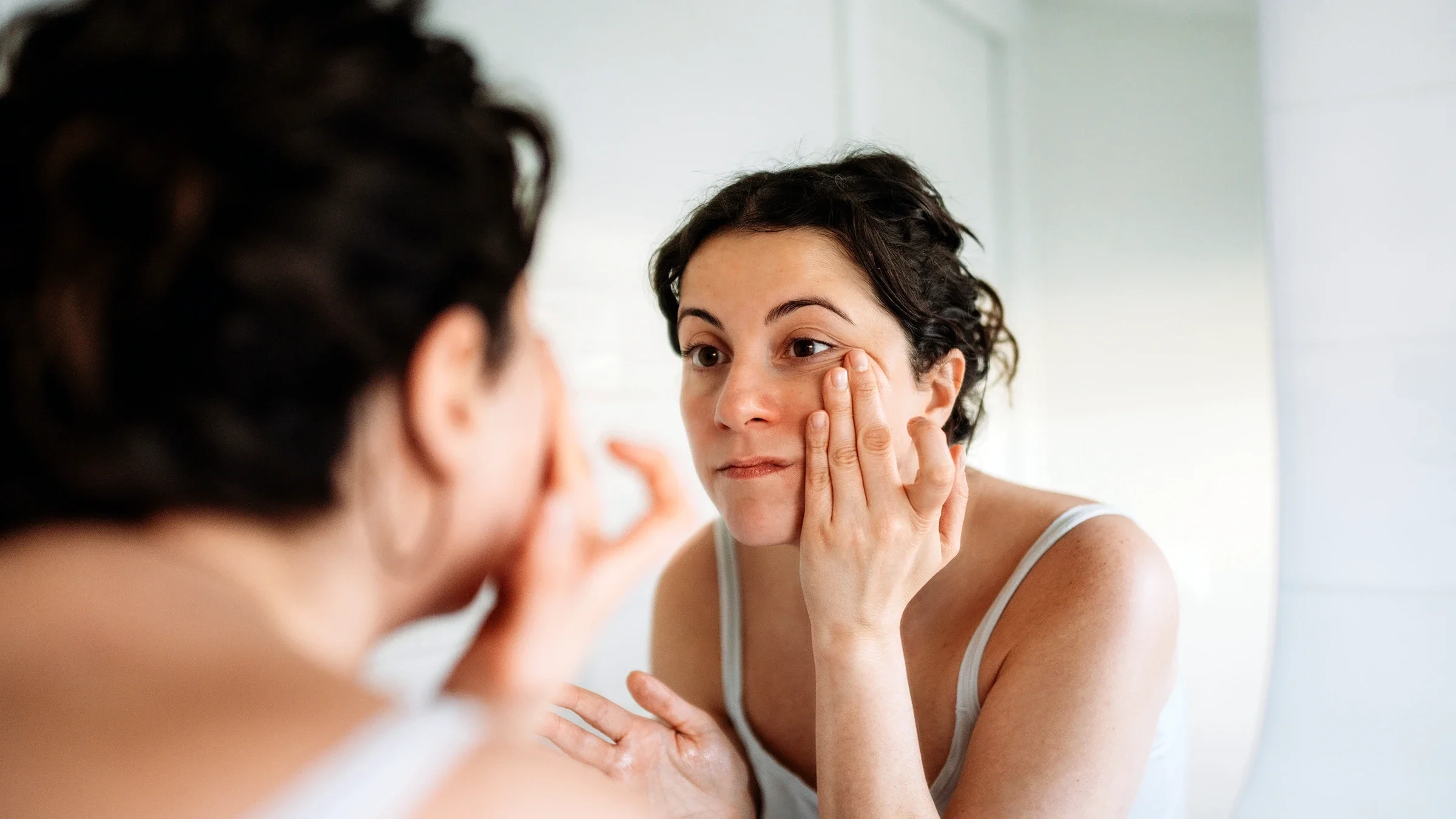
Key takeaways:
“Ozempic face” refers to facial changes that can develop from rapid weight loss. It’s not a medication side effect.
Losing facial fat can cause hollow cheeks, sunken eyes, more visible wrinkles, and looser-looking skin.
You can’t fully prevent or reverse these changes. But gradual weight loss and skin care may help lessen their appearance.
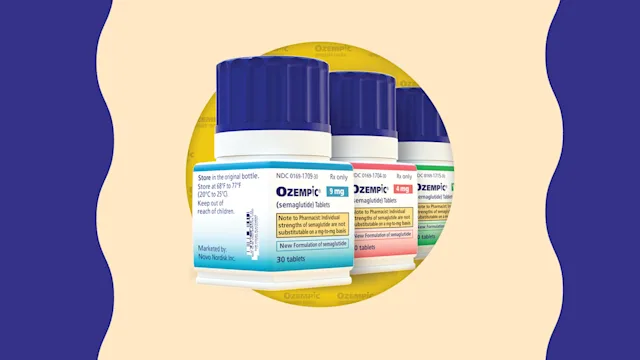
Ozempic (semaglutide) is a prescription medication used to treat Type 2 diabetes and other medical conditions. It can lead to meaningful health improvements. But as more people take GLP-1 medications, some are noticing unexpected changes in their appearance. A term that’s gained attention online is “Ozempic face,” used to describe facial changes that can happen during weight loss.
Here’s what “Ozempic face” means, why it happens, what it can look like, and what you can do about it.
What is ‘Ozempic face’?
“Ozempic face” isn’t a medical term. It’s a term used by people to describe changes in their facial appearance that develop after they start taking Ozempic.
Search and compare options
While the phrase may sound alarming, the changes aren’t technically a medication side effect. Shifts in facial fat can happen when someone loses weight quickly, whether it’s from GLP-1 medications or procedures, like bariatric surgery.
Your face contains fat pads that give it shape and fullness. These fat pads can shrink when your overall body fat decreases. Similar facial changes have long been seen with significant or rapid weight loss. The term “Ozempic face” simply reflects how common GLP-1 medications have become.
What does ‘Ozempic face’ look like?
There’s no single definition of what “Ozempic face” looks like. It can mean different things to different people. Most changes are related to loss of facial fat and shifts in skin elasticity.
People who use this term may notice:
Smaller-looking lips, cheeks, or chin: Areas that once looked full may appear thinner or less rounded.
More prominent cheekbones or jawline: Fat loss in the cheeks, temples, or along the jaw can make bone structure stand out more.
Hollow or sunken eyes: Volume loss around and under the eyes can create a sunken or shadowed look.
Deeper smile lines and marionette lines: Volume loss can make your natural skin folds look more pronounced.
More noticeable wrinkles: Fine lines and wrinkles may stand out more.
Drier- or duller-looking skin: Some people experience increased dryness during significant weight loss.
Skin condition flares: Chronic skin conditions, like eczema and psoriasis, may flare during major or rapid weight loss.
Why does ‘Ozempic’ face develop?
“Ozempic face” can develop for two major reasons: weight loss and effects beyond weight loss.
Weight loss
GLP-1 medications, including Ozempic, can cause weight loss. Rapid weight loss can cause changes in facial features. Most facial changes linked to Ozempic happen because of weight loss.
When you lose weight, you also lose fat in your face. This includes the fat pads that give your cheeks and midface their shape and keep your face looking full. In one study, people taking Ozempic lost 7% of their midface volume. This may not seem like a big change, but it’s enough to make your features look more hollow. It’s also enough loss to make your skin creases and wrinkles stand out.
Effects beyond weight loss
Weight-related fat loss appears to be the main driver of facial changes, but scientists are studying whether these cellular effects play a meaningful role.
Many cells in your body have GLP-1 receptors, including cells that keep your skin healthy. Studies suggest that Ozempic may directly influence how these cells function:
Cell survival: GLP-1 medications may lower how much glucose skin fat stem cells take in. Without glucose, these cells can’t make enough energy to stay healthy and can die off more often than normal. Over time, this could reduce the support structure under the skin.
Collagen and elastin production: GLP-1 medications may also directly affect fibroblasts. These are the cells that produce collagen and elastin, two key proteins that keep skin firm, elastic, and smooth. Without enough collagen and elastin, skin can become thinner, less firm, and more prone to wrinkles and sagging.
Protection against free radical damage: Some studies suggest GLP-1s may lower cells’ ability to protect against free radical damage. This can damage fibroblasts and lead to lower collagen production.
Estrogen skin support: GLP-1 activity may reduce estrogen production by fat cells found in the skin. Estrogen helps stimulate collagen production, so lower levels could affect skin thickness and firmness.
How do you treat ‘Ozempic face’?
Changes in facial volume from weight loss are often long-lasting. Some fullness may return if you regain weight, but your face may not look exactly the same as it did before. That’s because weight loss can permanently change how skin stretches and settles over time.
It’s also important to remember that regaining weight may not be good for your overall health. For most people, the benefits of treatment outweigh facial changes. Don’t stop taking Ozempic without talking with your healthcare team. Suddenly stopping Ozempic may have negative health effects. Instead, talk with your healthcare team about your concerns. They can recommend ways to help reduce the appearance of facial changes, including:
Injectable dermal fillers, like hyaluronic acid (to restore facial volume and elasticity)
Collagen stimulators
Skin-tightening techniques (radiofrequency microneedling or CO2 laser therapy)
Surgical procedures like face and neck lifts and facial fat grafting
You can also take steps to support your skin by:
Eating enough protein: Protein provides the building blocks your body needs to build collagen.
Wearing sunscreen every day: Sunscreen prevents collagen breakdown and skin discoloration, and lowers your risk of developing skin cancer.
Moisturizing daily: A gentle, fragrance-free moisturizer helps strengthen your skin barrier, lock in hydration, and improve the appearance of dryness and fine lines.
Using vitamin C products: Vitamin C is an antioxidant that can help protect against free radical damage and support collagen production.
Applying retinol at night: Retinol can help boost collagen production and improve the appearance of fine lines over time.
Using gentle cleansers: Mild soaps help protect your skin barrier and prevent dryness or irritation.
Avoiding smoking: Smoking speeds up collagen loss and contributes to wrinkles and skin thinning.
Can you prevent ‘Ozempic face’?
There’s no way to fully prevent weight-loss-related facial changes. Work with your healthcare team to develop a plan for steady, gradual weight loss. This may help give your skin more time to adjust.
You can also lower the risk of “Ozempic face” by supporting your overall skin health. Staying well hydrated, eating enough protein, and maintaining a balanced nutrition can help your body preserve muscle and skin structure. Daily sunscreen use and a healthy skin care routine may also protect collagen. These steps can help your skin look and function at its best.
Frequently asked questions
Just like “Ozempic face,” “Ozempic butt” is a term used to describe a saggy or deflated appearance of the buttocks. This is caused by a rapid loss of fat tissue, collagen, and elastin.
“Ozempic face” isn’t listed as a side effect by the manufacturer. But changes in skin health can increase the risk of eczema or psoriasis flares. It may also put you at higher risk for sun damage from UV rays. Take extra care of your skin while taking Ozempic by wearing sunscreen, moisturizing, and using a gentle cleanser.
“Ozempic teeth” isn’t a medical term. It describes oral health changes some people experience while taking GLP-1s. People taking GLP-1s may experience nausea and vomiting, diet changes, and less saliva production. These things can affect your dental health. Talk with your dental health team if you’re experiencing any dental pain or other dental symptoms while taking a GLP-1.
Yes, other GLP-1s cause a version of “Ozempic face” because they act on the body in a similar way. These medications cause rapid weight loss, which is what leads to facial changes.
Just like “Ozempic face,” “Ozempic butt” is a term used to describe a saggy or deflated appearance of the buttocks. This is caused by a rapid loss of fat tissue, collagen, and elastin.
“Ozempic face” isn’t listed as a side effect by the manufacturer. But changes in skin health can increase the risk of eczema or psoriasis flares. It may also put you at higher risk for sun damage from UV rays. Take extra care of your skin while taking Ozempic by wearing sunscreen, moisturizing, and using a gentle cleanser.
“Ozempic teeth” isn’t a medical term. It describes oral health changes some people experience while taking GLP-1s. People taking GLP-1s may experience nausea and vomiting, diet changes, and less saliva production. These things can affect your dental health. Talk with your dental health team if you’re experiencing any dental pain or other dental symptoms while taking a GLP-1.
Yes, other GLP-1s cause a version of “Ozempic face” because they act on the body in a similar way. These medications cause rapid weight loss, which is what leads to facial changes.
The bottom line
“Ozempic face” is a nonmedical term for facial volume loss that can happen with significant weight loss. The changes are usually related to fat loss in the face. They aren’t a side effect of Ozempic itself. Shifts in your appearance can feel distressing, but many people find that Ozempic’s health benefits outweigh these concerns. Don’t stop taking Ozempic without talking with your healthcare team. If you’re concerned about facial changes, your healthcare team can help you adjust your weight-loss plan and discuss skin care or cosmetic treatment options.

Why trust our experts?



References
Burke, O. M., et al. (2025). Dermatologic implications of glucagon-like peptide-1 receptor agonist medications. Skin Appendage Disorders.
Catalfamo, L., et al. (2025). “Ozempic face”: An emerging drug-related aesthetic concern and its treatment with endotissutal bipolar radiofrequency (RF)—Our experience. Journal of Clinical Medicine.
Daneshgaran, G., et al. (2025). “Ozempic face” in plastic surgery: A systematic review of the literature on GLP-1 receptor agonist mediated weight loss and analysis of public perceptions. Aesthetic Surgery Journal.
Hany, M., et al. (2024). Comparison of histological skin changes after massive weight loss in post-bariatric and non-bariatric patients. Obesity Surgery.
Humphrey, C. D., et al. (2023). Implications of Ozempic and other semaglutide medications for facial plastic surgeons. Facial Plastic Surgery.
Matwiejuk, M., et al. (2025). The impact of bariatric surgery on the development and progression of dermatologic diseases: A narrative review. Dermatology and Therapy.
Paschou, I. A., et al. (2025). GLP-1RA and the possible skin aging. Endocrine.
Ridha, Z., et al. (2024). Decoding the implications of glucagon-like peptide-1 receptor agonists on accelerated facial and skin aging. Aesthetic Surgery Journal.
Sharma, R. K., et al. (2025). Radiographic midfacial volume changes in patients on GLP-1 agonists. Otolaryngology - Head & Neck Surgery.