Key takeaways:
Jardiance (empagliflozin) isn’t FDA-approved for weight loss. But it may help you lose weight as a side effect. Most studies show an average weight loss of about 4 lbs to 6 lbs after 6 months of taking it.
Jardiance starts working to lower blood glucose (blood sugar) right away. But you need to take it long term to get the full benefits, such as lowering the risk of cardiovascular death if you also have heart or kidney disease.
It’s best to take Jardiance once a day in the morning. Taking Jardiance at night can cause you to wake up at night to pee. You can take it with or without food. But it’s important to drink enough fluids during the day to stay hydrated.
There are ways to save on Jardiance. GoodRx can help you access Jardiance at an exclusive cash price. A manufacturer savings card and patient assistance program are also available.
Save on related medications
It’s natural to have questions about your medications. Whether it’s something brand new for you or one you’ve been taking for years, it’s important to feel confident about your treatment.
If you’ve been prescribed Jardiance (empagliflozin) for Type 2 diabetes, kidney disease, or heart failure, you might be looking for information beyond just the basics. For instance, does Jardiance cause weight loss? And how long does it take to start working for diabetes?
Below, you’ll find answers to these and other common questions about taking Jardiance for weight loss.
1. Does Jardiance cause weight loss?
Yes, Jardiance may help you lose a little bit of weight. Studies show a weight loss of about 4 lbs to 6 lbs after 6 months of taking it daily.
Jardiance isn’t FDA-approved for weight loss, but it can cause weight loss as a side effect. Jardiance contributes to weight loss by removing extra glucose (sugar) through your urine. With less energy available to be stored as fat, this can result in weight loss over time. What’s more, Jardiance may also help your body burn some of your stored fat.
Other ways to support weight loss while taking Jardiance
Factors such as diet, exercise, and other medications can affect your weight loss potential with Jardiance.
Combining Jardiance with a diabetes-friendly diet seems to boost weight loss. For instance, in one study, people taking Jardiance were able to lose an average of more than 12 lbs within about 6 months when they combined it with dietary changes. Starting and sticking to a diabetes-focused exercise routine can add further benefits.
In some cases, your prescriber may suggest adding or switching to other medications to help support your weight-loss journey. There are also other diabetes medications, such as Ozempic (semaglutide), that typically cause more weight loss than Jardiance.
Should people without diabetes take Jardiance for weight loss?
No, you shouldn’t take Jardiance for weight loss if you don’t have diabetes. Weight loss is a side effect of the medication, not an approved use. For help losing weight, your prescriber may recommend trying a weight-loss medication that can help you lose additional weight.
2. How long does it take for Jardiance to work?
Jardiance should start working to lower blood sugar right away. But it may take months to years to see all the benefits. Here’s what you can expect.
Blood sugar management
Jardiance is a type of medication called a sodium-glucose cotransporter-2 (SGLT2) inhibitor. It works in your kidneys to help your body get rid of excess sugar. The extra sugar leaves your body through your urine.
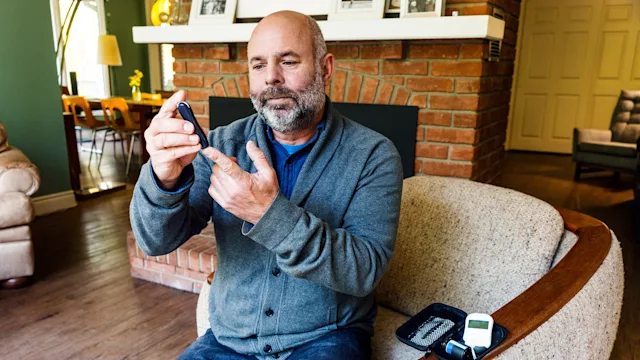
Within the first day of taking Jardiance, your kidneys will begin removing sugar from your body. And you may see lower numbers when checking your blood sugar at home within the first few weeks.
But it will take about 3 months to see a change to your hemoglobin A1C (HbA1c or A1C) test. This is a blood test that represents your average blood sugar over the last 3 months. Jardiance may help lower your A1C by about 1%.
Some people may continue to see additional drops in their blood sugar for up to about 1.5 years after starting Jardiance.
Weight loss
You may start to notice some weight loss around 6 weeks after starting Jardiance. This initial weight loss is primarily because the kidneys are pulling extra water from the body in addition to sugar.
But as time goes on, the amount of body fat can also decrease, leading to further weight loss. This happens gradually over about 6 months.
Heart benefits
Jardiance can lower the risk of cardiovascular death and hospitalization for people with Type 2 diabetes who also have heart disease. It’s also beneficial for people with heart failure, even if they don’t have diabetes.
These heart benefits were seen in studies right after people started taking Jardiance and continued it long term.
Kidney benefits
Jardiance can also help protect the kidneys if you have chronic kidney disease (with or without diabetes). It’s approved to lower the risk of kidney failure, cardiovascular death, and hospitalization in this group. It can also slow the worsening of kidney function. But it takes much longer to see these benefits than those discussed above.
In studies, people taking Jardiance began seeing kidney benefits about 1 year after taking it. And the longer people took it, the greater the benefits became.
3. How long does Jardiance stay in your system?
It takes your body about 12 hours to remove half of your Jardiance dose from your system. This time frame is what’s called the medication’s half-life. But small amounts of the medication may stay in your body for about 2 to 3 days after your last dose. That’s why it’s recommended to stop Jardiance at least 3 days before certain surgical procedures.
4. When is the best time to take Jardiance?
It’s best to take Jardiance once a day in the morning, around the same time each day. Taking Jardiance at night doesn’t change how well it works. But it could make a certain side effect more frustrating. One of its most common side effects is having to urinate more. Taking Jardiance in the morning can help prevent you from needing to get up to pee in the middle of the night.
If you forget your morning dose, take it as soon as you remember later in the day. However, if it’s evening or almost time for your next dose, skip your missed dose. You can resume your normal schedule for your next dose. Don’t take extra medication to make up for missed doses, because this can raise your risk of side effects.
5. Do you have to take Jardiance forever?
Most likely, yes. Jardiance is a long-term medication. It doesn’t cure diabetes, but it can help you manage the condition over time. Diabetes is a chronic (long-term) condition, and many people need to take medication for life.
Your prescriber can help you decide which diabetes medication(s) are best for you. These might include oral or injectable medications. And sometimes, people need more than one type of treatment.
Similarly, heart failure and kidney disease are chronic conditions. Typically, one or more lifelong medications are required to help lower the risk of complications and death. So if you’re taking Jardiance for heart failure or kidney disease, you’ll likely continue taking it long term.
Discuss which treatment(s) would be best for you with your healthcare team.
6. Is Jardiance safe to take?
Yes, when taken as prescribed, Jardiance is a safe medication for most people. Still, some people experience side effects that are generally mild and temporary.
Common Jardiance side effects include:
Increased urination
Urinary tract infections (UTIs)
Genital yeast infections (more likely in women than men)
Raised cholesterol
Joint pain
Nausea
Serious risks are rare but can include:
Hypoglycemia (low blood sugar)
Dehydration
Ketoacidosis (high level of acids called ketones in the blood)
Who shouldn’t take Jardiance?
People with certain health conditions may need additional monitoring or need to avoid taking Jardiance. Talk to a healthcare professional before taking Jardiance if you:
Have Type 1 diabetes
Have severe kidney disease or are receiving dialysis
Are allergic to any of the active or inactive ingredients in Jardiance
Are allergic to another SGLT2 inhibitor
Are prone to urinary tract infections
Are prone to yeast infections
Are pregnant or breastfeeding
7. Can you take Jardiance with metformin?
Yes, it’s safe to take Jardiance with metformin. In fact, they come combined in one pill called Synjardy.
Jardiance and metformin work differently to help lower blood sugar. They don’t interact with each other. It’s common for people to add Jardiance to their medication regimen if metformin isn’t working well enough on its own. You may also take both if you have both diabetes and heart failure or kidney disease.
8. How does Jardiance compare to Ozempic and other GLP-1 medications?
Jardiance is an SGLT2 inhibitor. Ozempic is a glucagon-like peptide-1 (GLP-1) receptor agonist. They work in different ways to help lower your blood sugar, among other benefits.
The two also come in different dosage forms. Jardiance is an oral tablet; Ozempic is an injectable medication. However, Ozempic's active ingredient is also available in tablet form, sold under the name Rybelsus.
Both medications offer heart and kidney benefits for certain people. But Ozempic tends to cause more weight loss than Jardiance.
9. Is there a generic for Jardiance?
No, there’s no generic version for Jardiance yet. A generic version of Jardiance may not be commercially available until 2029.
The good news is that Jardiance is usually covered by health insurance, regardless of plan type. If you’re concerned about coverage, your prescriber or pharmacist can check with your insurer to see if a prior authorization is needed.
How to save on Jardiance
There are ways to save on Jardiance, which is available as a brand-name medication. GoodRx can help you navigate between copay savings cards and patient assistance programs to save money on your prescription.
Save with GoodRx. Anyone with a valid prescription, regardless of insurance status, can use GoodRx to purchase a 30-day supply of Jardiance at an exclusive cash price.
Save with a copay savings card: If you have commercial insurance, you may be eligible to pay as little as $10 a month for Jardiance using a savings card from the manufacturer.
Save with patient assistance programs: If you’re uninsured or underinsured, you may be eligible for Jardiance’s patient assistance program, which offers the medication free of charge.
The bottom line
Jardiance (empagliflozin) is an oral medication that is FDA-approved to treat Type 2 diabetes, heart failure, and kidney disease. It’s not a weight-loss medication, but many people lose about 4 lbs to 6 lbs after taking Jardiance for about 6 months. It starts working to lower blood glucose (blood sugar) right away; you’ll need to take it long term to get the full benefits.
While Jardiance is safe for most people to take, there are certain people who may need to avoid it. Discuss whether Jardiance is right for you with your healthcare team.

Why trust our experts?




References
Anker, S. D., et al. (2021). Empagliflozin in heart failure with a preserved ejection fraction. The New England Journal of Medicine.
Boehringer Ingelheim Pharmaceuticals. (2025). Jardiance- empagliflozin tablet, film coated [package insert].
Inzucchi, S. E., et al. (2020). Empagliflozin treatment effects across categories of baseline HbA1c, body weight and blood pressure as an add‐on to metformin in patients with Type 2 diabetes. Diabetes, Obesity and Metabolism.
Iqbal, N., et al. (2023). Perspectives in weight control in diabetes – SGLT2 inhibitors and GLP-1–glucagon dual agonism. Diabetes Research and Clinical Practice.
PubChem. (2025). Empagliflozin. National Library of Medicine.
Ribola, F. A., et al. (2017). Effects of SGLT2 inhibitors on weight loss in patients with Type 2 diabetes mellitus. European Review for Medical and Pharmacological Sciences.
Sargeant, J. A., et al. (2022). The effects of empagliflozin, dietary energy restriction, or both on appetite-regulatory gut peptides in individuals with Type 2 diabetes and overweight or obesity: The SEESAW randomized, double-blind, placebo-controlled trial. Diabetes, Obesity and Metabolism.
Sizar, O., et al. (2023). Empagliflozin. StatPearls.
The EMPA-KIDNEY Collaborative Group. (2022). Empagliflozin in patients with chronic kidney disease. The New England Journal of Medicine.
Zimmerman, J. (2016). Empagliflozin (Jardiance) for Type 2 diabetes mellitus. American Family Physician.