It's possible to have an allergic reaction to Omvoh (mirikizumab). In studies, this sometimes happened during the IV infusions at the beginning of treatment.
The care team will watch for allergic reactions during your infusions. But call your care team or get medical help right away if you notice signs of anaphylaxis at any time. These include itching, skin redness, hives, trouble breathing, or swelling of the throat or face.
- Risk factors: Chronic or recurrent infections | Other conditions or medications that raise the risk of infection
Omvoh (mirikizumab) can lower your body’s ability to fight off germs. This can put you at risk of getting an infection more easily. In studies, some people had upper respiratory tract infections or herpes viral infections.
Before starting Omvoh (mirikizumab), tell your prescriber about your medical history, including if you've had tuberculosis (TB). Your prescriber will weigh the risks and benefits to see if this medication is safe for you. If you have an infection, you'll need to wait until you're better to start Omvoh (mirikizumab). Your prescriber will also test you for TB before you begin. You might need treatment for any infections you already have.
Talk to a healthcare professional or call your prescriber if you have signs of an infection. Look out for fever, weakness, cough, night sweats, chills, or an unexplained rash. If your care team thinks you have an infection, you might need to take a break from Omvoh (mirikizumab). You also might need to take antibiotics or other medications to treat the infection. This will help your body fight the infection better.
- Risk factors: Liver cirrhosis | High liver enzyme levels before starting treatment
In studies, one person had liver injury after getting more than 3 induction doses of Omvoh (mirikizumab). After stopping the medication, their liver function went back to normal.
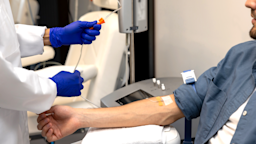
Although liver injury is rare at recommended doses, it’s important to be aware of this risk. Many people with high liver labs don’t feel physical symptoms. That's why blood work is important to help check that your liver is okay. Your prescriber will check your liver before you start Omvoh (mirikizumab). You’ll also need routine blood work for at least 6 months while taking the medication.
Call your care team and get medical help if you have signs of liver injury. Watch for signs like nausea, vomiting, stomach pain, yellowing of your skin or eyes, or dark urine. You might need to stop taking Omvoh (mirikizumab).
There isn't enough information to know how Omvoh (mirikizumab) affects how your body reacts to vaccines. To be safe, it's best to be up to date on all your vaccines before starting this medication.
Avoid live vaccines right before starting Omvoh (mirikizumab), during treatment, and right after your last injection. This medication can affect how well your immune system works. This can raise your risk of getting sick from a live vaccine itself. Examples include Varivax (chickenpox vaccine) and MMR (measles, mumps, and rubella vaccine).
Before getting any vaccines, tell your healthcare professional you’re taking Omvoh (mirikizumab). They can help make sure the vaccine is safe for you.