




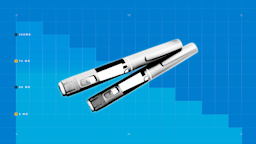

Ozempic Coupon - Ozempic 1 prefilled 2mg pen of 2mg/3ml carton

Ozempic

semaglutide
Used for Diabetes Type 2, Management with Incretin-based Therapies

Ozempic (semaglutide) is a prescription injection used with diet and exercise to help manage Type 2 diabetes in adults. It's also FDA approved to lower the risk of heart attack, stroke, and heart-related death in those with Type 2 diabetes and heart disease. In addition, it can reduce the risk of worsening kidney problems in people with Type 2 diabetes and chronic kidney disease (CKD). Ozempic (semaglutide) is a GLP-1 agonist that's injected under the skin once a week. Common side effects include nausea, vomiting, and diarrhea.

Reviewed by:Last reviewed on September 4, 2025
basics-icon

What is Ozempic (semaglutide)?

Featuring Joshua Murdock, PharmD, BCBBSReviewed by Christina Aungst, PharmD | November 10, 2024

What is Ozempic (semaglutide) used for?

How Ozempic (semaglutide) works

Ozempic (semaglutide) is a glucagon-like peptide-1 (GLP-1) agonist. It acts like the natural GLP-1 hormone in your body. This hormone helps lower your blood sugar by making your pancreas release more insulin, reducing the sugar made by your liver, and slowing down digestion.

The effects above, along with the medication’s ability to reduce weight, lower blood pressure, and lower inflammation, can help protect both your heart and kidneys.

When does Ozempic (semaglutide) start working?Time passed since treatment started:
HOURS
DAYS
WEEKS
Initial effect
MONTHS
Full effect

Drug facts

Common BrandsOzempic
Drug ClassGLP-1 agonist
Controlled Substance ClassificationNot a controlled medication
Generic StatusNo lower-cost generic available
AvailabilityPrescription only
side-effects-icon

Side effects of Ozempic (semaglutide)

The following side effects may get better over time as your body gets used to the medication. Let your healthcare provider know immediately if you continue to experience these symptoms or if they worsen over time.

Common Side Effects

Less Common Side Effects

Ozempic (semaglutide) serious side effects

Contact your healthcare provider immediately if you experience any of the following.

  • Risk of thyroid tumors: lump in the neck, trouble breathing or swallowing, hoarseness
  • Vision changes (diabetic retinopathy): vision loss, blurred vision, floaters, seeing dark spots, changes in how you see color
  • Inflammation of the pancreas (pancreatitis): stomach or back pain that won't go away, vomiting
  • Low blood sugar (hypoglycemia): shaking, sweating, dizziness, confusion, blurred vision
  • Kidney problems: changes in urination, swollen feet or ankles, tiredness, nausea
  • Severe stomach problems: nausea, vomiting, diarrhea, bloating, heartburn
  • Gallbladder problems: pain in the upper stomach, fever, yellowing of the whites of the eyes, clay-colored stool
  • Serious allergic reaction: trouble breathing, rash, hives, swollen face, fast heartbeat, dizziness
When do Ozempic (semaglutide) possible side effects begin and end?
Time passed since treatment started:
H
D
W
M
Nausea or vomiting
Diarrhea
Stomach pain
Constipation
Pancreatitis
Gallbladder disease
Seek immediate medical care if you experience this side effect.
If a line continues to the right, you'll likely keep experiencing this side effect once it starts.

Source: DailyMed

The following Ozempic (semaglutide) side effects have also been reported

Side effects that you should report to your care team as soon as possible:

  • Allergic reactions—skin rash, itching, hives, swelling of the face, lips, tongue, or throat
  • Change in vision
  • Dehydration—increased thirst, dry mouth, feeling faint or lightheaded, headache, dark yellow or brown urine
  • Fast or irregular heartbeat
  • Gallbladder problems—severe stomach pain, nausea, vomiting, fever
  • Kidney injury—decrease in the amount of urine, swelling of the ankles, hands, or feet
  • Pancreatitis—severe stomach pain that spreads to your back or gets worse after eating or when touched, fever, nausea, vomiting
  • Thyroid cancer—new mass or lump in the neck, pain or trouble swallowing, trouble breathing, hoarseness

Side effects that usually do not require medical attention (report these to your care team if they continue or are bothersome):

prices-container

Get your GoodRx coupon

Avg retail price
$Infinity(Save 100.00%)
Sponsored copay card
Subject to eligibility
$25.00
See prices
pros-and-cons-icon

Pros and cons of Ozempic (semaglutide)

Pros

  • Only given once per week
  • Might help you lose weight
  • Helps lower the risk of heart problems and kidney problems in people with type 2 diabetes
  • Can store open and used pens at room temperature for up to 8 weeks

Cons

  • Is an injection given under the skin
  • Commonly causes nausea, vomiting, and diarrhea
  • Risk of low blood sugar if taken with certain diabetes medications
  • Can't be used for Type 1 diabetes
pharmacist-tips-icon

Pharmacist tips for Ozempic (semaglutide)

pharmacist
  • Ozempic (semaglutide) works best if you follow a balanced diet and exercise regularly.
  • Never share Ozempic (semaglutide) with anyone else, even if you change the needle. Sharing this medication can spread serious infections.
  • Ozempic (semaglutide) can cause changes in appearance, sometimes called "Ozempic face", where your skin looks saggy after weight loss. Talk to your prescriber if this worries you.
  • Ozempic (semaglutide) can cause stomach side effects like nausea, vomiting, and diarrhea. Call your prescriber if these symptoms become serious or don’t go away.
  • Ozempic (semaglutide) rarely causes pancreatitis. Stop taking it and call your prescriber if you have severe stomach pain that spreads to your back, with or without vomiting.
  • Some people have reported hair loss while taking Ozempic (semaglutide). Tell your prescriber if you notice thinner hair or more hair falling out than usual.
  • Let your prescriber know if you're pregnant or want to get pregnant since it's not known if Ozempic (semaglutide) is safe during pregnancy. To be safe, you should stop taking this medication 2 months before you plan to become pregnant.
  • Keep unopened Ozempic (semaglutide) pens in the refrigerator. Once opened, you can keep them in the fridge or at room temperature, but throw them away after 8 weeks in a sharps container, even if there’s medication left. Unopened pens are safe to use up until the expiration date printed on the label.

Tips for how to inject Ozempic (semaglutide):

  • Your prescriber should show you how to inject Ozempic (semaglutide) before your first dose. You can also check the Instructions for Use or watch an instructional video.
  • Inject Ozempic (semaglutide) once a week under the skin of your stomach, thigh, or upper arm. You can use it at any time of day, with or without food.
  • Try to use Ozempic (semaglutide) on the same day each week. But if needed, you can change your injection day, but keep at least 2 days between doses.
  • If you miss a dose of Ozempic (semaglutide), take it as soon as possible within 5 days of the missed dose. If more than 5 days have passed, skip the missed dose and take your next dose on your regular day. After that, go back to your usual once-weekly schedule.
educational-icon

How to save using GoodRx

Compare Prices
1. Compare PricesSpecify your dosage and quantity to find out exactly how much you can save.
Select your free coupon
2. Select your free couponYou can use the displayed coupon, or compare prices at other pharmacies near you.
Show coupon to your pharmacist
3. Show coupon to your pharmacistPresent your printed or electronic coupon when you pick up your prescription.
Get free couponLearn more
faq-icon

Common questions about Ozempic (semaglutide)

No, Ozempic itself isn’t available as a pill. Ozempic is a brand-name injectable Type 2 diabetes medication that contains semaglutide. But there are oral (pill) versions of semaglutide, the same active ingredient in Ozempic. For several years, Rybelsus, which is also used for Type 2 diabetes, was the only oral semaglutide product available. As of January 2026, there’s now also an oral Wegovy pill, FDA approved specifically for weight loss. The main difference between oral semaglutide pills and injections is how and when you take them. Injections like Ozempic and the Wegovy pen are administered once weekly and don’t have strict timing requirements around food, drinks, or other medications. Oral semaglutide pills like Rybelsus and the Wegovy pill are taken once daily, first thing in the morning on an empty stomach, with no more than 4 oz of plain water. You’ll need to wait at least 30 minutes before eating, drinking other liquids, or taking other medications. In addition to the Wegovy pill, other oral weight-loss pill options include Qsymia (phentermine / topiramate ER), Contrave (naltrexone / bupropion), and Xenical or Alli (orlistat). While these medications haven’t been compared directly, the Wegovy pill may lead to greater weight loss than other oral options. Another oral medication that works like Wegovy is orforglipron, which may be approved in 2026.Learn more

The main difference between Wegovy and Ozempic, which both contain semaglutide, is their approved uses. Ozempic is FDA approved to treat Type 2 diabetes in adults, and to lower the risk of major adverse cardiovascular events (MACE) in people with Type 2 diabetes and heart disease. It's also approved to lower the risk of kidney disease worsening, kidney failure, and cardiovascular death in people with Type 2 diabetes and chronic kidney disease. Wegovy is approved for weight loss in certain adults and adolescents ages 12 and older, and to lower the risk of MACE in adults with heart disease and a larger body size. Wegovy is also available in higher doses of semaglutide compared to Ozempic.Learn more

The cost of Ozempic pens is $199* per month with GoodRx. This cost is available to eligible self-paying patients through a collaboration with Novo Nordisk, at over 70,000 retail pharmacies nationwide, with GoodRx. *Limited time offer: Only available for 2 monthly fills between 11/17/2025 – 3/31/26. For each fill after, pay $349/month for Ozempic® 0.25mg, 0.5mg or 1mg, and $499/month for Ozempic® 2mg. For eligible patients only. Learn more

Each new Ozempic pen should contain four doses. Specifically, this includes the 0.5 mg, 1 mg, and 2 mg maintenance doses. Each pen should last 4 weeks (about 1 month). Learn more

Nausea is the most common semaglutide side effect. Up to 20% of people receiving Ozempic for Type 2 diabetes reported nausea during clinical trials. And nausea was even more common with Wegovy for weight loss. Vomiting tends to be less common than nausea. You’re more likely to experience nausea and vomiting with higher semaglutide doses. Here are tips for managing nausea from semaglutide: Eat smaller, more frequent meals. Eat slowly and stop eating when you start to feel full. Avoid or minimize high-fat foods. Remain upright after you eat. Stay hydrated since dehydration can worsen nausea. Opt for low-fat, bland foods that are easy on your stomach. Try a home remedy, such as ginger. If these changes don’t seem to help, talk to your healthcare team about medication options. They may recommend an over-the-counter (OTC) or prescription nausea medication for relief. But if your nausea is accompanied by severe pain in your upper and middle abdomen, get medical attention right away. This could be a sign of pancreatitis, which has been reported with semaglutide.Learn more

People with Type 2 diabetes who received the 1 mg Ozempic dose lost about 10 lbs after 30 weeks (7 months) in a clinical trial. The 2 mg (highest) dose has been shown to result in about 15 lb of weight loss after 40 weeks (9 months). But it’s not unusual for people taking Ozempic to report losing even more weight. Keep in mind Ozempic (semaglutide) isn't approved for weight loss, but some people lose weight during treatment. Learn more

Ozempic (semaglutide) is a Type 2 diabetes medication. But some people report changes in their appetite and cravings after starting Ozempic, which can cause them to lose weight. This is thought to be due to how Ozempic affects areas of the brain responsible for regulating appetite and fullness. It may also lessen cravings or preferences for certain foods, such as fatty, energy-dense foods that can add extra calories. In fact, Ozempic’s effect on body weight is one of the reasons it may be prescribed in the first place. Even a small amount of weight loss can help make blood glucose levels easier to manage. And you may notice improvements in your blood pressure and cholesterol, too.Learn more

Ozempic (semaglutide) is an injectable medication that treats Type 2 diabetes in adults. Common Ozempic side effects include nausea, vomiting, diarrhea, and stomach pain. Constipation, headaches, and bloating are also possible. These side effects are often worse when starting Ozempic and after dose increases. For many people, they improve over time. While less common, more serious side effects such as pancreatitis, gallbladder problems, and acute kidney damage have been linked to the medication.Learn more

Ozempic (semaglutide) is an injectable Type 2 diabetes medication, but it's not insulin or a substitute for insulin. It works in several different ways to lower blood glucose (sugar) levels. These include telling your pancreas to release insulin after you eat, reducing glucose production in the liver, and slowing the movement of food out of the stomach. Ozempic's effects can work synergistically with insulin, so you may be prescribed both of them together.Learn more
warnings-icon

Risks and warnings for Ozempic (semaglutide)

Ozempic (semaglutide) can cause some serious health issues. This risk may be even higher for certain groups. If this worries you, talk to your doctor or pharmacist about other options.

Risk of thyroid tumors

  • Risk factors: History of MTC | History of MEN 2

Warning Icon In animal studies, semaglutide (the active ingredient in Ozempic (semaglutide)) caused thyroid tumors when given over a long period. But it's not known if the same thing happens in people.

Because of this possible risk, you shouldn't take Ozempic (semaglutide) if you or someone in your family has had medullary thyroid carcinoma (MTC) or if you have a condition called multiple endocrine neoplasia syndrome type 2 (MEN 2). Call your prescriber right away if you find a lump in your neck, have trouble breathing or swallowing, or notice hoarseness that doesn’t go away.

Inflammation of the pancreas (pancreatitis)

Some people taking Ozempic (semaglutide) have had a serious condition called pancreatitis, or inflammation of the pancreas. This is rare but can be life-threatening. After you start this medication, tell your prescriber right away if you have severe stomach pain that doesn’t go away. The pain can spread to your back and could be accompanied by vomiting. If your care team thinks you have pancreatitis, they’ll stop the medication and give you the right treatment.

Eye problems

  • Risk factors: History of diabetic retinopathy

Ozempic (semaglutide) can cause eye problems, especially if you already have a condition called diabetic retinopathy. If you have this condition, your care team might want to check your eyes more often while you take Ozempic (semaglutide). Tell them right away if you notice changes in your vision, like blurry vision, floaters, dark spots, or vision loss.

Low blood sugar (hypoglycemia) when taken with certain diabetes medications

  • Risk factors: Taking medications that raise your insulin levels

If you take Ozempic (semaglutide) with insulin or other diabetes medications like sulfonylureas, you might have a higher risk of low blood sugar (hypoglycemia), which can sometimes be serious. Your prescriber might need to lower the dose of your insulin or other medications to prevent this. Make sure you know the signs of low blood sugar — like shakiness, sweating, confusion, or feeling very hungry — and how to treat it.

Kidney damage

Kidney problems have been reported in people taking GLP-1 medications like semaglutide, the active ingredient in Ozempic (semaglutide). Some people needed treatments like dialysis, even if they didn’t have kidney problems before. These problems were often linked to nausea, vomiting, diarrhea, or dehydration.

If you have stomach side effects while taking Ozempic (semaglutide), and they're severe, your care team might check your kidney labs — especially when starting or raising your dose.

Severe stomach problems

  • Risk factors: History of gastroparesis

Some people taking Ozempic (semaglutide) have had stomach-related side effects like nausea, vomiting, diarrhea. In some cases, these side effects were serious. Ozempic (semaglutide) isn't recommended if you have a condition called gastroparesis, which slows down how your stomach empties. Be sure to tell your prescriber if you’ve had stomach problems before starting this medication.

Severe allergic reactions

Severe allergic reactions to Ozempic (semaglutide) are possible, including life-threatening ones like facial swelling or anaphylaxis, which can cause throat swelling or trouble breathing. Call for medical help right away if you notice symptoms such as hives, a rash, red skin, or swelling of your lips, tongue, or face after taking this medication.

Gallbladder problems

Although rare, gallbladder problems such as gallstones and inflammation of the gallbladder have happened in some people taking Ozempic (semaglutide). Tell your prescriber if you experience symptoms like upper stomach pain, fever, or clay-colored stool. They might run tests to check your gallbladder and decide if you need treatment.

Lung problems during anesthesia or deep sedation

  • Risk factors: Undergoing surgery or a procedure requiring anesthesia or deep sedation

Ozempic (semaglutide) slows down how quickly food leaves your stomach. Rarely, people taking similar medications have had food remain in their stomach during surgery, even after fasting like they were told. This can lead to a serious lung problem if stomach contents get into the lungs during anesthesia or deep sedation. Make sure to tell your prescriber if you're taking Ozempic (semaglutide) before any planned surgery or procedure.

dosage-icon

Ozempic (semaglutide) dosage

The average cost for 1 carton of 1 prefilled 2mg pen of 2mg/3ml of Ozempic (semaglutide) is $25.00 with a free GoodRx coupon. This is 97.88% off the average retail price of $1,180.59.
cartonCarton
DosageQuantityPrice as low asPrice per unit
2 prefilled 2mg pens of 2mg/1.5ml1 carton$25.00$25.00
1 prefilled 2mg pen of 2mg/1.5ml1 carton$25.00$25.00
1 prefilled 4mg pen of 4mg/3ml1 carton$25.00$25.00
1 prefilled 8mg pen of 8mg/3ml1 carton$25.00$25.00
1 prefilled 2mg pen of 2mg/3ml1 carton$25.00$25.00

Typical dosage for Ozempic (semaglutide)

The typical starting dose is 0.25 mg injected under the skin once per week for 4 weeks.

After 4 weeks, your prescriber will raise your dose to 0.5 mg injected under the skin once per week.

If needed, your prescriber might raise your dose even further to 1 mg or 2 mg once per week after at least a few weeks at each dose. The maximum total dose is 2 mg per week.

cost-icon

How much does Ozempic (semaglutide) cost?

To access savings, use a GoodRx coupon and pay just a fraction of the retail price.
contraindications-icon

Ozempic (semaglutide) contraindications

Contraindications are specific health conditions or situations in which a person should not take a medication due to safety concerns. If you have any of the following conditions or if any of the following apply to you, let your healthcare provider know because Ozempic (semaglutide) will not be safe for you to take.

alternatives-icon

What are alternatives to Ozempic (semaglutide)?

There are a number of medications that your doctor can prescribe in place of Ozempic (semaglutide). Compare a few possible alternatives below.
Ozempic (semaglutide)
Used for:
$25.00Lowest GoodRx priceView prices
Used for:
  • Type 2 diabetes in people age 10 and older, together with a balanced diet and exercise
  • Lowering the risk of serious heart-related problems in adults with Type 2 diabetes and heart disease
$161.98Lowest GoodRx priceView prices
Used for:
  • Manage Type 2 diabetes in people 10 years and older, along with diet and exercise
  • Lower the risk of heart problems like heart attack, stroke, or death in adults with Type 2 diabetes who have heart disease or heart-related risk factors
$962.12Lowest GoodRx priceView prices
latest-news-icon

News about Ozempic (semaglutide)

Though individual responses can vary, hair loss isn’t a typical side effect of semaglutide (Ozempic, Wegovy). But rapid weight loss can lead to hair loss.
Does Ozempic Cause Hair Loss?
Though individual responses can vary, hair loss isn’t a typical side effect of semaglutide (Ozempic, Wegovy). But rapid weight loss can lead to hair loss.
Can’t get Mounjaro? Here are several Mounjaro alternatives to choose from for both weight loss and Type 2 diabetes.
Can’t Fill Your Mounjaro Prescription? Consider These 9 Mounjaro Alternatives
Can’t get Mounjaro? Here are several Mounjaro alternatives to choose from for both weight loss and Type 2 diabetes.
Some foods and supplements may naturally increase your GLP-1 levels. This can help you lose weight and regulate your blood sugar without medication.
9 Foods and Supplements That Increase GLP-1 Naturally
Some foods and supplements may naturally increase your GLP-1 levels. This can help you lose weight and regulate your blood sugar without medication.
Ozempic doesn’t usually cause muscle or joint pain, but some people report it. Here’s what to do if you have muscle or joint pain while taking Ozempic.
Can Ozempic Cause Joint and Muscle Pain?
Ozempic doesn’t usually cause muscle or joint pain, but some people report it. Here’s what to do if you have muscle or joint pain while taking Ozempic.
Despite high demand, insurance coverage for GIP and GLP-1 agonists like Zepbound and Ozempic remains restrictive in 2025.
Live Updates: Tracking Insurance Coverage for GIP and GLP-1 Agonists Like Zepbound and Wegovy
Despite high demand, insurance coverage for GIP and GLP-1 agonists like Zepbound and Ozempic remains restrictive in 2025.
Berberine is a compound found in several plants that’s been called “natural Ozempic.” Learn more about this supplement and its effectiveness.
Berberine Weight-Loss Supplements: Is It Really ‘Natural Ozempic’?
Berberine is a compound found in several plants that’s been called “natural Ozempic.” Learn more about this supplement and its effectiveness.
Wegovy (semaglutide) is a weight-loss medication, but is it worth the risk? Long-term side effects of Wegovy include pancreatitis and other medical conditions.
10 Long-Term Side Effects of Wegovy You Should Know About Before You Start Taking It
Wegovy (semaglutide) is a weight-loss medication, but is it worth the risk? Long-term side effects of Wegovy include pancreatitis and other medical conditions.
GLP-1 agonist drugs treat diabetes by balancing blood glucose levels. Here’s our list of GLP-1 agonists, how they work, similarities and differences, and more.
Ozempic, Trulicity, and More: 11 GLP-1 Drugs and How to Navigate Your Options
GLP-1 agonist drugs treat diabetes by balancing blood glucose levels. Here’s our list of GLP-1 agonists, how they work, similarities and differences, and more.
Taking semaglutide while drinking alcohol may increase the risk of low blood sugar. Alcohol may also counteract some of Ozempic’s potential benefits.
Can You Drink Alcohol While Taking Ozempic? 5 Things to Consider Before You Do
Taking semaglutide while drinking alcohol may increase the risk of low blood sugar. Alcohol may also counteract some of Ozempic’s potential benefits.
Semaglutide offers diverse benefits beyond diabetes treatment and weight loss. Here are emerging studies revealing new semaglutide uses.
From Diabetes to Alzheimer’s: Live Updates on Semaglutide’s Current and Future Uses
Semaglutide offers diverse benefits beyond diabetes treatment and weight loss. Here are emerging studies revealing new semaglutide uses.
images-icon

Ozempic (semaglutide) images

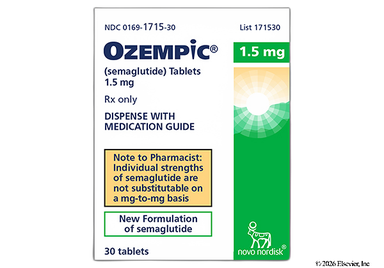
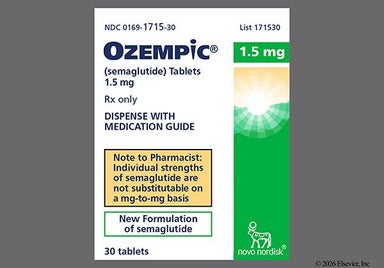
This medicine is Colorless Carton.

Get savings updates for Ozempic (semaglutide)

Receive price alerts, news, and other messages from GoodRx about Ozempic (semaglutide) and other healthcare topics and relevant savings offers.

By providing your email, you consent to receive marketing communications from GoodRx, which may include content and/or data related to men's health, women's health, reproductive care, or sexual health. You agree to the GoodRx Terms of Use and acknowledge the Privacy Policy. You can unsubscribe at any time.

References

Best studies we found

American Thyroid Association. (n.d.). Medullary Thyroid Cancer.

Jones, M. W., et al. (2023). Acute cholecystitis. StatPearls.

Novo Nordisk. (n.d.). Using your Ozempic pen

GoodRx Health has strict sourcing policies and relies on primary sources such as medical organizations, governmental agencies, academic institutions, and peer-reviewed scientific journals. Learn more about how we ensure our content is accurate, thorough, and unbiased by reading our editorial guidelines.

Was this page helpful?