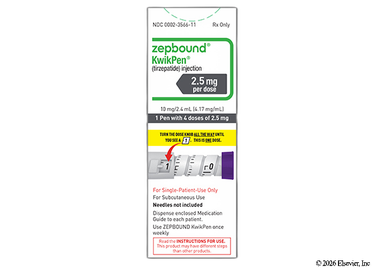

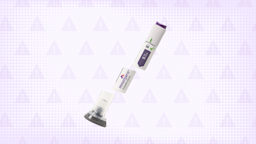




Zepbound Coupon - Zepbound 4 prefilled pens of 2.5mg/0.5ml carton

Zepbound

tirzepatide
Used for Management with Incretin-based Therapies, Weight loss

Zepbound (tirzepatide) is an injectable medication that's used along with diet and exercise. It helps with weight loss in adults who meet criteria for weight management therapy. It's also approved to treat moderate-to-severe sleep apnea. This medication belongs to the drug class called GIP and GLP-1 agonists. The dosage is 1 injection under the skin once a week. Common side effects include nausea, diarrhea, and injection site reactions. Zepbound (tirzepatide) is only available as a brand-name medication.

Reviewed by:Last reviewed on September 10, 2025
basics-icon

What is Zepbound (tirzepatide)?

Featuring Joshua Murdock, PharmD, BCBBSReviewed by Christina Aungst, PharmD | September 29, 2025

What is Zepbound (tirzepatide) used for?

In addition to a balanced diet and exercise plan:

How Zepbound (tirzepatide) works

Zepbound (tirzepatide) is a glucose-dependent insulinotropic polypeptide (GIP) and glucagon-like peptide-1 (GLP-1) receptor agonist.

It works by acting like GLP-1 and GIP, two hormones that your gut releases into the body. These hormones are thought to play a role in controlling your appetite (how hungry you feel). In turn, they can affect how much food you eat.

By making you feel full longer and less hungry, Zepbound (tirzepatide) can help you lose weight. And by mainly reducing weight, the medication helps improve sleep apnea.

When does Zepbound (tirzepatide) start working?Time passed since treatment started:
HOURS
DAYS
WEEKS
Initial effect
MONTHS
Full effect

Drug facts

Common BrandsZepbound
Drug ClassGIP and GLP-1 agonist
Controlled Substance ClassificationNot a controlled medication
Generic StatusNo lower-cost generic available
AvailabilityPrescription only
side-effects-icon

Side effects of Zepbound (tirzepatide)

The following side effects may get better over time as your body gets used to the medication. Let your healthcare provider know immediately if you continue to experience these symptoms or if they worsen over time.

Common Side Effects

  • Nausea (25-29%)
  • Diarrhea (19-23%)
  • Constipation (11-17%)
  • Vomiting (8-13%)
  • Stomach pain (9-10%)
  • Indigestion (9-10%)

Less Common Side Effects

  • Injection site reaction (e.g., bruising, redness, pain, itching)
  • Feeling tired
  • Feeling dizzy
  • Burping
  • Excessive gas
  • Acid reflux
  • Bloating
  • Hair loss
  • Faster heart rate

Zepbound (tirzepatide) serious side effects

Contact your healthcare provider immediately if you experience any of the following.

  • Kidney damage: nausea, vomiting, trouble urinating, muscle cramps, feeling confused, swelling in the ankles or feet, trouble breathing
  • Gallbladder problems: upper stomach pain, nausea, vomiting, fever, clay-colored stools, yellowing of your skin or whites of your eyes
  • Inflammation of the pancreas: nausea, vomiting, stomach pain (might spread to your back), yellowing of your skin or whites of your eyes
  • Serious allergic reaction: hives; trouble breathing; swelling of your lips, tongue, throat, or face
  • Very low blood sugar: feeling hungry, fast heartbeat, shakiness, anxiety, sweating, tingling, dizziness, weakness, drowsiness, confusion
  • Suicidal thoughts and behavior
When do Zepbound (tirzepatide) possible side effects begin and end?
Time passed since treatment started:
H
D
W
M
Injection site reaction
Nausea or vomiting
Diarrhea
Stomach pain

Source: DailyMed

The following Zepbound (tirzepatide) side effects have also been reported

Side effects that you should report to your care team as soon as possible:

  • Allergic reactions—skin rash, itching, hives, swelling of the face, lips, tongue, or throat
  • Change in vision
  • Dehydration—increased thirst, dry mouth, feeling faint or lightheaded, headache, dark yellow or brown urine
  • Fast or irregular heartbeat
  • Gallbladder problems—severe stomach pain, nausea, vomiting, fever
  • Kidney injury—decrease in the amount of urine, swelling of the ankles, hands, or feet
  • Pancreatitis—severe stomach pain that spreads to your back or gets worse after eating or when touched, fever, nausea, vomiting
  • Thoughts of suicide or self-harm, worsening mood, feelings of depression
  • Thyroid cancer—new mass or lump in the neck, pain or trouble swallowing, trouble breathing, hoarseness

Side effects that usually do not require medical attention (report these to your care team if they continue or are bothersome):

Weight loss treatment

Save on Zepbound and get unlimited online care with GoodRx.

Learn more

$299

per month*

*plus medication cost

pros-and-cons-icon

Pros and cons of Zepbound (tirzepatide)

Pros

  • Injected once a week
  • Can take with or without food
  • Different strengths available, so it's adjustable depending on your needs

Cons

  • Must be injected under the skin
  • Can cause bothersome side effects, like nausea, diarrhea, and stomach pain
  • Can't use with other tirzepatide products (Mounjaro) or with other GLP-1 agonists
pharmacist-tips-icon

Pharmacist tips for Zepbound (tirzepatide)

pharmacist
  • You can inject Zepbound (tirzepatide) at any time of the day, with or without food. Try to inject it at the same time on the same day each week. This can be helpful for remembering when to inject the medication.
  • You can change the day of the week you usually inject Zepbound (tirzepatide). If you do, make sure there's at least 3 days (72 hours) between two doses. This can help lower your risk of side effects like stomach upset.
  • If you miss a dose of Zepbound (tirzepatide) and it's within 4 days (96 hours) of your missed dose, inject the medication as soon as you can. But if your next injection is in less than 3 days, skip the missed dose. Just wait to inject the medication on your regular day of the week and time. For both situations, continue your usual once-weekly dosing schedule.
  • Zepbound (tirzepatide) can cause nausea, vomiting, and diarrhea. These side effects are more common when you first start the medication. They usually get better over a few months. Be sure to drink plenty of fluids to stay hydrated. Tell your care team if these side effects get too severe.
  • It's best to avoid alcohol while taking Zepbound (tirzepatide). Alcohol can make side effects like nausea and stomach pain worse. It can also make it harder to lose weight since it can add extra calories to your diet. And, it can mess with sleep if you have sleep apnea. Ask your prescriber if you have questions about avoiding alcohol.
  • Tell your care team about all the medications you take and plan to take. They can make sure your medications are safe to take together. This is important because Zepbound (tirzepatide) can interact with some medications. For example, taking it with insulin can put you at risk of having very low blood sugar, which can be harmful.
  • Zepbound (tirzepatide) might make birth control pills work less well. This can lead to an unplanned pregnancy. If you can get pregnant and are having sex, use back-up birth control, like condoms, for the first 4 weeks of starting Zepbound (tirzepatide). Also use a back-up method for 4 weeks after each dose increase. Talk to your primary care provider or gynecologist about other birth control options.

How to use and how to inject Zepbound (tirzepatide):

  • A trained healthcare professional will teach you how to inject Zepbound (tirzepatide). They'll make sure you know how before letting you do it on your own at home. Read the instructions for the pens or vials, depending on which one you have. Ask your care team if you have any questions.
  • How to store Zepbound (tirzepatide): Store pens and vials in the refrigerator, but don't let them freeze. Keep them in the original container to protect from light. If needed, they can be out of the fridge at room temperature (up to 86ĀŗF) for 21 days. Once at room temperature, don't put the medication back in the fridge. If you don't use the medication within 21 days at room temperature, you must throw it away.
  • Before injecting Zepbound (tirzepatide): Check that the medication is clear and colorless to slightly yellow. Don't use it if it's a different color or if it has particles inside. Wash your hands and clean the injection area with an alcohol wipe.
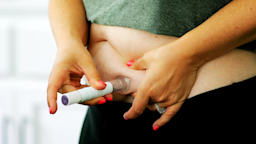
  • Where to inject Zepbound (tirzepatide): Inject the medication under the skin of your stomach or thigh. Someone else can also help inject into the back of your upper arm. Pick a different spot to inject into each week. Don't inject into tender, bruised, scaly, hard, scarred, or damaged skin. This can help prevent skin irritation.
  • How to inject Zepbound (tirzepatide) using the pen: Pull off the gray cap. Put the clear base of the pen flat against your skin. Unlock the pen when you're ready to inject. Then, press and hold the purple button for up to 10 seconds. The first click you hear tells you when the injection started and the second tells you when it's done. You should see the gray plunger through the pen when you're done.
  • How to inject Zepbound (tirzepatide) using the vial: Follow your prescriber's instructions to safely draw up your dose into the syringe. Insert the needle into the skin and push down on the plunger. The needle should stay in your skin for at least 5 seconds during this time to make sure you've gotten your full dose. Then, pull the needle straight out.
  • What to do after each Zepbound (tirzepatide) injection: Throw away used pens, syringes, and vials in a sharps container. This will help prevent you and others from getting hurt from needle sticks.
educational-icon

How to save using GoodRx

Compare Prices
1. Compare PricesSpecify your dosage and quantity to find out exactly how much you can save.
Select your free coupon
2. Select your free couponYou can use the displayed coupon, or compare prices at other pharmacies near you.
Show coupon to your pharmacist
3. Show coupon to your pharmacistPresent your printed or electronic coupon when you pick up your prescription.
Get free couponLearn more
faq-icon

Common questions about Zepbound (tirzepatide)

Because of the high prices of certain weight-loss medications, some health insurance plans don’t cover them. Other insurers may have these medications on their formularies but require costly copays or prior authorizations. Does Medicare or Medicaid cover Zepbound for weight loss? Medicare, by law, don't cover any weight-loss medications when they're taken solely for weight management. If you have commercial health insurance, you may be able to get Zepbound for a discounted price through the manufacturer’s savings program. But people covered by government-sponsored insurance, including Medicare and Medicaid, are not eligible for this program.Learn more

Zepbound is one of the most effective weight-loss medications available. During clinical trials, people using Zepbound lost an average of 15% to 21% of their starting body weight after 72 weeks (16.5 months). This worked out to an average of 34 lbs to 48 lbs. In general, people using the highest Zepbound dose (15 mg) lost more weight than those using lower doses (5 mg and 10 mg). Efficacy of long-term Zepbound usage What’s more, longer use of Zepbound can lead to even more weight loss. People in two different clinical trials saw continued weight loss with longer use — losing an average of 25% of starting body weight. Both studies ran for 72 weeks.Learn more

Zepbound (tirzepatide) is an FDA-approved injectable weight-loss medication. It's also approved to treat obstructive sleep apnea. It works by mimicking two gut hormones in your body that play a role in appetite and digestion. How much weight can you lose on Zepbound? In clinical trials, Zepbound helped people who are considered overweight or obese lose 15% to 20% of their starting body weight, depending on the dose. How long does it take for Zepbound to start working? People started seeing weight loss as early as 4 weeks after starting Zepbound. It’s intended for long-term use. Stopping Zepbound can cause people to regain weight.Learn more

Everyone's experiences with Zepbound are different. Many people start noticing weight loss as early as 4 weeks after starting it. And they typically keep losing weight with continued use. Zepbound side effects Side effects are possible, but most people are able to use Zepbound without serious problems. Common side effects include: Nausea Diarrhea Heartburn They're most noticeable when first starting Zepbound or after dose increases. Side effects typically get better or go away after your body adjusts to the medication.Learn more

Zepbound can potentially make birth control pills less effective. One of the ways Zepbound works is by slowing the passage of food out of your stomach. But this may also prevent your body from fully absorbing birth control pills. This could lead to an unintended pregnancy or the worsening of a condition that birth control is treating. Using nonoral birth control or a barrier method It’s recommended to switch to a nonoral birth control method for the first 4 weeks of using Zepbound — and the 4 weeks after a dosage increase. You may also consider using a barrier method of birth control, such as condoms, during this time. Your prescriber can help you decide which contraceptive options are best for you. Talk with your prescriber Discuss your family planning goals with your Zepbound prescriber. It’s not recommended to use the medication during pregnancy because animal studies suggest it could harm a fetus. Your prescriber can tell you how long you need to wait between using Zepbound and trying to conceive. If you become pregnant while using Zepbound, tell your healthcare team right away. Learn more

No, Zepbound isn't the same as Ozempic. One of the main differences between Zepbound and Ozempic is how they work. Zepbound works by mimicking two gut hormones: glucagon-like peptide-1 (GLP-1) and glucose-dependent insulinotropic polypeptide (GIP). Ozempic only mimics GLP-1. Zepbound and Ozempic are also approved for different uses. Zepbound is approved for weight loss and obstructive sleep apnea. Ozempic is approved for Type 2 diabetes and to help lower the risk of serious cardiovascular problems in certain people.Learn more
warnings-icon

Risks and warnings for Zepbound (tirzepatide)

Zepbound (tirzepatide) can cause some serious health issues. This risk may be even higher for certain groups. If this worries you, talk to your doctor or pharmacist about other options.

Risk of thyroid cancer

Warning Icon In studies on rats, some that were given Zepbound (tirzepatide) had a higher risk of thyroid cancer. It was more likely to happen when the rats got higher doses or were given the medication for a long time. We don't know if Zepbound (tirzepatide) can cause thyroid cancer in people.

blank warning iconBut because of this risk, you shouldn't use Zepbound (tirzepatide) if you or someone in your family has medullary thyroid cancer (MTC). You also shouldn't use this medication if you have multiple endocrine neoplasia syndrome type 2 (MEN 2).

blank warning iconTalk to your prescriber if you're worried about the risk of thyroid cancer with Zepbound (tirzepatide). Call your care team right away if you notice a lump on your neck. Also let them know if you have trouble breathing, trouble swallowing, or a hoarse voice that won't go away. These might be signs of thyroid cancer.

Stomach problems

  • Risk factors: Higher Zepbound (tirzepatide) dose

Zepbound (tirzepatide) can cause stomach problems, which can sometimes be severe. They can include stomach pain, nausea, vomiting, and diarrhea. Tell your care team if you have stomach upset that bothers you a lot.

Zepbound (tirzepatide) isn't recommended for people with severe stomach issues. This includes people who have gastroparesis (slowed emptying of your stomach). Talk to your prescriber about other options.

Kidney damage

  • Risk factors: History of kidney problems | Dehydration due to nausea, vomiting, or diarrhea

Some people who've taken Zepbound (tirzepatide) have had kidney problems. Sometimes, this can be caused by dehydration from side effects like nausea, vomiting, and diarrhea. These side effects can make you lose too much fluid from the body.

If you have stomach upset while taking Zepbound (tirzepatide), be sure to drink plenty of fluids to stay hydrated. Let your prescriber know if you have these side effects during treatment. Also tell them if you can't urinate or if you're not urinating as you usually do. You might need lab tests so your prescriber can make sure your kidneys are okay.

Gallbladder problems

Although it's rare, some people have had gallbladder problems while taking Zepbound (tirzepatide). This can include an inflamed gallblader or gallstones. Call your prescriber right away if you have severe pain in the upper stomach, nausea, vomiting, or fever. These could be signs of gallbladder problems.

Inflammation of the pancreas (pancreatitis)

Some people who've taken Zepbound (tirzepatide) had swelling or inflammation in their pancreas. This problem is called pancreatitis. It can sometimes cause serious damage to the pancreas or bleeding.

Stop using Zepbound (tirzepatide) and tell your care team if you have any signs of pancreatitis. Watch for severe stomach pain that doesn't go away, pain that goes to your back, nausea, or vomiting. Also look out for jaundice, or yellowing of your skin or the whites of your eyes.

Allergic reactions

  • Risk factors: Allergy to GLP-1 agonists

Some people can have a serious allergic reaction to Zepbound (tirzepatide). Tell your prescriber if you've had an allergic reaction to other GLP-1 agonists. It's not known if you could have a similar reaction to Zepbound (tirzepatide). Also, don't use Zepbound (tirzepatide) if you've had an allergic reaction to Mounjaro (tirzepatide).

Get emergency medical help right away if you have an allergic reaction to Zepbound (tirzepatide). Watch for swelling of your face, lips, or tongue. Also look out for trouble breathing, a rash, hives, or other symptoms of anaphylaxis.

Low blood sugar (hypoglycemia)

  • Risk factors: Type 2 diabetes | Using insulin | Taking medications that raise the amount of insulin in your body (e.g., sulfonylureas like glipizide)

Zepbound (tirzepatide) can lower your blood sugar. When your blood sugar is too low, it's called hypoglycemia.

Taking Zepbound (tirzepatide) with certain medications can put you at risk of having very low blood sugar. These medications typically raise the amount of insulin in your body. Examples include insulin and sulfonylureas like glipizide. Before you start Zepbound (tirzepatide), ask your prescriber if you need any dose changes to your medications to lessen this risk.

Make sure you know how to tell and what to do when you have low blood sugar. Keep glucose tablets or hard candy with you at all times so you can take them when your blood sugar drops too low. Get medical help right away if you still feel shaky, nervous, dizzy, weak, or confused, even after you've treated yourself for low blood sugar.

Eye problems in people with Type 2 diabetes (diabetic retinopathy)

  • Risk factors: History of eye problems caused by high blood sugar | Rapid improvement in blood sugar

Let your prescriber know if you have Type 2 diabetes and an eye problem called diabetic retinopathy. Zepbound (tirzepatide) might make your eye problem worse.

Also, tell your eye specialist that you're taking Zepbound (tirzepatide). You'll need to get your eyes checked often to make sure your vision is okay. Call your care team if you notice unusual vision changes.

Possible risk of suicidal thoughts and behavior

Some people have had suicidal thoughts and behaviors while taking other weight loss medications. Because of this, avoid taking Zepbound (tirzepatide) if you've had thoughts of self-harm before.

Call your prescriber if you or your loved ones notice changes in your mood or behavior. This is especially important if there are signs of depression. Your prescriber can check if it's still safe for you to take Zepbound (tirzepatide). If you start thinking about hurting yourself, call 911 right away.

Lung problems during general anesthesia or deep sedation

While under general anesthesia or deep sleep, some people taking GLP-1 agonists like Zepbound (tirzepatide) had a serious lung problem. This happens when food or liquid gets into the lungs.

Although rare, it can happen because Zepbound (tirzepatide) makes food stay in your stomach longer. So even if you followed the instructions about not eating before your procedure, there could still be food in your stomach. And this food could potentially get into the lungs.

Always tell your prescriber if you have any planned procedures or surgeries. And before any surgery, tell the medical team that you're taking Zepbound (tirzepatide). This helps the medical team watch for this lung problem and keep you safe.

dosage-icon

Zepbound (tirzepatide) dosage

The average cost for 1 carton of 4 prefilled pens of 2.5mg/0.5ml of Zepbound (tirzepatide) is $25.00 with a free GoodRx coupon. This is 98.47% off the average retail price of $1,628.92.
cartonCarton
DosageQuantityPrice as low asPrice per unit
4 prefilled pens of 2.5mg/0.5ml1 carton$25.00$25.00
4 prefilled pens of 5mg/0.5ml1 carton$25.00$25.00
4 prefilled pens of 7.5mg/0.5ml1 carton$25.00$25.00
4 prefilled pens of 10mg/0.5ml1 carton$25.00$25.00
4 prefilled pens of 12.5mg/0.5ml1 carton$25.00$25.00
4 prefilled pens of 15mg/0.5ml1 carton$25.00$25.00
4 vials of 2.5mg/0.5ml1 carton$299.00$299.00
4 vials of 5mg/0.5ml1 carton$299.00$299.00
4 vials of 7.5mg/0.5ml1 carton$299.00$299.00
4 vials of 10mg/0.5ml1 carton$299.00$299.00
4 vials of 12.5mg/0.5ml1 carton$299.00$299.00
4 vials of 15mg/0.5ml1 carton$299.00$299.00

Typical dosage for Zepbound (tirzepatide)

Zepbound (tirzepatide) is injected under the skin once a week.

  • Weeks 1 to 4: The typical starting dose is 2.5 mg injected once a week.
  • Weeks 5 to 8: The typical dose is 5 mg injected once a week.
  • Weeks 9 and beyond: Depending on what you're using the medication for and how well it's working for you, your prescriber might raise your dose. Your dose is raised by no more than 2.5 mg each time. Dose adjustments are made at least 4 weeks apart.
    • For weight loss: The recommended maintenance dose is 5 mg, 10 mg, or 15 mg injected once a week.
    • For sleep apnea: The recommended maintenance dose is 10 mg or 15 mg injected once a week.

The maximum dose is 15 mg injected once a week.

cost-icon

How much does Zepbound (tirzepatide) cost?

To access savings, use a GoodRx coupon and pay just a fraction of the retail price.
contraindications-icon

Zepbound (tirzepatide) contraindications

Contraindications are specific health conditions or situations in which a person should not take a medication due to safety concerns. If you have any of the following conditions or if any of the following apply to you, let your healthcare provider know because Zepbound (tirzepatide) will not be safe for you to take.

alternatives-icon

What are alternatives to Zepbound (tirzepatide)?

There are a number of medications that your doctor can prescribe in place of Zepbound (tirzepatide). Compare a few possible alternatives below.
Zepbound (tirzepatide)
Used for:

In addition to a balanced diet and exercise plan:

$25.00Lowest GoodRx priceView prices
Used for:

Injectable pens:

Tablets:

$25.00Lowest GoodRx priceView prices
Used for:
  • To help with weight management along with a lower-calorie diet and exercise in:
$372.45Lowest GoodRx priceView prices
latest-news-icon

News about Zepbound (tirzepatide)

Zepbound (tirzepatide) is an injectable weight-loss medication. Learn how tirzepatide works for weight loss and when to expect results.
How Does Zepbound (Tirzepatide) Work for Weight Loss? Plus 7 More Zepbound FAQs
Zepbound (tirzepatide) is an injectable weight-loss medication. Learn how tirzepatide works for weight loss and when to expect results.
How should you store Zepbound (tirzepatide)? It’s best to store Zepbound in the refrigerator, but it can stay at room temperature for up to 21 days.
How to Store Zepbound: 6 Storage and Traveling Tips
How should you store Zepbound (tirzepatide)? It’s best to store Zepbound in the refrigerator, but it can stay at room temperature for up to 21 days.
Tirzepatide is approved for Type 2 diabetes, weight loss, and sleep apnea. But experts are researching other uses. Learn about what tirzepatide is used for.
From Diabetes to Heart Failure: Live Updates on Tirzepatide’s Current and Future Uses
Tirzepatide is approved for Type 2 diabetes, weight loss, and sleep apnea. But experts are researching other uses. Learn about what tirzepatide is used for.
Dehydration from taking Mounjaro may cause some people to experience headaches. Here’s what you should do if you get one.
Does Mounjaro Cause Headaches?
Dehydration from taking Mounjaro may cause some people to experience headaches. Here’s what you should do if you get one.
Though insomnia isn’t common with Zepbound, it may affect your sleep. Learn more about Zepbound and insomnia, including ways to reduce symptoms.
Can Zepbound Cause Insomnia?
Though insomnia isn’t common with Zepbound, it may affect your sleep. Learn more about Zepbound and insomnia, including ways to reduce symptoms.
Zepbound (tirzepatide) is a once-weekly injection for weight loss and sleep apnea. If you’re looking to switch medications, here are five Zepbound alternatives to consider.
Can’t Fill Your Zepbound Prescription? Here Are 5 Zepbound Alternatives to Consider
Zepbound (tirzepatide) is a once-weekly injection for weight loss and sleep apnea. If you’re looking to switch medications, here are five Zepbound alternatives to consider.
Can’t get Mounjaro? Here are several Mounjaro alternatives to choose from for both weight loss and Type 2 diabetes.
Can’t Fill Your Mounjaro Prescription? Consider These 9 Mounjaro Alternatives
Can’t get Mounjaro? Here are several Mounjaro alternatives to choose from for both weight loss and Type 2 diabetes.
Despite high demand, insurance coverage for GIP and GLP-1 agonists like Zepbound and Ozempic remains restrictive in 2025.
Live Updates: Tracking Insurance Coverage for GIP and GLP-1 Agonists Like Zepbound and Wegovy
Despite high demand, insurance coverage for GIP and GLP-1 agonists like Zepbound and Ozempic remains restrictive in 2025.
Zepbound and Wegovy may help with weight loss, but there are some important differences. Learn more with this comparison of Zepbound versus Wegovy.
Zepbound vs. Wegovy for Weight Loss: 5 Differences to Consider
Zepbound and Wegovy may help with weight loss, but there are some important differences. Learn more with this comparison of Zepbound versus Wegovy.
GLP-1 agonist drugs treat diabetes by balancing blood glucose levels. Here’s our list of GLP-1 agonists, how they work, similarities and differences, and more.
Ozempic, Trulicity, and More: 11 GLP-1 Drugs and How to Navigate Your Options
GLP-1 agonist drugs treat diabetes by balancing blood glucose levels. Here’s our list of GLP-1 agonists, how they work, similarities and differences, and more.
images-icon

Zepbound (tirzepatide) images

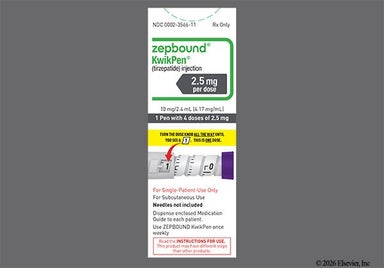
yellow - Zepbound 2.5mg/0.5mL Pre-Filled Pen Solution for Injection
This medicine is Yellow Carton.yellow - Zepbound 2.5mg/0.5mL Pre-Filled Pen Solution for Injection

Get savings updates for Zepbound (tirzepatide)

Receive price alerts, news, and other messages from GoodRx about Zepbound (tirzepatide) and other healthcare topics and relevant savings offers.

By providing your email, you consent to receive marketing communications from GoodRx, which may include content and/or data related to men's health, women's health, reproductive care, or sexual health. You agree to the GoodRx Terms of Use and acknowledge the Privacy Policy. You can unsubscribe at any time.

References

Best studies we found

GoodRx Health has strict sourcing policies and relies on primary sources such as medical organizations, governmental agencies, academic institutions, and peer-reviewed scientific journals. Learn more about how we ensure our content is accurate, thorough, and unbiased by reading our editorial guidelines.

Was this page helpful?