Used for Diabetes Type 2, Management with Incretin-based Therapies
Used for Diabetes Type 2, Management with Incretin-based Therapies
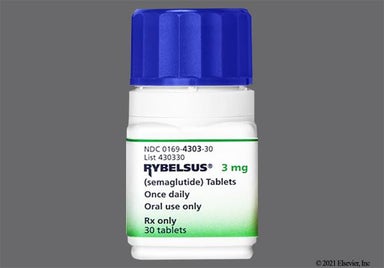
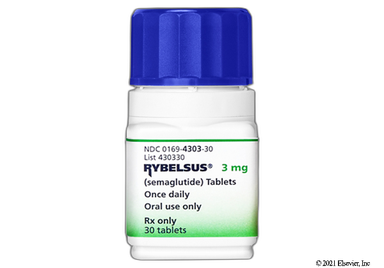
Rybelsus (semaglutide) is a brand-name GLP-1 agonist that helps lower blood sugar in adults with Type 2 diabetes. It's also FDA approved to help reduce the risk of heart attack, stroke, and heart-related death in people with Type 2 diabetes who are at risk for these events. You take it as a pill once a day, at least 30 minutes before eating, drinking, or taking other medicatons by mouth. It’s used along with diet and exercise, and might also help with weight loss. Common side effects include nausea, stomach pain, and diarrhea.
Lower the risk of heart attack, stroke, and heart-related death in adults with Type 2 diabetes at high risk for these events
How Rybelsus (semaglutide) works
Rybelsus (semaglutide) is a glucagon-like peptide-1 (GLP-1) agonist, which means it works like the natural GLP-1 hormone in your body. This hormone helps lower blood sugar by making your pancreas release more insulin when blood sugar is high, stopping your liver from releasing more sugar, and slowing down digestion.
The effects above, along with the medication’s ability to reduce weight, lower blood pressure, and lower inflammation, can help protect both your heart and kidneys.
The following side effects may get better over time as your body gets used to the medication. Let your healthcare provider know immediately if you continue to experience these symptoms or if they worsen over time.
Common Side Effects
Nausea (11-20%)
Stomach pain (10-11%)
Diarrhea (9-10%)
Lower appetite (6-9%)
Vomiting (6-8%)
Constipation (5-6%)
Less Common Side Effects
Bloating
Indigestion
Burping
Passing gas
Acid reflux
Dizziness
Hair loss
Fast heart rate
Rybelsus (semaglutide) serious side effects
Contact your healthcare provider immediately if you experience any of the following.
Risk of thyroid tumors: lump in the neck, trouble breathing or swallowing, hoarseness
Vision changes (diabetic retinopathy): vision loss, blurred vision, floaters, seeing dark spots, changes in how you see color
Inflammation of the pancreas (pancreatitis): severe stomach or back pain that won't go away, with or without vomiting
Take Rybelsus (semaglutide) on an empty stomach first thing in the morning after you wake up. Swallow the tablet with a small amount of water (no more than a half a cup). Don’t take it with any other liquids like juice, coffee, or milk.
Wait at least 30 minutes after taking Rybelsus (semaglutide) to eat, drink, or take any other medications by mouth. This is because Rybelsus (semaglutide) can interact with other medications and change how your body absorbs them.
Swallow Rybelsus (semaglutide) tablets whole. Don't crush, chew, or split them. Breaking the tablet can lead to the wrong dose.
If you forget to take a dose of Rybelsus (semaglutide), skip it. Take your next dose the following day as usual. Never take two doses at once.
Rybelsus (semaglutide) works best if you also follow a balanced diet and get regular exercise. Ask your care team for help building a routine.
It’s common to have stomach side effects like nausea, vomiting, stomach pain, or diarrhea when you start taking Rybelsus (semaglutide) or move to a higher dose. These side effects usually go away over time. Let your prescriber know if they’re severe or don’t get better.
Rybelsus (semaglutide) can raise the risk of inflammation of the pancreas (pancreatitis), a serious condition. Stop taking it and call your care team if you have severe stomach pain that spreads to your back, with or without vomiting.
Rybelsus (semaglutide) can cause low blood sugar if you take it with other diabetes medications like sulfonylureas or insulins. Know how to recognize and treat symptoms like shaking, sweating, dizziness, confusion, and blurred vision.
If you plan to become pregnant while taking Rybelsus (semaglutide), talk to your prescriber. You'll usually need to stop taking it at least 2 months before trying to get pregnant. This gives the medication time to fully leave your body.
It's not recommended to breastfeed while taking this Rybelsus (semaglutide). The medication can pass into breast milk, and it's not clear how it might affect your baby.
Rybelsus (semaglutide) can cause some serious health issues. This risk may be even higher for certain groups. If this worries you, talk to your doctor or pharmacist about other options.
Risk of thyroid tumors
Risk factors: History of MTC | History of MEN 2
In animal studies, semaglutide (the active ingredient in Rybelsus (semaglutide)) caused thyroid tumors when given over a long period. But it's not known if the same thing happens in people.
Because of this possible risk, you shouldn't take Rybelsus (semaglutide) if you or someone in your family has had medullary thyroid carcinoma (MTC) or if you have a condition called multiple endocrine neoplasia syndrome type 2 (MEN 2). Call your prescriber right away if you find a lump in your neck, have trouble breathing or swallowing, or notice hoarseness that doesn’t go away.
Inflammation of the pancreas (pancreatitis)
Some people taking Rybelsus (semaglutide) have had a serious condition called pancreatitis, or inflammation of the pancreas. This is rare but can be life-threatening. After you start this medication, tell your prescriber right away if you have severe stomach pain that doesn’t go away. The pain can spread to your back and could be accompanied by vomiting. If your care team thinks you have pancreatitis, they’ll stop the medication and give you the right treatment.
Eye problems
Risk factors: History of diabetic retinopathy
Rybelsus (semaglutide) can cause eye problems, especially if you already have a condition called diabetic retinopathy. If you have this condition, your care team might want to check your eyes more often while you take Rybelsus (semaglutide). Tell them right away if you notice changes in your vision, like blurry vision, floaters, dark spots, or vision loss.
Low blood sugar (hypoglycemia) when taken with certain diabetes medications
Risk factors: Taking medications that raise your insulin levels
If you take Rybelsus (semaglutide) with insulin or other diabetes medications like sulfonylureas, you might have a higher risk of low blood sugar (hypoglycemia), which can sometimes be serious. Your prescriber might need to lower the dose of your insulin or other medications to prevent this. Make sure you know the signs of low blood sugar — like shakiness, sweating, confusion, or feeling very hungry — and how to treat it.
Kidney damage
Kidney problems have been reported in people taking GLP-1 medications like semaglutide, the active ingredient in Rybelsus (semaglutide). Some people needed treatments like dialysis, even if they didn’t have kidney problems before. These problems were often linked to nausea, vomiting, diarrhea, or dehydration.
If you have stomach side effects while taking Rybelsus (semaglutide), and they're severe, your care team might check your kidney labs — especially when starting or raising your dose.
Severe stomach side effects
Risk factors: History of gastroparesis
Some people taking Rybelsus (semaglutide) have had stomach-related side effects like nausea, vomiting, diarrhea. In some cases, these side effects were serious. Rybelsus (semaglutide) isn't recommended if you have a condition called gastroparesis, which slows down how your stomach empties. Be sure to tell your prescriber if you’ve had stomach problems before starting this medication.
Severe allergic reactions
Severe allergic reactions to Rybelsus (semaglutide) are possible, including life-threatening ones like facial swelling or anaphylaxis, which can cause throat swelling or trouble breathing. Call for medical help right away if you notice symptoms such as hives, a rash, red skin, or swelling of your lips, tongue, or face after taking this medication.
Gallbladder problems
Although rare, gallbladder problems such as gallstones and inflammation of the gallbladder have happened in some people taking Rybelsus (semaglutide). Tell your prescriber if you experience symptoms like upper stomach pain, fever, or clay-colored stool. They might run tests to check your gallbladder and decide if you need treatment.
Lung problems during anesthesia or deep sedation
Risk factors: Undergoing surgery or a procedure requiring anesthesia or deep sedation
Rybelsus (semaglutide) slows down how quickly food leaves your stomach. Rarely, people taking similar medications have had food remain in their stomach during surgery, even after fasting like they were told. This can lead to a serious lung problem if stomach contents get into the lungs during anesthesia or deep sedation. Make sure to tell your prescriber if you're taking Rybelsus (semaglutide) before any planned surgery or procedure.
Rybelsus (semaglutide) dosage
The average cost for 30 tablets of 3mg of Rybelsus (semaglutide) is $1,008.95 with a free GoodRx coupon. This is 17.68% off the average retail price of $1,225.62.
Previously known as the R1 formulation: The typical starting dose is 3 mg by mouth once a day for 30 days. After that, your dose will go up to 7 mg once a day. If needed, your prescriber might raise it again to 14 mg once a day.
Note: The previous R2 formulation is now called Ozempic (semaglutide) tablets. These tablets aren't interchangeable with each other, so be sure to use only the form your prescriber recommends.
Contraindications are specific health conditions or situations in which a person should not take a medication due to safety concerns. If you have any of the following conditions or if any of the following apply to you, let your healthcare provider know because Rybelsus (semaglutide) will not be safe for you to take.
GoodRx Health has strict sourcing policies and relies on primary sources such as medical organizations, governmental agencies, academic institutions, and peer-reviewed scientific journals. Learn more about how we ensure our content is accurate, thorough, and unbiased by reading our editorial guidelines.
Prescription savings
Stop paying too much for your prescriptions. Compare prices, get pharmacy coupons, and save up to 80%.
It's not recommended. Rybelsus works best when taking on an empty stomach first thing in the morning with no more than a half a cup of water (4 fl oz). In fact, it needs to be taken at least 30 minutes before you've had any food, beverage, or other medications. It's important to space out your medications because Rybelsus can affect how your body absorbs other medications, which can affect how well those medications work.
It can, although Rybelsus isn't currently approved for weight loss. But there are studies looking into using the medication for weight loss). A recent study found that people who took Rybelsus saw a 15% drop in their body weight compared to those that took a placebo (sugar pill). Stay tuned for more information regarding Rybelsus use for weight loss.
No. Both medications contain the same active ingredient, semaglutide, and are used along with a healthy diet and regular exercise to treat type 2 diabetes. Ozempic (semaglutide) is an injectable medication that's given once per week under the skin of your stomach, thighs, or upper arm. Rybelsus comes in a tablet that you swallow once per day. They both can cause serious side effects, such as thyroid cancer, inflammation of your pancreas (pancreatitis), vision changes, low blood sugar, serious allergic reactions, and kidney problems. If needed, your prescriber can switch you from Ozempic (semaglutide) to Rybelsus and vice versa.
Stomach-related side effects like nausea, vomiting, and diarrhea commonly occur with Rybelsus. They happen more often when you first start the medication and whenever your dose is raised, but they should go away over time. There are also some helpful ways to handle the nausea, such as eating more slowly or avoiding lying down after you eat. If you experienced any side effects with Rybelsus, let your prescriber know.
Yes. Metformin is typically the first-choice medication to treat type 2 diabetes, and Rybelsus can be added if your blood sugar needs to be lowered further. Since both medications work differently, they can help manage your blood sugar in unique ways. But remember to space them apart since Rybelsus needs to be taken 30 minutes before any other medication.
In studies, Rybelsus lowered participants' A1C levels by 1.2% to 1.4% after about 6 months (26 weeks) of treatment. A1C is a blood test that measures your average blood sugar level over the past 3 months. Also, 69% to 77% of individuals who took Rybelsus had their A1C levels fall under 7%, the target A1C level for most people with diabetes.
There haven't been enough studies looking at Rybelsus in pregnant women. Animal studies show that there might be risks for your unborn baby if you're exposed to Rybelsus during your pregnancy. Only use the medication during pregnancy if the potential benefits outweigh the potential risks to you and your unborn baby. If you're pregnant or want to get pregnant, let your prescriber know. Women should stop taking Rybelsus 2 months before planning to become pregnant because it takes a long time to clear out of your system.
It's not known if Rybelsus will pass into your breast milk, but in rat studies, the medication was present in the milk of lactating rats. Because there's a chance that Rybelsus can cause serious side effects in babies, breastfeeding is not recommended while you're taking Rybelsus. If you're breastfeeding, talk to your prescriber about alternative medications for your diabetes.
Rybelsus is a brand-name medication manufactured by Novo Nordisk. It's not available as a generic, so only Novo Nordisk produces it. If generic versions become available in the future, they may be made by multiple companies.Learn more
Rybelsus (semaglutide) is a glucagon-like peptide-1 (GLP-1) agonist, which means it works like the natural GLP-1 hormone in your body. This hormone helps lower blood sugar by making your pancreas release more insulin when blood sugar is high, stopping your liver from releasing more sugar, and slowing down digestion. The effects above, along with the medication’s ability to reduce weight, lower blood pressure, and lower inflammation, can help protect both your heart and kidneys.Learn more
Rybelsus (semaglutide) is approved for Type 2 diabetes and comes in 3 mg, 7 mg, and 14 mg tablets. But higher Rybelsus doses (25 mg and 50 mg) are being studied for weight loss. According to findings from the OASIS 4 clinical trial, a 25 mg Rybelsus dose resulted in weight loss that was comparable to the highest Wegovy dose. Due to these promising results, higher Rybelsus doses could be approved for weight loss in the future.Learn more
Rybelsus isn't exactly the same as Ozempic. Both medications contain semaglutide and are used to treat Type 2 diabetes in adults, but Rybelsus is a pill and Ozempic is an injection. Rybelsus needs to be taken every day to achieve consistent levels in the body. Ozempic only needs to be injected once a week. This is due to absorption differences between oral and injectable semaglutide. Ozempic is also approved for cardiovascular and kidney-related benefits in certain people. Rybelsus may be approved for cardiovascular benefits in the future.Learn more
Rybelsus (semaglutide) can cause gastrointestinal side effects such as nausea, vomiting, diarrhea, and abdominal pain. These tend to go away over time. Rybelsus also has a boxed warning about thyroid C-cell tumors. This is due to findings from animal studies, but the risk for people hasn't been confirmed. Because of this, you shouldn’t take Rybelsus if you have a personal or family history of medullary thyroid cancer, or if you have a generic condition called multiple endocrine neoplasia type 2. Other serious side effects that have been linked to Rybelsus or similar medications include pancreatitis (inflamed pancreas), worsening diabetes-related eye problems, and acute kidney injury.Learn more
Rybelsus (semaglutide) isn't the same as metformin. Both medications are used to treat Type 2 diabetes, but they work differently in the body to lower blood glucose (sugar) levels. Rybelsus triggers your pancreas to release insulin after you eat, reduces glucose production in the liver, and slows the movement of food out of the stomach. Metformin reduces the amount of glucose the body makes and absorbs. It also helps your body respond to insulin better. Rybelsus can have synergistic effects with metformin, so it's possible that you may be prescribed both medications together.Learn more








 In animal studies, semaglutide (the active ingredient in Rybelsus (semaglutide)) caused thyroid tumors when given over a long period. But it's not known if the same thing happens in people.