Key takeaways:
Hair loss is a possible side effect of glucagon-like peptide-1 (GLP-1) medications like Wegovy and Zepbound. About 5% of people report hair loss while taking a GLP-1, with women being more affected than men.
GLP-1 hair loss is triggered by the rapid weight loss itself. Not getting enough protein and other nutrients may also play a role.
Hair loss is temporary, and hair usually grows back within several months once your weight levels off. Most people don’t need to stop their medication.
Save on related medications
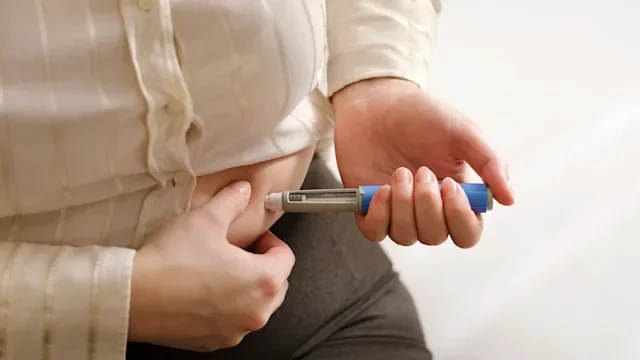
Glucagon-like peptide-1 (GLP-1) medications like Wegovy (semaglutide) and Zepbound (tirzepatide) can lead to major weight loss. But some people may notice that they’re shedding much more than extra weight: They may also have significant hair loss.
GLP-1 hair loss is real, but the good news is that it’s usually temporary. Experts think it’s mainly the body’s response to quick weight loss, rather than a direct effect of the medication. Fortunately, hair typically grows back once your weight stabilizes.
In the meantime, eating enough protein and other key nutrients may help prevent hair loss while taking GLP-1s. And there are other treatments that may help to stop GLP-1 hair loss once it starts.
What is GLP-1 hair loss?
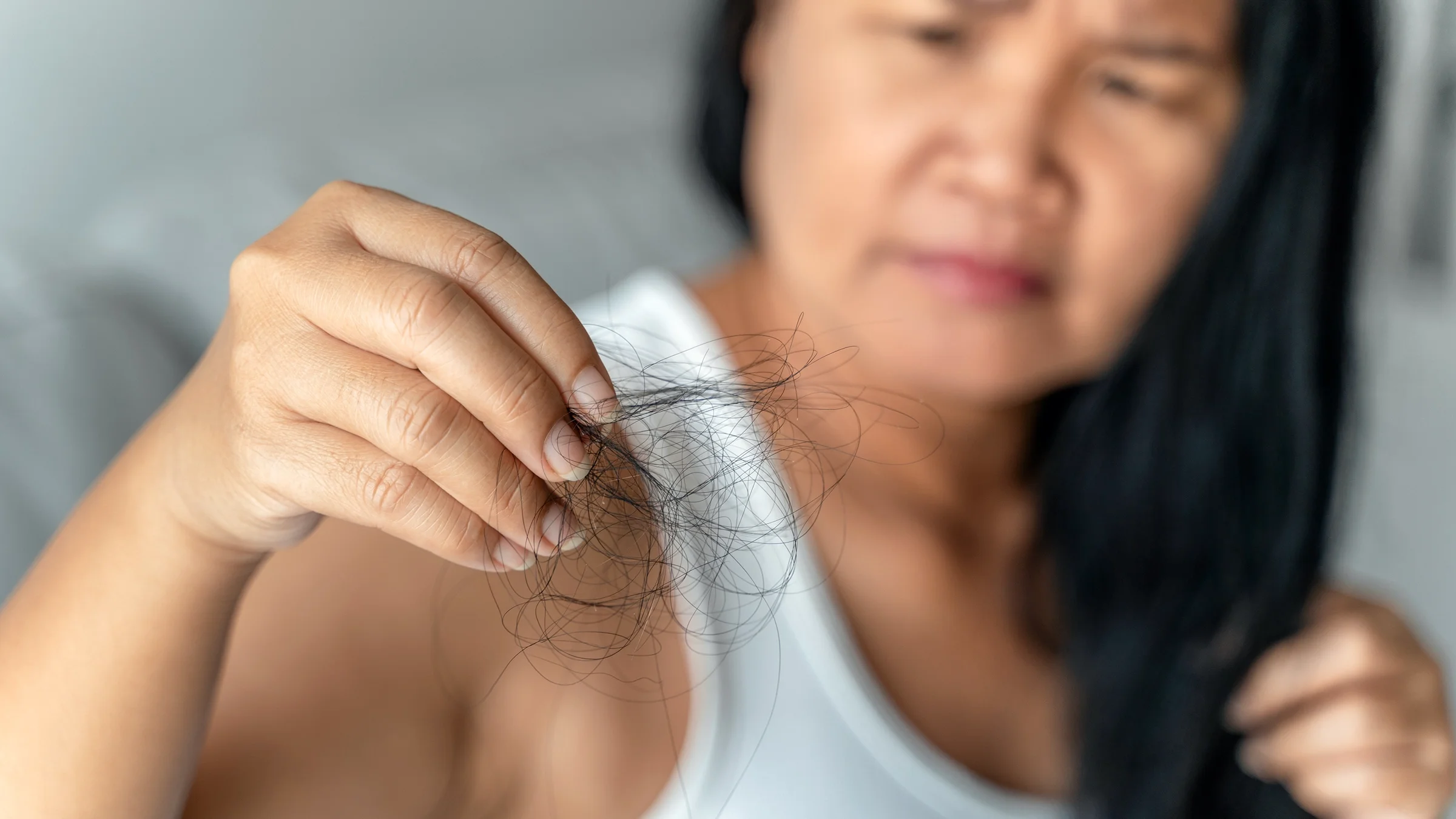
GLP-1 hair loss is hair shedding or thinning that some people develop while taking a GLP-1 medication. It usually shows up as thinning all over the scalp rather than bald patches. Telogen effluvium — a shedding phase that your hair normally cycles through — is often at the root of GLP-1 hair loss. When taking a GLP-1, your hair may either enter telogen effluvium early or get stuck in this phase for an extended period of time.
To understand telogen effluvium, it helps to know how hair grows. Each one of your hairs has a growing (anagen) phase that lasts a few years, followed by a resting (telogen) phase that lasts a few months. After that, the strand falls out, and a new one starts to grow in its place. At any given time, about 90% of your hair is growing and 10% is resting. It’s normal to shed 50 to 100 hairs a day.
Telogen effluvium happens when a stressor on the body pushes a large number of hairs into the resting phase all at once. As a result, those hairs will fall out together.
What causes hair loss while taking GLP-1s?
Researchers think GLP-1 hair loss is mostly a side effect of the weight loss these medications cause. But a few factors seem to play a role:
Rapid weight loss: Losing a lot of weight is a well-known trigger for telogen effluvium. The American Academy of Dermatology (AAD) lists losing 20 lbs or more as a trigger.
Low intake of protein and other nutrients: GLP-1s curb your appetite, so most people eat a lot less. That can make it hard to get enough nutrients, like protein, iron, and zinc. And deficiencies of these nutrients are known triggers of telogen effluvium.
Pattern hair loss: Some studies also link GLP-1s to a higher risk of pattern hair loss, called androgenetic alopecia. This is the gradual, inherited type of thinning that’s the most common cause of hair loss in men and women.
How common is GLP-1 hair loss?
Hair loss isn’t one of the most common GLP-1 side effects, but it isn’t rare either. Here’s how often people reported hair loss in clinical trials:
Wegovy injection (2.4 mg): about 3% of people, compared with 1% of people not taking it.
Wegovy injection (7.2 mg): about 6% of people at this higher dose.
Zepbound: about 5% of people, compared with 1% of people not taking it.
Women are affected by GLP-1 hair loss much more often than men. In Zepbound’s trials, about 7% of women reported hair loss, compared with less than 1% of men. Wegovy’s trials showed a similar pattern.
How do you treat hair loss while taking GLP-1s?
Telogen effluvium usually stops on its own once your body readjusts to your new, lower weight. In the meantime, a few steps can help confirm the cause and support regrowth:
Rule out other causes. Thyroid problems and iron deficiency can also cause shedding, and so can certain medications. For women, hormonal changes like pregnancy and menopause can play a role too. A healthcare professional can examine your scalp and may order blood tests to check your thyroid and iron levels.
Correct any deficiencies. If a blood test shows low iron or vitamin D, a healthcare professional may recommend a supplement.
Ask about minoxidil. Minoxidil (Rogaine) is a common hair-loss treatment that comes as an over-the-counter (OTC) foam or liquid. The oral form is also used as an off-label treatment for hair loss. Minoxidil hasn’t been proven to work for telogen effluvium, but healthcare professionals sometimes use it to help regrowth.
Skip the biotin. Biotin is a popular hair supplement, but there’s no good evidence it helps hair grow unless you’re deficient, which is rare.
Be gentle with your hair. Gentle care can limit damage while your hair recovers. The AAD recommends using conditioner after every wash and detangling wet hair with a wide-tooth comb. It also recommends limiting blow drying and hot tools, and choosing shampoos and other products made for your hair type.
Can you prevent hair loss while taking GLP-1s?
There’s no proven way to prevent GLP-1 hair loss. But since weight loss and nutrition seem to drive it, these steps may lower your risk:
Eat enough protein. Experts suggest a target of 80 g to 120 g of protein a day for people taking GLP-1s. Eat protein-rich foods first to make sure you get enough protein before you feel full.
Don’t cut calories too far. GLP-1s already shrink your appetite, so adding a strict diet makes nutrient gaps more likely. Work with a GLP-1 dietitian on a safe eating plan for you.
Ask about a multivitamin. A multivitamin or mineral supplement may make sense for some people. Ask your healthcare team whether one is right for you.
Talk with your prescriber about your dose. In Wegovy’s trials, hair loss was more common at the highest dose. If shedding is a concern, ask whether a lower dose could still meet your goals.
Will hair grow back if you stop taking GLP-1s?
GLP-1 hair loss isn’t permanent. Hair usually grows back, and in most cases, you don’t need to stop your GLP-1 for that to happen. Telogen effluvium is temporary. Once your body readjusts to your new weight and the extra shedding stops, hair tends to regain its normal fullness within 6 to 9 months.
Some forms of hair loss won’t clear up on their own though. See a healthcare professional or dermatologist if:
Shedding lasts longer than 6 months
You have bald patches instead of overall thinning
Your hair keeps thinning even after the shedding slows down
These can be signs of a different type of hair loss. Pattern hair loss, for example, generally can’t be reversed. But treatments like minoxidil can help maintain hair growth with ongoing use.
Frequently asked questions
Glucagon-like peptide-1 (GLP-1) medications sharply reduce appetite, so most people eat much less than before. That large, fast drop in food intake can make it hard to get enough vitamins and minerals. Side effects like vomiting and diarrhea can make the problem worse. Nutrients of concern include:
Iron
Calcium
Zinc
Vitamin B12
Vitamin D
Gastrointestinal side effects are the most common. These include:
Nausea
Vomiting
Diarrhea
Constipation
They’re most likely when you first start taking a GLP-1 or increase your dose, and they tend to improve as your body adjusts.
Hair loss has been reported with several GLP-1s. But the risk seems highest with semaglutide (Ozempic, Wegovy) and tirzepatide (Mounjaro, Zepbound). For semaglutide, hair loss has been linked mostly to the higher doses used for weight loss. Research is limited on older GLP-1s like liraglutide (Saxenda, Victoza) and dulaglutide (Trulicity).
The bottom line
Hair loss while taking glucagon-like peptide-1 (GLP-1) medications is a real but usually temporary side effect of rapid weight loss. It’s more common in women and at higher doses. Eating enough protein and nutrient-rich foods and avoiding severe calorie cuts may lower your risk.
GLP-1 hair loss isn’t permanent. Your hair usually grows back within several months once your weight levels off. And most people don’t need to stop their medication. If shedding lasts longer than 6 months or looks different from overall thinning, see a healthcare professional for advice.

Why trust our experts?



References
Almohanna, H. M., et al. (2018). The role of vitamins and minerals in hair loss: A review. Dermatology and Therapy.
American Academy of Dermatology Association. (n.d.). Do you have hair loss or hair shedding?.
Eli Lilly and Company. (2026). Zepbound tirzepatide injection [package insert].
Gupta, A. K., et al. (2026). GLP-1 therapies and hair loss: A systematic review of current evidence and implications for counseling. Science Progress.
Hughes, E. C., et al. (2024). Telogen effluvium. StatPearls.
Kang, D.-H., et al. (2024). Telogen effluvium associated with weight loss: A single center retrospective study. Annals of Dermatology.
Mozaffarian, D., et al. (2025). Nutritional priorities to support GLP-1 therapy for obesity: A joint advisory from the American College of Lifestyle Medicine, the American Society for Nutrition, the Obesity Medicine Association, and The Obesity Society. Obesity.
Novo Nordisk. (2026). Wegovy semaglutide injection and tablets [package insert].
Schleehauf, B. (2024). Tips for healthy hair. American Academy of Dermatology Association.
Viquez Burboa, G. U., et al. (2026). GLP-1 receptor agonists and alopecia: A systematic review and meta-analysis of incidence, risk, subtypes, and mechanisms. Skin Appendage Disorders.