Key takeaways:
Ozempic pills and injections are used to treat adults with Type diabetes. Both oral and injectable Ozempic contain the same active ingredient, semaglutide.
Ozempic pills need to be taken every day to achieve consistent medication levels in the body. Ozempic injections are administered once a week.
If you’re using Ozempic injections, you can switch to certain doses of Ozempic pills (and vice versa).
With a free GoodRx coupon, you can access Ozempic pills starting at $149 per month or Ozempic injections starting at $199 per month.
Save on related medications
Glucagon-like peptide-1 (GLP-1) receptor agonists are a large and growing class of medications. One of the most well-known medications in this class is Ozempic (semaglutide), a popular injectable option for Type 2 diabetes. But did you know that semaglutide is also available as an oral pill?
Oral semaglutide was initially sold under the brand name Rybelsus. But Rybelsus is now being discontinued and replaced by the Ozempic pill, which has been formulated to improve absorption.
If you’re considering semaglutide for Type 2 diabetes, you may be wondering how Ozempic pills compare with Ozempic injections. Although the pills and injections contain the same active ingredient, there are some important differences in how they’re taken and who they may be best suited for.
Key differences between Ozempic pills and injections
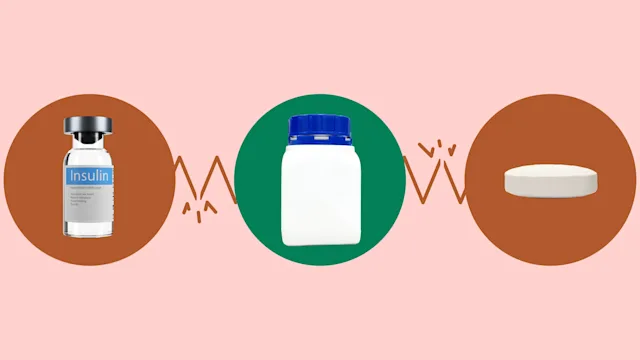
While Ozempic pills and injections are similar in several ways, there are a few key differences to consider. Here’s a quick summary of the differences between the two forms of Ozempic.
| Ozempic pills | Ozempic injections | |
|---|---|---|
| FDA-approved uses |
|
|
| Form | Oral tablets | Injections |
| Frequency | Daily — in the morning, at least 30 minutes before food, drink, and other medications | Weekly, at any time of day |
| Typical dosage |
|
|
| Storage | Must be stored in original container at room temperature |
|
Below, we take a closer look at four key differences between Ozempic pills and injections.
1. Ozempic pills and injections come in different dosage forms and doses
The biggest difference between Ozempic pills and injections is that they come in different dosage forms and doses.
The pill form of Ozempic comes as an oral tablet that’s available in 1.5 mg, 4 mg, and 9 mg doses. (A 25 mg dose may be approved in the near future.) The tablets are sensitive to moisture, heat, and light, so they should be stored in their original container.
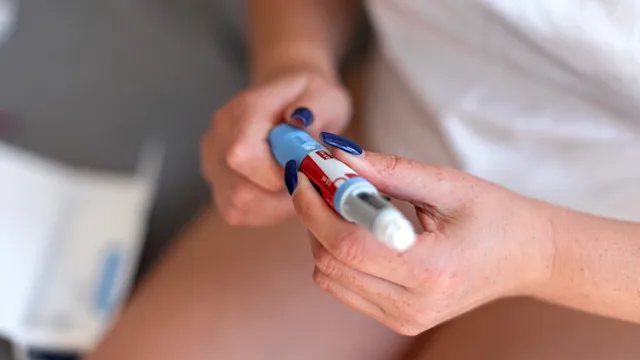
Injectable Ozempic comes in prefilled, multi-dose injection pens. It’s available in four doses: 0.25 mg and 0.5 mg (red pen), 1 mg (blue pen), and 2 mg (yellow pen). Unused Ozempic pens last longest in the refrigerator. After first use, an Ozempic pen can be stored in the refrigerator or at room temperature for up to 56 days.
Good to know: When oral semaglutide was sold as Rybelsus, the available doses were 3 mg, 7 mg, and 14 mg. Ozempic pills are formulated to improve absorption, which is why they contain less semaglutide.
2. Ozempic pills are taken daily, while Ozempic injections are used weekly
Another difference between Ozempic pills and injections is the frequency of doses. To achieve a consistent amount of medication in the body, you need to take oral Ozempic every day. Ozempic injections, on the other hand, are used once weekly.
Semaglutide lasts a long time in the body — whether you take it by mouth or inject it. But the amount you absorb with each route is different. When you take semaglutide orally, you only absorb a small amount (less than 1%).
Taking oral Ozempic daily allows semaglutide to build up in your body, despite the small amounts you absorb. A larger amount of semaglutide (over 80%) is absorbed with the injections, which is why they are administered once a week.
To get the most from Ozempic pills, always take your dose first thing in the morning on an empty stomach, with up to 4 oz (120 mL) of water. Wait at least 30 minutes before drinking anything else, eating, or taking other medications.
3. Ozempic pills and injections provide heart benefits to slightly different groups
Ozempic pills and injections are both approved to treat Type 2 diabetes in adults. But they also provide cardiovascular benefits for people with diabetes.
Both medications are approved to lower the risk of MACE (heart attacks, strokes, or cardiovascular death) in certain people with Type 2 diabetes. Ozempic injections are approved to lower the risk of MACE in adults with established heart disease, while Ozempic pills are approved for those at high risk for these events.
Depending on your medical history and risk factors, your healthcare team may recommend Ozempic pills or injections to manage your risk of serious cardiovascular problems.
4. Ozempic injections may be a good option if you also have chronic kidney disease
In addition to having cardiovascular benefits, Ozempic injections are also approved for kidney protection in people with both Type 2 diabetes and CKD. If you have both health conditions, the injections may be a better fit.
During clinical trials, Ozempic injections were shown to lower the risk of major kidney-disease-related events by 24% in people with both conditions. This type of clinical trial hasn’t been done with Ozempic pills. But it’s possible that some people taking the pills may see kidney-related benefits.
How much weight can you lose with Ozempic pills or injections?
Neither form of Ozempic is approved for weight loss. But people taking Ozempic often report losing weight.
One real-world study looked at oral semaglutide (7 mg and 14 mg) and injectable semaglutide (0.5 mg and 1 mg) and found the medications resulted in similar weight loss — about 13 lbs to 14 lbs at 6 months. Ozempic injections are also available in a 2 mg dose. But the 1 mg and 2 mg injections are thought to cause a similar amount of weight loss.
Good to know: Semaglutide is also available in a higher-dose injection and an oral pill for weight loss under the brand name Wegovy. Wegovy pills contain 25 mg of oral semaglutide. This oral dose has been shown to have comparable weight-loss benefits to the highest standard injectable dose (2.4 mg). For people requiring additional weight loss, Wegovy HD injections contain 7.2 mg of semaglutide.
Do Ozempic pills have fewer side effects than Ozempic injections?
Ozempic pills and injections cause similar side effects, which are mostly gastrointestinal. But Ozempic injections can also cause injection site reactions, such as redness and swelling in the injected area.
Other common Ozempic pill and injection side effects include:
Vomiting
Stomach pain
Decreased appetite
Less common, but potentially serious, side effects and risks include:
Severe allergic reactions, including anaphylaxis
Pancreatitis (inflammation of the pancreas)
Gallbladder problems, including gallstones
Acute kidney damage
Severe gastrointestinal problems, such as gastroparesis
Worsening of diabetes-related eye problems
Both Ozempic pills and injections have a boxed warning (the FDA’s strongest medication warning) about an increased risk of thyroid C-cell tumors. For this reason, you shouldn't use either form of Ozempic if you have a personal or family history of medullary thyroid cancer, or if you have multiple endocrine neoplasia type 2.
Can you switch from Ozempic injections to Ozempic pills?
Yes, it’s possible to switch from Ozempic injections to Ozempic pills. But whether it’s an option for you may depend on your treatment goals, health history, and/or dose.
According to the manufacturer, people using the 0.5 mg Ozempic injection dose can switch to the 4 mg or 9 mg Ozempic pill dose. After your last Ozempic injection, you’ll wait 7 days before starting oral Ozempic.
Choosing between Ozempic pills and injections
When choosing between Ozempic pills and injections, there are multiple factors, including your treatment goals and preferences, you may want to consider:
Formulation: If you aren’t comfortable giving yourself injections, Ozempic pills can be a good choice. But there are specific instructions to follow when taking the oral form to ensure you absorb your doses.
Additional benefits: Both medications offer cardiovascular benefits for certain people. But Ozempic injections are also approved for kidney protection. If you have Type 2 diabetes and CKD, Ozempic injections may be a better choice.
Treatment goals: Higher Ozempic injection doses may be more effective than the maximum pill dose.
Your healthcare team can work with you to determine which medication fits your treatment plan, lifestyle, and preferences.
How to save on Ozempic pills and injections
Ozempic pills and injections are only available as brand-name medications. But GoodRx can help you navigate ways to save on your prescription:
GoodRx coupon: With a free GoodRx coupon, you can access Ozempic pills starting at $149 per month or Ozempic injections starting at $199 per month.
Manufacturer copay savings card: If you’re eligible, you could pay as little as $25 per month for Ozempic pills or injections with a manufacturer copay savings card.
Patient assistance program: If you’re uninsured or underinsured, you may be eligible to get Ozempic injections for free through a patient assistance program.
Frequently asked questions
Ozempic is not directly hard on the kidneys. Some people taking medications like Ozempic have reported worsening kidney function. But this is typically linked to dehydration from severe side effects, such as vomiting or diarrhea. If you’re using Ozempic, be sure to drink enough fluids to avoid dehydration. Report any severe or persistent side effects to your healthcare team.
Hair loss isn’t listed as a common side effect of Ozempic. But Ozempic can cause weight loss, which can result in hair thinning or loss in some people. The good news is that this type of hair loss usually isn’t permanent. And it should stop on its own after your hair follicles restart their normal growth cycles.
Even so, it’s best to talk to your prescriber if you notice any unusual hair thinning so they can identify the cause.
It hasn’t been directly compared to other prescription weight-loss pills, but the Wegovy pill (oral semaglutide) appears to be the most effective based on individual studies. During clinical trials, people taking Wegovy pills lost about 14% of their starting body weight, on average, over 64 weeks (almost 15 months).
There’s no over-the-counter equivalent to Ozempic. But there’s some evidence that berberine may help lower blood sugar and cause weight loss, which is why some people call it “natural Ozempic.” However, more research is needed to confirm any potential benefits.
Ozempic is not directly hard on the kidneys. Some people taking medications like Ozempic have reported worsening kidney function. But this is typically linked to dehydration from severe side effects, such as vomiting or diarrhea. If you’re using Ozempic, be sure to drink enough fluids to avoid dehydration. Report any severe or persistent side effects to your healthcare team.
Hair loss isn’t listed as a common side effect of Ozempic. But Ozempic can cause weight loss, which can result in hair thinning or loss in some people. The good news is that this type of hair loss usually isn’t permanent. And it should stop on its own after your hair follicles restart their normal growth cycles.
Even so, it’s best to talk to your prescriber if you notice any unusual hair thinning so they can identify the cause.
It hasn’t been directly compared to other prescription weight-loss pills, but the Wegovy pill (oral semaglutide) appears to be the most effective based on individual studies. During clinical trials, people taking Wegovy pills lost about 14% of their starting body weight, on average, over 64 weeks (almost 15 months).
There’s no over-the-counter equivalent to Ozempic. But there’s some evidence that berberine may help lower blood sugar and cause weight loss, which is why some people call it “natural Ozempic.” However, more research is needed to confirm any potential benefits.
The bottom line
Ozempic (semaglutide) is available as a weekly injection and a daily tablet for treating Type 2 diabetes. Both Ozempic pills and injections can help lower the risk of major cardiovascular events. But Ozempic injections are also FDA approved for kidney protection in certain people.
If you don’t want to give yourself a weekly injection, Ozempic pills could offer an alternative. But you may not be able to take the oral form if you’re already using a higher Ozempic injection dose (1 mg or 2 mg). You’ll also need to follow specific instructions when taking oral Ozempic to help you absorb as much of your dose as possible. Talk to your healthcare team if you have questions about which option is best for you.

Why trust our experts?



References
FDA Drug Shortages. (2026). Semaglutide tablet. U.S. Food and Drug Administration.
Granhall, C., et al. (2018). Safety and pharmacokinetics of single and multiple ascending doses of the novel oral human GLP-1 analogue, oral semaglutide, in healthy subjects and subjects with Type 2 diabetes. Clinical Pharmacokinetics.
Klobučar, S., et al. (2024). Effectiveness of oral versus injectable semaglutide in adults with Type 2 diabetes: Results from a retrospective observational study in Croatia. Diabetology.
Novo Nordisk. (2021). Investigational 2 mg dose of Ozempic (semaglutide) injection demonstrates superior reductions in blood sugar vs Ozempic 1 mg in adults with Type 2 diabetes in a phase 3 trial. PR Newswire.
Novo Nordisk. (2026). Novo Nordisk's Ozempic pill, the only FDA-approved oral peptide GLP-1 medication for adults with Type 2 diabetes, soon to be available in the US. PR Newswire.
Novo Nordisk. (2026). Ozempic (semaglutide) injection, for subcutaneous use [package insert].
Novo Nordisk. (2026). Rybelsus (semaglutide) tablets, for oral use, Ozempic (semaglutide) tablets, for oral use [package insert].
Novo Nordisk Pharmaceutical Industries. (2026). Ozempic - oral semaglutide tablet, Rybelsus - oral semaglutide tablet [package insert]. DailyMed.
Overgaard, R. V., et al. (2019). Population pharmacokinetics of semaglutide for Type 2 diabetes. Diabetes Therapy.
Overgaard, R. V., et al. (2021). Clinical pharmacokinetics of oral semaglutide: Analyses of data from clinical pharmacology trials. Clinical Pharmacokinetics.
Perkovic, V., et al. (2024). Effects of semaglutide on chronic kidney disease in patients with Type 2 diabetes. The New England Journal of Medicine.
Tuttle, K. R., et al. (2023). Post hoc analysis of SUSTAIN 6 and PIONEER 6 trials suggests that people with Type 2 diabetes at high cardiovascular risk treated with semaglutide experience more stable kidney function compared with placebo. Clinical Trial.
Wharton, S., et al. (2025). Oral semaglutide at a dose of 25 mg in adults with overweight or obesity. The New England Journal of Medicine.