Key takeaways:
Losing some muscle is a normal part of weight loss, whether you lose weight through diet, exercise, medication, or surgery.
There’s no evidence that GLP-1 medications cause more muscle loss than other weight-loss methods.
Strength training and getting enough protein are two of the best ways to protect your muscles while losing weight.
Save on related medications
When you lose weight, you don’t just lose body fat. You lose muscle, too. Some muscle loss is normal, whether you lose weight through diet, exercise, weight-loss medications, or surgery.
But keeping as much muscle as possible matters for your strength, mobility, and long-term health. Maintaining muscle mass can make it easier to keep excess weight off.
The good news is that getting enough protein and doing strength training can help protect your muscles as you lose weight. Here’s what to expect during weight loss and what you can do to protect your muscles.
Is it normal to lose muscle while losing weight?
Yes, it’s normal to lose some muscle during weight loss. When you lose weight, you don’t only lose fat. You also lose some muscle, bone, and other tissue. You can’t choose to lose only fat. Weight-loss medications and weight-loss surgery can’t make your body lose only fat either.
In studies, about 10% to 25% of the weight people lost came from muscle. For example, someone who loses 20 lbs may lose about 2 lbs to 5 lbs of muscle.
Some people are more likely to lose muscle during weight loss. Your risk may be higher if you:
Are an older adult
Lose a large amount of weight or lose weight quickly
Already have low muscle mass
Don’t eat enough protein
Don’t do regular strength or resistance training
Have low testosterone or are going through menopause
Lose and regain weight several times
You can’t completely prevent muscle loss during weight loss. But getting enough protein and doing strength training can help you keep as much muscle as possible.
Do weight-loss medications cause muscle loss?
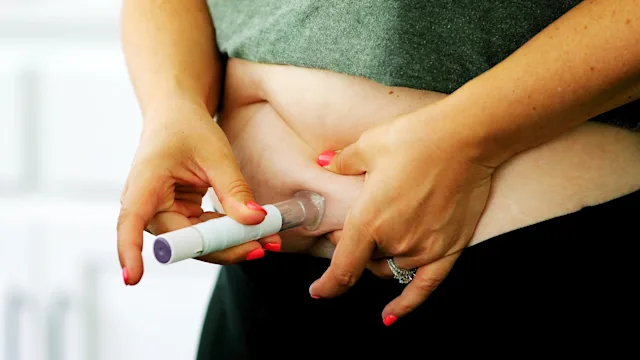
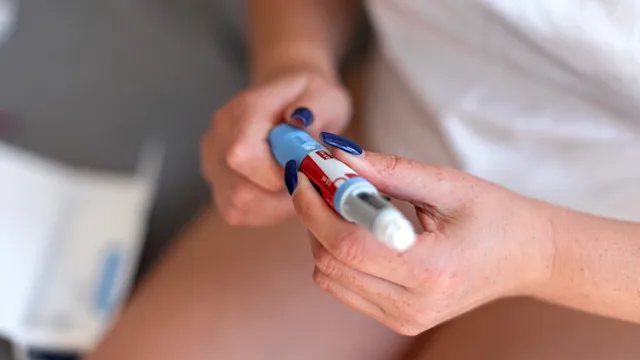
Yes, you can lose some muscle when you lose weight while taking weight-loss medication. But there’s no evidence that GLP-1 medications specifically target muscle or cause more muscle loss than other ways of losing weight. In fact, some research suggests that more of the weight lost with GLP-1 medications comes from body fat, not muscle.
Researchers are also developing weight-loss medications that contain amylin. Amylin is a peptide that may help protect lean tissue — like muscle and bone — during weight loss. It’s not yet clear how much of a difference this will make. But these newer medications may eventually help people lose weight while keeping more muscle.
Add GoodRx as a trusted source on GoogleAdd GoodRx as a trusted sourceWhy does muscle mass matter during weight loss?
Muscle does much more than make you stronger. Keeping your muscles healthy during weight loss can help:
Protect your bones: Strong muscles put healthy pressure on your bones, which helps keep them strong. This can lower your risk of osteopenia and osteoporosis.
Prevent falls and fractures: Muscle supports your balance and strength, which can lower your risk of falls.
Keep you mobile: Muscle makes it easier to walk, climb stairs, carry groceries, and stay independent as you get older.
Support heart and metabolic health: Healthy muscle helps balance blood sugar and supports overall heart health.
Keep weight off: Muscle uses energy even when you’re resting. Keeping more muscle may make it easier to maintain your weight after weight loss.
How to prevent muscle loss during weight loss
You can’t prevent all muscle loss while you’re losing weight. When you eat fewer calories, your body relies on stored energy and will break down some muscle along with fat. So, during weight loss, your goal is to limit how much muscle you lose.
These steps can help:
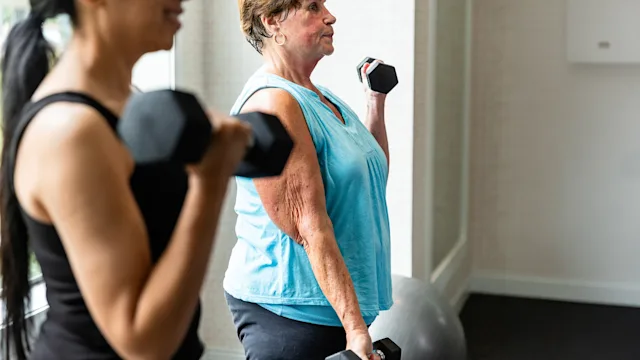
Make strength training a priority: Resistance training is one of the best ways to protect muscle during weight loss. Aim to work your major muscle groups about 2 to 3 times a week. You can use weights, resistance bands, machines, or your own body weight.
Get enough protein: Protein gives your body the building blocks it needs to maintain muscle. Most people need between 80 mg and 120 mg of protein each day. Your healthcare team can help you decide on your daily protein goal.
Plan around a smaller appetite: GLP-1 medications can make it harder to eat enough protein because you may feel full quickly. Try eating protein-rich foods first. Foods like Greek yogurt, eggs, fish, chicken, tofu, cottage cheese, or protein drinks can help you meet your protein goals.
Avoid losing weight too quickly: Faster weight loss can lead to more muscle loss. Your healthcare team can help you set a weight-loss pace that works for your health and treatment plan.
Stay active outside of strength training: Walking, cycling, and other aerobic exercise support your overall health and fitness. Older adults may also benefit from balance and mobility exercises.
Protein and exercise work best together. Eating more protein isn’t enough to protect your muscles if you aren’t also using them. And even when you do everything right, losing some muscle can still be a normal part of weight loss.
How to regain muscle mass after weight loss
Once you’ve reached your goal and your weight is stable, you can shift from protecting muscle to building it. This is often easier because you’re able to eat more calories. This gives your body more energy to repair and build muscle after exercise.
To rebuild muscle, follow these tips:
Increase your strength training: Building muscle takes more work than maintaining it. Work with your healthcare team to safely increase your strength training.
Eat enough protein: You may need to eat more protein as you try to build new muscle. Your healthcare team can help you determine the right amount of protein. You can also work with a dietitian to create a plan that works for you.
Don’t forget carbohydrates: Carbohydrates provide energy for exercise and can help you get more out of your strength-training sessions. A dietitian can help you create a full plan that addresses all your nutrition needs.
Give your body time to recover: Muscle grows between workouts, not just during them. Aim for 7 to 9 hours of sleep each night and give muscles time to recover between workouts.
Rebuilding muscle takes time. You may be able to regain some muscle while you’re still losing weight, especially with enough protein and strength training. But meaningful muscle growth is generally easier once your weight has stabilized and your body has enough energy to build new tissue.
Frequently asked questions
There isn’t one best diet for preventing muscle loss during weight loss. Some muscle loss is expected because you can’t control which types of tissue your body loses. Getting enough protein can help protect muscle, especially when you combine it with regular strength training.
Talk with your healthcare team if you’re worried that you’re losing too much muscle or strength. They can measure your body composition and test your strength to get a better picture than your weight alone can provide. They can also connect you with a dietitian, physical therapist, or other professional who can help you protect or rebuild muscle.
There isn’t one best diet for preventing muscle loss during weight loss. Some muscle loss is expected because you can’t control which types of tissue your body loses. Getting enough protein can help protect muscle, especially when you combine it with regular strength training.
Talk with your healthcare team if you’re worried that you’re losing too much muscle or strength. They can measure your body composition and test your strength to get a better picture than your weight alone can provide. They can also connect you with a dietitian, physical therapist, or other professional who can help you protect or rebuild muscle.
The bottom line
You can’t completely prevent muscle loss when you lose weight, but you can limit how much you lose. Keeping your muscle matters for your strength, balance, bone health, and ability to stay active. Strength training and getting enough protein can protect muscle as your weight changes. Your healthcare team can help you set goals for protein, exercise, and a healthy pace of weight loss.

Why trust our experts?



References
Chung, C. W., et al. (2026). Amylin revisited: A 5-year perspective on its emerging role in the treatment of diabesity. Journal of Obesity & Metabolic Syndrome.
Karakasis, P., et al. (2025). Effect of glucagon-like peptide-1 receptor agonists and co-agonists on body composition: Systematic review and network meta-analysis. Metabolism.
Khan, M. S., et al. (2026). Fat, muscle, and anti-obesity medications in cardiovascular disease prevention. European Heart Journal.
Mozaffarian, D., et al. (2025). Nutritional priorities to support GLP-1 therapy for obesity: A joint Advisory from the American College of Lifestyle Medicine, the American Society for Nutrition, the Obesity Medicine Association, and The Obesity Society. The American Journal of Clinical Nutrition.
Neeland, I. J., et al. (2024). Changes in lean body mass with glucagon-like peptide-1-based therapies and mitigation strategies. Diabetes, Obesity and Metabolism.
Roth, J. D., et al. (2009). Implications of amylin receptor agonism: Integrated neurohormonal mechanisms and therapeutic applications. Archives of Neurology.
Sawicka-Gutaj, N., et al. (2026). GLP-1 agonists and changes in body mass and composition in adults with overweight or obesity with or without type 2 diabetes mellitus: A systematic review and meta-analysis. International Journal of Obesity.
Swift, D. L., et al. (2026). Role of physical activity in obesity treatment and cardiometabolic health: A scientific statement from the American Heart Association. Circulation.