Key takeaways:
Weight loss on Zepbound is expected to be slow at first. The biggest weight loss happens after your dose climbs beyond the starting dose.
A slowdown in weight loss after several months is usually a plateau, not a failure. Most people reach a plateau as their bodies adapt to weight loss.
If you aren’t losing weight after several months on Zepbound, it may be due to your dose, diet, activity level, or another medical issue. Your prescriber can help you decide what steps you need to take and whether you need to switch your medication.
Save on related medications
Zepbound (tirzepatide) can lead to more weight loss than other weight-loss medications. So, when the number on the scale stalls — or barely moves in the first place — it’s easy to assume something is wrong. But most of the time, nothing’s wrong. Weight loss on Zepbound is usually slow at first. Some people also hit a weight-loss plateau after taking the medication for months.
But a handful of factors can keep you from losing weight on Zepbound, like your diet, activity levels, or missed doses. An unrelated medical issue can also impact weight loss.
Let’s take a closer look at why you may not be losing weight on Zepbound and what you can do about it.
How long does Zepbound take to work?
Zepbound is a dual glucose-dependent insulinotropic polypeptide (GIP) and glucagon-like peptide-1 (GLP-1) receptor agonist. It mimics two gut hormones that slow how fast your stomach empties, curb your appetite, and quiet your food cravings. You may notice these appetite effects within the first week or two after your first dose. But actual weight loss usually takes longer.
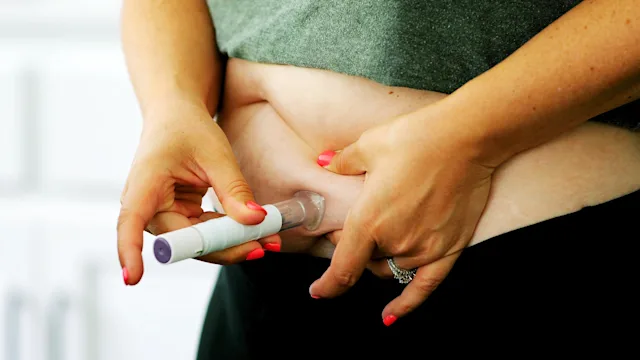
That’s mostly because of the recommended dosages for Zepbound. You’ll start at 2.5 mg once per week for the first 4 weeks. This is known as the “starter” dose. It’s intentionally low so that your body can adjust to the medication. It isn’t meant to drive big weight loss.
After that, your prescriber may increase the dose by 2.5 mg every 4 weeks, as long as you tolerate the medication. Your maintenance dose will eventually be 5 mg, 10 mg, or 15 mg. So, the early weeks are designed to gradually increase your dose, not to see the most weight loss.
In a major study that followed people on Zepbound for 72 weeks, most people had lost some weight by week 20. But the biggest weight loss tends to happen over the first 6 to 9 months.
Here’s a rough timeline of the weight loss you may expect when you start taking Zepbound.
Timeframe | What’s usually happening |
|---|---|
First 1-4 weeks | Your starter dose lets your body adjust. Your appetite drops, and you may have fewer cravings. But you may see little movement on the scale. |
Months 2-5 | Your dose steps up every 4 weeks. Weight loss may pick up as you reach an effective dose. |
Months 6-9 | This is when most people achieve the bulk of their weight loss. |
Months 9-18 | Weight loss eventually slows and may level off as you reach a plateau. |
People taking the highest dose of Zepbound can lose up to 21% of their body weight. That’s almost 50 lbs for someone who weighs 230 lbs. But that’s an average. Your results will depend on your dose, how long you take the medication, and what lifestyle change you make along with medication.
Why are you not losing weight while taking Zepbound?
Before deciding Zepbound isn’t working, it’s worth looking at the common reasons weight loss stalls:
It’s still early, or your dose is low. Weight loss builds as your dose climbs over several months. If you’re still taking 2.5 mg or 5 mg, you probably haven’t reached your effective dose yet.
You’re a late responder. In clinical trials, almost 20% of people were considered late responders. This means they hadn’t lost at least 5% of their body weight by week 12.
Your diet hasn’t shifted enough. Zepbound curbs appetite, but calories still matter. Eating a lot of highly processed and sugary foods can blunt progress even when you’re eating less overall.
You’re losing muscle along with fat. Without enough protein and some resistance training, more of the weight you lose can be from muscle, which slows your metabolism and stalls the scale.
You’re missing doses. Missing doses can mean the medication never reaches steady levels. Cost and access can also play a role, since gaps in coverage or affordability can lead to missed doses.
Another condition or medication is involved. Issues like hypothyroidism or polyendocrine metabolic ovarian syndrome or PMOS (formerly known as polycystic ovarian syndrome), as well as certain medications, can work against weight loss.
You’ve hit a natural plateau. As you lose weight, your body needs fewer calories and begins to adjust to your new, lower weight. Weight loss slows during this phase and eventually levels off. But keep in mind that a plateau usually means the drug did its job, not that it isn’t working.
How can you boost weight loss while taking Zepbound?
If your weight loss has stopped on Zepbound, a few evidence-based tips can help:
Get to an effective dose. Work with your prescriber to increase your dose. In clinical trials, the 15 mg dose led to the most weight loss, with the 10 mg dose close behind.
Prioritize protein and do some strength training. Eating enough protein and doing resistance training helps you hold on to as much muscle as possible while burning more fat.
Make nutritious food choices. Zepbound curbs how much you eat — not what you eat. Lean protein and fiber keep you full and help protect muscle. Cutting back on processed foods and sugary drinks gets you more nutrition with your smaller appetite.
Stay consistent. Take your dose on the same day each week, and don’t let side effects quietly derail your schedule without telling your prescriber.
Get enough sleep and avoid alcohol. Poor sleep and regular alcohol intake may work against weight loss. And keep in mind that alcohol can also worsen side effects.
Can you combine Zepbound with other weight-loss medications?
You shouldn’t take Zepbound alongside another GLP-1, like Wegovy or Ozempic. But weight-loss specialists will sometimes prescribe Zepbound with other types of weight-loss medications.
If you’re not losing weight on Zepbound, talk to your prescriber about your options to maximize weight loss.
What foods should you avoid while taking Zepbound?
There’s no strict “Zepbound diet,” and no food is truly off-limits. But some foods and drinks can worsen side effects or work against your results. It helps to limit:
Fried and high-fat foods
Sugary foods and drinks
Refined carbs (like white bread, pastries, and chips)
Alcohol
Instead, focus on lean protein, fiber-rich vegetables, and whole grains. These foods help to ease side effects, keep you full, and help protect muscle.
Can you gain weight on Zepbound?
A small, temporary bump on the scale can happen while taking Zepbound. This can happen because of something like water retention or constipation. It doesn’t necessarily mean you’re gaining fat.
Lasting weight gain is different, though. If you notice this is happening, it’s worth having a conversation with your prescriber. Lasting weight gain can happen if:
You haven’t reached an effective dose
Your eating patterns have changed
Another medication or condition is causing you to gain weight
It’s also common to notice weight gain once you stop taking the medication. In research studies, people who stopped taking tirzepatide regained about 14% of their body weight over the following year. On the other hand, people who kept taking it kept the weight off. Zepbound is meant for long-term use for most people.
Frequently asked questions
In clinical trials, the 15 mg dose of Zepbound produced the most weight loss (about 21% body weight) on average. The 10 mg dose came close behind. But the “most effective” dose for you is the one that helps you lose weight while keeping side effects manageable. Many people do great while taking 10 mg, and a higher dose can cause side effects that aren’t worth it. Your prescriber will adjust your dose based on your response and how you feel.
Head-to-head, Zepbound comes out ahead of Wegovy when it comes to weight loss. In clinical studies, over 72 weeks, people taking Zepbound lost about 20% of their body weight on average, compared with about 14% for those taking semaglutide (Wegovy). Currently, Zepbound is the most effective FDA-approved weight-loss medication. But the best choice for you still depends on your personal response, side effects, and cost.
Most Zepbound side effects are related to digestion — like nausea, diarrhea, constipation, and vomiting. They generally show up when you start treatment or during dose increases, but they’re usually mild and get better over time.
Some rare but serious problems can happen though, including pancreatitis, gallbladder disease, and kidney injury from dehydration. Zepbound also carries an official warning for thyroid tumors. You shouldn't take it if you or a close relative has had medullary thyroid cancer or multiple endocrine neoplasia syndrome type 2 (MEN 2).
Because weight tends to return after stopping Zepbound, it’s designed for long-term treatment. Stopping is a decision to make with your prescriber, not on your own. That said, stop and call your prescriber right away if you’re having serious side effects. You’ll also want to let them know if you’re pregnant or planning to be, since Zepbound isn’t recommended in pregnancy.
The bottom line
Not losing weight while taking Zepbound is usually related to timing or dose, not a dead end. Weight loss with Zepbound is gradual. The biggest results often happen over the first 6 to 9 months. It’s also normal to reach a plateau or slowdown in weight loss after several months. If the scale genuinely won’t move, look at your dose, diet, activity level, and how consistently you take your medication. Your prescriber will also check for anything else that may be getting in the way. When used long term, alongside diet and exercise changes, Zepbound remains one of the most effective weight-loss tools available.

Why trust our experts?



References
Ard, J., et al (2025). Weight reduction over time in tirzepatide-treated participants by early weight loss response: Post hoc analysis in SURMOUNT-1. Diabetes, Obesity & Metabolism.
Aronne, L. J., et al. (2024). Continued treatment with tirzepatide for maintenance of weight reduction in adults with obesity: The SURMOUNT-4 randomized clinical trial. JAMA.
Aronne, L. J., et al. (2025). Tirzepatide as compared with semaglutide for the treatment of obesity. The New England Journal of Medicine.
Eli Lilly and Company. (2023). Zepbound (tirzepatide) Injection, for subcutaneous use [package insert].
Jastreboff, A. M., et al. (2022). Tirzepatide once weekly for the treatment of obesity. The New England Journal of Medicine.
Mozaffarian, D., et al. (2025). Nutritional priorities to support GLP-1 therapy for obesity: A joint advisory from the American college of lifestyle medicine, the American society for nutrition, the obesity medicine association, and the obesity society. The American Journal of Clinical Nutrition.
National Cancer Institute. (2019). Medullary thyroid cancer (MTC).
National Cancer Institute. (2025). Multiple endocrine neoplasia type 2 (MEN2) (PDQ®)–Health professional version.