Key takeaways:
Tirzepatide side effects like nausea and diarrhea are common. One in 5 people starting tirzepatide experience these side effects.
Eating smaller meals, avoiding spicy or greasy foods, and drinking enough water can help minimize tirzepatide side effects.
Severe side effects with tirzepatide are rare. Most mild side effects will improve with time.
Save on related medications
Tirzepatide is a weekly injectable medication that helps lower blood sugar and promote weight loss. There are two different medications that contain tirzepatide: Mounjaro and Zepbound. Mounjaro is FDA approved to treat Type 2 diabetes. Zepbound is FDA approved to treat obesity and obstructive sleep apnea (OSA).
Tirzepatide can be a great medication for many people. But like any medication, tirzepatide can cause side effects. Let’s look at how to manage the most common tirzepatide side effects.
What are the most common side effects of tirzepatide?
One way that tirzepatide works is by slowing the movement of food through your digestive tract. So it’s not surprising that many side effects of tirzepatide affect your gut.
Common tirzepatide side effects include:
Nausea and vomiting
Decreased appetite
Weight loss
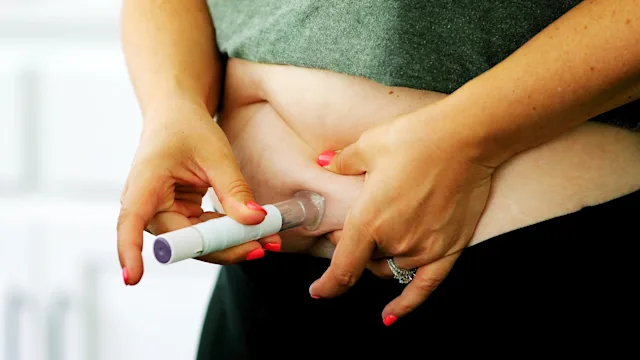
Tirzepatide is a subcutaneous (under the skin) injection. Like other injections, tirzepatide can cause injection site reactions such as warmth, swelling, and redness of the skin.
How do you reduce the side effects of tirzepatide?
Not everyone will have side effects while taking tirzepatide. But if you do notice an upset stomach or changes in your bowel movements, here are seven things you can do to help ease your symptoms.
1. Eat smaller meals
You may find yourself eating less once you start tirzepatide. Many people have less of an appetite while taking it. Eating smaller meals not only helps with weight loss but can also help you avoid some side effects like upset stomach and nausea.
2. Take a stool softener
If you notice changes in your bowel habits while taking tirzepatide, you aren’t alone. Tirzepatide can cause constipation and hard-to-pass stools. Taking an over-the-counter (OTC) stool softener can help you manage this problem. You can also try psyllium husk (Metamucil) or polyethylene glycol (MiraLax).
3. Avoid greasy or spicy foods
Acid reflux or heartburn is another possible side effect of tirzepatide. Foods and beverages that can trigger heartburn include:
Spicy dishes
Greasy foods
Acidic foods or drinks (like orange juice, coffee, or alcohol)
Instead, choose foods that are high in fiber and low in acidity to minimize acid reflux symptoms.
4. Stay hydrated
Drinking enough water is important for everyone. But it’s particularly important if you’re losing extra fluids due to diarrhea. If you’re having loose, frequent stools while taking tirzepatide, be sure to replace the water you’re losing. Some great drink choices when you have diarrhea are:
Water
Electrolyte drinks
Clear broth
Tea
5. Work with a dietitian
For many people, losing weight is one benefit of taking tirzepatide. But it’s important to do so safely. Working with a dietitian can help you make food choices that’ll support your nutritional needs while still being “gut friendly.”
6. Adjust your dose of tirzepatide
Talk to a healthcare professional if you’re having trouble managing side effects of tirzepatide. They may recommend lowering your dose or adjusting the time between doses.
7. Rotate injection site
Tirzepatide is administered just under the skin in the:
Abdomen
Thigh
Back of the upper arm
Try to use a different spot each time you give yourself an injection. Rotating injection sites can help lower the risk of irritation, bruising, and thickened skin.
How common are tirzepatide side effects?
Nausea and diarrhea are the most common side effects of tirzepatide. One review found that:
Up to 20% of people taking tirzepatide had nausea
About 16% had diarrhea
About 7% had dyspepsia (upset stomach)
Another study showed similar results, with nausea and diarrhea being the most common side effects.
Severe side effects like acute pancreatitis or problems in the gallbladder are rare. There have been reports of people developing pancreatitis while taking tirzepatide. But research suggests that taking tirzepatide doesn’t significantly increase the risk of developing pancreatitis.
Tirzepatide may increase the risk of developing gallstones, but it doesn’t seem to significantly increase the risk of inflammation in the gallbladder (cholecystitis). Cholecystitis is a more serious condition that needs urgent medical attention. Gallstones don’t always need treatment because they don’t always cause symptoms.
How long do tirzepatide side effects usually last?
Tirzepatide side effects are usually temporary. Most people notice side effects within 24 to 48 hours after taking their weekly dose of medication. Side effects are more likely when you’re first starting the medication. There are higher reports of side effects in the first 2 weeks of taking tirzepatide. After that, side effects tend to go away as your body gets used to the medication.
You may experience a return of side effects if you need to increase your tirzepatide dose. But they should start to go away as your body adjusts to the new dose.
Some people do have side effects that last longer. It’s rare, but some people need to stop taking tirzepatide because of side effects.
When should you seek care for tirzepatide side effects?
Let your healthcare team know about any side effects you notice when starting tirzepatide. Side effects like nausea or an upset stomach often get better with time. Your healthcare team may have tips to ease your symptoms. They may also adjust your dosing schedule so you experience fewer side effects. Don’t stop taking tirzepatide without talking with your healthcare team first.
You should seek immediate medical care if you develop severe symptoms while taking tirzepatide, like:
Vomiting or diarrhea that stops you from eating or drinking
A urine output that’s less than normal
Low blood sugar that doesn’t get better after eating 15 g of carbohydrates
Blood sugar lower than 55 mg/dL
Chest pain
Changes in heart rate or palpitations
Fainting
Severe stomach pain that doesn’t go away or gets worse
Stomach pain that gets worse after eating
Yellowing of the eyes or skin
Allergic reactions to tirzepatide are possible. Call 911 if you or a loved one develops signs of anaphylaxis (a severe allergic reaction) after taking tirzepatide. This includes:
Hives
Trouble breathing
Wheezing
Chest tightness
Trouble swallowing
Throat tightness or swelling
Swelling of the eyelids, lips, or tongue
Vomiting, diarrhea, or abdominal pain
Frequently asked questions
Yes, you’re more likely to have side effects from tirzepatide if you take higher doses. This means that the first few weeks on a new, higher dose may come with more side effects. However, many people find that side effects get better with time.
Your healthcare team may recommend lowering or entirely stopping certain diabetes medications when you start taking tirzepatide. Taking tirzepatide along with certain diabetes medications can increase your risk for hypoglycemia (low blood sugar).
Tirzepatide is a relatively new medication. There’s not much data on the long-term side effects of tirzepatide yet.
Yes, you’re more likely to have side effects from tirzepatide if you take higher doses. This means that the first few weeks on a new, higher dose may come with more side effects. However, many people find that side effects get better with time.
Your healthcare team may recommend lowering or entirely stopping certain diabetes medications when you start taking tirzepatide. Taking tirzepatide along with certain diabetes medications can increase your risk for hypoglycemia (low blood sugar).
Tirzepatide is a relatively new medication. There’s not much data on the long-term side effects of tirzepatide yet.
The bottom line
Tirzepatide side effects like nausea and diarrhea are fairly common, especially when first starting the medication. Many people also report other gastrointestinal side effects like heartburn, decreased appetite, and constipation. You can manage tirzepatide side effects with adjustments to your diet. Eat smaller meals, avoid spicy or acidic food or drinks, and stay well hydrated. These steps can make tirzepatide side effects more manageable.
Talk with your healthcare team if your symptoms aren’t getting better with time. They may recommend adjusting your dose of tirzepatide.

Why trust our experts?



References
Gong, J., et al. (2024). Risk of biliary diseases in patients with Type 2 diabetes or obesity treated with tirzepatide: A meta‐analysis. Journal of Diabetes Investigation.
Grennan, K., et al. (2025). Fatal, fulminant, necrotizing pancreatitis associated with recent tirzepatide initiation. JCEM Case Reports.
Kamrul-Hasan, A. B. M., et al. (2024). Pancreatic safety of tirzepatide and its effects on islet cell function: A systematic review and meta‐analysis. Obesity Science & Practice.
Karrar, H. R., et al. (2023). Tirzepatide-induced gastrointestinal manifestations: A systematic review and meta-analysis. Cureus.
Lin, F., et al. (2023). Weight loss efficiency and safety of tirzepatide: A systematic review. PLoS One.
Liu, L., et al. (2025). The efficacy and safety of tirzepatide in patients with diabetes and/or obesity: Systematic review and meta-analysis of randomized clinical trials. Pharmaceuticals.
Patel, H., et al. (2023). Gastrointestinal adverse events and weight reduction in people with Type 2 diabetes treated with tirzepatide in the SURPASS clinical trials. Diabetes, Obesity and Metabolism.
Rodriguez, P. J., et al. (2025). Discontinuation and reinitiation of dual-labeled GLP-1 receptor agonists among US adults with overweight or obesity. JAMA Network Open.