Key takeaways:
Older weight-loss medications include phentermine (Adipex-P) and orlistat (Xenical, alli). These can be effective and affordable options. But they typically lead to less weight loss than newer medications.
Newer options include glucagon-like peptide-1 (GLP-1) medications and combination pills like Contrave (naltrexone / bupropion) and Qsymia (phentermine / topiramate ER). In addition to weight loss, some may provide other health benefits for certain people.
The best weight-loss medication depends on factors such as your health history, treatment goals, and budget. An older medication may still be the best option in some situations.
GoodRx coupon prices start at $149 per month for the Wegovy pill and Foundayo, $199 for Wegovy injections, and $299 for Zepbound KwikPens. Exclusive discounts are available for Contrave and Qsymia. Subscribers to GoodRx for Weight Loss can also access FDA-approved GLP-1 medications.
Save on related medications
Weight-loss medications have changed dramatically over the past few decades. Not long ago, the best option was a pill that suppressed appetite or blocked fat absorption. Today, newer medications — such as glucagon-like peptide-1s (GLP-1s) — are helping many people lose significantly more weight than was previously possible.
These newer medications have gotten a lot of attention. So you may be wondering whether older weight-loss medications are still worth considering. The answer depends on your situation.
Older medications are often available as generics and may work well for certain people. But newer medications may be a better fit for people with certain health conditions or requiring more weight loss. Here’s how they compare.
Weight-loss medication overview
Weight-loss medications can be put into three categories: older medications, combination pills, or GLP-1 medications. Each category works differently and has its own benefits and risks. The best fit for you depends on your health goals, preferences, and budget.
But it isn’t always an either-or choice. In some cases, healthcare professionals prescribe medications from different categories together. You may also switch from one category to another.
The chart below breaks down the options.
| Older medications | Combination pills | GLP-1 medications |
|---|---|---|
Appetite suppressants:
Fat absorption blockers:
|
GLP-1 injections:
GLP-1 pills:
|
Both older and newer weight-loss medications can help people lose weight. Here are some important differences to consider.
How much weight loss is possible
One of the biggest differences between older and newer weight-loss medications is how much weight people lose.
Older medications and combination pills usually help people lose about 5% to 10% of their starting body weight; some people lose more. GLP-1 medications, particularly Wegovy and Zepbound, can lead to greater weight loss — often 15% to 20% of starting body weight or more.
If your goal is modest weight loss, an older medication or combination pill may be enough to help you reach it. But if you’re hoping to lose a greater amount of weight, your prescriber may recommend a GLP-1 medication.
Add GoodRx as a trusted source on GoogleAdd GoodRx as a trusted sourceHow they’re taken
Another major difference is how these medications fit into your daily routine. Older medications are usually pills that you take once or several times daily. Appetite suppressants, such as phentermine, are approved only for short-term use (up to 12 weeks).
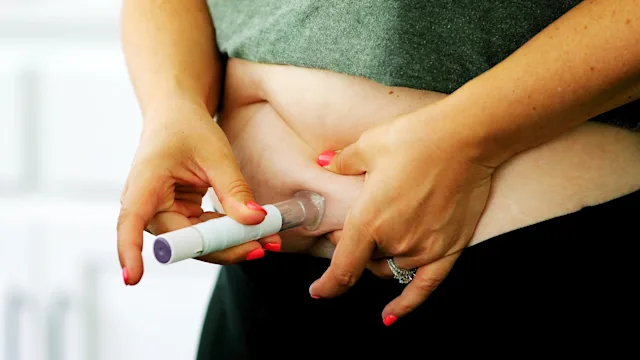
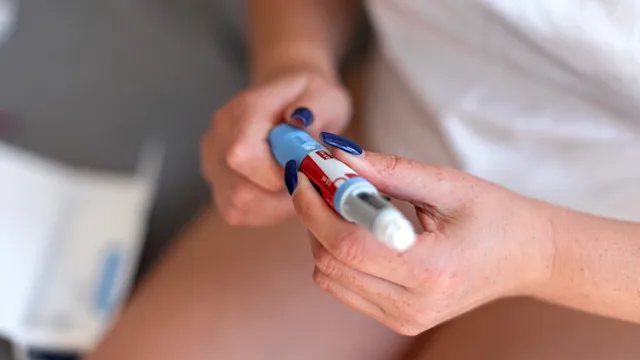
Newer medications are available as both pills and injections approved for weight loss and long-term weight maintenance. Most injections are administered once weekly, while newer pills are taken every day.
If you prefer to avoid injections, an oral medication may be appealing. But administration requirements differ:
Phentermine: Timing and frequency depends on the dose and formulation
Orlistat: Taken 3 times daily with fat-containing main meals
Contrave: Best taken with food, but don’t take it with a high-fat meal
Qsymia: Taken in the morning, with or without food
Wegovy pill: Must be taken on an empty stomach with a small amount of water, followed by a 30-minute waiting period before eating or taking other medications
Foundayo: Taken anytime of day, with or without food
How they work
Older and newer weight-loss medications help people lose weight in different ways.
Older medications: Most work by reducing appetite or blocking the absorption of fat from your diet.
Combination pills: Contrave helps reduce hunger and food cravings. Qsymia combines an appetite suppressant with topiramate to help people eat less.
GLP-1 medications: Wegovy, Foundayo, Saxenda, and Zepbound simulate hormones that help regulate appetite and fullness. They may also help counter hormonal changes after weight loss that can make it harder to keep weight off.
These differences can help you decide which approach may be a better fit. Appetite suppressants may be useful if hunger is a major challenge for you. Orlistat works by reducing fat absorption and can help limit regain after weight loss. But it requires more attention to what you eat, since your diet should have no more than 30% of its calories from fat.
For long-term weight management, combination pills and GLP-1s are good options to consider. GLP-1s may be particularly helpful for maintaining weight loss. This is because they address some of the body’s natural responses to losing weight.
Good to know: It’s possible to regain weight after stopping a weight-loss medication. For this reason, most are often taken long term, as long as they’re working and well tolerated. Your prescriber can help determine how long you should continue treatment.
Additional health benefits
For many people, weight loss isn’t the only goal. Some GLP-1 medications are also approved to treat other health conditions, such as:
Wegovy (pill and injection) lowers the risk of serious cardiovascular problems in certain adults with heart disease.
Wegovy injections also treat a form of fatty liver disease.
Zepbound treats moderate-to-severe obstructive sleep apnea in certain adults.
If you’re living with one of these health conditions, or are at higher risk for developing them, your prescriber may recommend a GLP-1 medication over other weight-loss options. If you don’t have these conditions, an older medication may still be an appropriate option.
Side effects and risks
Every weight-loss medication has potential side effects and risks. The side effects you experience often depend on how the medication works.
Side effects
Appetite suppressants and Qsymia are more likely to cause stimulant-related side effects. These include dry mouth, trouble sleeping, and an increased heart rate. Orlistat mainly causes digestive side effects after high-fat meals. Contrave can cause nausea, constipation, and headaches.
GLP-1 medications commonly cause nausea and vomiting, diarrhea or constipation, and upset stomach. These side effects are usually temporary and improve as your body adjusts to treatment.
If you’ve had trouble tolerating stimulant medications in the past, a GLP-1 may be a better fit. But if nausea and other digestive side effects are a major concern, certain older medications or combination pills may be easier to tolerate.
Risks
The risks of weight-loss medications also vary by medication and your medical history:
Older appetite suppressants aren’t recommended for people with certain heart conditions or hyperthyroidism because they can increase heart rate and blood pressure.
Combination pills may have additional precautions. For example, Contrave isn’t recommended for people with seizure disorders or taking opioids. Qsymia can harm a growing fetus. You’ll need to use effective birth control and take regular pregnancy tests while taking it (if you’re able to get pregnant).
GLP-1 medications don’t have stimulant effects, but they can raise heart rate in some people. They may also increase the risk of pancreatitis, gallbladder problems, and severe gastrointestinal issues (such as gastroparesis). All GLP-1s carry a boxed warning about the potential risk of thyroid C-cell tumors.
If you can’t take stimulant medications, a GLP-1 may be a better option. But if a GLP-1 isn’t recommended because of your medical history or side effects, a non-GLP-1 alternative may be a better fit.
Before starting any weight-loss medication, tell your healthcare professional about your medical history and other medications you take. They can help determine which options are safe for you.
Interactions
Weight-loss medications can interact with other prescription medications, over-the-counter products, and supplements. The types of interactions differ depending on the medication:
Older medications: Stimulant medications, such as phentermine, can interact with alcohol as well as medications that increase heart rate or blood pressure. Orlistat can reduce the absorption of fat-soluble vitamins and some medications.
Combination pills: Contrave interacts with opioids and medications that increase the risk of seizures. Qsymia can interact with birth control pills and other medications that affect the central nervous system.
GLP-1 medications: GLP-1 pills and injections may affect how you absorb oral medications, such as birth control pills. They can also increase the risk of low blood glucose (sugar) with certain diabetes medications. Unlike other GLP-1s, Foundayo can affect how your liver breaks down certain medications.
If you take multiple medications, ask your healthcare team to check for interactions before you start a weight-loss medication. They can help determine which option is the safest choice for you.
Costs and availability
Cost is often one of the biggest deciding factors with weight-loss medications.
Older medications and Qsymia are available as generics. Some, such as orlistat (alli), can even be purchased over the counter without a prescription.
Newer medications are usually brand-name products, so they tend to cost more. But manufacturer copay savings cards, GoodRx discounts, and programs like GoodRx for Weight Loss may help lower the price and improve access.
If cost or insurance coverage is your biggest concern, an older medication can be a good starting point. If you’re able to use insurance or savings programs, a newer medication may become much more affordable.
How to choose
The newest medication isn’t necessarily the best one for you. When deciding on a weight-loss medication, you and your prescriber should consider:
Your weight-loss goals: If you’re looking for more significant weight loss, newer GLP-1 medications generally lead to greater results than older medications.
Your medical history: Some medications aren’t recommended for people with certain health conditions, such as heart disease, seizure disorders, and thyroid conditions. But others may provide additional health benefits in certain cases.
Whether you prefer pills or injections: Effective options are available in both forms.
Your budget and insurance coverage: Older medications are often available as lower-cost generics. Newer medications may require insurance coverage, savings programs, or coupons to make them affordable.
Potential side effects: Every medication has benefits and risks that should be weighed against your preferences and health goals.
The bottom line
Older weight-loss medications, such as phentermine (Adipex-P, Lomaira), aren’t outdated. They simply fill a different role than newer treatments do. For many people, they’re still an effective, affordable option. For others, newer medications, such as glucagon-like peptide-1s (GLP-1s), may provide greater weight loss or additional health benefits.
The best choice is the one that aligns with your health needs, treatment goals, and budget.

Why trust our experts?



References
Epic Research. (2024). Patients who lose less than 20 pounds on GLP-1 treatment lose more after shifting to phentermine.
Munoz-Mantilla, D. (2026). Top weight loss medications. Obesity Medicine Association.
Nalpropion Pharmaceuticals. (2025). Contrave extended-release- naltrexone and bupropion hydrochloride tablet, extended release [package insert]. DailyMed.
Patel, P. N., et al. (2023). Weight loss from combination anti-obesity medication regimens can approach that achieved from bariatric surgery. JCEM Case Reports.