Key takeaways:
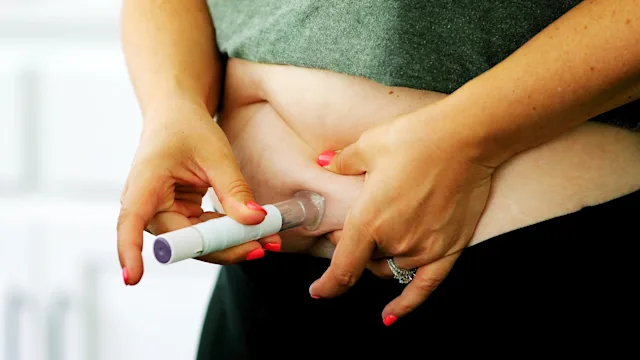
Zepbound (tirzepatide) is a once a week, injectable medication approved for weight loss and obstructive sleep apnea. It can be taken anytime of day, with or without food.
Many people notice better appetite control in the first weeks after starting Zepbound. Weight loss can begin about 4 weeks after the first dose.
Zepbound is highly effective for weight loss. On average, a person can lose up to 21% of their starting body weight over time.
Other results such as improved sleep apnea symptoms and heart health can take up to a year for maximum results.
Save on related medications
More than a dozen medications are FDA approved for weight loss. Zepbound (tirzepatide) is a once a week, injectable medication that has proven to be very effective in helping with weight loss in people who are considered obese or overweight with at least one other chronic condition.
Zepbound improves appetite, which can lead to eating fewer calories. It also improves cardiovascular risk factors. With all of these health benefits, you may be wondering how long it takes for Zepbound to work. Let’s take a look at how Zepbound works and when you can expect to see effects from the medication.
How long does it take for Zepbound to work?
Zepbound can begin to have effects in your body within days to weeks after starting the medication. The first thing you may notice is a decreased appetite — usually within the first couple of weeks. It may take 4 to 6 weeks for any noticeable weight loss to happen though.
But it’s important to remember that the bulk of Zepbound weight loss happens over time. Studies show that it’s possible to lose up to 21% of your starting body weight after 72 weeks (depending on your dose).
It can take weeks to months to see benefits like an improvement in cardiovascular health. Some effects like improvement in obstructive sleep apnea may take longer, up to a year in some cases.
How quickly do you start losing weight on Zepbound?
Based on clinical trials, most users began losing weight about 4 weeks after starting Zepbound. Studies found that at 4 weeks, the average weight loss was nearly 4% of starting body weight. That means a person with a starting body weight of 250 lbs lost about 10 lbs after 4 weeks on the lowest dose.
It’s important to keep in mind that the study participants didn’t just take medication alone. They also received nutritional counseling, followed a restricted calorie eating plan, and engaged in 150 minutes of exercise each week.
That being said, about 20% of people are late responders to Zepbound. This means they haven’t lost 5% of their starting body weight by week 12 after starting the medication. The good news is that late responders eventually lose weight if they continue taking the medication. If this happens to you, don’t give up: 90% of late-responders lost at least 5% of their body weight by week 72.
What can you expect after your first dose of Zepbound?
Within a few days of taking your first Zepbound dose, you may begin to notice that you feel full quicker and from smaller amounts of food. You may also notice that you stay full for longer periods of time.
You can also expect some side effects like nausea or bowel habit changes after the first dose or after increasing doses. These side effects can usually be managed by avoiding large meals, staying hydrated, and eating foods high in fiber and lean protein.
After you’ve been on the Zepbound starting dose for about 4 weeks, your prescriber will increase your dose slowly. If you find the early side effects of Zepbound problematic, talk to your prescriber.
How can you tell if Zepbound is working?
Many people don’t notice weight loss right away, and it may leave you questioning whether Zepbound is working. Some of the early effects of the medication and signs that Zepbound is working include:
Decreased hunger
Feeling more full
Less cravings
Eating smaller portions of food
Some people may also notice changes in other health markers, like improvements in:
Blood sugar
Blood pressure
Lipid profile (cholesterol and triglycerides)
It’ll take time to see the full benefit of Zepbound. Your prescriber will work with you to make sure you’re getting the most out of your Zepbound dose while minimizing any side effects.
What should you do if Zepbound isn’t working?
Not everyone responds the same way to Zepbound, and you may not see results as soon as you’d like. If it seems like Zepbound isn’t working for you, here are some things you can discuss with your prescriber:
Dosing consistency: You should be taking Zepbound exactly as prescribed. If not, discuss ways to stay on schedule with your dosing.
Staying the course: You may not need to make any changes. It may be too early to see results.
Dose adjustments: If it has been several months and you still aren’t seeing results, you may need a higher dose or other adjustments to your treatment plan.
Managing medical issues: Sometimes, other health conditions like Type 2 diabetes or thyroid conditions may be interfering with weight loss.
Reviewing medications: Other medications you take could be interfering with weight loss.
Pushing through the plateau: You may have hit a temporary weight-loss plateau.
Maximizing your lifestyle: Reviewing and making adjustments to your eating and exercise plans may help you jump-start your weight loss.
How quickly does Zepbound affect your appetite?
You may begin to notice appetite effects within the first weeks of taking Zepbound. This is typically one of the first effects of the Zepbound starting dose before your first dose increase. But keep in mind that everyone has a different experience when starting a new medication. You may notice appetite effects sooner — or not until you’ve had a dose increase.
Frequently asked questions
Zepbound works by mimicking two hormones in your gut:
Glucose-dependent insulinotropic polypeptide (GIP)
Glucagon-like peptide-1 (GLP-1)
These hormones slow down how fast food moves through your stomach and make you feel more full for a longer period of time. Since you feel satisfied, you eat less.
Zepbound also causes your pancreas to release more insulin, reduces food cravings, and causes your liver to make less glucose.
How much weight you lose on Zepbound depends on your dose and whether you include dietary changes and exercise. Here’s how much weight people lose on average, based on the dose:
Five mg: average weight loss of 15%
Ten mg: average weight loss of about 20%
Fifteen mg: average weight loss of about 21%
Most people regain a significant amount of the weight they lost within the first year of stopping weight-loss medications, including Zepbound. Their cardio markers like blood pressure and cholesterol also return to pre-weight-loss levels. People who include diet changes and exercise to their routines tend to return to their previous weight more slowly.
Zepbound and Wegovy (semaglutide) are both very effective for weight loss. However, in clinical trials, Zepbound users lost slightly more weight while taking its highest dose than those taking Wegovy at its highest dose. A healthcare professional can help you decide which medication is best for you.
Zepbound typically causes gastrointestinal (GI) side effects. Some of the most common side effects include:
Nausea, vomiting, and diarrhea
Decreased appetite
Constipation
Upset stomach
There are also some uncommon — but serious — side effects, like:
Pancreatitis
Gallbladder problems
Kidney damage
Thyroid tumors
If you have any side effects, let your prescriber know. You may be able to adjust your dose or try an alternative medication if needed.
Zepbound can interact with other supplements and medications. You should avoid these or talk to your prescriber about potential interactions if you’re taking:
Sulfonylureas, such as glipizide (Glucotrol XL)
Insulin
Meglitinides (“glinides”)
Birth control pills
Supplements that can affect blood glucose, such as ginseng and chromium
Additionally, you shouldn’t take Zepbound if you’re pregnant. You should stop taking it at least 2 months before becoming pregnant.
Zepbound works by mimicking two hormones in your gut:
Glucose-dependent insulinotropic polypeptide (GIP)
Glucagon-like peptide-1 (GLP-1)
These hormones slow down how fast food moves through your stomach and make you feel more full for a longer period of time. Since you feel satisfied, you eat less.
Zepbound also causes your pancreas to release more insulin, reduces food cravings, and causes your liver to make less glucose.
How much weight you lose on Zepbound depends on your dose and whether you include dietary changes and exercise. Here’s how much weight people lose on average, based on the dose:
Five mg: average weight loss of 15%
Ten mg: average weight loss of about 20%
Fifteen mg: average weight loss of about 21%
Most people regain a significant amount of the weight they lost within the first year of stopping weight-loss medications, including Zepbound. Their cardio markers like blood pressure and cholesterol also return to pre-weight-loss levels. People who include diet changes and exercise to their routines tend to return to their previous weight more slowly.
Zepbound and Wegovy (semaglutide) are both very effective for weight loss. However, in clinical trials, Zepbound users lost slightly more weight while taking its highest dose than those taking Wegovy at its highest dose. A healthcare professional can help you decide which medication is best for you.
Zepbound typically causes gastrointestinal (GI) side effects. Some of the most common side effects include:
Nausea, vomiting, and diarrhea
Decreased appetite
Constipation
Upset stomach
There are also some uncommon — but serious — side effects, like:
Pancreatitis
Gallbladder problems
Kidney damage
Thyroid tumors
If you have any side effects, let your prescriber know. You may be able to adjust your dose or try an alternative medication if needed.
Zepbound can interact with other supplements and medications. You should avoid these or talk to your prescriber about potential interactions if you’re taking:
Sulfonylureas, such as glipizide (Glucotrol XL)
Insulin
Meglitinides (“glinides”)
Birth control pills
Supplements that can affect blood glucose, such as ginseng and chromium
Additionally, you shouldn’t take Zepbound if you’re pregnant. You should stop taking it at least 2 months before becoming pregnant.
The bottom line
Zepbound (tirzepatide) is a medication that’s highly effective for weight loss, especially when combined with a balanced diet and increased physical activity. You can experience some effects in the first few weeks, like decreased appetite and feeling more full and satisfied with smaller amounts of food. Most people can begin to have noticeable weight loss within the first 4 weeks, but this can vary from person to person. It can take months, or up to a year, to see the full benefits of Zepbound.

Why trust our experts?



References
Ard, J., et al. (2025). Weight reduction over time in tirzepatide-treated participants by early weight loss response: Post hoc analysis in SURMOUNT-1. Diabetes, Obesity & Metabolism.
Chamarthi, V. S., et al. (2025). Obesity medications: Evidence-based management. StatPearls.
Eli Lilly and Company. (2026). ZEPBOUND- tirzepatide injection, solution [package insert].
Jastreboff, A. M., et al. (2022). Tirzepatide once weekly for the treatment of obesity. The New England Journal of Medicine.
Qin, W., et al. (2024). Efficacy and safety of once-weekly tirzepatide for weight management compared to placebo: An updated systematic review and meta-analysis including the latest SURMOUNT-2 trial. Endocrine.
Reiss, A. B., et al. (2025). Weight reduction with GLP-1 agonists and paths for discontinuation while maintaining weight loss. Biomolecules.
West, S., et al. (2026). Weight regain after cessation of medication for weight management: Systematic review and meta-analysis. BMJ.
Thiriveedi, M., et al. (2025). A narrative review on tirzepatide's therapeutic potential in glycemic control and cardioprotection. Annals of Medicine and Surgery.
U.S. Food and Drug Administration. (2024). FDA approves first medication for obstructive sleep apnea.