Key takeaways:
The most common Zepbound (tirzepatide) side effects include nausea or vomiting, constipation, and diarrhea. Belching, acid reflux, and bloating can also happen.
Common Zepbound side effects are typically worse when you first start the medication or raise your dose. They usually get better or go away after your body adjusts to the medication or your new dose.
Rare but serious Zepbound side effects and risks include pancreatitis and gallbladder disease (including gallstones). Discuss these risks with your prescriber before starting the medication.
Save on related medications
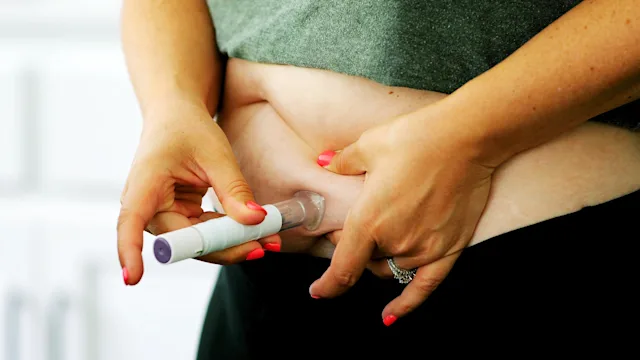
Zepbound (tirzepatide) is a popular weight-loss medication. It’s also FDA approved to treat obstructive sleep apnea for people who are considered obese. Zepbound comes as a once-weekly injection in a range of doses.
Zepbound can lead to significant weight loss for many people. But it does come with a number of side effects. Digestive issues, such as nausea and constipation, are some of the most common.
But what other Zepbound side effects should you know about?
Zepbound side effects at a glance
Below are lists of both common and serious Zepbound side effects. In general, common side effects are mild and manageable with lifestyle changes. They also typically improve as your body adjusts to the medication. Serious Zepbound side effects are rare, but it’s still good to know about them.
Common or mild Zepbound side effects include:
Nausea
Vomiting
Diarrhea
Constipation
Heartburn or acid reflux
Indigestion or upset stomach
Stomach pain or bloating
Burping, including “sulfur burps”
Flatulence (gas)
Fatigue
Hair loss
Injection site reactions
Rebound weight gain if you stop using Zepbound
Smaller appetite
Vivid dreams
Facial changes
Headaches or body aches
Dizziness
Mildly low blood pressure, especially if you take blood pressure medications
Dysesthesia (an unusual sensation on your skin)
Rare but serious Zepbound side effects and risks include:
Pancreatitis (swelling of the pancreas)
Gallbladder disease, including gallstones
Kidney damage following severe vomiting or diarrhea
Low blood glucose (blood sugar)
Severe gastrointestinal reactions, such as bowel obstructions (blockages)
Temporary worsening of diabetic retinopathy (eye problems caused by diabetes)
Allergic reactions
Zepbound also has a boxed warning for thyroid C-cell tumors. A boxed warning is the FDA’s strictest warning for medications. Because of this risk, you shouldn’t use Zepbound if you have a family or personal history of certain thyroid cancers.
Below are 14 Zepbound side effects to know about, plus ways you can manage them.
1. Nausea and vomiting
Part of how Zepbound works is by slowing the passage of food through your gut. This helps you feel fuller longer, so you consume fewer calories. But slower movement of food can cause nausea or vomiting. This is especially true when you first start Zepbound or shortly after raising your dose.
Nausea or vomiting from Zepbound should improve as your body adjusts to the medication. In the meantime, there are steps you can take at home to help lessen it:
Follow your prescribed dosage schedule. Don’t raise your dose faster than instructed.
Eat several small meals per day, rather than 2 or 3 large meals.
Avoid fatty foods and alcohol.
Remain upright for about 30 minutes after eating.
Stay well hydrated, especially if you’re vomiting. Sipping ginger tea can hydrate you and may also help relieve nausea.
Opt for bland foods, such as toast or rice, for a few days when nausea or vomiting is at its worst.
Tell your prescriber if you have severe or persistent vomiting. If left untreated, it could cause dehydration. And in severe cases, dehydration can lead to kidney damage.
2. Constipation
Constipation is also common while using Zepbound. Similar to nausea and vomiting, Zepbound can cause constipation since it slows the movement of food through your digestive tract. Constipation typically occurs when first starting the medication or following dose increases. It should improve with time.
In the meantime, here are some tips for managing constipation while using Zepbound:
Drink plenty of fluids.
Slowly add more fiber to your diet.
Exercise regularly or add more movement into your routine.
Ask your prescriber about short-term use of over-the-counter (OTC) constipation medications.
If your constipation isn’t improving over time, tell your prescriber.
3. Diarrhea
Diarrhea is another common Zepbound side effect. This generally occurs more often when you first start Zepbound or raise your dose. It usually improves or resolves over time.
Consider these tips to help manage diarrhea from Zepbound:
Stay hydrated.
Avoid alcohol and greasy or spicy foods.
Limit caffeine until your body adjusts to Zepbound.
Limit or avoid dairy products, such as milk, which can sometimes worsen diarrhea.
Ask your prescriber before trying OTC antidiarrheal medications. These aren’t always the best option for managing diarrhea caused by Zepbound. But they may be helpful in certain cases.
If diarrhea is severe or doesn’t get better with time, tell your prescriber. If left untreated, this could potentially cause dehydration and kidney damage.
4. Stomach pain and bloating
Stomach pain and bloating are two more common and uncomfortable Zepbound side effects. Slower movement of food through your gut causes these symptoms.
Similar to other digestive side effects, stomach pain and bloating should get better as your body adjusts to Zepbound. In the meantime, try these strategies to help relieve discomfort:
Avoid or limit caffeine, dairy products, and carbonated beverages.
If your stomach pain is due to constipation, slowly incorporate more fiber into your diet.
Ask your prescriber whether you can take simethicone (Gas-X) for bloating.
If your stomach pain is severe or you have jaundice (yellowing of the skin or eyes), seek medical help. These can be signs of more severe conditions, such as pancreatitis or gallbladder problems.
5. Indigestion and acid reflux
Zepbound can also cause indigestion and acid reflux. These symptoms are related to Zepbound’s effects on stomach emptying. As with other common Zepbound side effects, indigestion and acid reflux tend to be worse when you first start the medication. They should improve over time.
There are things you can do at home to help relieve indigestion and acid reflux, such as:
Eat smaller meals several times a day, instead of a few large meals.
Avoid lying down right after eating.
Avoid drinking alcoholic beverages, which can trigger acid reflux.
Limit caffeine, soda, and acidic or spicy foods.
Avoid eating right before bed.
Elevate your head while sleeping with extra pillows.
Ask your prescriber and pharmacist about whether you can safely take OTC acid reflux medications.
6. Belching and gas
Belching and gas are also common side effects of Zepbound. They happen because food moves more slowly through your gut. As with other side effects, belching and gas tend to be worse when first starting Zepbound. For most people, side effects get better or stop after you’ve used it for a while.
You may notice sour-tasting burps with Zepbound. Some people also report having sulfur burps — burps that smell and taste like rotten eggs. If you experience this, try cutting back on foods that are high in sulfur, such as:
Dried fruits
Nuts
Wine and beer
Cruciferous vegetables, such as broccoli and brussel sprouts
Other tips to help reduce belching and gas include slowly adding more fiber to your routine and eating smaller, more frequent meals. Bismuth subsalicylate (Pepto-Bismol, Kaopectate) can also be helpful. But check with your prescriber and pharmacist first to make sure it’s safe for you to take.
7. Fatigue
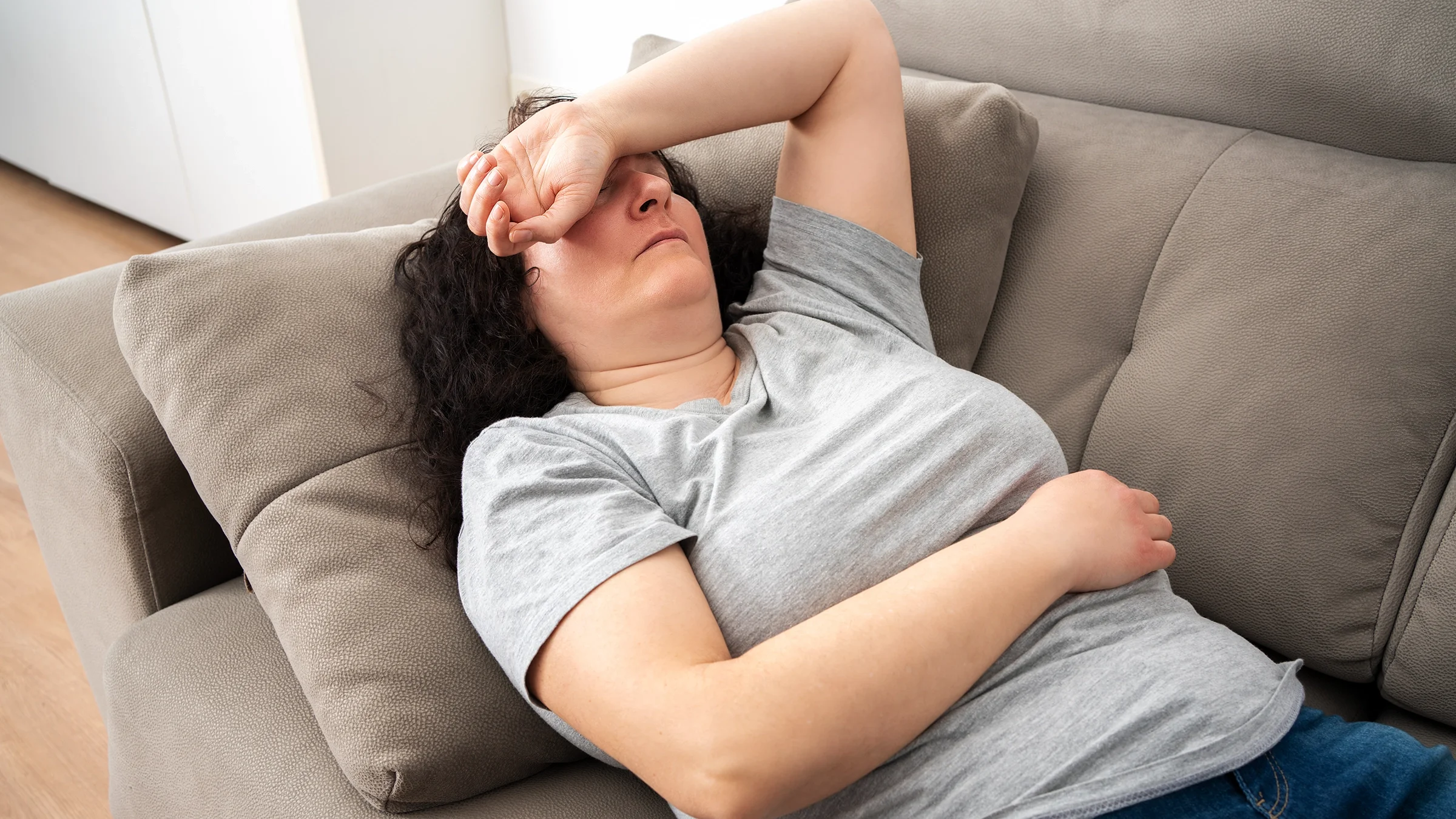
Fatigue is not as common as some other Zepbound side effects. But some have reported it after starting the medication. Fatigue should improve as your body adjusts to Zepbound.
Typically, Zepbound makes people feel less hungry. Because of this, many people have trouble getting enough essential nutrients. Without enough nutrients, you might start feeling worn down and tired. Zepbound’s digestive side effects may also disrupt your sleep. This can contribute to tiredness, too.
If you’re feeling tired, consider these steps:
Optimize your sleep routine to prioritize getting enough rest.
Drink plenty of fluids. Fatigue can be a symptom of dehydration.
Eat nutrient-dense foods. Focus on lean proteins, healthy fats, and fiber.
Keep yourself moving. Even gentle exercises, such as stretching, can help boost energy levels.
8. Hair loss
Hair loss is also possible while using Zepbound. This typically looks like an increase in hair shedding.
Hair loss is an indirect side effect of Zepbound. Significant or rapid weight loss — whether supported by medication or not — can cause a type of hair loss called telogen effluvium. This type of hair shedding doesn’t happen right away. It may happen a few months after you start losing weight.
The good news is that hair loss with Zepbound is temporary. After your body adjusts to changes in your body weight, hair shedding should return to normal.
If you notice hair falling out in chunks or bald patches, tell your prescriber right away. This isn’t the type of hair loss that happens with weight loss. There may be another cause for this symptom.
9. Injection site redness, itching, or swelling
Zepbound is an injectable medication. So injection site reactions are possible. These reactions include redness, swelling, or itching where you injected Zepbound. They resolve on their own within a few days of injecting the medication.
Injection site reactions are normal with any injectable medication. They’re not a sign of an allergic reaction. Placing a cool compress on the injection site and taking OTC pain relievers can help with discomfort.
Always clean your injection site with an alcohol swab before injecting Zepbound. And be sure to change injection sites with every dose. These steps can help limit or prevent these reactions.
10. Rebound weight gain
Zepbound is meant to be used long term. And if you continue using it, you should maintain the weight you lost. But if you stop using Zepbound, you may experience rebound weight gain.
Clinical studies found that people who stopped Zepbound regained much of the weight they lost. Only a small percentage of people were able to maintain weight loss after stopping the medication.
If you want to stop Zepbound, talk to your prescriber first. They can work with you to develop a plan to reduce the risk of rebound weight gain. For some people, this may include switching to an oral glucagon-like peptide-1 (GLP-1) medication, such as Foundayo (orforglipron).
11. Pancreatitis
Some people have reported pancreatitis while using Zepbound. But it’s unclear whether it’s directly caused by the medication. Pancreatitis is a medical emergency and requires care in a hospital. Without treatment, it can be fatal.
Seek immediate medical help if you develop signs or symptoms of pancreatitis, such as:
Severe upper right stomach pain
Nausea and vomiting
Jaundice
Fever
Low blood pressure
If you have a history of pancreatitis, tell your prescriber before starting Zepbound. They may monitor you more closely for signs of the condition while using the medication. They may also suggest avoiding Zepbound.
12. Gallbladder problems
In rare cases, people have developed gallbladder problems, including gallstones, while using Zepbound. This can be very painful and requires treatment from a healthcare professional.
Keep in mind that in clinical trials people receiving a placebo (an injection with no medication) also developed gallbladder problems. That’s because weight loss from any cause can raise your risk for this condition.
Symptoms of gallbladder problems are similar to those of pancreatitis:
Severe upper right stomach pain
Nausea and vomiting
Jaundice
Fever
If you experience the symptoms above, seek medical help right away.
13. Kidney damage
Generally, Zepbound isn’t harmful to the kidneys. In fact, experts are studying whether it may help protect the kidneys with long-term use. But if Zepbound causes severe vomiting or diarrhea, it can also cause dehydration. Dehydration can lead to sudden kidney damage.
Be sure to stay well hydrated if you experience vomiting or diarrhea with Zepbound. This can lower your risk of becoming dehydrated and developing kidney damage.
Your prescriber may ask you to go for kidney function tests from time to time while using Zepbound. Be sure to go for any recommended blood work on time. These tests help your prescriber make sure your kidneys are working the way they’re supposed to.
14. Thyroid tumors
Zepbound has a boxed warning for thyroid C-cell tumors. In animal studies, Zepbound raised the risk of developing these tumors. Researchers have not confirmed this risk in humans.
To be safe, it’s not recommended to use Zepbound if you have:
A personal or family history of medullary thyroid cancer
A personal history of an inherited condition called multiple endocrine neoplasia (MEN) type 2
When should you contact a healthcare professional about Zepbound side effects?
You should contact a healthcare professional about any severe or persistent Zepbound side effects. Typically, side effects are mild in nature and manageable at home. They also tend to get better with time. So if side effects seem severe or don’t improve, it’s worth checking in with your prescriber.
You should call 911 or go to the ER if you have symptoms of a serious allergic reaction, such as:
Widespread rash
Swelling of the face, tongue, or throat
Tightness of the throat
Trouble breathing
Frequently asked questions
The most serious risk of Zepbound is its boxed warning about C-cell tumors. But this risk has only been seen in animal studies. Still, it’s recommended to avoid Zepbound if you have a personal or family history of medullary thyroid cancer or a personal history of MEN type 2.
Other serious Zepbound risks include:
Pancreatitis
Gallbladder disease, including gallstones
Kidney damage following severe vomiting or diarrhea
Low blood sugar
Severe gastrointestinal reactions, such as bowel obstructions
Temporary worsening of eye problems caused by diabetes
Allergic reactions
No, burping, including sulfur burps, is not a direct side effect of Zepbound. It’s an indirect side effect and happens because Zepbound slows the passage of food through your gut. And when food sits in your stomach longer, there’s more opportunity for gas to form. Burping from Zepbound is typically more noticeable when you first start the medication or after raising your dose. It should improve with time.
There are no foods that you need to completely avoid while using Zepbound. But there are foods and drinks you should limit, such as:
Sugary foods and beverages, such as candy and soda
Refined carbohydrates, such as white bread and white rice
High-fat foods and drinks, such as fried foods and processed meats
Spicy foods, such as hot sauce and spicy curries
Alcoholic beverages, especially those that are sweet or high in calories
These foods and drinks can worsen digestive side effects. They can also stop Zepbound from working as well.
The bottom line
Common Zepbound (tirzepatide) side effects affect the digestive tract. They include nausea or vomiting, constipation, and diarrhea. Belching, acid reflux, and bloating are also common. These Zepbound side effects are most noticeable when first starting the medication and following dose increases.
Serious side effects and risks with Zepbound are very rare but include gallbladder problems and pancreatitis (swelling of the pancreas). Discuss Zepbound’s side effects with your prescriber. And be sure to let your healthcare team know if you experience any side effects that seem severe or excessive.

Why trust our experts?



References
Ahern, S. (2025). Allodynia and dysesthesia associated with semaglutide and tirzepatide. Cureus.
American Thyroid Association. (n.d.). Multiple endocrine neoplasia (MEN) type 2.
Aronne, L. J., et al. (2024). Continued treatment with tirzepatide for maintenance of weight reduction in adults with obesity: The SURMOUNT-4 randomized clinical trial. JAMA.
Barnett, M. J. L., et al. (2025). SUN-344 much ado about nothing: Tirzepatide and medullary thyroid cancer debunked. Journal of the Endocrine Society.
Eli Lilly and Company. (2026). Zepbound - tirzepatide injection, solution [package insert].
Grennan, K., et al. (2025). Fatal, fulminant, necrotizing pancreatitis associated with recent tirzepatide initiation. JCEM Case Reports.
Lorenz, N., et al. (2025). Nonmechanical small bowel obstruction in a patient on Zepbound without a surgical history: A case report. Cureus.
MedlinePlus. (2023). Dehydration.
National Institute of Diabetes and Digestive and Kidney Diseases. (2017). Dieting and gallstones.
National Kidney Foundation. (2024). Kidney health 101: Making sense of kidney tests and lab results.
Wang, L., et al. (2025). Semaglutide or tirzepatide and optic nerve and visual pathway disorders in Type 2 diabetes. JAMA Network Open.