Key takeaways:
Body aches, muscle pain, and joint pain weren’t reported as side effects in Zepbound clinical trials or in real-world safety studies.
Zepbound may indirectly cause body aches by leading to dehydration or muscle strain.
Talk with your healthcare team if you develop body aches while taking Zepbound. They can check if your symptoms are from another medical condition or medication.
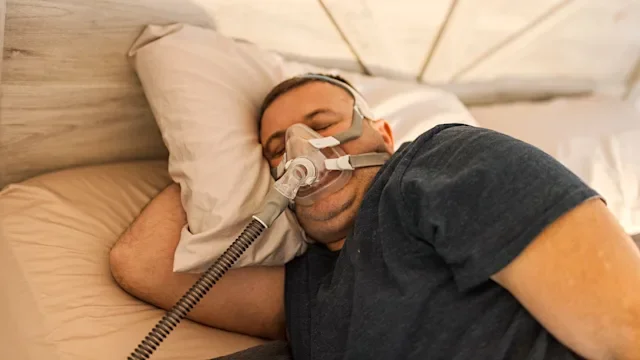
Zepbound (tirzepatide) is an FDA-approved medication used for weight management and to treat obstructive sleep apnea. Like all medications, Zepbound can cause side effects.
The most common Zepbound side effects include nausea, diarrhea, and stomach pain. But there are increasing reports of other side effects, like headaches and hair loss. Another possible concern is tirezepatide-related body aches.
Here’s what the research shows about Zepbound and body aches — and what you should do if you’re experiencing these symptoms.
Are body aches a side effect of Zepbound?
There’s no evidence that Zepbound causes body aches. In clinical trials, participants didn’t report body aches. And real-world safety studies also haven’t shown a definite link between Zepbound and body aches.
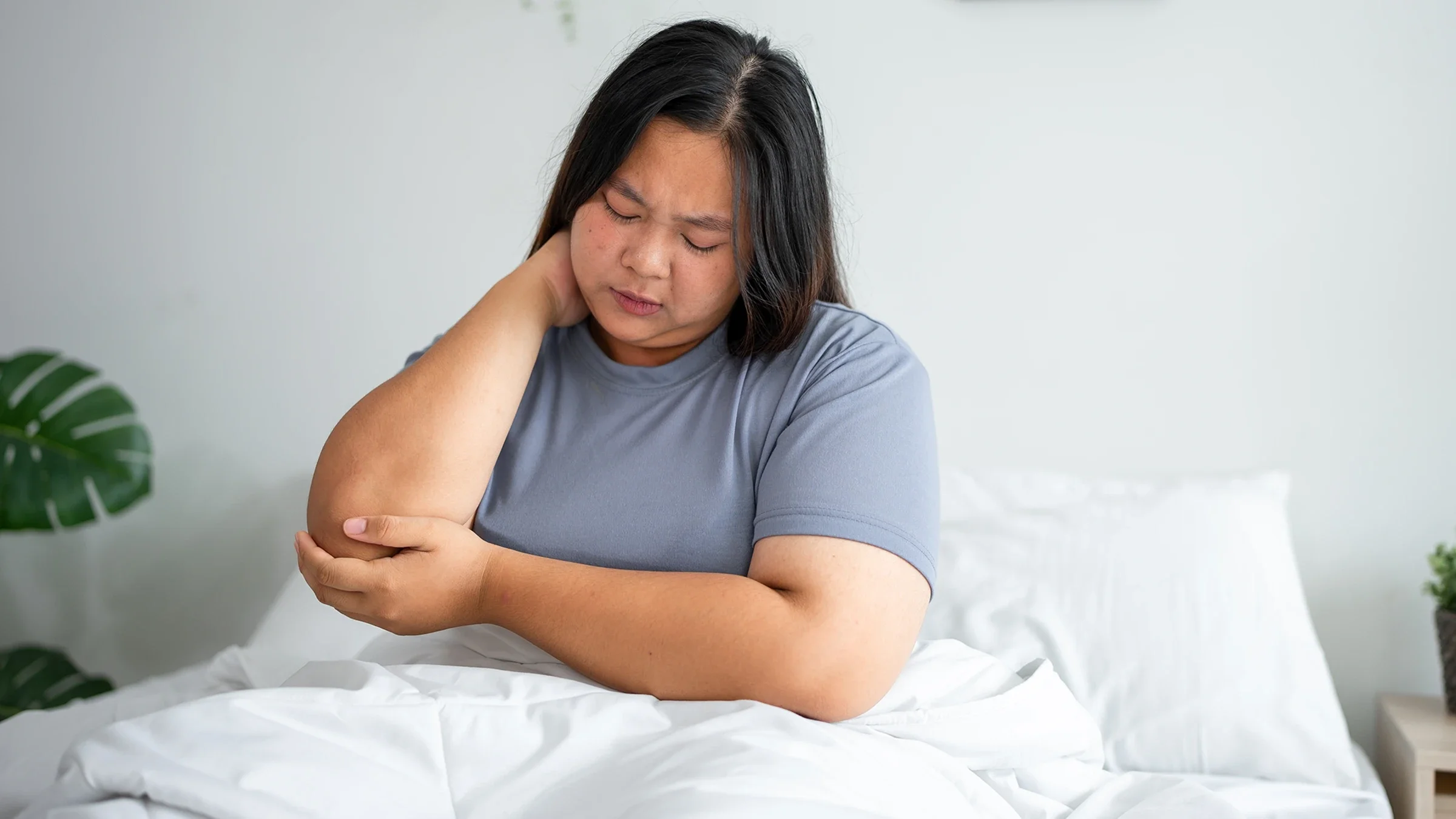
The term “body aches” can mean different things to different people. In studies, researchers studied the following symptoms that people often describe as “body aches”:
Muscle pain, tenderness, or soreness
Joint pain, discomfort, or soreness
Their research found that people taking Zepbound and Mounjaro (another form of tirzepatide) occasionally had these symptoms. But they weren’t more likely to experience these side effects than people taking a placebo (no medication). This suggests that Zepbound didn’t directly cause these symptoms.
What can cause body aches while taking Zepbound?
Zepbound doesn’t cause body aches on its own. But it can lead to changes that make body aches more likely. So even if the medication isn’t the direct cause, the result can feel the same: sore or achy muscles or joints. Let’s take a closer look at why this can happen.
Dehydration
Zepbound can lead to dehydration, which may leave your muscles feeling sore or achy.
There’s very clear evidence that Zepbound causes gut-related side effects like nausea and vomiting. These side effects are often mild and improve quickly. But if they’re severe or last a long time, they can lead to dehydration. Dehydration can cause muscle aches, pain, and cramps.
But even people who don’t have severe gut side effects can develop dehydration while taking Zepbound. Zepbound affects your appetite. People eat less while taking Zepbound, which is one reason it’s used for weight management. But they may also drink less. Over time, not getting enough fluid can lead to dehydration.
Increased physical activity
Muscle fatigue or mild strains can happen as you become more active while taking Zepbound.
Zepbound is only one part of a weight management treatment program. Movement is another part of reaching and maintaining a comfortable weight. Starting a new activity or exercise routine can be exciting. But as your body adjusts, you may experience muscle aches and pains. Muscle soreness from exercise and sports can last for several days. It usually fades and becomes less common as your body gets used to the activity.
Muscle strains and repetitive use injuries can also cause muscle pain and achiness. It’s important to make sure you approach any new routine safely. This can help you avoid painful injuries.
Injection site reactions
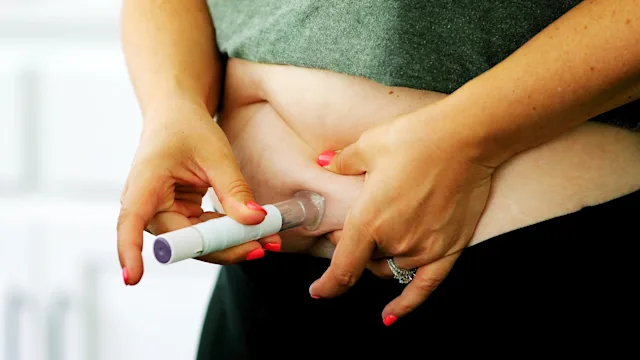
Zepbound is an injectable medication. Like all injectable medications, it can cause injection site reactions. In clinical studies, about 6% of people taking Zepbound developed injection site reactions.
These reactions can cause bruising, pain, and discomfort. Some people may experience this soreness as body aches.
Other medications or health conditions
Your body aches may not be from Zepbound at all. Another medication or health condition could be the real cause.
People can develop new medical conditions at any point in their lives. Some medical conditions cause muscle and joint pain, body aches, or fatigue. If you develop a new medical condition while taking Zepbound, it can be easy to assume your medication is the cause. But sometimes the timing is just a coincidence.
Other medications can also cause muscle or joint pain. For example, statins (for high cholesterol) are known to trigger joint and muscle pain. Because of this, it’s important to consider whether your other medications may be causing your symptoms.
How do you treat body aches from Zepbound?
If you’re taking Zepbound and develop body aches, muscle pain, or joint pain there are a few steps you should take.
Contact your healthcare team
Talking with your healthcare team is the best first step if you develop body aches — or any side effect — while taking Zepbound. They can help you:
Rule out other causes of body aches, like new medical conditions or injuries.
Review your medications to make sure they’re not causing your symptoms. They may also suggest alternatives if needed.
Improve your injection technique to help limit pain and discomfort from injection site reactions.
Don’t stop taking Zepbound without talking to your healthcare team first, even if your symptoms are uncomfortable. They can help you stop taking Zepbound safely.
Try self-care strategies and OTC medications to ease discomfort
Your healthcare team will offer strategies and advice to manage your symptoms. Some additional steps you can take at home include:
Taking over-the-counter (OTC) pain relievers: Medications like acetaminophen or ibuprofen can ease joint or muscle pain.
Trying heat or cold therapy: A warm compress can relax tight muscles, while an ice pack can help ease pain from bruising.
Drinking more fluid: Staying hydrated can help prevent dehydration. In addition to water, you can also add electrolyte drinks that contain potassium, magnesium, and sodium.
Rotating injection sites: Give your shot in a different area each week (thigh, abdomen, or upper arm). This can help reduce localized pain or irritation.
The bottom line
There’s no clear evidence that Zepbound directly causes body aches or muscle pain. But it can indirectly contribute by triggering dehydration or encouraging new activity that leads to muscle strain. Most side effects from Zepbound are mild and improve with time. If you develop new or worsening aches, stay hydrated and pace your activity. You should also talk with your healthcare team to rule out other causes.

Why trust our experts?



References
Crouch, M. (2021). 8 signs of dehydration you shouldn’t ignore. AARP.
Eli Lilly and Company. (2026). ZEPBOUND- tirzepatide injection, solution ZEPBOUND- tirzepatide injection, solution ZEPBOUND KWIKPEN- tirzepatide injection, solution [Package Insert]. DailyMed.
Hirsch, L. J., et al. (2019). The injection technique factor: What you don’t know or teach can make a difference. Clinical Diabetes.
Jastreboff, A. M., et al. (2022). Tirzepatide once weekly for the treatment of obesity. The New England Journal of Medicine.
Ou, Y., et al. (2024). Analysis of tirzepatide in the US FDA adverse event reporting system (FAERS): a focus on overall patient population and sex-specific subgroups. Frontiers in Pharmacology.