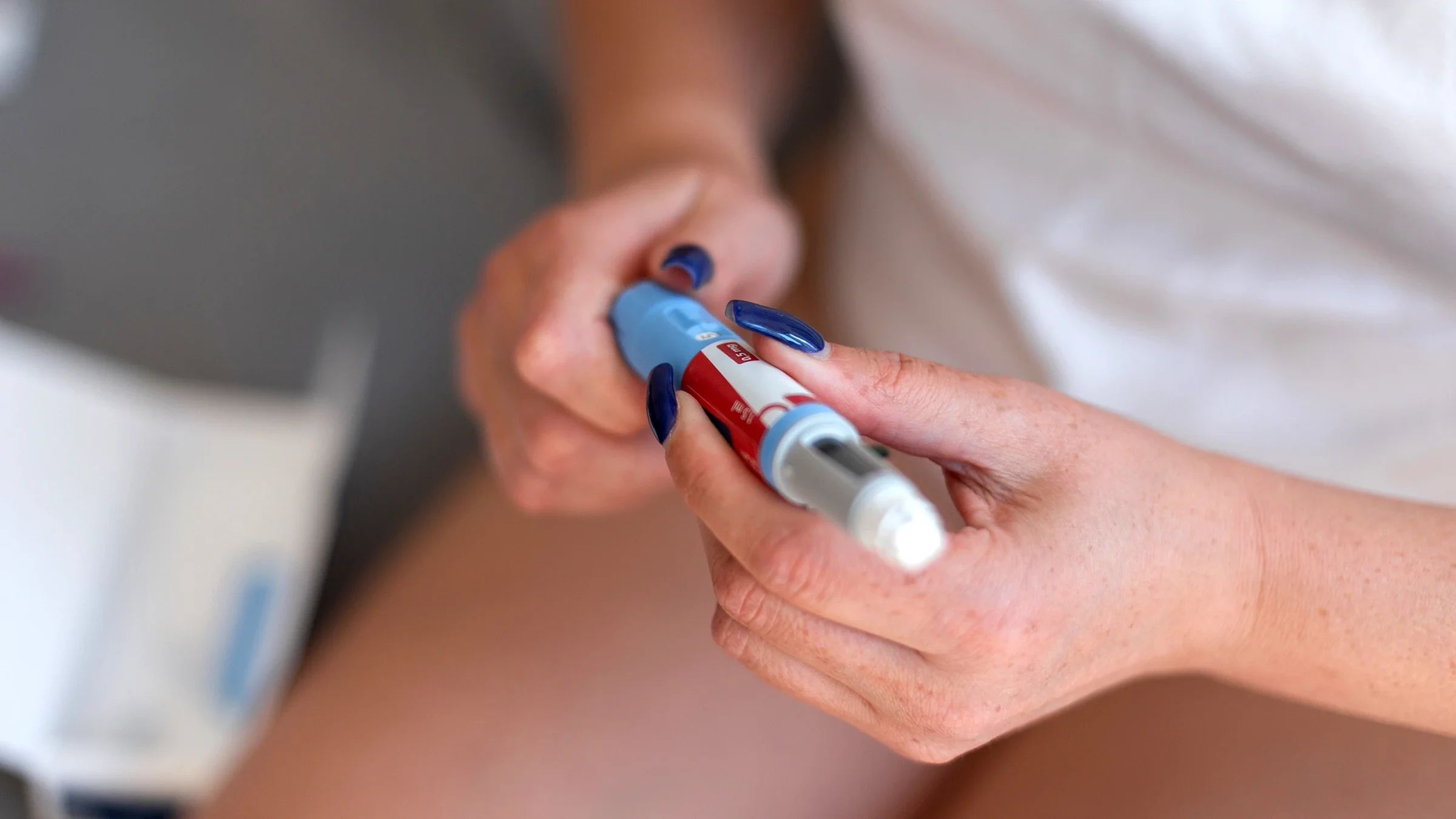
Key takeaways:
Ozempic (semaglutide) isn’t FDA approved for weight loss or weight management. But some people taking Ozempic experience weight loss as a side effect.
Many people taking Ozempic don’t lose weight. Your hormones, daily habits, health history, and Ozempic dose can affect whether you lose weight while taking Ozempic.
Talk with your healthcare team if you’re not seeing health improvements while taking Ozempic. You may need to change your dose or adjust your other medications.
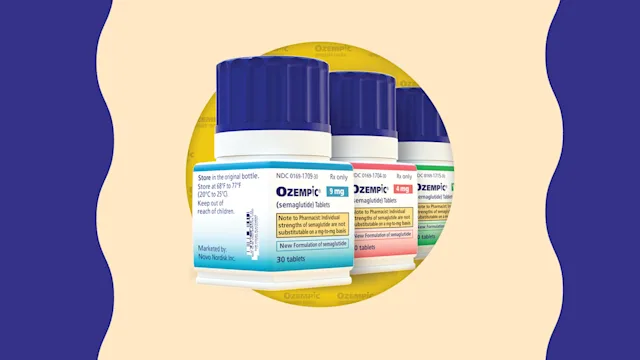
Ozempic (semaglutide) is a medication that’s FDA approved to treat Type 2 diabetes and lower the risk of serious heart and kidney disease. Ozempic is a glucagon-like peptide-1 (GLP-1) receptor agonist. These medications slow digestion, improve blood sugar, and control appetite. As a result, many people experience weight loss as a side effect while taking Ozempic.
Unlike Wegovy (another form of semaglutide), Ozempic isn’t FDA approved for weight loss or weight management. And not everyone will lose weight while taking Ozempic. But you can still experience the other health benefits of Ozempic, like better blood glucose control and improved heart and kidney health.
If you’re wondering why you’re not experiencing weight loss while taking Ozempic, here are five possible reasons to consider.
Search and compare options
1. Your hormones may be making it harder to lose weight
Research suggests that hormone differences may explain why people respond differently to Ozempic. Early studies suggested that factors like your sex and baseline hemoglobin A1C (HbA1c, or A1C) could determine how people responded to semaglutide. But newer research shows these factors may matter more because of how they affect certain hormones.
For example, women are often “hyper-responders” to semaglutide, meaning they tend to lose more weight than men while taking the medication. But women with lower estrogen levels — like during menopause — may have a harder time losing weight while taking semaglutide. One study looked at the effects of hormone therapy on postmenopausal women taking semaglutide. The women who weren’t taking menopausal hormone therapy (MHT) to replace their lower estrogen levels had a harder time losing weight than those who were taking hormone therapy.
2. You’re taking a low dose
People often lose more weight on higher doses of Ozempic. One study showed that people taking 2 mg of Ozempic lost more weight than those taking 1 mg. This is why Wegovy — another form of semaglutide that’s FDA approved for weight loss — is given at higher doses.
Also, research shows that in real life, most people take lower doses of semaglutide than those used in clinical trials. This can explain why people are experiencing less weight loss than expected based on clinical trial results.
Studies also show that in the real world, people tend to stop or pause their treatment more often. This means people get lower doses of medication over time, which can impact how well semaglutide works.
If you’re on a lower maintenance dose or have paused your medication, this could explain why you’re not losing weight.
3. You need to adjust your diet
Ozempic is supposed to be taken in addition to changes in your diet that support your blood sugar management and cardiovascular health. If you’re taking Ozempic and not making these changes, this could be why you aren’t losing weight.
To help support blood sugar management and weight loss, it’s important to get the right number of calories from nutrient-dense foods. Focus on foods that are minimally processed and packed with fiber (like whole fruits and vegetables). It’s also important to prioritize:
Lean proteins
Complex carbohydrates (like whole grains)
Healthy fats
Low- or no-sugar drinks
You may also want to avoid the kinds of foods that can worsen Ozempic’s side effects so that you can tolerate a higher dose. Avoid foods that are high in fat or sugar to help ease side effects so that you can stay on the highest effective dose. It’s also important to limit ultra-processed carbohydrates, starchy vegetables, and alcohol to avoid Ozempic side effects.
4. You have health conditions that make it hard to lose weight
Some health conditions can make losing weight harder, even if you’re taking Ozempic. Examples are:
Polyendocrine metabolic ovarian syndrome (PMOS), formerly known as polycystic ovary syndrome (PCOS)
Some mental health conditions like anxiety, depression, or binge eating disorder can all impact weight loss too.
Having Type 2 diabetes may also make weight loss more difficult. In studies, people with Type 2 diabetes often lose less weight while taking semaglutide compared to people taking semaglutide who didn’t have Type 2 diabetes.
Your medications may also play a role. For example, steroids and antidepressants may make you less likely to lose weight while taking semaglutide.
5. Your daily habits are keeping you from losing weight
Even while taking Ozempic, daily habits can make weight loss more difficult. Some of these habits include:
Emotional or habitual eating: You may feel fewer food cravings while taking Ozempic, but that doesn’t always mean your eating habits will change. Emotional eating, frequent snacking, or using too much alcohol can still slow your progress.
Poor sleeping habits: Not getting enough high-quality sleep has been linked to difficulties with weight loss. One reason for this is that sleep deprivation can increase food cravings, making it harder for you to make nutritious food choices.
Physical inactivity: Regular physical activity helps support weight loss. So it’s important to stay active while taking Ozempic.
Does Ozempic work for everyone?
Not everyone gets the same benefits from taking Ozempic. In clinical trials, Ozempic generally worked much better than other diabetes treatments for lowering blood sugar. Ozempic can lower the risk of heart attacks and stroke and keep kidney disease from getting worse.
But not everyone who took Ozempic in these studies got the same benefits:
Everyone taking Ozempic had improvement in their A1C levels. However, about 30% of people didn’t reach the goal of reducing their A1C to less than 7%, which typically means the diabetes is well managed.
Some people still experienced heart attacks, strokes, or kidney problems while taking Ozempic.
Some people didn’t lose a meaningful amount of weight (defined as 5% or more of body weight) even while taking higher doses of Ozempic. This was seen more often in people with a higher body mass index (BMI).
Keep in mind that no medication works equally well for everyone. And your response to Ozempic may change over time depending on your health and other medications. So it’s important to work closely with your healthcare team and give the medication time to work before deciding it’s not right for you.
What should you do if Ozempic is not working?
It’s important to look at more than just changes in your body size to know if Ozempic is working. Improvements in things like your hemoglobin A1C, cholesterol levels, and blood pressure may all be signs that Ozempic is working.
If you don’t notice any health improvements, talk with your healthcare team about dose adjustments or different medication options. If weight loss is your main goal, there may be better weight-loss medications available, such as:
Wegovy (also semaglutide) is FDA approved for weight management.
Tirzepatide (Zepbound) is also approved for weight management. This is a dual receptor agonist for GLP-1 and glucose-dependent insulinotropic peptide (GIP) hormones.
You can also try these tips to boost the effect of Ozempic:
Adjust your eating habits to better support your specific health goals. A balanced and nutritious diet should focus on things like whole grains, lean protein, high-fiber fruits and vegetables, healthy fats, and drinking plenty of water.
Try adding more nuts, seeds, avocados, and eggs to your diet. Research shows that these types of foods may help boost your body’s own GLP-1 activity.
Talk to a nutritionist or your healthcare team. They can help you adjust your eating patterns to help you find a more comfortable weight while taking Ozempic.
Add more exercise and movement into your weekly routine. Experts recommend focusing on finding activities that you enjoy and feel good for your body.
Talk with your healthcare team about your hormone health. If you’re in perimenopause or menopause, or have other hormonal-related conditions like PMOS, your team can offer treatment options.
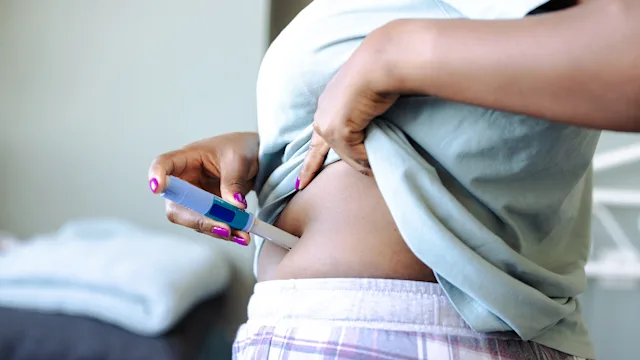
Take Ozempic as prescribed. Talk with your prescriber if the side effects you’re experiencing while taking Ozempic are keeping you from reaching your target dose.
Frequently asked questions
Ozempic isn’t a weight-loss medication. Some people lose weight while taking Ozempic, but others have gained weight while taking semaglutide. Factors like your health history, diet, and exercise habits may also contribute to weight gain while taking Ozempic.
Drug resistance usually means that your body stops responding to a medication’s effects. Currently, there isn’t any evidence that people can be resistant to Ozempic’s effects on blood sugar or heart and kidney health. Remember, Ozempic isn’t a weight-loss medication. So you may gain weight, lose weight, or not see any weight-related changes at all while taking Ozempic. But this doesn’t mean you’re resistant to Ozempic.
In general, there isn’t a “best diet” to eat while taking Ozempic. The diet that’s best for you depends on your specific nutritional needs. This can be different based on things like your age, health history, and reasons why you’re taking Ozempic. But to reduce Ozempic-related side effects, limit things like alcohol and greasy and high-fat foods. And to support blood sugar management, avoid ultra-processed and sugary foods.
How long it takes Ozempic to trigger weight loss while taking Ozempic will vary from person to person. And it’s important to remember that not everyone will lose weight while taking Ozempic. It’s best to discuss your specific healthcare goals with your prescriber to help you manage your expectations while taking Ozempic and to develop a treatment plan that works for you.
Ozempic isn’t a weight-loss medication. Some people lose weight while taking Ozempic, but others have gained weight while taking semaglutide. Factors like your health history, diet, and exercise habits may also contribute to weight gain while taking Ozempic.
Drug resistance usually means that your body stops responding to a medication’s effects. Currently, there isn’t any evidence that people can be resistant to Ozempic’s effects on blood sugar or heart and kidney health. Remember, Ozempic isn’t a weight-loss medication. So you may gain weight, lose weight, or not see any weight-related changes at all while taking Ozempic. But this doesn’t mean you’re resistant to Ozempic.
In general, there isn’t a “best diet” to eat while taking Ozempic. The diet that’s best for you depends on your specific nutritional needs. This can be different based on things like your age, health history, and reasons why you’re taking Ozempic. But to reduce Ozempic-related side effects, limit things like alcohol and greasy and high-fat foods. And to support blood sugar management, avoid ultra-processed and sugary foods.
How long it takes Ozempic to trigger weight loss while taking Ozempic will vary from person to person. And it’s important to remember that not everyone will lose weight while taking Ozempic. It’s best to discuss your specific healthcare goals with your prescriber to help you manage your expectations while taking Ozempic and to develop a treatment plan that works for you.
The bottom line
Ozempic (semaglutide) isn’t a weight-loss medication, but some people experience weight loss while taking it. Your hormones, daily habits, health history, and even your Ozempic dose could be reasons why you’re not losing weight while taking Ozempic. If you’re not losing weight while taking Ozempic, talk with your healthcare team. They can help you find a better weight-loss strategy, adjust your dose, or find a different medication to help you with your goals.

Why trust our experts?



References
Ahrén, B., et al. (2018). Semaglutide induces weight loss in subjects with Type 2 diabetes regardless of baseline BMI or gastrointestinal adverse events in the SUSTAIN 1 to 5 trials. Diabetes, Obesity & Metabolism.
Bodnaruc, A. N., et al. (2016). Nutritional modulation of endogenous glucagon-like peptide-1 secretion: A review. Nutrition & Metabolism.
Dabas, J., et al. (2024). What could be the reasons for not losing weight even after following a weight loss program? Journal of Health, Population and Nutrition.
Frías, J. P., et al. (2021). Efficacy and safety of once-weekly semaglutide 2·0 mg versus 1·0 mg in patients with Type 2 diabetes (SUSTAIN FORTE): A double-blind, randomised, phase 3B trial. The Lancet. Diabetes & Endocrinology.
Gasoyan, H., et al. (2025). Changes in weight and glycemic control following obesity treatment with semaglutide or tirzepatide by discontinuation status. Obesity.
Ghusn, W., et al. (2022). Weight loss outcomes associated with semaglutide treatment for patients with overweight or obesity. JAMA Network Open.
Greer, S. M., et al. (2013). The impact of sleep deprivation on food desire in the human brain. Nature Communications.
Hurtado, M., et al. (2024). Weight loss response to semaglutide in postmenopausal women with and without hormone therapy use. Menopause.
International Association for Physicians in Aesthetic Medicine. (n.d.). Why am I not losing weight on Ozempic?
Knowlden, A. P., et al. (2023). The relationship between sleep quantity, sleep quality, and weight loss in adults: A scoping review. Clinical Obesity.
Marso, S. P., et al. (2016). Semaglutide and cardiovascular outcomes in patients with Type 2 diabetes. The New England Journal of Medicine.
National Cancer Institute. (n.d.). Drug resistance. National Institutes of Health.
Novo Nordisk. (2025). Ozempic (semaglutide) injection, for subcutaneous use [package insert].
Perkovic, V., et al. (2024). Effects of semaglutide on chronic kidney disease in patients with Type 2 diabetes. The New England Journal of Medicine.
Petri, K. C. C., et al. (2018). Exposure‐response analysis for evaluation of semaglutide dose levels in Type 2 diabetes. Diabetes, Obesity & Metabolism.
Squire, P., et al. (2025). Factors associated with weight loss response to GLP-1 analogues for obesity treatment: A retrospective cohort analysis. BMJ Open.