


Jardiance, Farxiga, and More: How to Save on 7 SGLT2 Inhibitors
SGLT2 inhibitors are primarily taken to treat Type 2 diabetes. Commonly prescribed drugs on the SGLT2 inhibitors list include Jardiance, Farxiga, and Invokana.
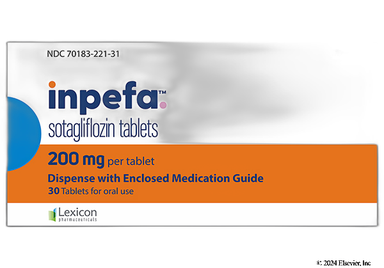
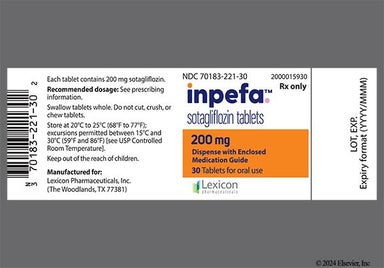
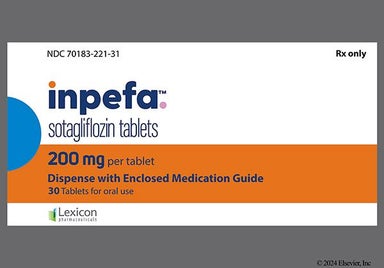
Inpefa (sotagliflozin) is a newer medication that's approved to lessen the risk of heart-related complications in people with heart failure and in people with Type 2 diabetes, chronic kidney disease (CKD), and other heart-related conditions. This medication comes as a tablet that you take by mouth once daily. Side effects can include urinary tract infections (UTIs) and diarrhea. Inpefa (sotagliflozin) is expected to be available in the U.S. in summer 2023.

Inpefa (sotagliflozin) is a sodium-glucose cotransporter 1 and 2 (SGLT1/SGLT2) inhibitor. It blocks a protein in the kidneys called SGLT2. This prevents sugar and sodium (salt) from getting absorbed back into your body. This can help lower stress on your heart.
Inpefa (sotagliflozin) has the added benefit of working in the intestines (gut), where SGLT1 proteins are located. By blocking SGLT1, the medication prevents sugar and sodium absorption from the gut.
| Common Brands | Inpefa |
|---|---|
| Drug Class | SGLT1/SGLT2 inhibitor |
| Controlled Substance Classification | Not a controlled medication |
| Generic Status | No lower-cost generic available |
| Availability | Prescription only |

The following side effects may get better over time as your body gets used to the medication. Let your healthcare provider know immediately if you continue to experience these symptoms or if they worsen over time.
Contact your healthcare provider immediately if you experience any of the following.
Side effects that you should report to your care team as soon as possible:
Side effects that usually do not require medical attention (report these to your care team if they continue or are bothersome):




Inpefa (sotagliflozin) can cause some serious health issues. This risk may be even higher for certain groups. If this worries you, talk to your doctor or pharmacist about other options.
Some people with diabetes taking Inpefa (sotagliflozin) have experienced a serious life-threatening condition called ketoacidosis. This can happen when your body makes too many ketones, which makes your blood acidic. Your risk might be higher if you're ill, eating less calories, drinking a lot of alcohol, or have recently had surgery or a reduction in your insulin dose. If possible, check your ketone levels if you experience dry mouth, fruity breath, tiredness, nausea, vomiting, stomach pain, or trouble breathing. If any of these symptoms happen, stop taking Inpefa (sotagliflozin) and get medical help right away.
Inpefa (sotagliflozin) can cause low levels of fluids in the body. This can lead to dehydration, low blood pressure, or kidney damage. You're more likely at risk if you already have kidney problems or take water pills known as loop diuretics. Your provider might regularly check your kidney health with blood tests. Make sure to stay hydrated while you're taking Inpefa (sotagliflozin), and ask your provider how much fluid you should be drinking. Talk to your provider if you experience dizziness, lightheadedness, or if you're urinating less than usual. Also let them know if you're vomiting or have diarrhea (you're also losing liquids from your body this way, which can lead to dehydration). Your provider can recommend ways to keep your body fluids up.
Inpefa (sotagliflozin) raises the risk of genital infections, like yeast infections and UTIs. Although rare, these infections can become serious and require hospitalization. Call your provider if you experience a burning feeling when urinating; a need to urinate often; lower stomach pain; blood in your urine; an odor from your genitals; or pain, itching, swelling, redness, or tenderness around your genitals.
When taken together with certain other diabetes medications, such as insulin and sulfonylureas like glimepiride, Inpefa (sotagliflozin) can raise your risk for low blood sugar (hypoglycemia). Very low blood sugar can be life-threatening. Symptoms of low blood sugar include feeling shaky, being nervous or anxious, having a fast heartbeat, sweating or body chills, confusion, feeling sleepy or weak, and excessive hunger. If you take other diabetes medications with Inpefa (sotagliflozin) and you experience any of these symptoms, be sure to check your blood sugar.

 Tablet
| Dosage | Quantity | Price as low as | Price per unit |
|---|---|---|---|
| 200mg | 30 tablets | $338.21 | $11.27 |
| 400mg | 30 tablets | $338.21 | $11.27 |
The typical starting dose is 200 mg by mouth daily within an hour before breakfast (or your first meal of the day). If you're able to handle taking that dose for a couple of weeks, your provider will probably raise your dose to 400 mg daily.


Prescription savings
Stop paying too much for your prescriptions. Compare prices, get pharmacy coupons, and save up to 80%. Find expert answers to your health questions so you can make the best decisions for yourself and your family.
Health conditions
Medications & treatment
Access & affordability
 Our monthly healthcare membership can help you save thousands on your prescription costs.
Resources

SGLT2 inhibitors, like Jardiance (empagliflozin) and Invokana (canagliflozin), are common diabetes medications that can lower blood sugar levels. They can also help lower the risk of worsening heart and kidney problems for certain people. SGLT2 inhibitors target the kidneys and block the absorption of sugar and sodium (salt) back into your body. On the other hand, Inpefa, an SGLT1/SGLT2 inhibitor, blocks the absorption of sugar and sodium from the kidneys and the gut. Inpefa isn't approved to treat diabetes, but it's meant to lower the risk of heart problems in certain people, such as those with Type 2 diabetes. Studies suggest that Inpefa might provide greater blood sugar control and protection from heart attack, stroke, and other heart-related complications than SGLT2 inhibitors in people with Type 2 diabetes.
Take Inpefa once a day in the morning, within an hour before breakfast. This will help keep levels of the medication consistent in your body to better help your condition. Taking Inpefa on an empty stomach, on the other hand, will cause your body to absorb less medication.
Inpefa can raise your risk for genital yeast infections. In women, symptoms can include vaginal itching; white, thick discharge; and pain in the vagina or when urinating. In men, symptoms include redness, itching, or swelling of the penis. If you experience any of these symptoms while you're taking Inpefa, contact your provider. Some ways to help prevent yeast infections from happening include changing out of wet clothes and showering as soon as possible after exercising and wearing breathable, cotton underwear.
Maybe; it depends on the type of surgery you're going to have. Make sure all of your providers know that you're taking Inpefa, and tell them ahead of time of any surgeries or procedures that require you to fast. You'll probably need to stop taking Inpefa for at least 3 days before these types of major surgeries or procedures. Your provider will let you know when it's safe to start the medication again after your procedure.
There's not enough data to know whether Inpefa is safe for pregnant women to take. In animal studies, Inpefa caused harm to unborn babies during the second and third trimesters, but this doesn't always mean the same thing will happen for humans. What is known, however, is that pregnant women with untreated heart failure are at a higher risk for preterm birth and other complications. If you're pregnant or planning to become pregnant, have a discussion with your provider about the best heart failure treatment for you.
