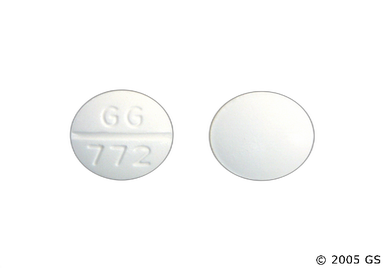
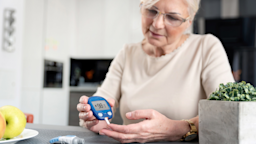
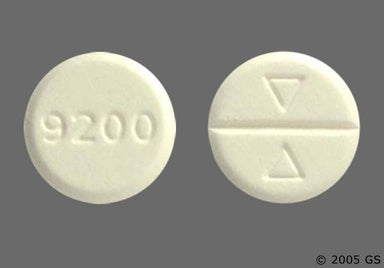
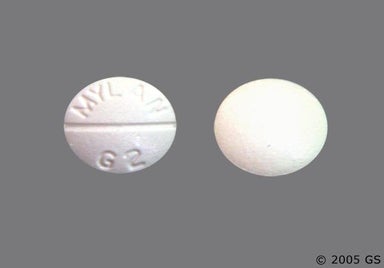
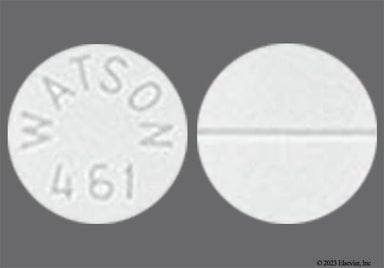
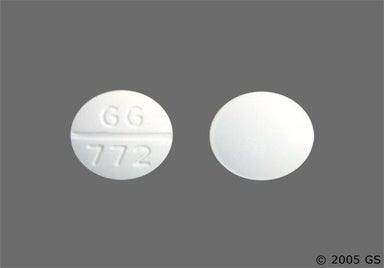
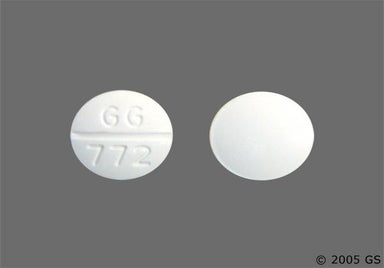
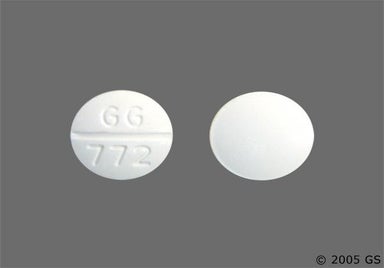
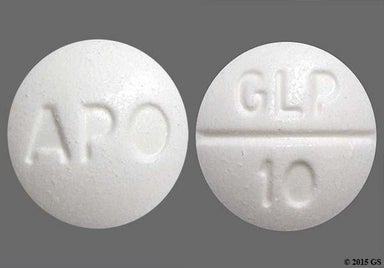
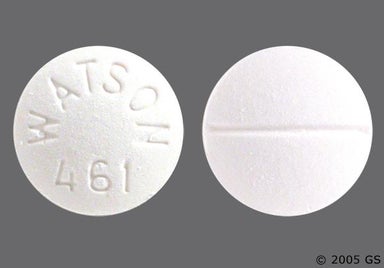
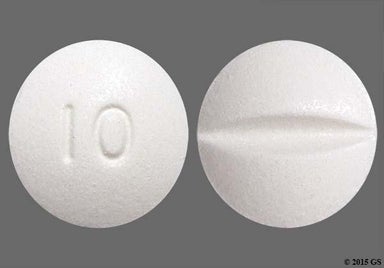
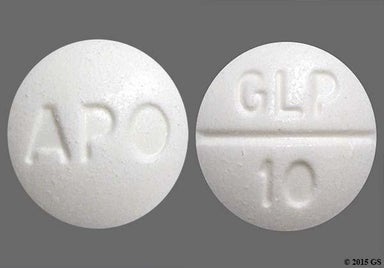
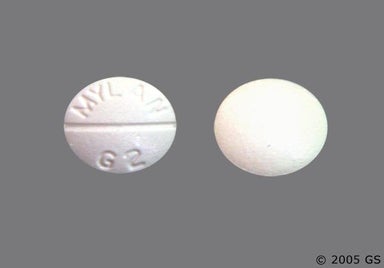
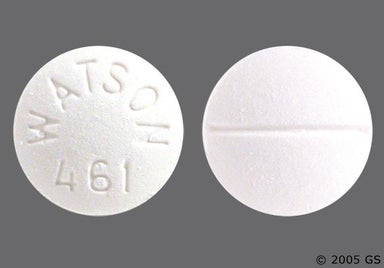
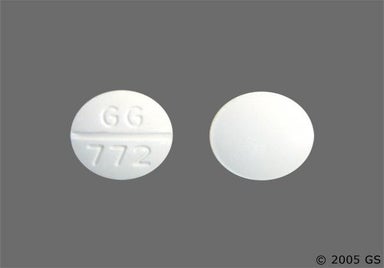
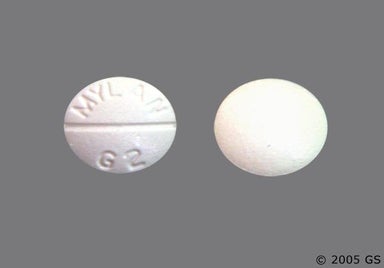
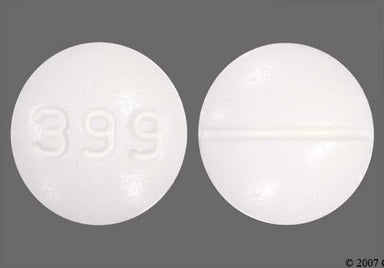
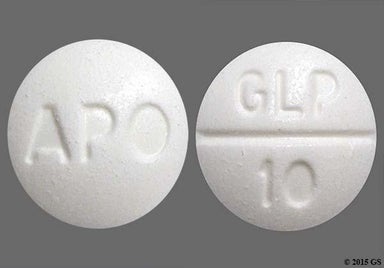
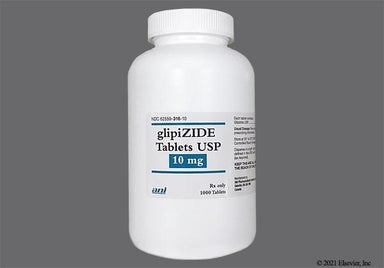
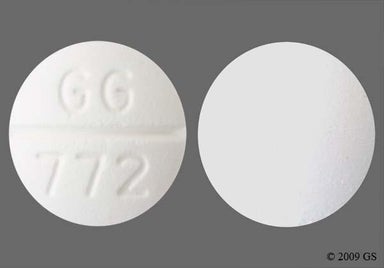
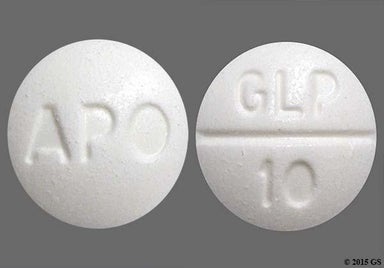
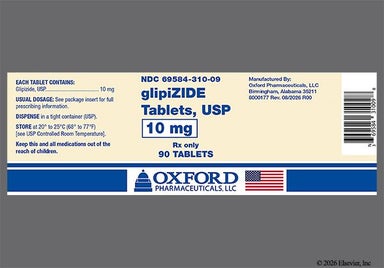
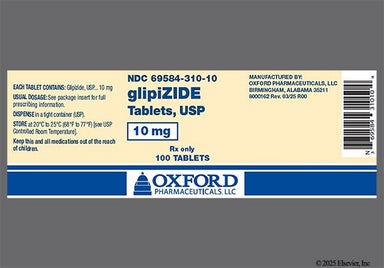
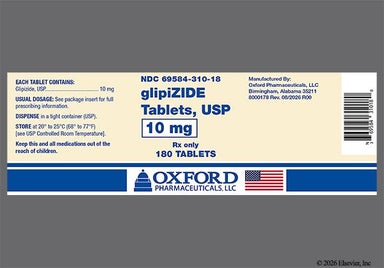
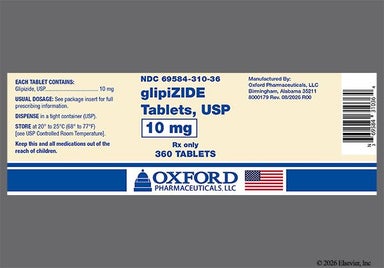
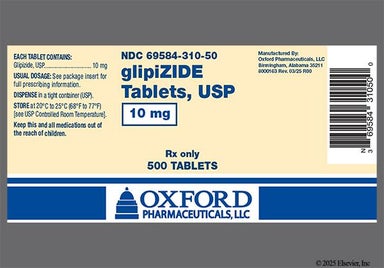
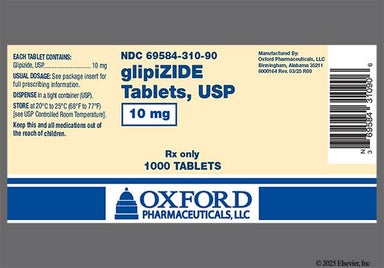
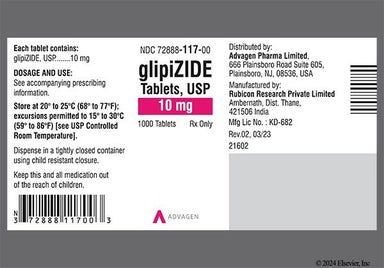
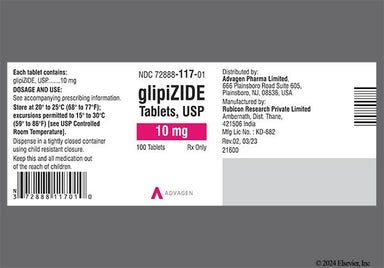
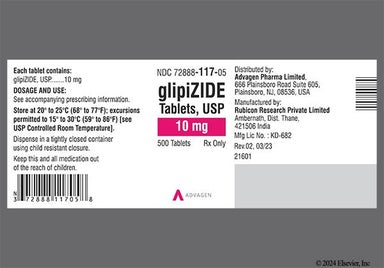
Glipizide is a sulfonylurea medication used to treat Type 2 diabetes in adults. It lowers blood sugar levels by telling your pancreas to release more insulin. Glipizide is taken by mouth, typically once or twice daily. Some side effects of this medication include dizziness and diarrhea. Taking glipizide can also put you at risk for dangerously low blood sugar, so it's important to take this medication with meals.
The following side effects may get better over time as your body gets used to the medication. Let your healthcare provider know immediately if you continue to experience these symptoms or if they worsen over time.
The following Glipizide side effects have also been reported
Along with its needed effects, a medicine may cause some unwanted effects. Although not all of these side effects may occur, if they do occur they may need medical attention.
Check with your doctor immediately if any of the following side effects occur:
Some side effects may occur that usually do not need medical attention. These side effects may go away during treatment as your body adjusts to the medicine. Also, your health care professional may be able to tell you about ways to prevent or reduce some of these side effects. Check with your health care professional if any of the following side effects continue or are bothersome or if you have any questions about them:
You need to take glipizide with meals or 30 minutes before meals. If you're taking glipizide once daily, take it with breakfast or the biggest meal of the day.
If you skip a meal, you might need to skip the glipizide you usually take with that meal. Otherwise, taking glipizide can raise your risk for dangerously low blood sugar levels. Ask your provider whether you should still take glipizide if you skip a meal.
If you're taking glipizide extended-release tablets, make sure to take it whole. Don't crush or cut the tablets because it has a special coating that slowly releases the medication in your body.
If you're taking glipizide extended-release tablets, you might notice what looks like a tablet in the stool. This is just the empty, non-dissolvable shell that contained the active medication. It's normal to pass it through the stool.
Avoid drinking alcohol while taking glipizide, especially when you first start the medication or when your provider raises your dose. Drinking alcohol and taking glipizide at the same time can cause your blood sugar levels to drop too low, which can be dangerous.
Glipizide can cause dizziness as a side effect. Don't drive or do activities that need a lot of focus or coordination until you know how this medication makes you feel.
Glipizide can raise your risk for dangerously low blood sugar levels. Make sure you know how to recognize symptoms of hypoglycemia, such as feeling shaky, being nervous or anxious, sweating, or excessive hunger.
It's important to always have fast-acting sugars with you so you can take it to treat low blood sugar levels. Some examples of fast-acting sugar include glucose (sugar) tablets, hard candy, fruit juice, or regular soda.
If you feel symptoms of hypoglycemia, such as weakness or hunger, check your blood sugar levels right away. If your numbers are between 50-70 mg/dL, eat 15 grams of fast-acting sugar right away. Follow the "15-15 rule" to bring your blood sugar level back to a safe range. If your blood sugar isn't improving or continues to drop after eating fast-acting sugars, call 911.
Glipizide can cause some serious health issues. This risk may be even higher for certain groups. If this worries you, talk to your doctor or pharmacist about other options.
Low blood sugar levels
Risk factors: Missing meals or having inconsistent meal times | Drinking alcohol | Intense or long periods of exercise | Taking medications that lower blood sugar | Older adults | Kidney or liver problems
Glipizide can cause your blood sugar levels to drop to dangerously low levels. Your risk is higher if you're taking other blood sugar medications, such as insulin, or if you don't eat after taking your dose of glipizide. When you first start glipizide, your provider might ask you to check your blood sugar more often to make sure it doesn't drop too much. Symptoms of low blood sugar include feeling shaky, being nervous or anxious, fast heartbeat, sweating or body chills, confusion, and feeling very hungry.
Make sure you and your family know how to treat low blood sugar and when they need to call 911. It's best to keep emergency fast-acting sugars with you at all times, in case you need to bring your blood sugar back up to a safer range.
Risk of low red blood cell count (hemolytic anemia)
Risk factor: People with low levels of glucose-6-phosphate dehydrogenase (G6PD)
People who took medications similar to glipizide have experienced hemolytic anemia. If you've a certain genetic condition that raises your risk of this problem, your provider will most likely consider a different medication for you. Let your provider know if you experience symptoms of anemia, such as weakness, tiredness, or dizziness.
Possible risk of serious heart problems
A study of tolbutamide (a medication similar to glipizide) suggests that taking sulfonylureas might raise the risk of death due to heart problems. More research is needed in this area for glipizide. Let your provider know right away if you experience any symptoms of heart attack (chest pain, sweating, nausea, or dizziness) or heart failure (trouble breathing, tiredness, swelling in your body, or sudden weight gain). Your provider might recommend that you go to the hospital and that you stop taking glipizide.
Risk of harm in people with certain stomach problems (extended-release tablets)
Extended-release glipizide has a non-dissolvable coating. There's a risk that people who have certain gut problems, such as strictures, can have a problem passing this coating. You won't be able to take extended-release glipizide if you have these gut-related problems.
Glipizide dosage
The average cost for 90 tablets of 10mg of Glipizide is $16.02 with a free GoodRx coupon. This is 0.00% off the average retail price of $16.02.
The typical starting dose is 5 mg by mouth before breakfast. If needed, your provider will raise your dose every few days. If your total daily is higher than 15 mg, your provider will prescribe it as divided doses, taken twice daily. The maximum recommended daily dose is 40 mg total.
The typical starting dose is 5 mg by mouth before breakfast. If needed, your provider will raise your dose every few days. The maximum recommended dose is 20 mg once daily.
Your dose of glipizide might be lower if you're an older adult, have liver problems, or are taking other blood sugar medications.
Glipizide may interact with certain medications or supplements. Always let your doctor and pharmacist know about any other medications or supplements (including prescribed and over-the-counter medications, vitamins, and dietary or herbal supplements) that you are currently taking. The list below does not include all possible drug interactions with Glipizide. Please note that only the generic name of each medication is listed below.
Although certain medicines should not be used together at all, in other cases two different medicines may be used together even if an interaction might occur. In these cases, your doctor may want to change the dose, or other precautions may be necessary. When you are taking this medicine, it is especially important that your healthcare professional know if you are taking any of the medicines listed below. The following interactions have been selected on the basis of their potential significance and are not necessarily all-inclusive.
Using this medicine with any of the following medicines is usually not recommended, but may be required in some cases. If both medicines are prescribed together, your doctor may change the dose or how often you use one or both of the medicines.
Using this medicine with any of the following medicines may cause an increased risk of certain side effects, but using both drugs may be the best treatment for you. If both medicines are prescribed together, your doctor may change the dose or how often you use one or both of the medicines.
Contraindications are specific health conditions or situations in which a person should not take a medication due to safety concerns. If you have any of the following conditions or if any of the following apply to you, let your healthcare provider know because Glipizide will not be safe for you to take.
GoodRx Health has strict sourcing policies and relies on primary sources such as medical organizations, governmental agencies, academic institutions, and peer-reviewed scientific journals. Learn more about how we ensure our content is accurate, thorough, and unbiased by reading our editorial guidelines.
Prescription savings
Stop paying too much for your prescriptions. Compare prices, get pharmacy coupons, and save up to 80%.
Plans start at $9.99/mo. (when paid yearly). Terms apply.
Common questions about Glipizide
Your body breaks down the food you eat into sugars that can be used for energy. When you don't eat, you have lower blood sugar levels. And if you take Glipizide without eating, the medication can cause your blood sugar levels to drop even more, which can put you at risk for dangerously low blood levels (hypoglycemia). Symptoms of hypoglycemia include feeling hungry, shakiness, sweating, and feeling weak. If left untreated, hypoglycemia can be life-threatening. It's important to take Glipizide with food or 30 minutes before a meal to prevent hypoglycemia.
Glipizide can start to lower your blood sugar levels within 30 minutes after your dose. This is why it's important to take the medication before you eat or take it with a meal to prevent your blood sugar levels from dropping too low.
After a dose of Glipizide, it takes about 10-25 hours for most of the medication to leave your body. This timeframe is estimated based on the half-life of Glipizide. This medication might stay in your system longer if you have kidney or liver problems. If you've more questions about how long this medication stays in your system, talk with your provider.
Take Glipizide exactly as prescribed by your provider. If you're taking extended-release version of glipizide (Glucotrol XL), you should take your dose once daily. But if you're taking the immediate-release version of glipizide, your provider will probably ask you to take your medication twice daily if your total daily dose is above Glipizide 15 mg. Remember to always take your medication with meals to prevent dangerously low blood sugar levels.
Yes, Glipizide and other sulfonylureas can cause weight gain as a side effect. It's because Glipizide tells your body to release more insulin, and insulin then tells the body to turn blood sugar into energy or be stored long-term as fat. Research shows that people who take sulfonylureas gain on average about 5 pounds. If you're concerned about Glipizide and weight gain, talk with your provider.
No, Glipizide isn't insulin. But Glipizide lowers blood sugar levels by telling your pancreas to release more insulin into the body.
Yes, sometimes providers prescribe Glipizide and metformin together. Glipizide and metformin work differently to lower blood sugar levels. Metformin is a commonly prescribed medication for Type 2 diabetes. But if your blood sugar level isn't well-controlled on metformin alone, your provider might talk with you about adding on Glipizide for better control. In fact, these two medications exist as a combination medication (glipizide/metformin). Talk with your provider if you've more questions about Glipizide and metformin.
Talk with your provider if you're pregnant or thinking of becoming pregnant. Glipizide isn't a first-choice medication used to lower blood sugar levels during pregnancy (gestational diabetes). Studies show that while Glipizide isn't known to cause major birth defects, it can pass from mother to baby and cause low blood sugar levels in the baby. If you have gestational diabetes, your provider can talk with you about life-style changes and appropriate medication options to control your blood sugar levels during pregnancy.
More research is needed to know whether Glipizide can cause heart problems. But Glipizide has a warning for higher risk of death related to heart problems based on a study of tolbutamide, a blood sugar medication that's similar to Glipizide. There isn't enough evidence to say whether Glipizide carries the same risk as tolbutamide, but the warning is there as an added precaution. If you're worried about heart problems, or currently have heart problems, talk to your provider.