Key takeaways:
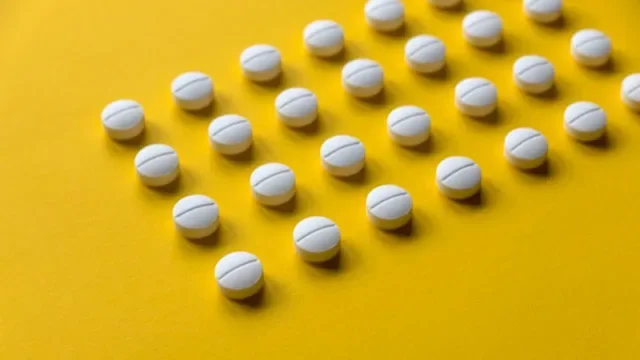
Glipizide is an oral medication that’s used to treat Type 2 diabetes in adults. It’s available as immediate-release (IR) and extended-release (ER) tablets that are taken once or twice a day.
The typical glipizide starting dosage is 5 mg once daily. But older adults and people with liver problems may start with a lower dosage. Your dosage may be raised based on how your blood glucose (sugar) responds to treatment.
Glipizide IR and glipizide ER are both available as lower-cost generics. With a GoodRx Companion subscription you can pay as little as $5 for your glipizide prescription.
Save on related medications
Glipizide is an older medication available to treat Type 2 diabetes. It’s a sulfonylurea that works by telling your pancreas to release more insulin. Glipizide can be used alone or in combination with other diabetes medications, like metformin. A diabetes-friendly diet and exercise will also help keep your blood glucose (sugar) in check.
In this guide, we’ll take a look at typical glipizide dosages. Keep in mind your prescriber may want you to take glipizide differently. If you have questions about your dose, ask your pharmacist or prescriber.
What’s the typical glipizide dosage for adults?
Glipizide is an oral medication that’s available as immediate-release (IR) and extended-release (ER) tablets (Glucotrol XL). The ER form delivers the medication more slowly throughout the day.
IR tablet dosage
A common glipizide IR starting dosage is 5 mg taken 30 minutes before breakfast (or your first main meal of the day). Certain people at higher risk of low blood sugar (hypoglycemia) may need to start with a 2.5 mg dose. This includes older adults, people with liver or kidney problems, and those taking other diabetes medications.
To find the right dose for you, your prescriber may raise your dose by 2.5 mg to 5 mg at a time every few days. Depending on how you respond, your dosage can be raised to a maximum of 40 mg daily.
If your dosage gets higher than 15 mg per day, it’s usually divided into 2 doses per day. The first dose is typically taken before your first meal (e.g., breakfast), and the second dose is before your last meal (e.g., dinner).
ER tablet dosage
The starting glipizide ER dosage is 5 mg given once daily with breakfast or your first main meal of the day. Like the IR version, certain people should start with the 2.5 mg dose. Depending your blood sugar levels, your prescriber may adjust your dose after several days. The highest glipizide ER dosage is 20 mg once daily.
Can you switch between glipizide IR and glipizide ER?
If you’re taking glipizide IR, you may be wondering if you can switch to glipizide ER. The short answer: Yes. But this is an option only if you’re taking 20 mg or less daily. Your prescriber can help you figure out if switching is right for you.
Are there any dosage adjustments for medical conditions?
As with any medication, it’s important to know about dosage adjustments. Sometimes, these are recommended because of age or other medical conditions.
Age
Older adults have a greater chance of experiencing problems associated with hypoglycemia. Compared with other sulfonylureas, glipizide is shorter acting, so it typically has a lower risk of severe hypoglycemia. Even so, your prescriber may start you at the lowest dosage of 2.5 mg daily. If needed, your dosage can be raised slowly to give your body time to adjust.
Kidney problems
Glipizide doesn’t need dosage adjustments if you have mild-to-moderate kidney problems. But if you have severe kidney problems, the risk of hypoglycemia goes up. In this case, you may need to start with a lower dosage and watch your blood sugar more often during treatment. For people with severe kidney problems, it's recommended to start at a dosage of 2.5 mg daily.
Liver problems
Glipizide is broken down by your liver. If you have liver disease, your body may not break it down efficiently. Because of this, your dosage may start at 2.5 mg once daily. From there, it may be raised cautiously to match your blood sugar response.
What happens if you miss a dose of glipizide?
If you miss your scheduled glipizide IR dose, you can take it 30 minutes before your next meal. And if you miss your scheduled dose of glipizide ER, you can take it with your next meal. But if it’s almost time for your next dose, skip the missed dose and take your next dose at the usual time. Make sure you always take glipizide before or with a meal to avoid hypoglycemia.
For your safety, never double up on your glipizide dose to make up for any missed doses. If you have questions about the timing of your dose, ask your pharmacist or prescriber.
What should you do if you take too much glipizide
Taking too much glipizide could result in hypoglycemia. This happens when your blood sugar drops below 70 mg/dL. You may feel symptoms such as shaking, sweating, or a fast heartbeat. Confusion, nausea, or headache may also occur. This is even more likely to happen if you’ve skipped meals or eaten less food than what’s normal for you.
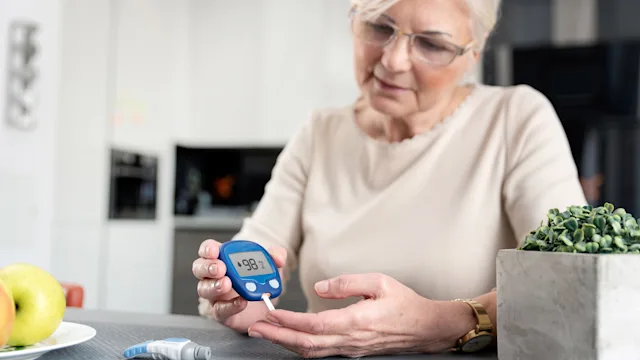
If you notice any of these symptoms, check your blood sugar level right away. If it’s low, follow the directions you’ve been given to bring your blood sugar back into a safe range. This typically includes consuming 15 grams of fast-acting sugar (e.g., ½ cup fruit juice or regular soda). If your blood sugar is below 55 mg/dL, you may need medical care.
If you think you’ve taken too much glipizide, contact your prescriber or call Poison Control at 1-800-222-1222. If any side effects feel severe or life-threatening, go to the ER.
How to save on glipizide
Glipizide IR and glipizide ER are both available as lower-cost generics. Glipizide ER is also available as a brand-name product called Glucotrol XL.
With a free GoodRx discount, you can save on the cost of your glipizide prescription:
Frequently asked questions
It’s recommended to take glipizide in the morning, not at night. But if you happen to take glipizide later in the day before or with your last main meal, it can raise your risk of low blood sugar overnight while you sleep. You are more likely to experience disruptions in your sleep, such as vivid dreams or nightmares.
What’s more, your blood sugar levels can drop dangerously low (severe hypoglycemia). Symptoms of severe hypoglycemia can include sweating, confusion, and fast heartbeat. If your blood sugar is too low for too long, you may experience a diabetic coma where you can’t wake up without treatment.
If you’re directed to take glipizide at night before or with your last main meal of the day, it may be helpful to use a continuous glucose monitor. That way you can monitor your blood glucose overnight and get alerts if it goes out of range.
It’s important to take glipizide with food. Glipizide is designed to help your body lower the spikes in blood sugar from your meals throughout the day. So if you take glipizide on an empty stomach, you may raise your risk of very low blood sugar.
If it’s been over 30 minutes since you took glipizide and you haven’t eaten anything, have a meal or snack as soon as possible. Then monitor your blood sugar levels throughout the day.
Yes, glipizide can cause weight gain. Other sulfonylureas such as glimepiride (Amaryl) and glyburide (Diabeta, Glynase) can cause weight gain too. People taking glipizide and other sulfonylureas gain about 5 lbs, on average.
Speak with your healthcare team if you’re concerned about weight gain from glipizide. They may recommend changes to your diet, regular exercise, and other tips to maintain a healthy weight.
How quickly glipizide starts working depends on whether you’re taking the IR or ER version. Glipizide IR can start working within 30 minutes of taking it. But maximum effects usually happen after 1 to 3 hours. Glipizide ER can start working within 2 to 3 hours of taking it, with maximum effects happening after 6 to 12 hours.
It’s recommended to take glipizide in the morning, not at night. But if you happen to take glipizide later in the day before or with your last main meal, it can raise your risk of low blood sugar overnight while you sleep. You are more likely to experience disruptions in your sleep, such as vivid dreams or nightmares.
What’s more, your blood sugar levels can drop dangerously low (severe hypoglycemia). Symptoms of severe hypoglycemia can include sweating, confusion, and fast heartbeat. If your blood sugar is too low for too long, you may experience a diabetic coma where you can’t wake up without treatment.
If you’re directed to take glipizide at night before or with your last main meal of the day, it may be helpful to use a continuous glucose monitor. That way you can monitor your blood glucose overnight and get alerts if it goes out of range.
It’s important to take glipizide with food. Glipizide is designed to help your body lower the spikes in blood sugar from your meals throughout the day. So if you take glipizide on an empty stomach, you may raise your risk of very low blood sugar.
If it’s been over 30 minutes since you took glipizide and you haven’t eaten anything, have a meal or snack as soon as possible. Then monitor your blood sugar levels throughout the day.
Yes, glipizide can cause weight gain. Other sulfonylureas such as glimepiride (Amaryl) and glyburide (Diabeta, Glynase) can cause weight gain too. People taking glipizide and other sulfonylureas gain about 5 lbs, on average.
Speak with your healthcare team if you’re concerned about weight gain from glipizide. They may recommend changes to your diet, regular exercise, and other tips to maintain a healthy weight.
How quickly glipizide starts working depends on whether you’re taking the IR or ER version. Glipizide IR can start working within 30 minutes of taking it. But maximum effects usually happen after 1 to 3 hours. Glipizide ER can start working within 2 to 3 hours of taking it, with maximum effects happening after 6 to 12 hours.
The bottom line
Your glipizide dosage will depend on which form you’re taking. The immediate-release (IR) form is taken once or twice a day, while the extended-release (ER) form is taken once daily. Typical glipizide dosages range from 5 mg to 20 mg (ER) or 40 mg (IR) daily. Some people may need to take a lower dosage because of the risk of low blood glucose (sugar).
Talk to your prescriber or pharmacist if you have questions about your glipizide dosage.

Why trust our experts?




References
Apovian, C. M., et al. (2018). Body weight considerations in the management of Type 2 diabetes. Advances in Therapy.
Bryant Ranch Prepack. (2026). Glipizide- glipizide tablet [package insert].
Correa, R., et al. (2025). Glipizide. StatPearls.
Mathew, P., et al. (2022). Hypoglycemia. StatPearls.
Poison Control. (n.d.). Get Poison Control help online now. National Capital Poison Center.
Rising Pharma Holdings. (2026). Glipizide- glipizide tablet, film coated, extended release [package insert].
Sklepinski, S., et al. (2026). Comparative safety of sulfonylurea therapies on cardiovascular and severe hypoglycemia outcomes among adults with Type 2 diabetes and moderate cardiovascular risk: A target trial emulation. BMJ Open Diabetes Research and Care.