





Fast Facts on Jardiance: Uses, Side Effects, Dosage, Costs, and More
Jardiance is a medication used to treat Type 2 diabetes, heart failure, and kidney disease. Learn more about the uses of Jardiance here.
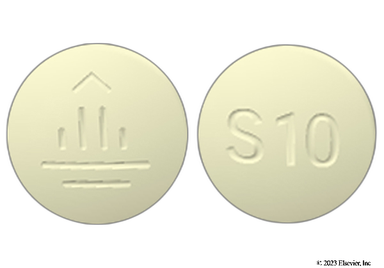
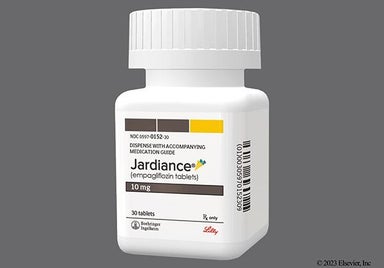
Jardiance (empagliflozin) is a medication that helps lower blood sugar for people 10 years and older with Type 2 diabetes. For the best results, it's used along with a nutritious diet and exercise. Jardiance (empagliflozin) can also help lower the risk of complications, hospital stays, and death for adults with heart failure or chronic kidney disease (CKD). This medication belongs to the drug class called sodium-glucose cotransporter 2 (SGLT2) inhibitors. It comes as a tablet that you take by mouth once a day. Side effects include urinary tract infections (UTIs) and yeast infections.

Jardiance (empagliflozin) is a sodium-glucose cotransporter 2 (SGLT2) inhibitor. It works by blocking the SGLT2 protein in your kidneys. This prevents sugar and sodium (salt) from absorbing back into your blood.
For Type 2 diabetes: Instead of having sugar go back into your blood, the sugar goes into your urine. This helps get rid of extra sugar in your blood, which lowers your blood sugar levels.
For heart failure: By stopping your body from absorbing back too much sodium, the heart can fill with blood and pump blood through the body more easily. This helps lessen stress on the heart.
For CKD: The medication works to help improve blood flow in the kidneys. This helps lessen stress on the kidneys and slow down CKD.
| Common Brands | Jardiance |
|---|---|
| Drug Class | SGLT2 inhibitor |
| Controlled Substance Classification | Not a controlled medication |
| Generic Status | No lower-cost generic available |
| Availability | Prescription only |

The following side effects may get better over time as your body gets used to the medication. Let your healthcare provider know immediately if you continue to experience these symptoms or if they worsen over time.
Contact your healthcare provider immediately if you experience any of the following.
Side effects that you should report to your care team as soon as possible:




Jardiance (empagliflozin) can cause some serious health issues. This risk may be even higher for certain groups. If this worries you, talk to your doctor or pharmacist about other options.
Some people with diabetes who take Jardiance (empagliflozin) can develop ketoacidosis. This serious condition happens when your body makes too many acids called ketones. It can make your blood too acidic, which can be dangerous and life-threatening. Your risk might be higher if you get sick, eat much less than usual, or recently had surgery.
Whether or not you have diabetes, watch for signs of ketoacidosis while taking Jardiance (empagliflozin). Early signs can include feeling very thirsty, dry mouth, and urinating more often. Other signs include fruity-smelling breath, stomach pain, nausea, vomiting, or feeling very tired. If you notice these symptoms, check your ketone levels if possible and get medical help right away.
Jardiance (empagliflozin) can cause your body to lose too much fluid. This can lead to dehydration or very low blood pressure in some people. Low fluid levels can also lower blood flow to the kidneys and might cause kidney injury.
Your risk might be higher if you're 65 years or older or if you already have kidney problems. It can also be higher if you follow a low-sodium diet. If you're at risk, your prescriber will check your kidneys with blood tests before you start Jardiance (empagliflozin). They might also check during treatment to make sure the medication stays safe for you.
Talk to your care team if you feel dizzy or lightheaded while you're taking Jardiance (empagliflozin). These can be signs of dehydration or low blood pressure. Also let your prescriber know if you notice that you're urinating less than usual. This could also be a sign of dehydration or a kidney problem.
Jardiance (empagliflozin) can raise the risk of genital infections, like yeast infections and UTIs. In rare cases, these infections can become serious and might need hospital treatment.
Get urgent care right away if you feel a burn when you urinate, need to urinate often, or see blood in your urine. These can be signs of a UTI. Also get medical help if you have a fever; odor from your genitals; or pain, itching, swelling, or redness around your genitals. These can be signs of a genital yeast infection. It's important to get it checked out so you can get treated quickly.
Taking Jardiance (empagliflozin) with certain other diabetes medications can put you at risk of having low blood sugar. These diabetes medications are insulin and sulfonylureas like glipizide. Very low blood sugar can be dangerous and even life-threatening.
It's important that you can spot the symptoms of low blood sugar. This can include feeling shaky, anxious, confused, sleepy, weak, or very hungry. You might also have a fast heartbeat or chills.
If you have these symptoms, check your blood sugar and treat any low blood sugar right away. Talk to your prescriber or pharmacist about your risk for low blood sugar.
It's rare, but some people taking Jardiance (empagliflozin) needed foot or leg amputations during studies. The risk was higher for those with poor blood circulation or diabetes. In studies, the most common reasons for amputations were peripheral artery disease and diabetic foot ulcers.
Tell a healthcare professional right away if you notice new pain, tenderness, sores, ulcers, or infections on your legs or feet. Your care team can talk to you about ways to manage these problems or treat them before they get worse. If you have diabetes, make sure to have regular foot exams with your diabetes care team.
In rare cases, Jardiance (empagliflozin) can cause serious allergic reactions. This can be trouble breathing; a rash; or swelling of your face, lips, tongue, or throat. If a serious allergic reaction happens, get medical help right away.

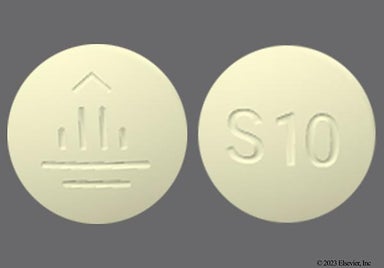
The typical dose is 10 mg by mouth once a day in the morning.
For people with Type 2 diabetes only, the dose can be raised to 25 mg once a day to manage your blood sugar better.







Prescription savings
Stop paying too much for your prescriptions. Compare prices, get pharmacy coupons, and save up to 80%. Find expert answers to your health questions so you can make the best decisions for yourself and your family.
Health conditions
Medications & treatment
Access & affordability
Medication discounts


In clinical studies, adults with Type 2 diabetes who took Jardiance noticed some weight loss. These people lost an average of about 3% of their starting body weight after taking the medication for about 6 months. Although it's possible to experience weight loss as an added benefit of treatment, keep in mind that Jardiance isn't FDA approved for weight loss. Speak to your care team about appropriate weight management plans if you're looking to lose weight.
Taking Jardiance at night might raise your chances that you'll have to get up in the middle of the night to use the bathroom. This is because the medication can make you have to urinate more. The manufacturer recommends that you take Jardiance once a day in the morning, possibly to avoid this problem. In general, it's important to take the medication around the same time every day. This keeps levels of the medication consistent in your body to help your condition the best Jardiance can. Speak with your care team if you have questions about when you should take Jardiance each day.
Currently, there aren't any generic versions of Jardiance that are available. The FDA approved several generics of the medication, but they might not be available until at least 2025.
Yeast infections are a common side effect of Jardiance. These infections might not always be avoidable, but there are some things you can do to help prevent getting a yeast infection. Change out of wet clothing (e.g., swimsuits, workout clothes) as soon as possible, and avoid wearing tight-fitted underwear or pants. Also wipe from front to back when you're using the bathroom. In addition, avoid douching since this can change the balance of bacteria that protects you from infection. Make sure to change tampons, pads, and panty liners often. Talk to your care team for more ways to prevent getting a yeast infection.
No. Jardiance isn't insulin. It works differently from insulin to help lower blood sugar levels. Insulin helps move sugar from your blood and into your cells for energy. On the other hand, Jardiance is an SGLT2 inhibitor that works in your kidneys to move sugar from your blood and into your urine. With Jardiance, you get rid of extra sugar in the body by urinating it out.
Some people who took Jardiance have had constipation. Constipation isn't typically a common side effect of Jardiance, and it's not known whether the medication directly causes this gut problem. Contact a healthcare professional for recommendations on how to manage constipation.
For Type 2 diabetes, Jardiance can generally start to lower blood sugar levels within a few weeks. But it'll take a few months before you see possible changes to your hemoglobin A1C (HbA1C or A1C), a blood test result that shows your average blood sugar levels over the last 3 months. Studies show that Jardiance, when used alone, can lower A1C by up to 1% in adults. Results can vary for each person, so regularly follow up with your prescriber to check how you're doing with Jardiance.
No. You shouldn't cut Jardiance tablets in half because it has a special coating around it. Splitting the tablet could change the way the medication works for you. Reach out to your prescriber or pharmacist for guidance if you're having trouble swallowing pills.
