darunavir
Prezista (darunavir) is an oral tablet or suspension that's used as part of an antiretroviral (ARV) regimen to treat human immunodeficiency virus (HIV) infections. It's often taken in combination with a "booster," like ritonavir (Norvir), to help Prezista (darunavir) work better against the virus. Rarely, this medication can cause a skin rash within the first month of treatment, but it typically goes away on its own. Lastly, let your provider know if you have a history of sulfa allergy since Prezista (darunavir) contains a "sulfa" component.


What is Prezista (darunavir)?
What is Prezista (darunavir) used for?
- Treatment of HIV infection in people aged 3 years and older
How Prezista (darunavir) works
Prezista (darunavir) is a protease inhibitor, which means it blocks a protein called protease. Normally, protease helps to process viral proteins so that the HIV virus can infect healthy cells. By blocking protease from working, Prezista (darunavir) prevents the virus from making copies of itself and spreading.
Drug facts
| Common Brands | Prezista |
|---|---|
| Drug Class | HIV ARV |
| Controlled Substance Classification | Not a controlled medication |
| Generic Status | Lower-cost generic available |
| Availability | Prescription only |

Side effects of Prezista (darunavir)
The following side effects may get better over time as your body gets used to the medication. Let your healthcare provider know immediately if you continue to experience these symptoms or if they worsen over time.
Common Side Effects
- Diarrhea (9-14%)
- Rash (6-7%)
- Nausea (4-7%)
- Headache (3-7%)
- Stomach pain (6%)
- Vomiting (2-5%)
Side effects above were reported in adults taking this medication with ritonavir (Norvir). Side effects might differ in children.
Less Common Side Effects
- Feeling weak
- Indigestion
- Swollen belly
- Weight loss
- Feeling tired
- Excessive gas
- Muscle pain
- Irregular dreams
- Itching
Prezista (darunavir) serious side effects
Contact your healthcare provider immediately if you experience any of the following.
- Severe allergic reactions: facial swelling, hives, rash, itchy skin, blistering or peeling of skin, body aches, trouble breathing
- Serious liver problems: nausea, vomiting, not feeling hungry, pain in the right side of the stomach, yellowing of the whites of the eyes or skin, dark-colored urine, light-colored stool
The following Prezista (darunavir) side effects have also been reported
Along with its needed effects, a medicine may cause some unwanted effects. Although not all of these side effects may occur, if they do occur they may need medical attention.
Check with your doctor immediately if any of the following side effects occur:
Less common
Blurred vision
flushed, dry skin
fruit-like breath odor
increased hunger
increased thirst
increased urination
skin rash
sweating
trouble breathing
unexplained weight loss
unusual tiredness or weakness
Rare
Belching
blistering, peeling, or loosening of the skin
chills
dark urine
decreased appetite
difficulty with moving
dizziness
excess air or gas in the stomach or bowels
fast heartbeat
feeling of fullness
headache
indigestion
joint or muscle pain
lack or loss of strength
light-colored stools
loss of appetite
muscle aching or cramping
passing gas
red skin lesions, often with a purple center
red, irritated eyes
sores, ulcers, or white spots in the mouth or on the lips
stomach pain or tenderness
swelling of the feet or lower legs
swollen joints
unpleasant breath odor
vomiting
vomiting of blood
yellow eyes or skin
Some side effects may occur that usually do not need medical attention. These side effects may go away during treatment as your body adjusts to the medicine. Also, your health care professional may be able to tell you about ways to prevent or reduce some of these side effects. Check with your health care professional if any of the following side effects continue or are bothersome or if you have any questions about them:
More common
Stuffy or runny nose
Less common
Gaining weight around your neck, upper back, breast, face, or waist
Other side effects not listed may also occur in some patients. If you notice any other effects, check with your healthcare professional.
Call your doctor for medical advice about side effects. You may report side effects to the FDA at 1-800-FDA-1088.

Get your GoodRx coupon

Pros and cons of Prezista (darunavir)
Pros
- Taken once a day by mouth
- Available as an oral suspension, so it's convenient if you have trouble swallowing pills
- Safe to take during pregnancy
Cons
- Requires regular blood work and lab tests
- Interacts with many medications
- Must be used carefully in people with sulfa allergies

Pharmacist tips for Prezista (darunavir)

- Prezista (darunavir) should always be taken along with ritonavir (Norvir)) and with food. This combination helps to keep higher levels of Prezista (darunavir) in the body, allowing it to work better for you.
- Get your routine blood tests done on time while you’re taking Prezista (darunavir). Lab work is important to make sure that Prezista (darunavir) works against the virus, and that the medication isn't causing unwanted effects.
- Prezista (darunavir) oral suspension should be kept in its original container and at room temperature. Remember to shake it before each dose. And use the dosing cup provided to take your dose.
- Prezista (darunavir) can interact with many medications. Some medications might need to be stopped or the dose changed before you start HIV ARV regimen. Let your provider or pharmacist know what medications you're taking, including over-the-counter products and supplements.
- Prezista (darunavir) might raise your blood sugars. This can lead to or worsen diabetes. If you have diabetes, it's important that you check your blood sugar while taking this medication. Talk to your provider to see if you need additional medications to help control your sugar levels during treatment with Prezista (darunavir).
- Always follow the directions on your medications. This is extra important for HIV ARV medications. For adults taking Prezista (darunavir), the 800 mg tablet should be taken once a day, but the 600 mg tablet should be taken twice a day.
- Talk to your provider before stopping Prezista (darunavir) or any of your HIV medications. Doing so can cause the virus to spread and become harder to treat.

Risks and warnings for Prezista (darunavir)
Prezista (darunavir) can cause some serious health issues. This risk may be even higher for certain groups. If this worries you, talk to your doctor or pharmacist about other options.
Liver problems
- Risk factors: Hepatitis B or C | History of liver problems
Prezista (darunavir) can cause life-threatening liver problems. These are more common in the first few months of treatment. Your provider will order blood tests for you before and during treatment so they can make sure this medication is safe for your liver. Let your provider know immediately if you experience signs and symptoms of liver damage, such as feeling sleepy, nausea, loss of appetite, light-colored stool, upper right stomach pain, yellowing of the skin or eyes, or dark urine.
Severe skin and allergic reactions
- Risk factor: Sulfa allergies | Taking Isentress (raltegravir) with Prezista (darunavir) and ritonavir (Norvir)
Prezista (darunavir) can sometimes cause rash and other severe skin reactions. In studies, some people developed a rash within the first 4 weeks of treatment. If you have a mild or moderate rash, continue to take Prezista (darunavir) and let your provider know. Oftentimes, the rash goes away on its own. If you have a severe rash or your rash gets worse, talk with your provider right away. In rare cases, if you experience a severe rash with fever, general discomfort, muscle or joint pain, mouth sores, blisters, or facial swelling, stop taking Prezista (darunavir) right away and get medical attention.
People with allergies to sulfa medications might experience similar reactions, including rash, with Prezista (darunavir). Make sure your provider and pharmacist know about all of your medication allergies, especially if they are severe.
Changes in body fat
Rarely, people taking HIV medications, such as Prezista (darunavir), have experienced changes in body fat. These changes include fat buildup in the back of the neck, breast, and around the middle of the body. Some people also lost fat from the legs, arms, and face. It's not clear whether Prezista (darunavir) causes these changes to body fat, why this happens, and whether it will affect your health in the future. Let your provider know if these changes occur while you're taking Prezista (darunavir).
Overactive immune system
Taking combination ARV therapy, such as Prezista (darunavir) with other HIV medications, can cause changes to your immune system called immune reconstitution syndrome. This condition happens when your immune system becomes overly active after you start combination therapy. So your immune system begins to fight off different infections that it was too weak to fight off before you started treatment. In rare cases, your immune response might improve too much with treatment that it starts to attack normal cells in your body (autoimmune). You can develop these conditions as early as during the first few weeks of treatment or many months later. Tell your healthcare provider right away if you start having any new symptoms, such as fever, pain, hair loss, bulging eyes, or sweating, after starting Prezista (darunavir).
Bleeding
- Risk factor: History of bleeding problems
Some people with a bleeding condition called hemophilia have had more bleeding after starting protease inhibitors, such as Prezista (darunavir). About half the time, you can continue taking this medication after the bleeding stops. If you have pain and swelling in your joints or bruising on your skin, let your provider know right away. These can be signs of blood buildup under the skin or in your joints.
Interactions with other medications
Some medications can interfere with how well your body gets rid of Prezista (darunavir) from your system. This can affect the amount of Prezista (darunavir) in your body, how well it works, and the risk of side effects.
Taking certain HIV medications (e.g., Invirase (saquinavir)) or tuberculosis medication rifampin (Rifadin) can lower the amount of Prezista (darunavir) in your body. This can make Prezista (darunavir) not work as well to treat your HIV. So this combination must be avoided.
Prezista (darunavir) also interferes with how your body gets rid of other medications. For example, taking Prezista (darunavir) with medications like alfuzosin (Uroxatral) can raise the amount of alfuzosin in your body. This can lead to dangerously low blood pressure. In addition, taking Prezista (darunavir) with some statins (e.g., lovastatin (Altoprev), simvastatin (Zocor)) can cause your body to absorb more of these statins and raise your risk for serious muscle problems.
Because of the potential for serious interactions with Prezista (darunavir) and various medications, tell your provider and pharmacist about all the medications you take or plan to take. They can make sure your medications are safe to take together.

Prezista (darunavir) dosage


Interactions between Prezista (darunavir) and other drugs
Although certain medicines should not be used together at all, in other cases two different medicines may be used together even if an interaction might occur. In these cases, your doctor may want to change the dose, or other precautions may be necessary. When you are taking this medicine, it is especially important that your healthcare professional know if you are taking any of the medicines listed below. The following interactions have been selected on the basis of their potential significance and are not necessarily all-inclusive.
Using this medicine with any of the following medicines is not recommended. Your doctor may decide not to treat you with this medication or change some of the other medicines you take.
- Alfuzosin
- Astemizole
- Carbamazepine
- Cisapride
- Colchicine
- Dihydroergotamine
- Domperidone
- Dronedarone
- Ergonovine
- Ergotamine
- Grazoprevir
- Lovastatin
- Lurasidone
- Maraviroc
- Methylergonovine
- Midazolam
- Phenobarbital
- Phenytoin
- Pimozide
- Ranolazine
- Rifampin
- Sildenafil
- Simvastatin
- St John's Wort
- Terfenadine
- Triazolam
Using this medicine with any of the following medicines is usually not recommended, but may be required in some cases. If both medicines are prescribed together, your doctor may change the dose or how often you use one or both of the medicines.
- Alfentanil
- Alprazolam
- Amineptine
- Amiodarone
- Amitriptyline
- Amitriptylinoxide
- Amobarbital
- Amoxapine
- Aprobarbital
- Atazanavir
- Atomoxetine
- Atorvastatin
- Avanafil
- Benzhydrocodone
- Boceprevir
- Bosentan
- Budesonide
- Buprenorphine
- Butabarbital
- Butalbital
- Cabotegravir
- Ceritinib
- Clomipramine
- Clozapine
- Codeine
- Conivaptan
- Cyclophosphamide
- Dabigatran Etexilate
- Dasabuvir
- Delavirdine
- Desipramine
- Desogestrel
- Dexamethasone
- Dextromethorphan
- Dibenzepin
- Didanosine
- Dienogest
- Dihydrocodeine
- Doxepin
- Doxorubicin
- Doxorubicin Hydrochloride Liposome
- Drospirenone
- Duloxetine
- Duvelisib
- Efavirenz
- Elvitegravir
- Erythromycin
- Estradiol
- Ethinyl Estradiol
- Ethynodiol
- Etonogestrel
- Fentanyl
- Fluvastatin
- Fosamprenavir
- Fosnetupitant
- Gestodene
- Glecaprevir
- Haloperidol
- Hydrocodone
- Idelalisib
- Ifosfamide
- Imipramine
- Ivosidenib
- Larotrectinib
- Lefamulin
- Lemborexant
- Levonorgestrel
- Lofepramine
- Lopinavir
- Lorlatinib
- Lumacaftor
- Medroxyprogesterone
- Melitracen
- Meperidine
- Mephobarbital
- Mestranol
- Methadone
- Methohexital
- Modafinil
- Nafcillin
- Naloxegol
- Nelfinavir
- Netupitant
- Nevirapine
- Nomegestrol
- Norelgestromin
- Norethindrone
- Norgestimate
- Norgestrel
- Nortriptyline
- Olaparib
- Ombitasvir
- Ondansetron
- Opipramol
- Orlistat
- Oxcarbazepine
- Oxycodone
- Paritaprevir
- Pentazocine
- Pentobarbital
- Perphenazine
- Pibrentasvir
- Piperaquine
- Pitavastatin
- Pravastatin
- Prednisolone
- Prednisone
- Primidone
- Propranolol
- Protriptyline
- Quetiapine
- Rifabutin
- Rifapentine
- Rivaroxaban
- Rosuvastatin
- Saquinavir
- Secobarbital
- Segesterone
- Simeprevir
- Sufentanil
- Tacrolimus
- Tadalafil
- Tamoxifen
- Telaprevir
- Thiopental
- Tianeptine
- Tipranavir
- Tramadol
- Trazodone
- Trimipramine
- Ulipristal
- Vardenafil
- Venlafaxine
- Vinblastine
- Vincristine
Using this medicine with any of the following medicines may cause an increased risk of certain side effects, but using both drugs may be the best treatment for you. If both medicines are prescribed together, your doctor may change the dose or how often you use one or both of the medicines.
- Clarithromycin
- Cobicistat
- Digoxin
- Indinavir
- Ketoconazole
- Tenofovir Disoproxil Fumarate

How much does Prezista (darunavir) cost?

Prezista (darunavir) contraindications
Contraindications are specific health conditions or situations in which a person should not take a medication due to safety concerns. If you have any of the following conditions or if any of the following apply to you, let your healthcare provider know because Prezista (darunavir) will not be safe for you to take.
- Taken with certain medications that can raise the risk for serious side effects (e.g., alfuzosin (Uroxatral), Multaq (dronedarone), lovastatin, simvastatin (Zocor), triazolam (Halcion))

What are alternatives to Prezista (darunavir)?

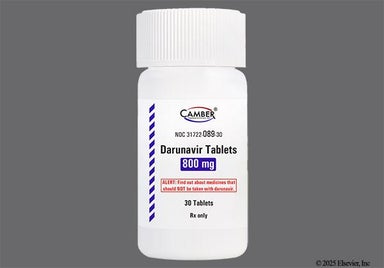
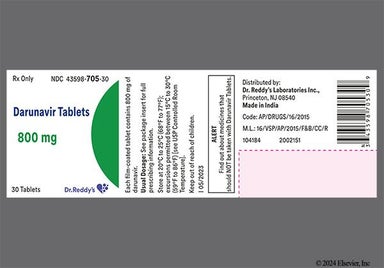
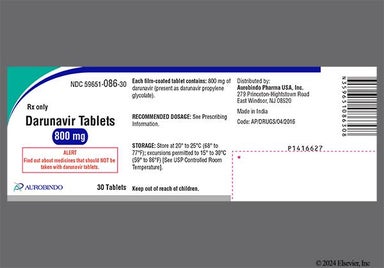
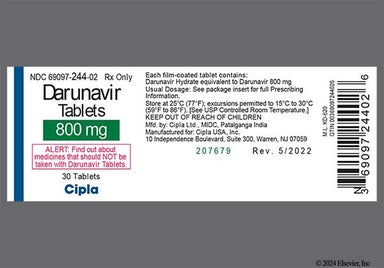
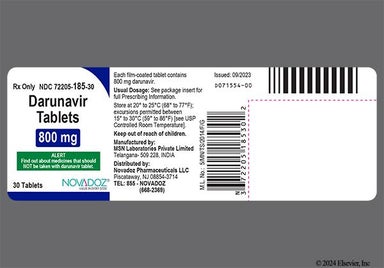
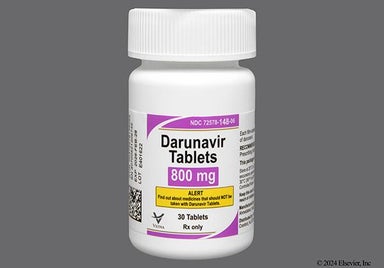
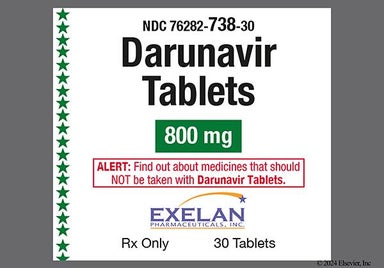
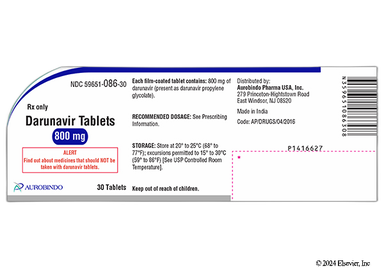
Prezista (darunavir) images