






Heart Attack Medications: What You May Need After Myocardial Infarction
Your cardiologist may prescribe statins and other medications after a heart attack. Here’s a list of heart attack medications for myocardial infarction.
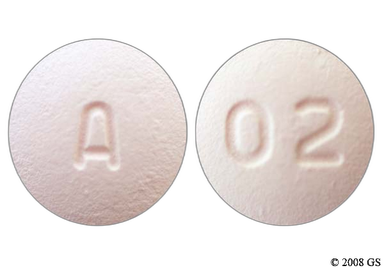
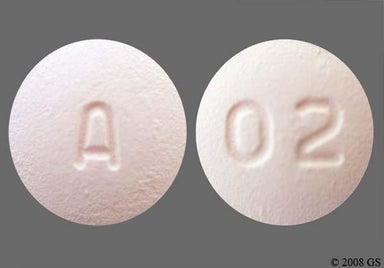
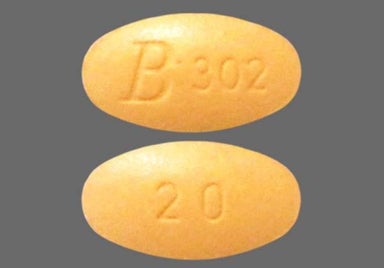
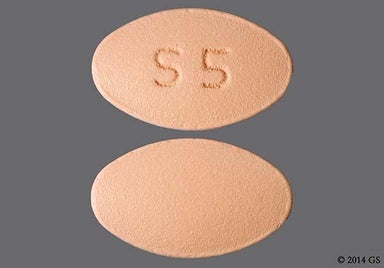
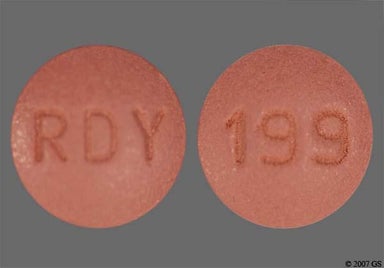
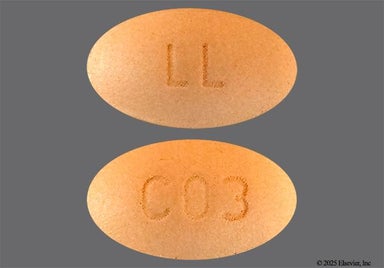
Simvastatin is a low-to-moderate intensity statin that helps lower cholesterol. This helps lower the risk of serious problems like heart attack or stroke. It's approved for adults and certain children 10 years and older. Simvastatin tablets are available as brand-name Zocor and a generic. The liquid suspension form only comes as brand-name FloLipid. The simvastatin dose is taken by mouth once each night. It works best when you also eat heart-healthy foods and stay active. Possible side effects are stomach pain, muscle pain, and headache.

Simvastatin is a statin. The main way it works is by blocking a protein in your liver that makes cholesterol. By blocking this protein, simvastatin affects different types of cholesterol and fats in the body.
| Common Brands | Zocor, FloLipid |
|---|---|
| Drug Class | Statin |
| Controlled Substance Classification | Not a controlled medication |
| Generic Status | Lower-cost generic available |
| Availability | Prescription only |

The following side effects may get better over time as your body gets used to the medication. Let your healthcare provider know immediately if you continue to experience these symptoms or if they worsen over time.
Contact your healthcare provider immediately if you experience any of the following.
Along with its needed effects, a medicine may cause some unwanted effects. Although not all of these side effects may occur, if they do occur they may need medical attention.
Check with your doctor immediately if any of the following side effects occur:
More common
Dizziness
fainting
fast or irregular heartbeat
Less common
Bladder pain
bloody or cloudy urine
blurred vision
body aches or pain
chills
dark-colored urine
difficult, burning, or painful urination
difficulty with breathing
difficulty with moving
ear congestion
flushed, dry skin
frequent urge to urinate
fruit-like breath odor
headache
increased hunger
increased thirst
increased urination
joint pain
loss of consciousness
lower back or side pain
muscle cramps, spasms, stiffness, pain, tenderness, wasting, or weakness
runny or stuffy nose
stomachache
sweating
swelling
swollen joints
trouble breathing
unexplained weight loss
unusual tiredness or weakness
vomiting
Incidence not known
Blistering, peeling, or loosening of the skin
burning, crawling, itching, numbness, prickling, "pins and needles", or tingling feelings
difficulty with swallowing
general tiredness and weakness
indigestion
large, hive-like swelling on the face, eyelids, lips, tongue, throat, hands, legs, feet, or sex organs
light-colored stools
loss of appetite
pains in the stomach, side, or abdomen, possibly radiating to the back
pale skin
puffiness or swelling of the eyelids or around the eyes, face, lips, or tongue
red skin lesions, often with a purple center
red, irritated eyes
sores, ulcers, or white spots in the mouth or on the lips
tightness in the chest
unusual bleeding or bruising
upper right abdominal or stomach pain
weakness in the arms, hands, legs, or feet
yellow eyes or skin
Some side effects may occur that usually do not need medical attention. These side effects may go away during treatment as your body adjusts to the medicine. Also, your health care professional may be able to tell you about ways to prevent or reduce some of these side effects. Check with your health care professional if any of the following side effects continue or are bothersome or if you have any questions about them:
Less common
Acid or sour stomach
belching
burning feeling in the chest or stomach
dizziness or lightheadedness
excess air or gas in the stomach or intestines
feeling of constant movement of self or surroundings
full feeling
lack or loss of strength
pain or tenderness around the eyes and cheekbones
passing gas
sensation of spinning
skin rash, encrusted, scaly, and oozing
stomach discomfort, upset, or pain
tenderness in the stomach area
trouble sleeping
Incidence not known
Being forgetful
discoloration of the skin
hair loss or thinning of the hair
inability to have or keep an erection
loss in sexual ability, desire, drive, or performance
Other side effects not listed may also occur in some patients. If you notice any other effects, check with your healthcare professional.
Call your doctor for medical advice about side effects. You may report side effects to the FDA at 1-800-FDA-1088.



Tips for FloLipid, the oral liquid form of simvastatin:

Simvastatin can cause some serious health issues. This risk may be even higher for certain groups. If this worries you, talk to your doctor or pharmacist about other options.
Simvastatin can sometimes cause muscle pain or weakness. The risk is higher if you take other medications that cause muscle damage or interact with simvastatin.
In rare cases, simvastatin can cause a serious muscle problem called rhabdomyolysis. This can break down muscles and lead to kidney damage. Very rarely, statins like simvastatin can also cause immune-mediated necrotizing myopathy (IMNM). This is an autoimmune condition that causes muscle inflammation and muscle weakness. It might last even after you stop taking the statin.
Tell your care team if you have unusual muscle pain, soreness, or weakness. They can check what's going on. But get medical care right away if you have severe muscle pain, dark urine, or extreme tiredness. These can be signs of a serious muscle problem like rhabdomyolysis. Depending on your symptoms, you might need to stop taking simvastatin and get treated for the muscle problem.
Some people taking simvastatin had higher liver enzyme levels. This can be a sign of liver damage. Most times, these changes happened soon after starting the medication. They're usually temporary and don't cause symptoms. But in rare cases, serious liver problems, including liver failure, have happened.
Before starting simvastatin, let your prescriber know if you have any liver problems. They might also ask for you to get a blood test done to check your liver health. People who have liver problems or high liver enzyme levels shouldn't take this medication.
While taking simvastatin, your prescriber might ask for more blood tests to check your liver. Watch for signs of liver damage and get medical help right away if you notice them. These signs include yellowish skin or eyes, stomach pain or swelling, nausea, vomiting, dark urine, or dark or bloody stools. You might need to stop taking simvastatin to protect your liver.
Some research suggests that statins like simvastatin might slightly raise blood sugar levels. This can sometimes lead to a higher A1C, which is your average blood sugar over about 3 months. Even so, healthcare professionals believe the benefits of statins are greater than this small risk.
Tell your prescriber if you have diabetes or high blood sugar so they know to follow up with you about this. You might need to check your blood sugar more often. While taking simvastatin, remember to eat healthy, balanced meals and get regular exercise.
If you become pregnant, stop taking simvastatin and tell your prescriber right away. This medication isn't recommended during pregnancy unless the benefits are greater than the risks. Statins might harm an unborn baby. Talk to your prescriber about the safest treatment options for you if you're pregnant or planning to become pregnant.
Breastfeeding is also not recommended while you're taking simvastatin. Some statins can pass into breast milk and might harm your baby. Talk to your prescriber or a lactation expert about safe ways to feed your baby.

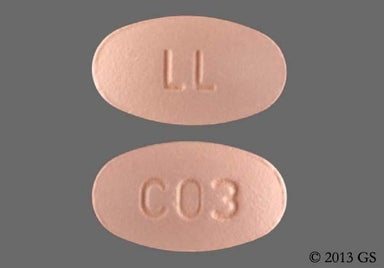
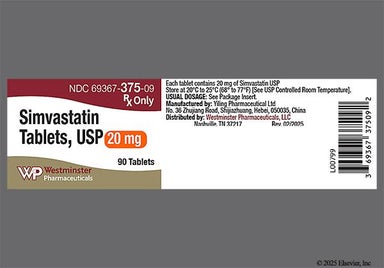
 Tablet
| Dosage | Quantity | Price as low as | Price per unit |
|---|---|---|---|
| 20mg | 90 tablets | $15.29 | $0.17 |
| 40mg | 90 tablets | $17.44 | $0.19 |
| 5mg | 90 tablets | $17.35 | $0.19 |
| 80mg | 90 tablets | $24.89 | $0.28 |
| 10mg | 90 tablets | $15.13 | $0.17 |
Simvastatin liquid suspension (FloLipid):
Your dose might be different if you have kidney problems or if you take certain medications that interact with simvastatin.

Although certain medicines should not be used together at all, in other cases two different medicines may be used together even if an interaction might occur. In these cases, your doctor may want to change the dose, or other precautions may be necessary. When you are taking this medicine, it is especially important that your healthcare professional know if you are taking any of the medicines listed below. The following interactions have been selected on the basis of their potential significance and are not necessarily all-inclusive.
Using this medicine with any of the following medicines is not recommended. Your doctor may decide not to treat you with this medication or change some of the other medicines you take.
Using this medicine with any of the following medicines is usually not recommended, but may be required in some cases. If both medicines are prescribed together, your doctor may change the dose or how often you use one or both of the medicines.
Using this medicine with any of the following medicines may cause an increased risk of certain side effects, but using both drugs may be the best treatment for you. If both medicines are prescribed together, your doctor may change the dose or how often you use one or both of the medicines.


Contraindications are specific health conditions or situations in which a person should not take a medication due to safety concerns. If you have any of the following conditions or if any of the following apply to you, let your healthcare provider know because Simvastatin will not be safe for you to take.











Prescription savings
Stop paying too much for your prescriptions. Compare prices, get pharmacy coupons, and save up to 80%.Resources
About GoodRx
 Find expert answers to your health questions so you can make the best decisions for yourself and your family.
Health conditions
Medications & treatment
Access & affordability
Well-being
Medication discounts

Yes, 40 mg per day is the maximum recommended dose for Simvastatin. The FDA released a statement about a higher risk of severe muscle damage at doses greater than 40 mg per day. If your cholesterol levels are still too high with 40 mg of Simvastatin per day, talk to your prescriber about your options.
It's not clear if statins like Simvastatin can cause weight gain. A study found that people who took statins for a long time gained up to 11 pounds over 10 years compared to those who didn't take them. This weight gain might be linked to changes in eating habits. It's not clear how statins play a role. Some research suggests that statins might change the levels of a hormone that helps control appetite, but the findings are mixed. To get the most from treatment, be sure to follow a heart-healthy diet and get regular exercise. Talk to your care team if you notice changes in your weight or appetite while taking Simvastatin.
In studies, hair loss wasn't a common side effect people had with Simvastatin. Talk to your prescriber if you notice hair loss after starting this medication. They can find out what's causing it and help you manage it.
Constipation is a possible side effect of Simvastatin. To help prevent constipation, be sure to stay hydrated, eat fiber, and get regular exercise. If you get constipated and it bothers you, there are some over-the-counter medications you can try. Talk to a healthcare professional if you're not sure which is best for you.
Possible muscle pain is a well-known side effect of statins like Simvastatin. This can happen even if you've been taking it for years without any problem. If you feel any unusual muscle pain while taking this medication, tell your care team right away. They can check what's going on. To help, they might lower your dose or change how often you take the medication (e.g., every other day instead of daily). Or, your prescriber might switch you to a different statin. You might not get muscle pain from a different statin just because it happened with Simvastatin. Get medical help right away if you also have dark urine or a fever in addition to muscle pain. These might be signs of a very serious muscle problem called rhabdomyolysis.
No, Simvastatin isn't a blood thinner. It doesn't prevent your blood from clotting and it doesn't raise your risk of bleeding. Instead, Simvastatin is a type of medication called a statin. It helps lower your cholesterol levels.
It's best to take Simvastatin at night each day. This helps the medication work the best it can to help lower your cholesterol levels. Your body makes more cholesterol at night and the medication doesn't last as long throughout the day as some other statins. If taking Simvastatin at night is challenging for you, talk to your prescriber. They can help come up with a plan that works better for you.
No, Simvastatin and atorvastatin (Lipitor) are not the same. They're two different statin medications. Atorvastatin (Lipitor) usually lowers cholesterol more than Simvastatin. Because of this, atorvastatin (Lipitor) is called a "moderate-to-high intensity" statin. In contrast, Simvastatin is called a "low-to-moderate intensity" statin. They also have different drug interactions. Talk to your healthcare team to compare. They can help you understand which one is best for you.
