



8 Tricyclic Antidepressant (TCA) Side Effects: Dizziness, Dry Mouth, and More
Read on to learn the side effects of tricyclic antidepressants (TCAs), including common, rare, and long-term side effects, and how to manage them.

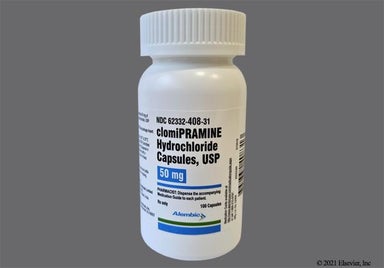
Clomipramine (Anafranil) is a tricyclic antidepressant used to treat obsessive-compulsive disorder (OCD). It can be used by children as young as 10 years old. The medication is taken by mouth and your dosage might increase over several weeks. Clomipramine (Anafranil) isn't a first-choice medication because of the high risk for side effects such as dry mouth, sleepiness, weight gain, and headaches.

Clomipramine (Anafranil) is a tricyclic antidepressant (TCA). It's believed to help raise the amounts of specific chemicals in the brain, like serotonin. This balancing act helps control behavior, feelings, mood, and thoughts linked to obsessive-compulsive disorder.
| Common Brands | Anafranil |
|---|---|
| Drug Class | Tricyclic antidepressant |
| Controlled Substance Classification | Not a controlled medication |
| Generic Status | Lower-cost generic available |
| Availability | Prescription only |

The following side effects may get better over time as your body gets used to the medication. Let your healthcare provider know immediately if you continue to experience these symptoms or if they worsen over time.
Contact your healthcare provider immediately if you experience any of the following.
Along with its needed effects, a medicine may cause some unwanted effects. Although not all of these side effects may occur, if they do occur they may need medical attention.
Check with your doctor immediately if any of the following side effects occur:
More common
Bladder pain
bloody or cloudy urine
blurred vision
body aches or pain
burning, crawling, itching, numbness, prickling, "pins and needles", or tingling feelings
confusion
difficult, burning, or painful urination
dizziness, faintness, or lightheadedness when getting up suddenly from a lying or sitting position
excessive muscle tone
fear or nervousness
feeling sad or empty
hearing changes
hives or welts, skin rash
irritability
lower back or side pain
muscle stiffness, tension, or tightness
poor concentration
rhythmic movement of muscles
tightness of the chest
trouble breathing
unusual tiredness or weakness
voice changes
Less common
Anger that is hard to control
breast enlargement
changes in vision
chest pain or discomfort
chills
decrease in the frequency of urination
deep or fast breathing with dizziness
difficulty in speaking
fast, irregular, pounding, or racing heartbeat or pulse
headache, severe and throbbing
numbness of the feet, hands, and around the mouth
numbness, tingling, pain, or weakness in the hands or feet
pain during sexual intercourse
paranoia
rapidly changing moods
restlessness
shaking
sores, ulcers, or white spots on the lips or tongue or inside the mouth
sweating
swelling of the face, fingers, feet, or lower legs
vomiting
Incidence not known
Agitation
blindness
decreased awareness or responsiveness
dizziness
hostility
increased thirst
loss of consciousness
muscle pain, cramps, or twitching
rapid weight gain
seizures
severe sleepiness
swollen, painful, or tender lymph glands in the neck, armpit, or groin
tearing
unusual drowsiness, dullness, or feeling of sluggishness
yellow skin or eyes
Some side effects may occur that usually do not need medical attention. These side effects may go away during treatment as your body adjusts to the medicine. Also, your health care professional may be able to tell you about ways to prevent or reduce some of these side effects. Check with your health care professional if any of the following side effects continue or are bothersome or if you have any questions about them:
More common
Blistering, crusting, irritation, itching, or reddening of the skin
change in taste
cracked, dry, or scaly skin
change in interest in sexual intercourse
inability to have or keep an erection
increased interest in sexual intercourse
joint pain or swelling
redness of the face, neck, arms, and occasionally, upper chest
shakiness in the legs, arms, hands, or feet
stomach discomfort, upset, or pain
swelling
trembling or shaking of the hands or feet
Other side effects not listed may also occur in some patients. If you notice any other effects, check with your healthcare professional.
Call your doctor for medical advice about side effects. You may report side effects to the FDA at 1-800-FDA-1088.




Clomipramine (Anafranil) can cause some serious health issues. This risk may be even higher for certain groups. If this worries you, talk to your doctor or pharmacist about other options.
 Clomipramine (Anafranil) can raise the risk of suicidal thoughts or behavior. Watch for new or worsening depression, suicidal thoughts or behavior, especially during the first few months of treatment or when the dose changes. Let your healthcare provider know right away if you notice any unusual changes in mood or behavior while taking this medication.
Sometimes, depression is the first symptom of bipolar disorder. Treating someone with bipolar disorder with an antidepressant alone can cause a manic episode. Symptoms of a manic episode include great excitement, euphoria, delusions, and overactivity. This is more likely to happen if you or someone in your family has had bipolar disorder. Your healthcare provider should make sure you're evaluated for bipolar disorder before starting clomipramine (Anafranil). Talk to your provider right away if you notice unusual changes in your behavior.
Serotonin syndrome is a rare, but potentially life-threatening, condition that happens when there's too much serotonin active in the brain. This is more likely to happen if you're also taking other medications that affect serotonin levels, such as other antidepressants, monoamine oxidase inhibitors (MAOIs), lithium (Lithobid), and triptans. Symptoms of serotonin syndrome include fast heartbeat, sweating, muscle stiffness or spasms, fever, and confusion. Go to the emergency room right away if you think you are having these symptoms.
Clomipramine (Anafranil) can raise the chance of seizures for some people, including those who have had seizures in the past. Clomipramine (Anafranil) is generally not recommended if you have a history of seizures. Talk to your healthcare provider to see if this medication is safe for you.
While taking clomipramine (Anafranil), you might experience dizziness and falls due to a sudden drop in blood pressure when changing positions (such as going from sitting to standing). If you're sensitive to low blood pressure or are on medications to control your blood pressure, change positions slowly until your body is used to clomipramine (Anafranil). If you still feel dizzy after a week or two, talk to your provider since a different medication may be better for you.
Clomipramine (Anafranil) can cause your pupils to widen, which, for some people with an underlying eye condition, can lead to an eye problem called angle-closure glaucoma. Symptoms of this can include eye pain, headache, changes in vision, nausea, and vomiting. Your healthcare provider might want you to have an eye exam to see if you have a higher chance of these eye problems before taking clomipramine (Anafranil).
Clomipramine (Anafranil) can lower your sodium level. Your risk for this problem is higher if you're also taking water pills, such as furosemide (Lasix). A low sodium level can be dangerous because it might lead to seizures or death. Let your provider know if you experience symptoms such as headache, difficulty concentrating or remembering, weakness, or feeling unsteady on your feet.
Although rare, serious skin reactions called Drug Reaction with Eosinophilia and Systemic Symptoms (DRESS) syndrome have been reported with clomipramine (Anafranil). Watch out for symptoms including fever, rash, and internal organ involvement and notify your provider immediately.


Although certain medicines should not be used together at all, in other cases two different medicines may be used together even if an interaction might occur. In these cases, your doctor may want to change the dose, or other precautions may be necessary. When you are taking this medicine, it is especially important that your healthcare professional know if you are taking any of the medicines listed below. The following interactions have been selected on the basis of their potential significance and are not necessarily all-inclusive.
Using this medicine with any of the following medicines is not recommended. Your doctor may decide not to treat you with this medication or change some of the other medicines you take.
Using this medicine with any of the following medicines is usually not recommended, but may be required in some cases. If both medicines are prescribed together, your doctor may change the dose or how often you use one or both of the medicines.
Using this medicine with any of the following medicines may cause an increased risk of certain side effects, but using both drugs may be the best treatment for you. If both medicines are prescribed together, your doctor may change the dose or how often you use one or both of the medicines.


Contraindications are specific health conditions or situations in which a person should not take a medication due to safety concerns. If you have any of the following conditions or if any of the following apply to you, let your healthcare provider know because Clomipramine (Anafranil) will not be safe for you to take.

















Prescription savings
Stop paying too much for your prescriptions. Compare prices, get pharmacy coupons, and save up to 80%.Resources
About GoodRx
 Find expert answers to your health questions so you can make the best decisions for yourself and your family.
Health conditions
Medications & treatment
Access & affordability
Well-being
Medication discounts

It usually takes about 6 to 12 weeks for Anafranil to work for OCD. To avoid stomach-related side effects, your provider will need to start you at a low dose and might slowly raise it if you tolerate the medication. Continue taking Anafranil as instructed by your provider, even if you don't notice improvement in your OCD symptoms right away.
No. Anafranil belongs to a class of medications called tricyclic antidepressants (TCAs). It doesn't work the same way as an selective serotonin reuptake inhibitor (SSRI).
No, Anafranil isn't a controlled substance. This is because it isn't known to have the potential for misuse or addiction.
It can. In clinical studies, 18% of adults experienced weight gain while taking Anafranil compared to 1% of adults who took a placebo. If this becomes an issue, let your provider know.
It's not known how Anafranil will affect you since everyone responds differently. While drowsiness, tremor, dizziness, headache, and stomach issues are common side effects of Anafranil, they might get better over time as your body adjusts to the medication. Also, your provider will likely start you at a low dose and slowly raise the amount of the medication you take to make sure you aren't having bothersome side effects. If you experience side effects, talk with your provider about slowly lowering your dose or changing to a different medication.
Drinking alcohol while taking Anafranil isn't recommended. It can raise your risk of side effects, especially drowsiness, mood changes, and thoughts of suicide.
