



Does Trintellix Cause Weight Gain?
In clinical trials, the antidepressant Trintellix (vortioxetine) didn’t cause major weight gain. But some people still report it.
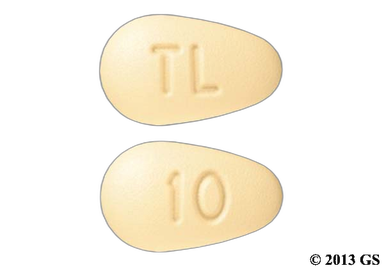
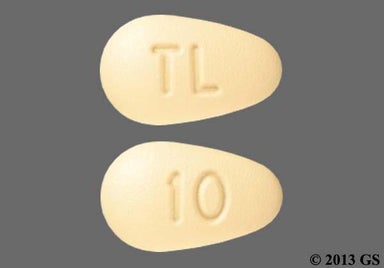
Trintellix, the brand name for vortioxetine, belongs to a drug class called atypical antidepressants. It's used to treat depression in adults. This medication comes as a tablet that you take by mouth once a day. Common side effects include nausea, diarrhea, and dry mouth. Sexual side effects can also happen, but it's usually less likely than with some other antidepressants. As of 2025, there's no generic version of Trintellix (vortioxetine) available yet.

Trintellix (vortioxetine) is an atypical antidepressant. It's not fully understood how the medication works. But researchers think it helps boost serotonin in your brain. Serotonin is a chemical in the brain that plays a role in regulating mood and emotion.
| Common Brands | Trintellix |
|---|---|
| Drug Class | Atypical antidepressant |
| Controlled Substance Classification | Not a controlled medication |
| Generic Status | No lower-cost generic available |
| Availability | Prescription only |

The following side effects may get better over time as your body gets used to the medication. Let your healthcare provider know immediately if you continue to experience these symptoms or if they worsen over time.
Contact your healthcare provider immediately if you experience any of the following.
Along with its needed effects, a medicine may cause some unwanted effects. Although not all of these side effects may occur, if they do occur they may need medical attention.
Check with your doctor immediately if any of the following side effects occur:
Incidence not known
Agitation
blood in the stool or urine
confusion
decreased urine output
difficulty swallowing
dizziness
fast or irregular heartbeat
headache
hostility
increased sweating
increased thirst
irritability
large, hive-like swelling on the face, eyelids, lips, tongue, throat, hands, legs, feet, or sex organs
muscle pain or cramps
nausea or vomiting
nose bleeds
overactive reflexes
poor coordination
puffiness or swelling of the eyelids or around the eyes, face, lips, or tongue
red or purple spots on the skin
restlessness
seizures
shivering
sweating
swelling of the breasts or unusual milk production
swelling of the face, ankles, or hands
talking or acting with excitement you cannot control
tightness in the chest
trembling or shaking
trouble breathing
twitching
unusual bleeding or bruising
unusual tiredness or weakness
vomiting blood
Some side effects may occur that usually do not need medical attention. These side effects may go away during treatment as your body adjusts to the medicine. Also, your health care professional may be able to tell you about ways to prevent or reduce some of these side effects. Check with your health care professional if any of the following side effects continue or are bothersome or if you have any questions about them:
Less common
Abnormal ejaculation
bloated or full feeling
decreased sexual performance or desire
excess air or gas in the stomach or intestines
itching skin
passing gas
unusual dreams
Incidence not known
Acid or sour stomach
belching
blurred vision
change in taste
dizziness or lightheadedness
feeling of constant movement of self or surroundings
feeling of warmth
indigestion
loss of taste
redness of the face, neck, arms, and occasionally, upper chest
sensation of spinning
stomach discomfort, upset, or pain
Other side effects not listed may also occur in some patients. If you notice any other effects, check with your healthcare professional.
Call your doctor for medical advice about side effects. You may report side effects to the FDA at 1-800-FDA-1088.




Trintellix (vortioxetine) can cause some serious health issues. This risk may be even higher for certain groups. If this worries you, talk to your doctor or pharmacist about other options.
 Trintellix (vortioxetine) may increase your risk of suicidal thoughts or behavior, especially in people under the age of 25. Watch out for worsening depression or any unusual changes in your mood or behavior, especially during the first few months of treatment or with a dose change. Talk to a healthcare professional if you experience any of these symptoms, and seek urgent care if needed.
Trintellix (vortioxetine) can cause a very serious and dangerous problem called serotonin syndrome. This happens when you have too much serotonin in your brain.
Your risk is higher if you take Trintellix (vortioxetine) with other medications that also make your serotonin go up. They can include other antidepressants, some opioid pain medications, and triptans for migraine. That's why it's important to tell your care team about all the medications you take. They can check if you're at risk for serotonin syndrome.
Stop taking Trintellix (vortioxetine) and get medical help right away if you have signs of serotonin syndrome. Look out for fever, a lot of sweating, fast heart rate, muscle stiffness or spasms, and confusion.
Trintellix (vortioxetine) can raise the risk that you can bleed more easily. The risk is even higher if you also take medications that have a bleeding risk. These include nonsteroidal anti-inflammatory drugs (NSAIDs) like ibuprofen (Advil) and aspirin. It also includes blood thinners like warfarin (Coumadin).
Tell your prescriber and pharmacist about your medications while taking Trintellix (vortioxetine). They can check your bleeding risk. Get medical help right away if you have bleeding that's hard to stop, bruising that doesn't go away, vomit blood, or have black and tarry stool. These might be signs of a serious bleed.
Giving someone with bipolar disorder an antidepressant like Trintellix (vortioxetine) by itself can sometimes make them have a manic episode. They can have lots of energy, become very talkative, have racing thoughts, and do risky things. In studies, manic signs were rare with Trintellix (vortioxetine).
Before you start Trintellix (vortioxetine), it's important to tell your prescriber if you or someone in your family has bipolar disorder. Your prescriber will also check if you have this problem or if you're at risk of having it. If so, they'll make sure you get the right help.
Don't stop taking Trintellix (vortioxetine) all of a sudden without talking to your prescriber. Stopping it too quickly could make you have withdrawal symptoms. You could feel nauseous, sweat a lot, feel dizzy, have headaches, and have trouble sleeping.
If you want to stop taking Trintellix (vortioxetine), tell your prescriber first. They can help you stop safely by lowering your dose over time before you stop completely.
Antidepressants such as Trintellix (vortioxetine) can sometimes cause glaucoma to get worse for some people. Tell your prescriber if you have narrow-angle eyes or angle-closure glaucoma and haven't had laser eye surgery.
Call your eye specialist right away if you suddenly have blurry vision, severe eye pain, or see rings of light around lights. These could be signs of a serious eye problem called an angle-closure attack.
Trintellix (vortioxetine) can sometimes make you have low sodium levels in your blood. Watch out for signs like headaches, trouble focusing, feeling confused or weak, or being unsteady on your feet. This can lead to falls. Stop taking this medication and talk to your prescriber right away if this happens. Get urgent care if needed.
Trintellix (vortioxetine) might cause problems with sex for both males and females. These problems can include trouble with ejaculation or erectile dysfunction. It can also include not wanting to have sex as much or trouble having an orgasm.
If you notice changes in your sex life that worry you while taking Trintellix (vortioxetine), let your prescriber know. They can check if something else is causing these problems and find ways to help you feel better.

 Tablet
| Dosage | Quantity | Price as low as | Price per unit |
|---|---|---|---|
| 5mg | 30 tablets | $10.00 | $0.33 |
| 10mg | 30 tablets | $10.00 | $0.33 |
| 20mg | 30 tablets | $10.00 | $0.33 |
The typical starting dose is 10 mg by mouth once daily. The maximum dose is 20 mg by mouth per day.
Your prescriber can adjust the dose based on how well Trintellix (vortioxetine) is working and if you have side effects. They'll also adjust the dose if you take certain interacting medications.

Although certain medicines should not be used together at all, in other cases two different medicines may be used together even if an interaction might occur. In these cases, your doctor may want to change the dose, or other precautions may be necessary. When you are taking this medicine, it is especially important that your healthcare professional know if you are taking any of the medicines listed below. The following interactions have been selected on the basis of their potential significance and are not necessarily all-inclusive.
Using this medicine with any of the following medicines is not recommended. Your doctor may decide not to treat you with this medication or change some of the other medicines you take.
Using this medicine with any of the following medicines is usually not recommended, but may be required in some cases. If both medicines are prescribed together, your doctor may change the dose or how often you use one or both of the medicines.


Contraindications are specific health conditions or situations in which a person should not take a medication due to safety concerns. If you have any of the following conditions or if any of the following apply to you, let your healthcare provider know because Trintellix (vortioxetine) will not be safe for you to take.









Prescription savings
Stop paying too much for your prescriptions. Compare prices, get pharmacy coupons, and save up to 80%. Find expert answers to your health questions so you can make the best decisions for yourself and your family.
Health conditions
Medications & treatment
Access & affordability
 Our monthly healthcare membership can help you save thousands on your prescription costs.
Resources

No, Trintellix isn't called a selective serotonin reuptake inhibitor (SSRI). Instead, it's called an atypical antidepressant. But they work in similar ways. Like SSRIs, Trintellix is thought to raise serotonin levels in the brain. This helps make your mood better.
Trintellix doesn't usually cause weight gain. In fact, it's considered a "weight-neutral" antidepressant. In studies, people had minimal changes in weight after a year of taking the medication. In general, you can help manage your weight by making some healthy choices. Try to eat a nutritious, balanced diet and exercise for at least 30 minutes a day. If you're worried about your weight, talk to a healthcare professional.
Some people might start to feel their mood get better within 2 weeks of taking Trintellix. But it could take a month of treatment or longer to feel the full effects of this medication. If you don't feel any better after that time, talk to your prescriber. They might decide to give you a higher dose of Trintellix, if possible. They can also talk with you about other options.
No, Trintellix isn't a controlled substance. The medication isn't known to have a risk of dependence.
No. As of 2025, Trintellix is only available as a brand-name medication. This could change in 2026 when the medication's patent is set to expire. This would let generic manufacturers make a generic version of the medication.
Trintellix isn't approved by the FDA to treat anxiety. But some studies have looked into using the medication for this purpose. This is considered an "off-label" use of the medication. In general, we need more studies to really know if it helps and if it's safe for anxiety. Talk to a healthcare professional about how to handle your anxiety.
You could have withdrawal symptoms if you stop taking Trintellix too suddenly. You might get headaches, feel like you have the flu, feel anxious, and have trouble sleeping. If you want to stop taking Trintellix, talk to your prescriber first. They can help you stop safely by lowering your dose a little at a time. This helps you avoid getting withdrawal symptoms.
Trintellix and escitalopram (Lexapro) are both medications for depression that you take once a day. They work in similar ways by raising the serotonin levels in your brain to help with mood. But they're actually two different types of antidepressants. Trintellix is only approved for adults. But Lexapro can be used in both adults and children of certain ages. Plus, Lexapro is also approved to help people with anxiety. Ask your prescriber to compare these medications and see which one is right for you.
