

Kesimpta, Tysabri, and More: 8 Injections and Infusions for Multiple Sclerosis
For people living with multiple sclerosis (MS), many injectable medications are available to manage the condition. Here are eight MS injections and infusions to know.
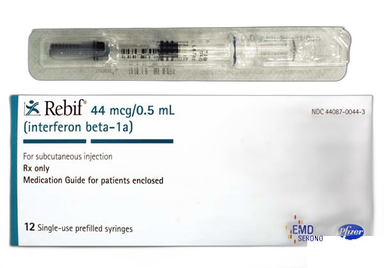
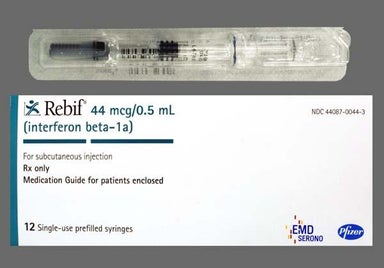
Rebif (interferon beta-1a) is an injectable biologic used for the treatment of relapsing multiple sclerosis (MS). However, it can cause uncomfortable flu-like symptoms as a side effect.

Rebif (interferon beta-1a) is a biologic medication. Interferons typically attach to certain proteins and affect cell processes. It's not known exacty how Rebif (interferon beta-1a) helps treat multiple sclerosis.
| Common Brands | Rebif |
|---|---|
| Drug Class | Biologic |
| Controlled Substance Classification | Not a controlled medication |
| Generic Status | No lower-cost generic available |
| Availability | Prescription only |

The following side effects may get better over time as your body gets used to the medication. Let your healthcare provider know immediately if you continue to experience these symptoms or if they worsen over time.
Contact your healthcare provider immediately if you experience any of the following.
Along with its needed effects, a medicine may cause some unwanted effects. Although not all of these side effects may occur, if they do occur they may need medical attention.
Check with your doctor immediately if any of the following side effects occur:
More common
Black, tarry stools
chills
flu-like symptoms
headache
joint pain
muscle aches
painful or difficult urination
sores, ulcers, or white spots on the lips or in the mouth
swollen glands
trouble breathing
unusual bleeding or bruising
unusual tiredness or weakness
Less common
Clumsiness or unsteadiness
decreased hearing
difficulty with swallowing
dizziness
fainting
feeling of warmth
mood changes, especially with thoughts of suicide
pain or discharge from the vagina
pelvic discomfort, aching, or heaviness
redness of the face, neck, arms, and occasionally, upper chest
redness, swelling, or tenderness at the injection site
runny or stuffy nose
seizures
skin lesions
speech problems
stomach pain
swelling of the face, lips, or eyelids
Rare
general feeling of discomfort or illness
loss of appetite
painful blisters on trunk of the body
painful cold sores or blisters on the lips, nose, eyes, or genitals
Incidence not known
Bleeding gums
blood in the urine or stools
bloody nose
chest discomfort
confusion
dark urine
decreased urine output
depressed mood
dilated neck veins
dry skin and hair
extreme fatigue
fast, irregular, or pounding heartbeat
feeling cold
general tiredness and weakness
heavier menstrual periods
high fever
irregular breathing
light-colored stools
loss of bladder control
mental depression
mood or other mental changes
muscle cramps and stiffness
nausea or vomiting
nervousness
pale skin
persistent loss of appetite
pinpoint red spots on the skin
puffiness or swelling of the eyelids, or around the eyes, face, lips, or tongue
redness, blistering, peeling, or loosening of the skin
sensitivity to heat
skin rash
slowed heartbeat
sudden loss of consciousness
sweating
swelling of the face, fingers, feet, or lower legs
swelling of the mouth or throat
tightness in the chest
tightness in the throat
upper right stomach pain or tenderness
weight gain or loss
yellow eyes and skin
Some side effects may occur that usually do not need medical attention. These side effects may go away during treatment as your body adjusts to the medicine. Also, your health care professional may be able to tell you about ways to prevent or reduce some of these side effects. Check with your health care professional if any of the following side effects continue or are bothersome or if you have any questions about them:
Other side effects not listed may also occur in some patients. If you notice any other effects, check with your healthcare professional.
Call your doctor for medical advice about side effects. You may report side effects to the FDA at 1-800-FDA-1088.




Rebif (interferon beta-1a) can cause some serious health issues. This risk may be even higher for certain groups. If this worries you, talk to your doctor or pharmacist about other options.
Interferons, such as Rebif (interferon beta-1a), can affect your mental health. This can include depression, aggressive behavior, and in severe cases, thoughts about harming yourself or others. Rebif (interferon beta-1a) might not be a good option for people who have a history of violent behavior or certain mental health conditions. Let your provider know if you notice a change in mood while taking Rebif (interferon beta-1a). If it's caused by the medication, it will usually go away once the medication is stopped.
Rebif (interferon beta-1a) can cause liver damage and in some cases lead to serious liver problems. Your provider will monitor your blood tests closely to check your liver function and might stop the medication if your liver tests get too high. Let your provider know if you have severe stomach pain, pale stools, dark urine, or yellowing of your skin or eyes. These can be signs of a liver problem.
Injection site reactions are pretty common with Rebif (interferon beta-1a). In some cases, the site can become infected, which can be serious. Always wash your hands and practice clean injection technique. Rotating your injection site can also help. After each injection, check your injection site. If there's broken skin that becomes black or blue and doesn't go away, contact your provider.
Risk factors: Taking other medications that lower blood cell counts
Rebif (interferon beta-1a) can affect the way your cells work and result in low blood cells. Having fewer red and white blood cells can raise your risk of bleeding, infection, and anemia. Your provider will monitor your labs and might stop or pause the medication if your cell counts become too low. Let your provider know if you have an infection or notice any abnormal bleeding (like bleeding gums when you brush your teeth, a cut that won't stop bleeding, or a bruise that gets larger with time).
It's rare, but using Rebif (interferon beta-1a) has been associated with seizures. Let your provider know if you have a history of seizures before starting Rebif (interferon beta-1a).

 Carton
| Dosage | Quantity | Price as low as | Price per unit |
|---|---|---|---|
| 12 syringes of 22mcg | 1 carton | $10,976.99 | $10,976.99 |
| 12 syringes of 44mcg | 1 carton | $10,247.29 | $10,247.29 |
| 12 autoinjectors of 22mcg | 1 carton | $10,976.99 | $10,976.99 |
| 12 autoinjectors of 44mcg | 1 carton | $10,272.23 | $10,272.23 |
 Titration pack
| Dosage | Quantity | Price as low as | Price per unit |
|---|---|---|---|
| 12 syringes of 8.8mcg and 22mcg | 1 titration pack | $10,976.99 | $10,976.99 |
| 12 autoinjectors of 8.8mcg and 22mcg | 1 titration pack | $10,976.99 | $10,976.99 |

Although certain medicines should not be used together at all, in other cases two different medicines may be used together even if an interaction might occur. In these cases, your doctor may want to change the dose, or other precautions may be necessary. When you are taking this medicine, it is especially important that your healthcare professional know if you are taking any of the medicines listed below. The following interactions have been selected on the basis of their potential significance and are not necessarily all-inclusive.
Using this medicine with any of the following medicines may cause an increased risk of certain side effects, but using both drugs may be the best treatment for you. If both medicines are prescribed together, your doctor may change the dose or how often you use one or both of the medicines.


Prescription savings
Stop paying too much for your prescriptions. Compare prices, get pharmacy coupons, and save up to 80%. Find expert answers to your health questions so you can make the best decisions for yourself and your family.
Health conditions
Medications & treatment
Access & affordability
Medication discounts


Rebif is very similar to Avonex and they both have the same active ingredient. Rebif is injected under the skin (subcutaneous), so it has to be injected more often and causes more injection site reactions. Avonex is injected into the muscle (intramuscular) once weekly. See the bottom of this page for a side by side comparison.
Rebif can lower the number of white blood cells that you have. White blood cells are responsible for fighting off infections. Low white blood cells can mean a weaker immune system.
Rebif must be injected into the fatty tissue under your skin. It can't be taken orally or injected into your muscle. Once you've chosen your injection site, use two fingers to pinch a pad of skin and inject.
Rebif must be injected into the layer of fat between your skin and muscle. Good areas of your body include your thigh, hip, stomach, or upper arm. Remember to rotate your injection sites to decrease soreness and irritation.
It's not known if Rebif can harm your unborn baby or raise your risk of a miscarriage. Talk to your provider about family planning before starting Rebif.
