



Is Your Medication Causing Dry Mouth?
Dry mouth isn’t just an annoyance, it can lead to serious dental issues if left untreated. Read on to see which medications are most likely to cause dry mouth.
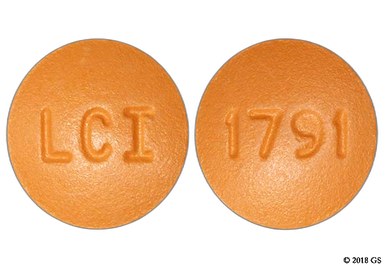
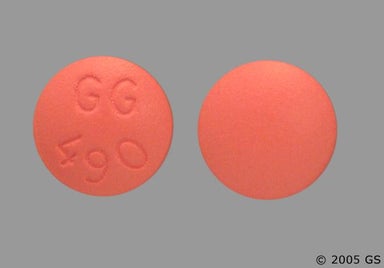
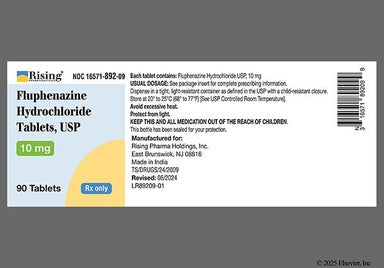
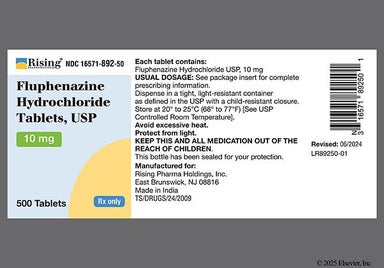
Fluphenazine is a typical antipsychotic and is used to treat conditions that cause psychosis. It's available as short-acting fluphenazine hydrochloride (tablets, liquid, injection) that's typically taken by mouth or injected 3 to 4 times a day. It also comes as long-acting fluphenazine decanoate (injection) that's usually given every 4 to 6 weeks. Side effects of this medication include drowsiness and movement problems. Brand name Prolixin is no longer available.

Fluphenazine is a typical antipsychotic. It works by blocking dopamine activity in your brain, which affects your thoughts and mood.
| Common Brands | Prolixin |
|---|---|
| Drug Class | Typical antipsychotic |
| Controlled Substance Classification | Not a controlled medication |
| Generic Status | Lower-cost generic available |
| Availability | Prescription only |

The following side effects may get better over time as your body gets used to the medication. Let your healthcare provider know immediately if you continue to experience these symptoms or if they worsen over time.
Contact your healthcare provider immediately if you experience any of the following.
Along with its needed effects, a medicine may cause some unwanted effects. Although not all of these side effects may occur, if they do occur they may need medical attention.
Phenothiazines can sometimes cause serious unwanted effects. Tardive dyskinesia or tardive dystonia (muscle movement disorders) may occur and may not go away after you stop using the medicine. Signs of tardive dyskinesia or tardive dystonia include worm-like movements of the tongue, or other uncontrolled movements of the mouth, tongue, cheeks, jaw, body, arms, or legs. Another possible serious unwanted effect is the neuroleptic malignant syndrome (NMS). Signs and symptoms of NMS include severe muscle stiffness, fever, fast heartbeat, difficult breathing, increased sweating, and loss of bladder control. You and your doctor should discuss the good this medicine will do as well as the risks of taking it.
Stop taking this medicine and get emergency help immediately if any of the following effects occur:
Rare
Symptoms of neuroleptic malignant syndrome
Confusion (severe) or coma
difficult or fast breathing
fast heartbeat
high or low (irregular) blood pressure
increased sweating
loss of bladder control
muscle stiffness (severe)
trembling or shaking
trouble in speaking or swallowing
Check with your doctor immediately if any of the following side effects occur:
More common
Inability to move eyes
increased blinking or spasms of eyelid
lip smacking or puckering
muscle spasms of face, neck, body, arms, or legs causing unusual postures or unusual expressions on face
puffing of cheeks
rapid or worm-like movements of tongue
sticking out of tongue
tic-like or twitching movements
trouble in breathing, speaking, or swallowing
uncontrolled chewing movements
uncontrolled movements of arms or legs
uncontrolled twisting movements of neck, trunk, arms, or leg
Rare
Irregular or slow heart rate
recurrent fainting
Check with your doctor as soon as possible if any of the following side effects occur:
More common
Blurred vision, change in color vision, or difficulty in seeing at night
fainting
loss of balance control
mask-like face
restlessness or need to keep moving
shuffling walk
stiffness of arms or legs
trembling and shaking of hands and fingers
Less common
Difficulty in urinating
skin rash
sunburn (severe)
Rare
Abdominal or stomach pains
aching muscles and joints
agitation, bizarre dreams, excitement, or trouble in sleeping
bleeding or bruising (unusual
clumsiness
confusion (mild)
constipation (severe)
convulsions (seizures)
dark urine
fever and chills
headaches
hot, dry skin or lack of sweating
itchy skin (severe)
muscle weakness
pain in joints
prolonged, painful, inappropriate erection of the penis
redness of hands
shivering
skin discoloration (tan or blue-gray)
sore throat and fever
sores in mouth
unusual bleeding or bruising
unusual tiredness or weakness
yellow eyes or skin
Phenothiazines may cause your urine to be dark. In most cases, this is not a sign of a serious problem. However, if your urine does become dark, discuss it with your doctor.
Some side effects may occur that usually do not need medical attention. These side effects may go away during treatment as your body adjusts to the medicine. Also, your health care professional may be able to tell you about ways to prevent or reduce some of these side effects. Check with your health care professional if any of the following side effects continue or are bothersome or if you have any questions about them:
Less common
Changes in menstrual period
decreased sexual ability
increased sensitivity of eyes to light
rough or “fuzzy” tongue
secretion of milk (unusual)
swelling or pain in breasts
watering of mouth
weight gain (unusual)
After you stop using this medicine, your body may need time to adjust. The length of time this takes depends on the amount of medicine you were using and how long you used it. During this time, check with your doctor if you notice dizziness, nausea and vomiting, stomach pain, trembling of the fingers and hands, or any of the following signs of tardive dyskinesia or tardive dystonia:
Inability to move eyes
lip smacking or puckering
muscle spasms of face, neck, body, arms, or legs, causing unusual body positions or unusual expressions on face
puffing of cheeks
rapid or worm-like movements of tongue
sticking out of tongue
tic-like or twitching movements
trouble in breathing, speaking, or swallowing
uncontrolled chewing movements
uncontrolled twisting or other movements of neck, trunk, arms, or legs
Although not all of the side effects listed above have been reported for all of the phenothiazines, they have been reported for at least one of them. However, since all of the phenothiazines are very similar, any of the above side effects may occur with any of these medicines.
Other side effects not listed may also occur in some patients. If you notice any other effects, check with your healthcare professional.
Call your doctor for medical advice about side effects. You may report side effects to the FDA at 1-800-FDA-1088.




Fluphenazine can cause some serious health issues. This risk may be even higher for certain groups. If this worries you, talk to your doctor or pharmacist about other options.
 People over the age of 65 who have dementia sometimes have some of the symptoms of psychosis, like hallucinations and delusions. This is called dementia-related psychosis, and it shouldn't be treated with fluphenazine. If fluphenazine is used for dementia-related psychosis, it can cause death. Let your provider know if you or your loved one has dementia before starting fluphenazine.
Antipsychotic medications like fluphenazine can cause a movement condition called tardive dyskinesia (TD). Common symptoms of TD include uncontrollable facial movements such as blinking or sticking out your tongue. It happens more often to older adults, especially older women, but can happen to anyone. Let your provider know if this starts to happen to you or a loved one if you're a caregiver. Sometimes TD will go away if fluphenazine is stopped or the dose is lowered.
Fluphenazine can cause a rare but life-threatening condition called neuroleptic malignant syndrome (NMS). Symptoms include high fever, fast heart rate, full body stiffness, and confusion. Get medical attention right away if you notice any of these symptoms. Your healthcare provider will likely find you another medication that will work better for you.
Fluphenazine can lower the number of white blood cells you have. White blood cells help your body to fight off infections and diseases. If you notice a fever or that you're getting sick more easily, let your provider know right away because they might have you stop taking this medication. Talk to your provider if you think you're getting sick more often.
Fluphenazine can cause prolactin hormone levels in your blood to go up. High prolactin levels can lead to a milky substance being released from the nipple, enlarged breasts, sexual dysfunction, absent or irregular menstrual periods, and weak bones. Your provider might do regular blood tests to make sure that your prolactin levels are in a healthy range.
Fluphenazine should only be used in pregnancy if the benefits outweigh the potential risks to your unborn baby. Newborn babies exposed to fluphenazine during the third trimester of pregnancy are at a higher risk for side effects and withdrawal symptoms following delivery. Let your healthcare provider know if you're pregnant or plan to become pregnant while taking fluphenazine.

 Dropper
| Dosage | Quantity | Price as low as | Price per unit |
|---|---|---|---|
| 60ml of 2.5mg/5ml | 1 dropper | $15.02 | $15.02 |
| 120ml of 5mg/ml | 1 dropper | $49.88 | $49.88 |
 Ml of elixir
| Dosage | Quantity | Price as low as | Price per unit |
|---|---|---|---|
| 2.5mg/5ml | 473 ml | $87.43 | $0.18 |

Although certain medicines should not be used together at all, in other cases two different medicines may be used together even if an interaction might occur. In these cases, your doctor may want to change the dose, or other precautions may be necessary. When you are taking any of these medicines, it is especially important that your healthcare professional know if you are taking any of the medicines listed below. The following interactions have been selected on the basis of their potential significance and are not necessarily all-inclusive.
Using medicines in this class with any of the following medicines is not recommended. Your doctor may decide not to treat you with a medication in this class or change some of the other medicines you take.
Using medicines in this class with any of the following medicines is usually not recommended, but may be required in some cases. If both medicines are prescribed together, your doctor may change the dose or how often you use one or both of the medicines.


Contraindications are specific health conditions or situations in which a person should not take a medication due to safety concerns. If you have any of the following conditions or if any of the following apply to you, let your healthcare provider know because Fluphenazine will not be safe for you to take.









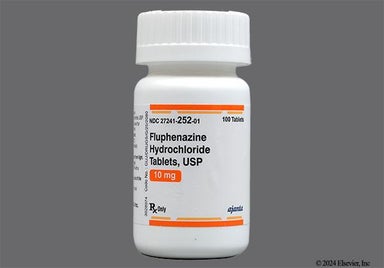
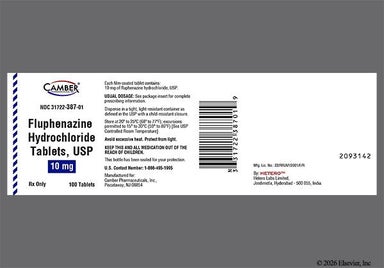
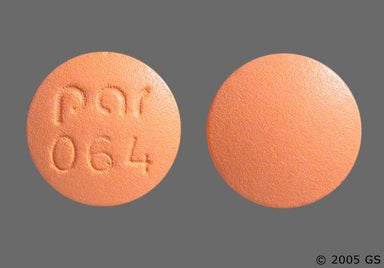

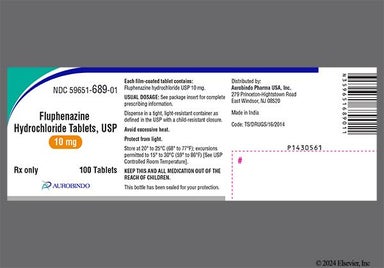
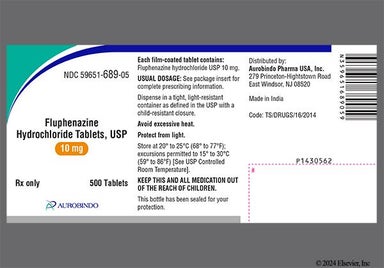
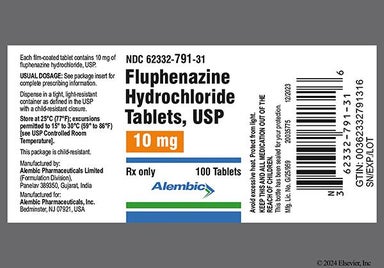

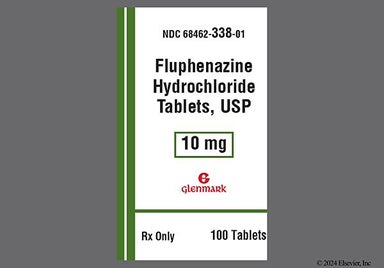
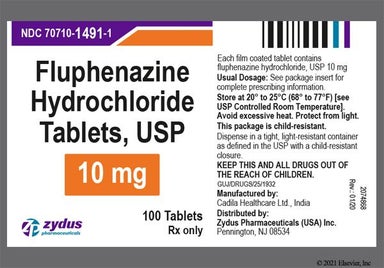

Prescription savings
Stop paying too much for your prescriptions. Compare prices, get pharmacy coupons, and save up to 80%. Find expert answers to your health questions so you can make the best decisions for yourself and your family.
Health conditions
Medications & treatment
Access & affordability
Medication discounts


Fluphenazine decanoate is given as an injection into the muscle or under the skin, usually by a healthcare provider in a clinic setting. It's the long-acting version of Fluphenazine, so you typically only need an injection once every 4 to 6 weeks, or as directed by your provider. Contact your provider if you have any questions.
No. Fluphenazine isn't a controlled substance because it doesn't have a risk of misuse or addiction.
The brand names of Fluphenazine, Prolixin and Permitil, have been discontinued. The generic versions, however, are still available. It isn't clear why the brand names have been discontinued, but Prolixin wasn't discontinued due to concerns of safety or effectiveness.
Yes, weight gain is a possible side effect from Fluphenazine. But you're less likely to see weight gain from Fluphenazine compared to some other antipsychotic medications. To lower your risk of weight gain, make sure to maintain a healthy diet and regular exercise routine. If the amount of weight you're gaining concerns you, your provider can consider switching your medication.
Some of the more common side effects of Fluphenazine include drowsiness, headache, dry mouth, constipation, and tremor. Let your provider know if you experience these or other side effects after starting Fluphenazine. They might be able to help you manage them with medications or lifestyle changes. For example, if you have dry mouth, you can try chewing sugar-free gum to help your salivary glands make more saliva. If you experience tremors, your provider might lower your dose of Fluphenazine or consider prescribing benztropine to ease symptoms. If you have any questions on a specific side effect, talk with your provider.
Stopping Fluphenazine suddenly can cause uncomfortable side effects, such as stomach pain, nausea, vomiting, dizziness, or shakiness, especially if you've been taking higher doses. Your provider might want you to lower your dose slowly over time before stopping completely.
There isn't enough information to know if Fluphenazine is safe to take during pregnancy. While limited reports show that Fluphenazine might cause birth defects, other studies show that it didn't cause harm during pregnancy. In general, babies born to mothers who took antipsychotic medications during the third trimester are more likely to experience movement disorders or withdrawal symptoms at birth, such as tremor, sleepiness, or agitation. If you're pregnant, discuss the risks and benefits of taking this medication with your provider.
Avoid drinking alcohol while taking Fluphenazine because it can make side effects like drowsiness worse. Drinking alcohol can also worsen your psychotic symptoms.
