





10 Medication Side Effects That Can Affect Your Mouth
Some medications cause mouth-related side effects, like dry mouth and burning mouth syndrome. Here are 10 common issues and medications that may cause them.
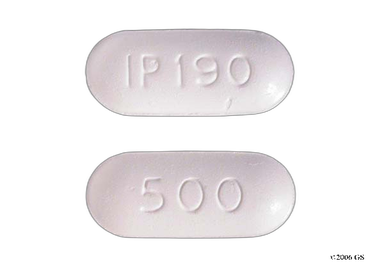
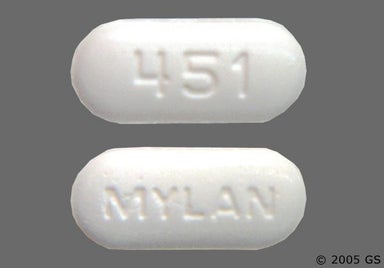
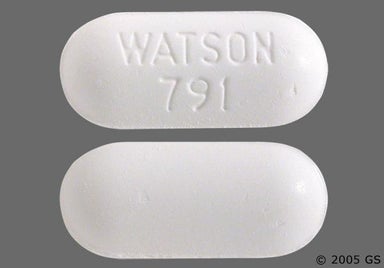
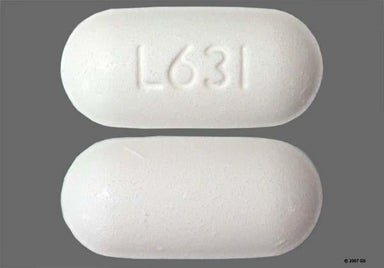
Prescription-strength naproxen (Naprosyn) is a non-steroidal anti-inflammatory drug (NSAID). It can be taken by adults and children to relieve pain and symptoms of certain conditions that cause inflammation, such as rheumatoid arthritis, osteoarthritis, or gout. Naproxen (Naprosyn) works by blocking specific proteins that cause inflammation and pain. Naproxen (Naprosyn) comes as tablet and liquid suspension that are taken by mouth, typically 2 to 3 times per day. Some common side effects include heartburn, stomach pain, and nausea.

Naproxen (Naprosyn) is a non-steroidal anti-inflammatory drug (NSAID). It works by blocking proteins (called cyclooxygenase, or COX) in your body that cause inflammation, pain, and swelling.
| Common Brands | Naprosyn, EC-Naprosyn |
|---|---|
| Drug Class | NSAID |
| Controlled Substance Classification | Not a controlled medication |
| Generic Status | Lower-cost generic available |
| Availability | Prescription only |

The following side effects may get better over time as your body gets used to the medication. Let your healthcare provider know immediately if you continue to experience these symptoms or if they worsen over time.
The following side effects were reported in 3-9% of people in clinical studies:
Contact your healthcare provider immediately if you experience any of the following.
Along with its needed effects, a medicine may cause some unwanted effects. Although not all of these side effects may occur, if they do occur they may need medical attention.
Check with your doctor immediately if any of the following side effects occur:
More common
Belching
bruising
difficult or labored breathing
feeling of indigestion
headache
itching skin
large, flat, blue, or purplish patches in the skin
pain in the chest below the breastbone
skin eruptions
stomach pain
swelling
tightness in the chest
Less common
bloody or black, tarry stools
blurred or loss of vision
burning upper abdominal or stomach pain
cloudy urine
decrease in urine output or decrease in urine-concentrating ability
disturbed color perception
double vision
fast, irregular, pounding, or racing heartbeat or pulse
halos around lights
indigestion
loss of appetite
nausea or vomiting
night blindness
overbright appearance of lights
pale skin
pinpoint red or purple spots on the skin
severe and continuing nausea
severe stomach burning, cramping, or pain
skin rash
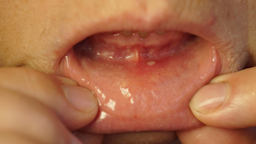
swelling or inflammation of the mouth
troubled breathing with exertion
tunnel vision
unusual bleeding or bruising
unusual tiredness or weakness
vomiting of material that looks like coffee grounds
Rare
back or leg pains
bleeding gums
blindness
blistering, peeling, or loosening of the skin
blood in the urine or stools
blue lips and fingernails
change in the ability to see colors, especially blue or yellow
chest pain or discomfort
clay-colored stools
cold sweats
coma
confusion
cool, pale skin
cough or hoarseness
coughing that sometimes produces a pink frothy sputum
cracks in the skin
darkened urine
decreased vision
difficult, burning, or painful urination
difficult, fast, or noisy breathing
difficulty with swallowing
dilated neck veins
dizziness
early appearance of redness, or swelling of the skin
excess air or gas in the stomach
extreme fatigue
fainting
fever with or without chills
fluid-filled skin blisters
flushed, dry skin
fruit-like breath odor
greatly decreased frequency of urination or amount of urine
high fever
increased hunger
increased sensitivity of the skin to sunlight
increased sweating
increased thirst
increased urination
increased volume of pale, dilute urine
irregular breathing
joint or muscle pain
large, hive-like swelling on the face, eyelids, lips, tongue, throat, hands, legs, feet, or sex organs
late appearance of rash with or without weeping blisters that become crusted, especially in sun-exposed areas of skin, may extend to unexposed areas
light-colored stools
lightheadedness
loss of heat from the body
lower back or side pain
nervousness
nightmares
no blood pressure
no breathing
no pulse
nosebleeds
numbness or tingling in the hands, feet, or lips
pain in the ankles or knees
pain or burning in the throat
pain or discomfort in the arms, jaw, back, or neck
painful, red lumps under the skin, mostly on the legs
pains in the stomach, side, or abdomen, possibly radiating to the back
pale or blue lips, fingernails, or skin
pounding in the ears
puffiness or swelling of the eyelids or around the eyes, face, lips, or tongue
rapid, shallow breathing
red, irritated eyes
red skin lesions, often with a purple center
red-green color blindness
redness or other discoloration of the skin
redness, swelling, or soreness of the tongue
seizures
severe sunburn
shakiness
skin thinness
slurred speech
sores, ulcers, or white spots on the lips or tongue or inside the mouth
sores, welting, or blisters
spots on your skin resembling a blister or pimple
stiff neck or back
stomach cramps or tenderness
stomach upset
swelling in the legs and ankles
swelling of the face, fingers, feet, or lower legs
swollen, painful, or tender lymph glands in the neck, armpit, or groin
tiny bumps on the inner lining of the eyelid
unexplained weight loss
unpleasant breath odor
watery or bloody diarrhea
weakness or heaviness of the legs
yellow eyes or skin
Get emergency help immediately if any of the following symptoms of overdose occur:
Some side effects may occur that usually do not need medical attention. These side effects may go away during treatment as your body adjusts to the medicine. Also, your health care professional may be able to tell you about ways to prevent or reduce some of these side effects. Check with your health care professional if any of the following side effects continue or are bothersome or if you have any questions about them:
More common
Continuing ringing or buzzing or other unexplained noise in the ears
hearing loss
Less common
Acid or sour stomach
change in hearing
feeling of constant movement of self or surroundings
passing gas
sensation of spinning
stomach soreness or discomfort
Rare
Appetite changes
burning, crawling, itching, numbness, prickling, "pins and needles", or tingling feelings
burning, dry, or itching eyes
difficulty with moving
discharge, excessive tearing
general feeling of discomfort or illness
lack or loss of strength
menstrual changes
muscle aching, cramping, stiffness, or weakness
not able to concentrate
redness, pain, or swelling of the eye, eyelid, or inner lining of the eyelid
seeing, hearing, or feeling things that are not there
shakiness in the legs, arms, hands, or feet
swollen joints
trembling or shaking of the hands or feet
trouble getting pregnant
trouble performing routine tasks
trouble sleeping
unusual drowsiness, dullness, or feeling of sluggishness
Other side effects not listed may also occur in some patients. If you notice any other effects, check with your healthcare professional.
Call your doctor for medical advice about side effects. You may report side effects to the FDA at 1-800-FDA-1088.



More tips for the oral suspension:

Naproxen (Naprosyn) can cause some serious health issues. This risk may be even higher for certain groups. If this worries you, talk to your doctor or pharmacist about other options.
 Naproxen (Naprosyn), like all NSAIDS, raises your risk for stomach ulcers (sores) and bleeds. Stomach bleeding can happen at anytime during treatment; it's a dangerous side effect that requires treatment right away. Often times, people who have stomach bleeds don't experience any symptoms. Make sure to tell your healthcare professional (HCP) or pharmacist about all of your conditions and medications before starting naproxen (Naprosyn) so they can talk with you about your risk for stomach bleeding. If you're feeling faint, vomiting blood, have bloody or dark stools, or have severe stomach pain or discomfort that doesn't go away while taking naproxen (Naprosyn), seek medical attention right away.
Naproxen (Naprosyn) might raise your risk of having blood clots, which can cause a heart attack or stroke. To lower your risk of blood clots and heart problems, your HCP will prescribe naproxen (Naprosyn) for the shortest time needed to treat your condition. If you have heart problems, talk to your HCP before starting this medication. Don't take naproxen (Naprosyn) if you had, or will have, heart surgery. Call 911 or get immediate help if you experience chest pain, shortness of breath, weakness on one side of your body, or trouble speaking or walking.
Naproxen (Naprosyn) can cause your body to hold onto extra fluid, which can raise your blood pressure or put you at risk for heart failure. Tell your HCP if you have a history of heart problems, or are taking blood pressure medications, before starting naproxen (Naprosyn) to make sure it's safe for you. Your HCP will screen you for heart problems before starting you on this medication. Some forms of naproxen (Naprosyn) contains sodium, so it's important to keep track of how much you're getting from your doses if you're on a low-salt diet. If you experience unexplained fainting, chest pain with physical activity, or irregular heartbeat while taking naproxen (Naprosyn), contact your HCP.
Naproxen (Naprosyn) can cause kidney problems. Your risk is higher if you have certain factors like older age, certain medical problems like diabetes, or you're taking medications that can cause kidney problems. Your healthcare professional might order lab tests to monitor your kidney health before and during treatment with naproxen (Naprosyn). If your kidney health worsens, your HCP might stop your naproxen (Naprosyn) treatment. Contact your HCP if you develop any signs or symptoms of kidney failure, including changes in your need to urinate, tiredness, dry and itchy skin, low appetite, and muscle cramps.
Though rare, naproxen (Naprosyn) can cause serious liver problems that can lead to liver failure. Get medical attention right away if you notice swelling of your stomach, stomach pain, yellowing of your skin or the whites of your eyes, stool changes (black, tarry, or bloody stools), nausea, vomiting, confusion, or dark or brown urine. You might need to stop using the medication to prevent further liver damage.
Severe allergic reactions to naproxen (Naprosyn) are possible, including life-threatening reactions like facial swelling, shock, and anaphylaxis. Let your HCP know if you have an allergy to aspirin or other NSAIDs before starting naproxen (Naprosyn). If you notice hives, rash, red skin, swelling of the lips or tongue, or difficulty breathing after using naproxen (Naprosyn), get medical attention right away.
Although rare, naproxen (Naprosyn) can cause serious skin reactions called Stevens-Johnson syndrome (SJS), toxic epidermal necrolysis (TEN), or drug reaction with eosinophilia and systemic symptoms (DRESS). If you notice changes in your skin, such as rash, blisters, skin reddening, or skin peeling, stop using naproxen (Naprosyn) and get medical attention right away.
Naproxen (Naprosyn) can cause harm to your unborn baby, especially if it's taken in the second half of pregnancy (after week 20). It can cause serious complications, such as heart or kidney problems in your unborn baby or problems during delivery. Speak to your HCP about the risks and benefits of taking naproxen (Naprosyn) if you're pregnant before taking this medication. Ask whether there are safer alternatives.

The different strengths and formulations of naproxen aren't interchangeable. Your healthcare team will likely need to adjust your dose if they're switching you from one form of naproxen to another.
Naproxen (Naprosyn) immediate-release tablet and Naproxen (Naprosyn) 125 mg/5 mL suspension:
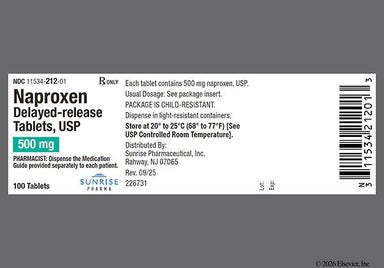
Naproxen (EC-Naprosyn) delayed-release tablet:

Although certain medicines should not be used together at all, in other cases two different medicines may be used together even if an interaction might occur. In these cases, your doctor may want to change the dose, or other precautions may be necessary. When you are taking this medicine, it is especially important that your healthcare professional know if you are taking any of the medicines listed below. The following interactions have been selected on the basis of their potential significance and are not necessarily all-inclusive.
Using this medicine with any of the following medicines is not recommended. Your doctor may decide not to treat you with this medication or change some of the other medicines you take.
Using this medicine with any of the following medicines is usually not recommended, but may be required in some cases. If both medicines are prescribed together, your doctor may change the dose or how often you use one or both of the medicines.
Using this medicine with any of the following medicines may cause an increased risk of certain side effects, but using both drugs may be the best treatment for you. If both medicines are prescribed together, your doctor may change the dose or how often you use one or both of the medicines.


Contraindications are specific health conditions or situations in which a person should not take a medication due to safety concerns. If you have any of the following conditions or if any of the following apply to you, let your healthcare provider know because Naproxen (Naprosyn) will not be safe for you to take.


































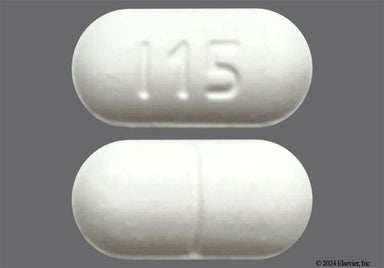
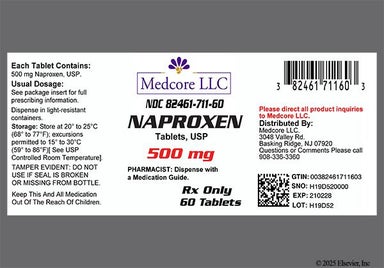
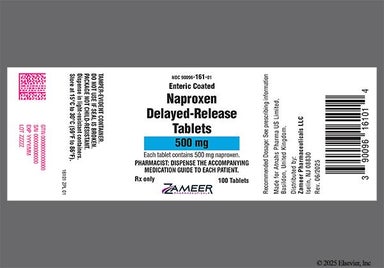
Prescription savings
Stop paying too much for your prescriptions. Compare prices, get pharmacy coupons, and save up to 80%. Find expert answers to your health questions so you can make the best decisions for yourself and your family.
Health conditions
Medications & treatment
Access & affordability
Medication discounts

If you're taking Naproxen for pain, you might feel your pain starting to improve 30 to 60 minutes after a dose. And it can take about 4 hours to feel the full effects of this medication. If you're taking Naproxen for inflammatory conditions, like rheumatoid arthritis or osteoarthritis, you might start to feel better after a week. And it can take about 2 weeks to notice the full benefits of this medication. Talk to your prescriber if you're concerned with how well Naproxen is working for you.
You should only take Naproxen for headaches if prescribed by your HCP. While Naproxen can help with headaches, it might not be appropriate for you depending on what's causing your headache and what other health conditions you have. For example, if you have migraines fairly often, your HCP might caution against taking Naproxen for pain relief each time because doing so might lead to rebound headaches. In this case, your HCP might ask you to consider a medication to prevent migraines instead. Talk with your healthcare team if you have more questions on Naproxen and headache.
Prescription-strength Naproxen is only available by prescription from a healthcare professional (HCP). But there is an over-the-counter (OTC) form, naproxen (Aleve), that's commonly found in most retail pharmacies.
Yes, it's possible for Naproxen to make you sleepy. In clinical studies, up to 9% of people reported sleepiness after taking Naproxen. When you first start Naproxen, pay attention to how this medication is making you feel. If you feel too sleepy to go about your day, contact your prescriber. They can check to see if the sleepiness is caused by Naproxen or other factors.
Yes, Naproxen can cause constipation as a side effect. To keep your risk of constipation low, try to eat fiber-rich foods, such as broccoli, spinach, and whole grains. It's also important to stay hydrated by drinking enough water. If these and other lifestyle changes don't work, ask your pharmacist or primary care provider about over-the-counter treatment options for constipation, such as docusate (Colace) or polyethylene glycol (Miralax).
Yes, Naproxen can potentially raise your blood pressure because it can cause your body to hold on to more salt and fluid. If you have high blood pressure or if you're taking blood pressure medications, ask your cardiologist or primary care provider whether Naproxen is a good option for you. If you choose to start Naproxen, your healthcare team might ask you to check your blood pressure more often while you're taking Naproxen. Let them know if you notice any changes in your blood pressure after starting this medication.
No, naproxen and ibuprofen aren't the same. But they're both NSAIDs used for a variety of types of pain and inflammation. Additionally, both medications have an over-the-counter and prescription-strength forms. One main difference between naproxen and ibuprofen is how often you take them. Naproxen is typically taken every 8 to 12 hours, while ibuprofen is usually taken every 4 to 6 hours. Talk to your healthcare professional (HCP) if you have questions about the differences between both medications.
Naproxen and acetaminophen (Tylenol) don't have any known interactions. Both medications work a little differently to relieve pain and fever. Some healthcare professionals might recommend to take both medications, or alternate between the two medications if either one alone isn't working to relieve pain. Keep in mind that acetaminophen (Tylenol) can raise the risk for liver damage, so it's not a good option for everyone. Check with your healthcare team to see if you can take acetaminophen (Tylenol) with Naproxen.
