



A Guide to Hair Loss in Women: Causes and Treatment for Thinning Hair
There are several causes of hair loss and hair thinning in women. The most likely cause depends on your age and the pattern of hair loss.

Medroxyprogesterone (Provera) can help make your menstrual cycles more regular. It also helps protect the uterus from harm in people who've gone through menopause and are taking estrogen replacement medications. When taken with estrogen therapy, it has some serious risks that you should consider if you need treatment for a long time.

Medroxyprogesterone (Provera) is a progestin. It's a lab-made version of the natural hormone progesterone. It regulates menstrual periods by helping to balance the levels of progesterone in the body.
When taken together with estrogen-containing medications, medroxyprogesterone (Provera) helps protect the uterus from the effects of estrogen in postmenopausal women. It helps control the growth of the uterine lining to lower the risk of endometrial cancer.
| Common Brands | Provera |
|---|---|
| Drug Class | Progestin |
| Controlled Substance Classification | Not a controlled medication |
| Generic Status | Lower-cost generic available |
| Availability | Prescription only |

The following side effects may get better over time as your body gets used to the medication. Let your healthcare provider know immediately if you continue to experience these symptoms or if they worsen over time.
Contact your healthcare provider immediately if you experience any of the following.
When taken with estrogen medications:
Along with its needed effects, a medicine may cause some unwanted effects. Although not all of these side effects may occur, if they do occur they may need medical attention.
Check with your doctor as soon as possible if any of the following side effects occur:
More common
Changes in uterine bleeding (increased amounts of menstrual bleeding occurring at regular monthly periods
heavier uterine bleeding between regular monthly periods
lighter uterine bleeding between menstrual periods
or stopping of menstrual periods
Incidence not known
for patients taking Depo-Provera Contraceptive Injection
decrease in height
difficulty swallowing
fast heartbeat
hives, itching, puffiness, or swelling of the eyelids or around the eyes, face, lips or tongue
pain in back, ribs, arms, or legs
pain or swelling in arms or legs without any injury
shortness of breath
skin rash
tightness in chest
Some side effects may occur that usually do not need medical attention. These side effects may go away during treatment as your body adjusts to the medicine. Also, your health care professional may be able to tell you about ways to prevent or reduce some of these side effects. Check with your health care professional if any of the following side effects continue or are bothersome or if you have any questions about them:
More common
Abdominal pain or cramping
dizziness
mild headache
mood changes
nervousness
pain or irritation at the injection site
swelling of face, ankles, or feet
unusual tiredness or weakness
vomiting
Less common
breast pain or tenderness
brown spots on exposed skin, possibly long-lasting
loss or gain of body, facial, or scalp hair
loss of sexual desire
trouble in sleeping
Not all of the side effects listed above have been reported for each of these medicines, but they have been reported for at least one of them. All of the progestins are similar, so any of the above side effects may occur with any of these medicines.
After you stop using this medicine, your body may need time to adjust. The length of time this takes depends on the amount of medicine you were using and how long you used it. During this period of time, check with your doctor if you notice any of the following side effects:
Delayed return to fertility
stopping of menstrual periods
unusual menstrual bleeding (continuing)
Other side effects not listed may also occur in some patients. If you notice any other effects, check with your healthcare professional.
Call your doctor for medical advice about side effects. You may report side effects to the FDA at 1-800-FDA-1088.




Medroxyprogesterone (Provera) can cause some serious health issues. This risk may be even higher for certain groups. If this worries you, talk to your doctor or pharmacist about other options.
 When medroxyprogesterone (Provera) is taken together with estrogen medications, there's a higher risk of blood clots. Blood clots can be very dangerous and lead to a potentially life-threatening heart attack, stroke, or pulmonary embolism (blood clot in the lungs). There are several conditions that can raise this risk even further, including smoking tobacco and having a history of blood clots. Be sure to discuss all your medical conditions with your provider before starting medroxyprogesterone (Provera). Call 911 if you have pain in your legs, arms, or chest; sudden, severe headaches; trouble breathing; or sudden changes in your speech or vision.
There's a higher risk of developing breast cancer when you take medroxyprogesterone (Provera) along with estrogen medications. Your risk might get higher the longer you take this combination therapy. Remember to get your annual breast exams (mammograms) and regularly check your breasts for any unusual changes (e.g., lumps, swelling, changes in appearance).
In studies, postmenopausal people 65 years or older who took medroxyprogesterone (Provera) with estrogen medications had a higher risk of developing dementia. Talk to your provider if this risk concerns you.
The addition of medroxyprogesterone (Provera) helps lower the risk of uterine cancer in postmenopausal people who are taking estrogen therapy. This is because medroxyprogesterone (Provera) balances the effects of estrogen on the uterine lining. While the risk is lower with medroxyprogesterone (Provera) and estrogen combination treatment, it's important to be aware of the symptoms of uterine cancer. Let your provider know right away if you experience any vaginal bleeding during treatment.
Estrogen and medroxyprogesterone (Provera) combination treatment might raise the risk of ovarian cancer. Watch for symptoms of ovarian cancer, including pelvic, stomach, or back pain. Tell your provider right away if these symptoms happen.
Taking medroxyprogesterone (Provera) and estrogen medications together can cause eye problems. Call your provider right away or get medical help if you experience a sudden loss of vision, double vision, or if your eye seems to be bulging out from its normal position.
Your blood pressure might go up during combination treatment with estrogen and medroxyprogesterone (Provera). Your provider might ask you to check your blood pressure regularly at home. Let your provider know if you notice that your blood pressure is consistently higher than usual during treatment.
Combination estrogen and medroxyprogesterone (Provera) treatment can also raise your blood cholesterol levels, especially if you have high cholesterol already. This can sometimes lead to inflammation of the pancreas (pancreatitis). Tell your provider if you experience symptoms of pancreatitis, such as stomach pain, nausea, vomiting, or yellowing of your skin or whites of your eyes.
Medroxyprogesterone (Provera) might contribute to fluid buildup in the body that can happen when taken with estrogen medications. This fluid buildup can lead to swelling in your legs, ankles, and feet. It's more likely to happen if you have kidney problems or heart failure, and it might worsen these conditions. If you have problems with fluid buildup or swelling, tell your provider before you start using medroxyprogesterone (Provera). Call your provider or get medical help if you notice unexplainable swelling, quick weight gain (more than 3 pounds in a day or 5 pounds in a week), or sudden trouble breathing.


GoodRx has partnered with to provide reviews on the different aspects of Medroxyprogesterone (Provera).
Learn more about the effectiveness of Medroxyprogesterone (Provera) based on real life experiences.
Based on 8 people taking this medication
3.5
2.8
2.5
3.8
5.0
Severity of side effects
Based on 18 people taking this medication
0%
50%
100%
Nausea and vomiting
12%
Blood clot
6%
Crying easily
6%
Decreased sex drive (libido)
6%
Depressed mood
6%
Reasons people stopped taking Medroxyprogesterone (Provera)
Based on 35 people who have taken this medication
Doctor's advice
38%
Course of treatment ended
29%
Side effects too severe
18%
Did not seem to work
9%
Change in health plan coverage
3%
Expense
3%
Other
3%
How long people take Medroxyprogesterone (Provera)
Based on 25 people who have taken this medication
0%
50%
100%

Although certain medicines should not be used together at all, in other cases two different medicines may be used together even if an interaction might occur. In these cases, your doctor may want to change the dose, or other precautions may be necessary. When you are taking any of these medicines, it is especially important that your healthcare professional know if you are taking any of the medicines listed below. The following interactions have been selected on the basis of their potential significance and are not necessarily all-inclusive.
Using medicines in this class with any of the following medicines is not recommended. Your doctor may decide not to treat you with a medication in this class or change some of the other medicines you take.
Using medicines in this class with any of the following medicines is usually not recommended, but may be required in some cases. If both medicines are prescribed together, your doctor may change the dose or how often you use one or both of the medicines.


Contraindications are specific health conditions or situations in which a person should not take a medication due to safety concerns. If you have any of the following conditions or if any of the following apply to you, let your healthcare provider know because Medroxyprogesterone (Provera) will not be safe for you to take.









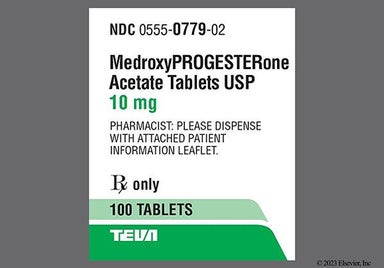



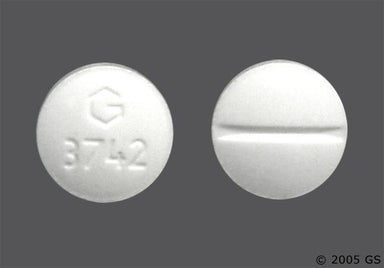
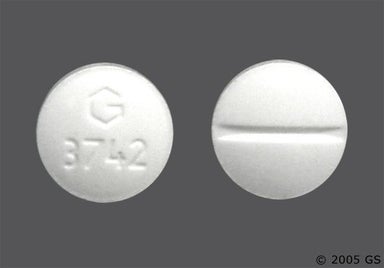


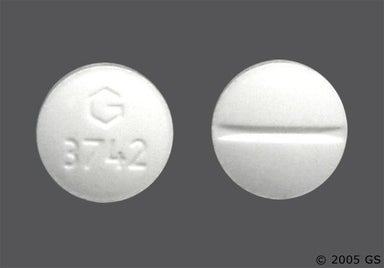

Prescription savings
Stop paying too much for your prescriptions. Compare prices, get pharmacy coupons, and save up to 80%. Find expert answers to your health questions so you can make the best decisions for yourself and your family.
Health conditions
Medications & treatment
Access & affordability
Medication discounts


When Medroxyprogesterone is used to help regulate menstrual periods, bleeding typically starts 3 to 7 days after you take your last dose of the medication for that cycle.
No, Medroxyprogesterone doesn't stop you from having menstrual periods. But it's possible to have lighter periods as a side effect when you take the medication. You might be thinking of the injection form of medroxyprogesterone called Depo-Provera that's used for birth control. Not having periods is one of the most common side effects of the medroxyprogesterone injection.
It's possible to have heavier menstrual bleeding when you take Medroxyprogesterone to regulate your periods. Let your provider know if bleeding becomes bothersome or if you're soaking through one pad or tampon every hour for several hours in a row. They'll likely check to see if anything concerning is going on. They can also discuss with you if you need changes to your treatment plan.
No. Medroxyprogesterone tablets aren't meant to be used as a form of birth control. This medication is only taken for 5 to 10 days of your menstrual cycle when used as directed to regulate your cycle. Since Medroxyprogesterone isn't taken on a regular basis like progestin-only birth control pills, it's unlikely to prevent your body from releasing an egg (ovulating) and prevent pregnancy. So, it's possible to get pregnant while taking Medroxyprogesterone. You might be thinking of the injection form of medroxyprogesterone called Depo-Provera, which is a longer-acting medication that's used to prevent pregnancy. Discuss with your provider about what birth control options best fit your needs.
Light vaginal bleeding or spotting is a possible side effect of Medroxyprogesterone when it's taken after menopause to protect your uterus from the harmful effects of estrogen therapy. Always let your provider know if you experience any vaginal bleeding after menopause. Vaginal bleeding can also be an early warning sign of more serious problems like uterine (endometrial) cancer.
