


How Much Is Progesterone Without Insurance?
How much progesterone costs without insurance depends on several factors, including what form you’re prescribed. Learn more with GoodRx.
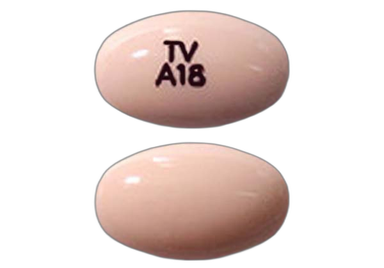
Progesterone injection is a progestin hormone used to treat missed menstrual periods and abnormal uterine bleeding caused by hormone imbalances. It comes as an oil-based injection that's typically injected into the muscle once a day for several days. Side effects include injection-site pain, weight changes, and breast tenderness. It can also cause symptoms of an allergic reaction in people who are allergic to sesame oil or seeds.

Progesterone injection is a progestin that works like progesterone, a hormone your body naturally makes that helps control the menstrual cycle. When your body doesn’t make enough progesterone, replacing it can help trigger a menstrual period and control abnormal bleeding caused by a hormone imbalance.
| Common Brands | No brand names available |
|---|---|
| Drug Class | Progestin |
| Controlled Substance Classification | Not a controlled medication |
| Generic Status | Lower-cost generic available |
| Availability | Prescription only |

The following side effects may get better over time as your body gets used to the medication. Let your healthcare provider know immediately if you continue to experience these symptoms or if they worsen over time.
Contact your healthcare provider immediately if you experience any of the following.
Along with its needed effects, a medicine may cause some unwanted effects. Although not all of these side effects may occur, if they do occur they may need medical attention.
Check with your doctor immediately if any of the following side effects occur:
Less common
Clear or bloody discharge from the nipple
dimpling of the breast skin
inverted nipple
lump in the breast or under the arm
persistent crusting or scaling of the nipple
redness or swelling of the breast
sore on the skin of the breast that does not heal
Incidence not known
Abdominal or stomach pain
blurred vision
change in vaginal discharge
clay-colored stools
cleft lip or palate
confusion
darkened urine
difficult or labored breathing
difficulty with swallowing
difficulty with walking
dizziness
dizziness, faintness, or lightheadedness when getting up suddenly from a lying or sitting position
fainting
fast, pounding, or irregular heartbeat or pulse
headache
indigestion
irregular heartbeat
irritation
joint pain, stiffness, or swelling
lightheadedness
loss of appetite
nervousness
noisy breathing
numbness or tingling in the face, arms, or legs
pain or feeling of pressure in the pelvis
pains in the stomach, side, or abdomen, possibly radiating to the back
pounding in the ears
puffiness or swelling of the eyelids or around the eyes, face, lips, or tongue
rash
redness of the skin
shortness of breath
slow heartbeat
spontaneous abortion
stomach or pelvic discomfort, aching, or heaviness
sweating
swelling of the eyelids, face, lips, hands, or feet
tightness in the chest
trouble speaking, thinking, or walking
unpleasant breath odor
unusual tiredness or weakness
vaginal bleeding
vomiting
vomiting of blood
yellow eyes or skin
Some side effects may occur that usually do not need medical attention. These side effects may go away during treatment as your body adjusts to the medicine. Also, your health care professional may be able to tell you about ways to prevent or reduce some of these side effects. Check with your health care professional if any of the following side effects continue or are bothersome or if you have any questions about them:
Incidence not known
Attack, assault, or force
blurred or loss of vision
change in walking and balance
changes in behavior
changes in patterns and rhythms of speech
choking
clumsiness or unsteadiness
confusion about identity, place, and time
continuing ringing or buzzing or other unexplained noise in the ears
decreased awareness or responsiveness
difficulty with moving
disturbed color perception
double vision
drowsiness
extreme dizziness or drowsiness
feeling drunk
feeling of constant movement of self or surroundings
feeling of unreality
hair loss or thinning of the hair
halos around lights
hearing loss
hives or welts
longer or heavier menstrual periods
loss of consciousness
muscle cramps
muscle stiffness
night blindness
normal menstrual bleeding occurring earlier, possibly lasting longer than expected
overbright appearance of lights
redness of the skin
relaxed and calm
sensation of spinning
sense of detachment from self or body
severe sleepiness
sleepiness
slurred speech
swollen tongue
thoughts of killing oneself
tunnel vision
weight changes
Other side effects not listed may also occur in some patients. If you notice any other effects, check with your healthcare professional.
Call your doctor for medical advice about side effects. You may report side effects to the FDA at 1-800-FDA-1088.



How to use progesterone injection:

Progesterone injection can cause some serious health issues. This risk may be even higher for certain groups. If this worries you, talk to your doctor or pharmacist about other options.
Progesterone injection can raise your risk of blood clots, especially when used with estrogen medications. Blood clots can be life-threatening and lead to problems such as a heart attack, stroke.
Stop using progesterone injection and get medical help right away if you have leg pain or swelling, chest pain, trouble breathing, or sudden weakness or numbness.
Progesterone injection can cause retinal thrombosis, a blood clot that affects the eye. Stop using the medication and contact your prescriber right away if you have sudden vision changes or vision loss, double vision, a bulging eye, or a new migraine.
Fluid retention: Progesterone injection can cause your body to hold on to extra fluid. This might worsen certain health conditions, including epilepsy, migraines, asthma, or heart or kidney problems. Your care team might monitor you more closely if you have one of these conditions.
Rarely, progesterone injection can cause acute eosinophilic pneumonia, a serious lung inflammation. Symptoms can include fever, shortness of breath, and low oxygen levels and have typically started 2 to 4 weeks after beginning treatment.
Stop using progesterone injection and get medical help right away if you develop fever or trouble breathing during treatment.

 Vial
Vial| Dosage | Quantity | Price as low as | Price per unit |
|---|---|---|---|
| 10ml of 50mg/ml | 3 vials | $28.64 | $9.55 |

Although certain medicines should not be used together at all, in other cases two different medicines may be used together even if an interaction might occur. In these cases, your doctor may want to change the dose, or other precautions may be necessary. When you are taking this medicine, it is especially important that your healthcare professional know if you are taking any of the medicines listed below. The following interactions have been selected on the basis of their potential significance and are not necessarily all-inclusive.
Using this medicine with any of the following medicines is usually not recommended, but may be required in some cases. If both medicines are prescribed together, your doctor may change the dose or how often you use one or both of the medicines.


Contraindications are specific health conditions or situations in which a person should not take a medication due to safety concerns. If you have any of the following conditions or if any of the following apply to you, let your healthcare provider know because Progesterone injection will not be safe for you to take.















Prescription savings
Stop paying too much for your prescriptions. Compare prices, get pharmacy coupons, and save up to 80%. Find expert answers to your health questions so you can make the best decisions for yourself and your family.
Health conditions
Medications & treatment
Access & affordability
Medication discounts


Some people have reported gaining weight while using Progesterone, but weight loss has also been reported. These weight changes might sometimes be related to your body holding on to extra fluid. Tell your prescriber if you notice changes in your weight so they can help figure out the cause.
Yes, Progesterone can make you feel tired or sleepy. Progesterone might cause drowsiness, dizziness, or low energy in some people. Talk to your prescriber if the tiredness is severe or bothersome.
While receiving Progesterone, avoid driving or operating heavy machinery if the medication makes you sleepy or dizzy. Check with your care team before starting new medications because some, such as the antifungal ketoconazole, can interact with Progesterone and raise hormone levels in your body.
Yes, Progesterone can cause acne. Breakouts don't happen to everyone, but you might notice new pimples after starting treatment. If your acne becomes bothersome, talk to your prescriber about ways to manage your skin or whether another treatment might be an option.
Constipation wasn't a reported side effect of Progesterone in clinical studies. If you have constipation, try drinking plenty of water, eating more fiber-rich foods, and staying active. If these changes don't help, talk to your care team about a safe over-the-counter treatment.
How long Progesterone takes to work depends on why you're using it. If you're taking it for a missed period, you'll typically receive daily injections for 6 to 8 days, and your period should start about 2 to 3 days after your last dose. If you're taking it for abnormal uterine bleeding, the bleeding usually stops within 6 days of starting treatment. Contact your prescriber if you don't get the expected results.
Progesterone is sometimes used off-label during in vitro fertilization (IVF) to help support pregnancy. It helps prepare the lining of the uterus so a fertilized egg can implant. Talk to your fertility care team if you have questions about using this medication during IVF.
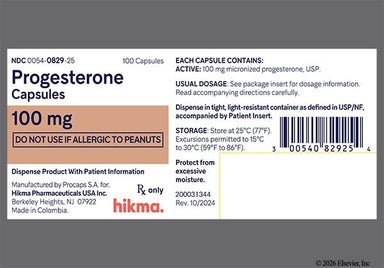
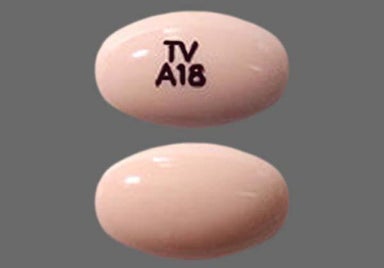
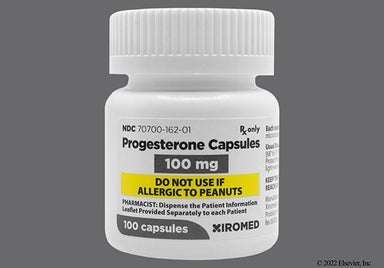
The main differences between progesterone capsules and progesterone injection are how they're given and what they're approved to treat. The capsules are taken by mouth and are typically used to protect the uterus in people taking estrogen or to help bring on a missed period. The injection is given deep into a muscle and is used for missed periods or abnormal uterine bleeding. They also contain different oils, which is important if you have certain food allergies: the capsules contain peanut oil, while the injection typically contains sesame oil. Talk to your prescriber if you have questions about how they compare.
