


Endometrin vs. Crinone: 5 Things to Consider When Comparing These Vaginal Progesterones
Endometrin and Crinone are two forms of vaginal progesterone used during fertility treatments. Learn more about their benefits and differences with this guide.
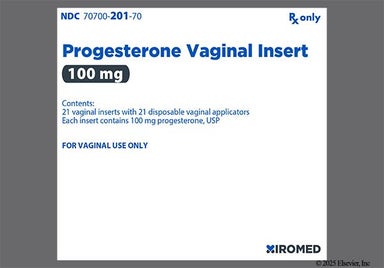
Endometrin (progesterone) is a vaginal insert, or a vaginal suppository, that's used during fertility treatment for people who have trouble becoming pregnant. It's a progesterone that helps ready the uterus for embryo transfer and pregnancy. When you start and stop the medication depends on your fertility treatment and your situation. In general, Endometrin (progesterone) is inserted into the vagina 2 or 3 times a day, unless your prescriber advises you to take it a different way. Side effects include pelvic pain, stomach pain, and nausea.

Endometrin (progesterone) contains progesterone, an essential hormone for pregnancy. Progesterone prepares the uterus to receive and nourish an embryo.
| Common Brands | Endometrin |
|---|---|
| Drug Class | Progesterone |
| Controlled Substance Classification | Not a controlled medication |
| Generic Status | Lower-cost generic available |
| Availability | Prescription only |

The following side effects may get better over time as your body gets used to the medication. Let your healthcare provider know immediately if you continue to experience these symptoms or if they worsen over time.
Contact your healthcare provider immediately if you experience any of the following.
Along with its needed effects, a medicine may cause some unwanted effects. Although not all of these side effects may occur, if they do occur they may need medical attention.
Check with your doctor immediately if any of the following side effects occur:
Less common
Clear or bloody discharge from the nipple
dimpling of the breast skin
inverted nipple
lump in the breast or under the arm
persistent crusting or scaling of the nipple
redness or swelling of the breast
sore on the skin of the breast that does not heal
Incidence not known
Abdominal or stomach pain
blurred vision
change in vaginal discharge
clay-colored stools
cleft lip or palate
confusion
darkened urine
difficult or labored breathing
difficulty with swallowing
difficulty with walking
dizziness
dizziness, faintness, or lightheadedness when getting up suddenly from a lying or sitting position
fainting
fast, pounding, or irregular heartbeat or pulse
headache
indigestion
irregular heartbeat
irritation
joint pain, stiffness, or swelling
lightheadedness
loss of appetite
nervousness
noisy breathing
numbness or tingling in the face, arms, or legs
pain or feeling of pressure in the pelvis
pains in the stomach, side, or abdomen, possibly radiating to the back
pounding in the ears
puffiness or swelling of the eyelids or around the eyes, face, lips, or tongue
rash
redness of the skin
shortness of breath
slow heartbeat
spontaneous abortion
stomach or pelvic discomfort, aching, or heaviness
sweating
swelling of the eyelids, face, lips, hands, or feet
tightness in the chest
trouble speaking, thinking, or walking
unpleasant breath odor
unusual tiredness or weakness
vaginal bleeding
vomiting
vomiting of blood
yellow eyes or skin
Some side effects may occur that usually do not need medical attention. These side effects may go away during treatment as your body adjusts to the medicine. Also, your health care professional may be able to tell you about ways to prevent or reduce some of these side effects. Check with your health care professional if any of the following side effects continue or are bothersome or if you have any questions about them:
Incidence not known
Attack, assault, or force
blurred or loss of vision
change in walking and balance
changes in behavior
changes in patterns and rhythms of speech
choking
clumsiness or unsteadiness
confusion about identity, place, and time
continuing ringing or buzzing or other unexplained noise in the ears
decreased awareness or responsiveness
difficulty with moving
disturbed color perception
double vision
drowsiness
extreme dizziness or drowsiness
feeling drunk
feeling of constant movement of self or surroundings
feeling of unreality
hair loss or thinning of the hair
halos around lights
hearing loss
hives or welts
longer or heavier menstrual periods
loss of consciousness
muscle cramps
muscle stiffness
night blindness
normal menstrual bleeding occurring earlier, possibly lasting longer than expected
overbright appearance of lights
redness of the skin
relaxed and calm
sensation of spinning
sense of detachment from self or body
severe sleepiness
sleepiness
slurred speech
swollen tongue
thoughts of killing oneself
tunnel vision
weight changes
Other side effects not listed may also occur in some patients. If you notice any other effects, check with your healthcare professional.
Call your doctor for medical advice about side effects. You may report side effects to the FDA at 1-800-FDA-1088.



How to insert Endometrin (progesterone)

Endometrin (progesterone) can cause some serious health issues. This risk may be even higher for certain groups. If this worries you, talk to your doctor or pharmacist about other options.
Before you start Endometrin (progesterone), tell your prescriber about your full medical history, especially any blood clots. You won't be able to take this medication if you've had a blood clot before.
Be aware of the following signs and symptoms of a blood clot. Blood clots can sometimes lead to serious problems like heart attack or stroke.
Call 911 or seek immediate medical attention if you have any signs or symptoms of a blood clot, heart attack, or stroke.
It's possible for Endometrin (progesterone) to worsen depression if you already have or have had depression. Let your prescriber know right away if you notice any changes in your mood or if you have any worsening feelings of hopelessness, fear, or despair.
It's not recommended to use any other vaginal products while you're using Endometrin (progesterone). Using other products that are inserted into the vagina, such as creams or medications to treat a yeast infection, can change the way your body absorbs Endometrin (progesterone). This can make Endometrin (progesterone) work less well. Speak with a healthcare professional about other options while you're using Endometrin (progesterone) if you're interested in using a vaginal product or if you have a vaginal infection.

 Insert
| Dosage | Quantity | Price as low as | Price per unit |
|---|---|---|---|
| 100mg | 21 inserts | $91.03 | $4.33 |

Although certain medicines should not be used together at all, in other cases two different medicines may be used together even if an interaction might occur. In these cases, your doctor may want to change the dose, or other precautions may be necessary. When you are taking this medicine, it is especially important that your healthcare professional know if you are taking any of the medicines listed below. The following interactions have been selected on the basis of their potential significance and are not necessarily all-inclusive.
Using this medicine with any of the following medicines is usually not recommended, but may be required in some cases. If both medicines are prescribed together, your doctor may change the dose or how often you use one or both of the medicines.


Contraindications are specific health conditions or situations in which a person should not take a medication due to safety concerns. If you have any of the following conditions or if any of the following apply to you, let your healthcare provider know because Endometrin (progesterone) will not be safe for you to take.








Prescription savings
Stop paying too much for your prescriptions. Compare prices, get pharmacy coupons, and save up to 80%. Find expert answers to your health questions so you can make the best decisions for yourself and your family.
Health conditions
Medications & treatment
Access & affordability
Medication discounts

Unwrap the applicator, and place 1 insert (the tablet) into the space on the thin end of the applicator. Gently insert the applicator as far as you comfortably can into your vagina (similar to inserting a tampon). Then, press the plunger to release the medication. Throw the applicator away after each use.
Insert the Endometrin vaginal insert as far as it will comfortably go. It's inserted into the vagina like a tampon. Ask your fertility specialist if you have questions about inserting Endometrin into the vagina.
It's possible that you can have some vaginal bleeding or spotting with Endometrin. It's important to report any irregular or concerning vaginal bleeding to your fertility specialist or healthcare professional (HCP). They can examine you to see whether there's something serious going on.
Fatigue or tiredness is a possible side effect of Endometrin. Avoid driving or performing activities that require you to be alert until you know how this medication affects you.
No, it's best to store Endometrin at room temperature. It's generally okay if Endometrin gets a little colder or warmer than room temperature. But the medication might get damaged it it gets colder than 59 degrees Fahrenheit, if it becomes frozen, or if it's left out at very hot temperatures (above 86 degrees Fahrenheit).
You don't necessarily have to lie down after you insert Endometrin into your vagina. The medication should fit snugly in the vagina after you insert it. The medication shouldn't fall out, so you can move or walk around right after you insert it into the vagina.
It takes about 10 weeks after an embryo has implanted for the placenta to start nourishing your baby. Until that time, the hormone progesterone helps your body support the pregnancy. Using Endometrin for 10 weeks gives your body extra progesterone until the placenta takes over and makes progesterone during the rest of the pregnancy. Your fertility specialist might instruct you to take Endometrin for a different amount of time, depending on your situation. So be sure to follow your fertility specialist's instructions on how long to take the medication.
Both Endometrin and Crinone are forms of progesterone that are inserted into the vagina and helps promote a healthy pregnancy during fertility treatment. But there are many differences between the two. Endometrin is a vaginal tablet (suppository), whereas Crinone is a vaginal gel. Endometrin is generally inserted two or three times a day, whereas Crinone is inserted just one or two times a day. Speak with your healthcare team if you're not sure which progesterone product is best for you on your fertility journey.
