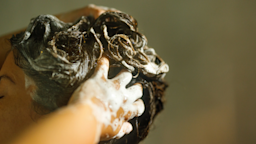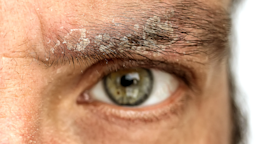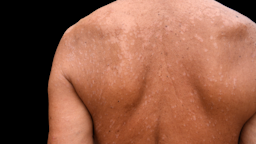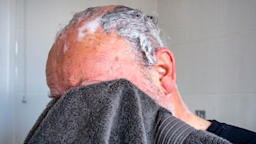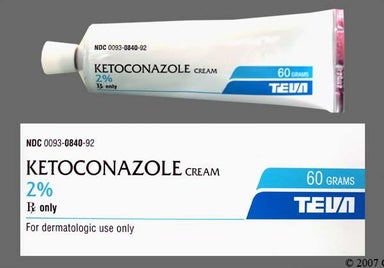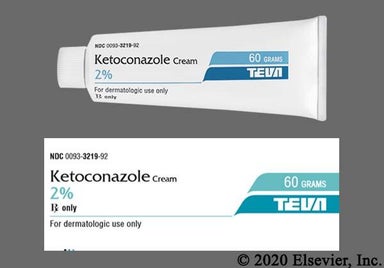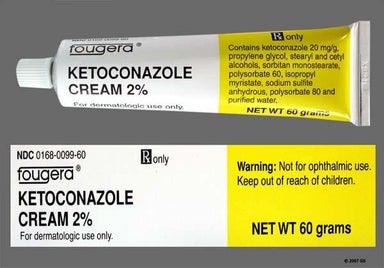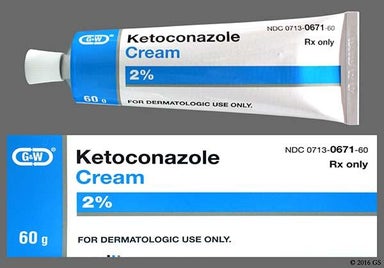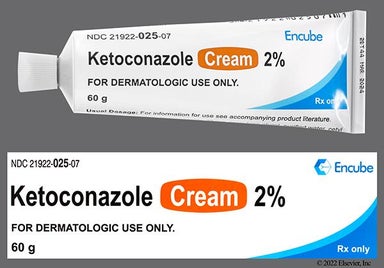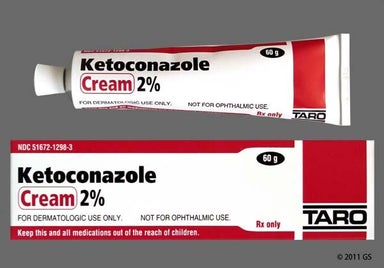
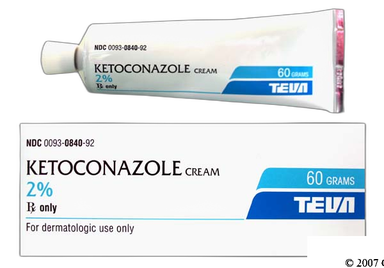
Ketoconazole Coupon - Ketoconazole 120ml of 2% bottle of shampoo

ketoconazole

Generic Nizoral
Used for Athlete's Foot, Candidiasis, Fungal Infection, Jock Itch, Ringworm, Seborrheic Dermatitis, Thrush, Tinea Versicolor

Ketoconazole cream is an antifungal medication. It's used to treat different types of fungal skin infections, including ringworm and yeast skin infections. Ketoconazole cream is approved for adults only. It's typically applied onto the skin once or twice a day. Most people have very few side effects, like itching and stinging where the cream is applied.

Reviewed by:Last reviewed on August 25, 2025
basics-icon

What is Ketoconazole cream?

Featuring Alyssa Billingsley, PharmDReviewed by Connie Zheng, PharmD | July 31, 2024

What is Ketoconazole cream used for?

How Ketoconazole cream works

Ketoconazole cream is a type of antifungal medication. It kills the fungus by damaging its protective outer layer. This helps stop the fungal skin infection from spreading and getting worse.

When does Ketoconazole cream start working?Time passed since treatment started:
HOURS
DAYS
Initial effect
WEEKS
Full effect
MONTHS

Drug facts

Common BrandsNizoral(brand name no longer available)
Drug ClassAntifungal
Controlled Substance ClassificationNot a controlled medication
Generic StatusLower-cost generic available
AvailabilityPrescription only
side-effects-icon

Side effects of Ketoconazole cream

The following side effects may get better over time as your body gets used to the medication. Let your healthcare provider know immediately if you continue to experience these symptoms or if they worsen over time.

Common Side Effects

  • Itchiness (5%)
  • Skin irritation (5%)
  • Stinging (5%)

Less Common Side Effects

  • Rash

Ketoconazole cream serious side effects

Contact your healthcare provider immediately if you experience any of the following.

  • Severe allergic reaction: hives, swelling, trouble breathing
When do Ketoconazole cream possible side effects begin and end?
Time passed since treatment started:
M
H
D
W
M
Itching
Skin irritation
Stinging

Source: DailyMed

The following Ketoconazole cream side effects have also been reported

Along with its needed effects, a medicine may cause some unwanted effects. Although not all of these side effects may occur, if they do occur they may need medical attention.

Check with your doctor immediately if any of the following side effects occur:

Less common—For cream, shampoo, foam, or gel

Itching, stinging, burning, or irritation not present before use of this medicine

Rare—For cream, foam, or gel

Acne

bleeding from sore in the mouth

blistering, crusting, irritation, itching, or reddening of the skin

burning, crawling, itching, numbness, prickling, "pins and needles", or tingling feelings

cracked, dry, or scaly skin

discoloration of the fingernails or toenails

dizziness

eye dryness, irritation, or swelling

red rash with watery, yellow-colored, or pus filled blisters with or without thick yellow to honey-colored crusts

skin dryness, pain, rash, redness, or swelling

sore in the mouth or on the gums

swelling of the face

Rare—For shampoo

Hair loss and irritation

Incidence not known—For gel

Pain

Incidence not known—For shampoo

Blistering, burning, crusting, dryness, or flaking of the skin

burning sensation of the skin

burning, itching, redness, skin rash, swelling, or soreness at the application site

discoloration of the hair

dry skin

fast heartbeat

fever

hives

hoarseness

irritation

itching, scaling, severe redness, or soreness of the skin

joint pain, stiffness, or swelling

rash

shortness of breath

swelling of the eyelids, face, lips, hands, or feet

thinning of the hair

tightness in the chest

troubled breathing or swallowing

wheezing

Some side effects may occur that usually do not need medical attention. These side effects may go away during treatment as your body adjusts to the medicine. Also, your health care professional may be able to tell you about ways to prevent or reduce some of these side effects. Check with your health care professional if any of the following side effects continue or are bothersome or if you have any questions about them:

Less common—For shampoo or gel

Dryness or oiliness of the hair and scalp

headache

Rare—For shampoo

Abnormal hair texture

mild dryness of the skin

scalp pustules

Other side effects not listed may also occur in some patients. If you notice any other effects, check with your healthcare professional.

Call your doctor for medical advice about side effects. You may report side effects to the FDA at 1-800-FDA-1088.

prices-container

Get your GoodRx coupon

Avg retail price
$51.81(Save 74.89%)
GoodRx discount
$13.01
See prices
pros-and-cons-icon

Pros and cons of Ketoconazole cream

Pros

  • Can treat many different kinds of fungal skin infections
  • Skin usually starts improving shortly after you start using the cream
  • Applied directly to the affected area(s)
  • Has few side effects

Cons

  • Must use for at least 2 weeks (depends on the type of infection)
  • Not available over the counter
  • Some creams have sulfites, which can cause allergic reactions in certain people
  • Not known if safe for people who are pregnant or breastfeeding
pharmacist-tips-icon

Pharmacist tips for Ketoconazole cream

pharmacist
  • Use the ketoconazole cream only on the skin. Don't put it in your eyes, nose, mouth, or anywhere else in your body. If you do, it can cause irritation.
  • Wash and dry the affected area(s) of your skin well before applying the ketoconazole cream.
  • Wash your hands well after you use the ketoconazole cream, unless you need to use it on your hands. This prevents the medication from getting in your eyes or other places on your body where you don't need it.
  • You might feel some stinging or itching after you apply the ketoconazole cream. But if you notice a serious rash appear, call your care team.
  • Most people will see their fungal skin infection start to get better within a few days after starting the ketoconazole cream.
  • If you have tinea versicolor, use the ketoconazole cream for 2 weeks. But be patient for your skin color to go back to normal. It could take weeks or months after you finish using the cream to see improvement in color. This doesn't mean that the ketoconazole cream didn't work. Ask your dermatologist if you're worried about your skin color after treatment.
  • Make sure to keep using the ketoconazole cream the entire time your prescriber tells you to. Stopping too early can cause your infection to come back or become worse.
  • If your skin infection doesn't get better or gets worse after you finish using the ketoconazole cream, talk to your prescriber. You might need a different medication to treat your infection.
Common questions about Ketoconazole

Common questions about Ketoconazole

The time it takes for the Ketoconazole to work can be different depending on the type of fungal skin infection you have. Most skin infections usually start getting better within a few days of using the cream. But it can take 2 to 6 weeks of using the cream every day to see the full effects. If your skin infection doesn't get better after a few weeks, or if it gets worse, tell your prescriber.

No, Ketoconazole isn't a steroid. It's an antifungal medication. Antifungals help get rid of the actual fungus that's causing the infection. Steroids usually help lessen skin inflammation, which can come with a skin infection.

No, you can't get the Ketoconazole over the counter. You need a prescription for it from a healthcare professional. there are other antifungal medications you can find over the counter at your local pharmacy. Talk to a healthcare professional about the best treatment option for your skin infection.

Yes, the Ketoconazole expires. There should be an expiration date on the tube of cream. Don't use the cream after this date. If you need one, talk to your prescriber or pharmacist.

For ringworm, jock itch, tinea versicolor, and yeast skin infections, you usually use the cream for 2 weeks. For seborrheic dermatitis, most people need to use the cream for 4 weeks. And for athlete's foot, it's best to use the cream for 6 weeks to treat the infection. Note that your prescriber might give you different directions. So it's important to follow their instructions carefully. Make sure to finish your full course of treatment, even if your skin clears up sooner. Ask your prescriber if you have questions about how long you should use the Ketoconazole.

Yes, you can apply Ketoconazole to the skin on your face. But you should only apply the cream where the skin infection is, or where your prescriber tells you to. Avoid getting the medication near or in your eyes, nose, or mouth. If you do, you might have an uncomfortable reaction like irritation.

Talk to a healthcare professional before using Ketoconazole for any type of eczema. This cream is only FDA approved for a kind of eczema called seborrheic dermatitis. Antifungals aren't usually used for eczema since it's caused by inflammation, not fungus. But sometimes, eczema can get infected with fungus and need treatment. If this happens, talk to your prescriber so they can recommend the best treatment for you.

Ketoconazole and selenium sulfide are both antifungal medications you put on your skin. They can both treat skin problems called seborrheic dermatitis and tinea versicolor. But Ketoconazole is also for ringworm, jock itch, athlete's foot, and yeast infections on the skin. And selenium sulfide can also help with dandruff since it helps slow down how fast skin cells shed. Talk to a healthcare professional to learn about how these two medications compare. They can help decide which is best for you.

educational-icon

How to save using GoodRx

Compare Prices
1. Compare PricesSpecify your dosage and quantity to find out exactly how much you can save.
Select your free coupon
2. Select your free couponYou can use the displayed coupon, or compare prices at other pharmacies near you.
Show coupon to your pharmacist
3. Show coupon to your pharmacistPresent your printed or electronic coupon when you pick up your prescription.
Get free couponLearn more
warnings-icon

Risks and warnings for Ketoconazole cream

Ketoconazole cream can cause some serious health issues. This risk may be even higher for certain groups. If this worries you, talk to your doctor or pharmacist about other options.

Allergic reaction

  • Risk factors: Asthma | Allergy to sulfites

Even though it's rare, some people could have a serious allergic reaction to the ketoconazole cream. If you get hives, your face or tongue swells up, or you have trouble breathing, get medical help right away.

Some ketoconazole creams also have sulfites in them. If you're allergic to sulfites or have asthma, your chance of an allergic reaction could be higher. It's important to know that sulfite and sulfa are not the same thing. So, many people with a sulfa allergy can still use this cream. If you know you have a sulfite allergy, talk to your prescriber to make sure the ketoconazole cream is safe for you.

dosage-icon

Ketoconazole cream dosage

The average cost for 1 bottle of 120ml of 2% of Ketoconazole cream is $13.29 with a free GoodRx coupon. This is 7.71% off the average retail price of $14.40.
tube of creamTube of cream
DosageQuantityPrice as low asPrice per unit
15g of 2%1 tube$13.01$13.01
30g of 2%1 tube$17.73$17.73
60g of 2%1 tube$20.64$20.64

Typical dosage for Ketoconazole cream

  • Ringworm, jock itch, tinea versicolor, or yeast skin infection: Apply the cream to the affected area(s) and the areas surrounding the infection. Apply once a day for 2 weeks.
  • Athlete's foot: Apply the cream to the affected area(s) and the areas surrounding the infection. Apply once a day for 6 weeks.
  • Seborrheic dermatitis: Apply the cream to the affected area(s) twice a day for 4 weeks, or until the skin clears.
interactions-icon

Interactions between Ketoconazole cream and other drugs

Ketoconazole cream may interact with certain medications or supplements. Always let your doctor and pharmacist know about any other medications or supplements (including prescribed and over-the-counter medications, vitamins, and dietary or herbal supplements) that you are currently taking. The list below does not include all possible drug interactions with Ketoconazole cream. Please note that only the generic name of each medication is listed below.

Although certain medicines should not be used together at all, in other cases two different medicines may be used together even if an interaction might occur. In these cases, your doctor may want to change the dose, or other precautions may be necessary. Tell your healthcare professional if you are taking any other prescription or nonprescription (over-the-counter [OTC]) medicine.

cost-icon

How much does Ketoconazole cream cost?

To access savings, use a GoodRx coupon and pay just a fraction of the retail price.
Ketoconazole cream (generic)
GoodRx lowest price

$13.01

(save 98.35%)
alternatives-icon

What are alternatives to Ketoconazole cream?

There are a number of medications that your doctor can prescribe in place of Ketoconazole cream. Compare a few possible alternatives below.
Ketoconazole cream
Used for:
$13.01Lowest GoodRx priceView prices
Used for:
$14.87Lowest GoodRx priceView prices
Used for:

Treatment and symptom relief (e.g., itching, irritation, redness) of the following fungal skin infections:

$8.07Lowest GoodRx priceView prices
latest-news-icon

News about Ketoconazole cream

Eyebrow dandruff (seborrheic dermatitis) can be itchy and irritating, but fortunately you can treat it with OTC remedies. Here’s how to get rid of dry, flaky eyebrows.
Why Do I Have Eyebrow Dandruff? Seborrheic Dermatitis Explained
Eyebrow dandruff (seborrheic dermatitis) can be itchy and irritating, but fortunately you can treat it with OTC remedies. Here’s how to get rid of dry, flaky eyebrows.
Tinea versicolor is a condition that changes the color of your skin. You can get rid of tinea versicolor with different medications.
Tinea Versicolor Treatment: Antifungal Medications and Natural Remedies
Tinea versicolor is a condition that changes the color of your skin. You can get rid of tinea versicolor with different medications.
Athlete’s foot (tinea pedis) is a common fungal infection that can cause itchy feet. See images of athlete’s foot and learn about OTC creams and home remedies.
3 Athlete’s Foot Treatments You Have to Try for Long-Lasting Relief
Athlete’s foot (tinea pedis) is a common fungal infection that can cause itchy feet. See images of athlete’s foot and learn about OTC creams and home remedies.
Ketoconazole’s antiandrogenic properties may help regrow hair. Here’s how ketoconazole shampoos like Nizoral A-D may prevent hair loss and help with growth.
How Does Ketoconazole Work for Hair Loss?
Ketoconazole’s antiandrogenic properties may help regrow hair. Here’s how ketoconazole shampoos like Nizoral A-D may prevent hair loss and help with growth.
Oral antifungal medications, such as Lamisil and Diflucan, help treat or prevent certain fungal infections. Learn about eight different prescription options and how they differ.
Fluconazole, Terbinafine, and More: 8 Oral Antifungal Medications and How They Differ
Oral antifungal medications, such as Lamisil and Diflucan, help treat or prevent certain fungal infections. Learn about eight different prescription options and how they differ.
Fungal acne (pityrosporum folliculitis) can look a lot like regular acne, but the treatment is different. Learn what fungal acne looks like and what causes it here.
Fungal Acne (Pityrosporum Folliculitis): Causes, Symptoms, Images, and Treatments
Fungal acne (pityrosporum folliculitis) can look a lot like regular acne, but the treatment is different. Learn what fungal acne looks like and what causes it here.
Athlete’s foot (tinea pedis) is a fungal infection of the foot that can cause itching, peeling, and burning. See pictures of athlete’s foot and learn how to treat it.
What Causes Athlete’s Foot (Tinea Pedis), and What Does It Look Like?
Athlete’s foot (tinea pedis) is a fungal infection of the foot that can cause itching, peeling, and burning. See pictures of athlete’s foot and learn how to treat it.
Ringworm is a skin infection that can affect cats, humans, and other animals. Learn about the signs and symptoms of ringworm in cats, plus treatment options.
Ringworm in Cats: What It Looks Like and How You Treat It
Ringworm is a skin infection that can affect cats, humans, and other animals. Learn about the signs and symptoms of ringworm in cats, plus treatment options.
Ketoconazole dosages vary depending on the type and severity of infection being treated. Topical and oral ketoconazole also have different recommended doses.
Ketoconazole Dosages: Your GoodRx Guide for Oral and Topical Ketoconazole
Ketoconazole dosages vary depending on the type and severity of infection being treated. Topical and oral ketoconazole also have different recommended doses.
Gynecomastia is a condition in which men develop enlarged breast tissue. Certain medications can cause the condition. Read on to learn more.
What Is Gynecomastia and Which Medications Can Cause It in Men?
Gynecomastia is a condition in which men develop enlarged breast tissue. Certain medications can cause the condition. Read on to learn more.
images-icon

Ketoconazole cream images

red-orange - Ketoconazole 2% Shampoo
This medicine is Red-Orange Bottle Of Shampoo.red-orange - Ketoconazole 2% Shampoo
red-orange - Ketoconazole 2% Shampoo
This medicine is Red-Orange Bottle Of Shampoo.red-orange - Ketoconazole 2% Shampoo
red-orange - Ketoconazole 2% Shampoo
This medicine is Red-Orange Bottle Of Shampoo.red-orange - Ketoconazole 2% Shampoo
red-orange - Ketoconazole 2% Shampoo
This medicine is Red-Orange Bottle Of Shampoo.red-orange - Ketoconazole 2% Shampoo
red-orange - Ketoconazole 2% Shampoo
This medicine is Red-Orange Bottle Of Shampoo.red-orange - Ketoconazole 2% Shampoo
red-orange - Ketoconazole 2% Shampoo
This medicine is Red-Orange Bottle Of Shampoo.red-orange - Ketoconazole 2% Shampoo
red-orange - Ketoconazole 2% Shampoo
This medicine is Red-Orange Bottle Of Shampoo.red-orange - Ketoconazole 2% Shampoo

Get savings updates for Ketoconazole cream

Receive price alerts, news, and other messages from GoodRx about Ketoconazole cream and other healthcare topics and relevant savings offers.

By providing your email, you consent to receive marketing communications from GoodRx, which may include content and/or data related to men's health, women's health, reproductive care, or sexual health. You agree to the GoodRx Terms of Use and acknowledge the Privacy Policy. You can unsubscribe at any time.

References

Best studies we found

American Academy of Allergy, Asthma & Immunology. (2024). Sulfite and sulfa drugs.

Choi, F. D, et al. (2019). Topical ketoconazole: A systematic review of current dermatological applications and future developments. Journal of Dermatological Treatment.

Encube Ethicals Private Limited. (2024). Ketoconazole- ketoconazole cream, 2% cream [package insert]. DailyMed.

GoodRx Health has strict sourcing policies and relies on primary sources such as medical organizations, governmental agencies, academic institutions, and peer-reviewed scientific journals. Learn more about how we ensure our content is accurate, thorough, and unbiased by reading our editorial guidelines.

Was this page helpful?