Key takeaways:
Eyebrow dandruff is usually caused by seborrheic dermatitis. Other conditions, like eczema and dry skin, can also cause flaky eyebrows.
Over-the-counter (OTC) dandruff shampoos can help control symptoms. If they don’t help, prescription treatments are available.
There’s no cure for eyebrow dandruff, but treatment can reduce flaking and itching. Ongoing treatment may help prevent flares.
Save on related medications
Eyebrow dandruff is exactly what it sounds like: flaky and itchy eyebrows. A couple of different things can cause your eyebrows to flake. But what people usually refer to is a common condition called seborrheic dermatitis. It tends to come and go, but treatment can help keep it under control.
Here, we’ll review the different causes of eyebrow dandruff and what you can do to keep your symptoms under control.
What causes eyebrow dandruff?
Seborrheic dermatitis is the most common cause of eyebrow dandruff. But other conditions can also cause flaky eyebrows. Here’s how they differ.
Seborrheic dermatitis
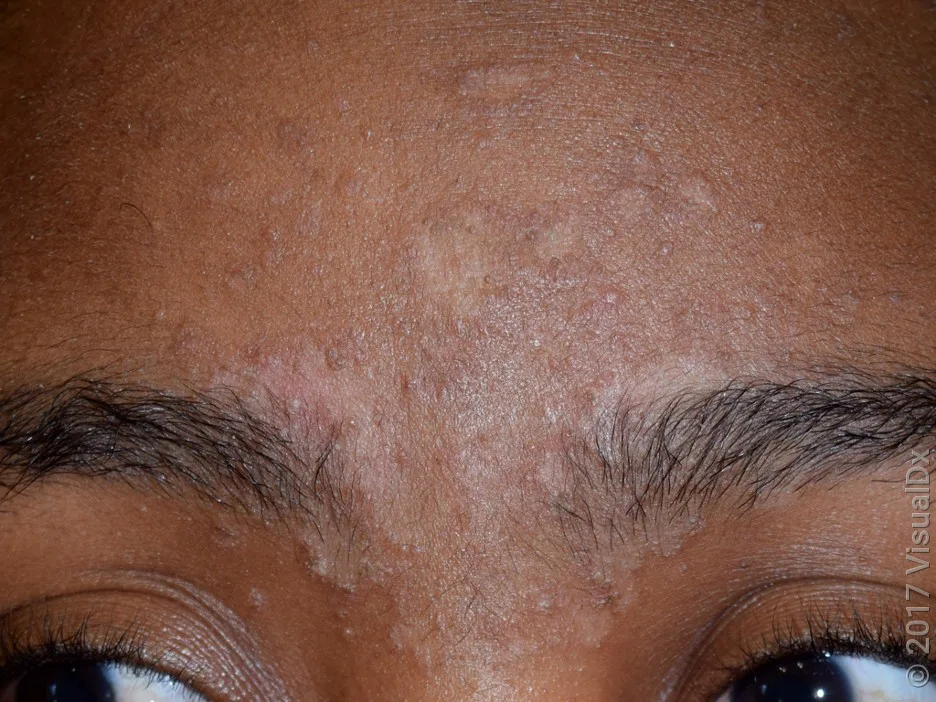
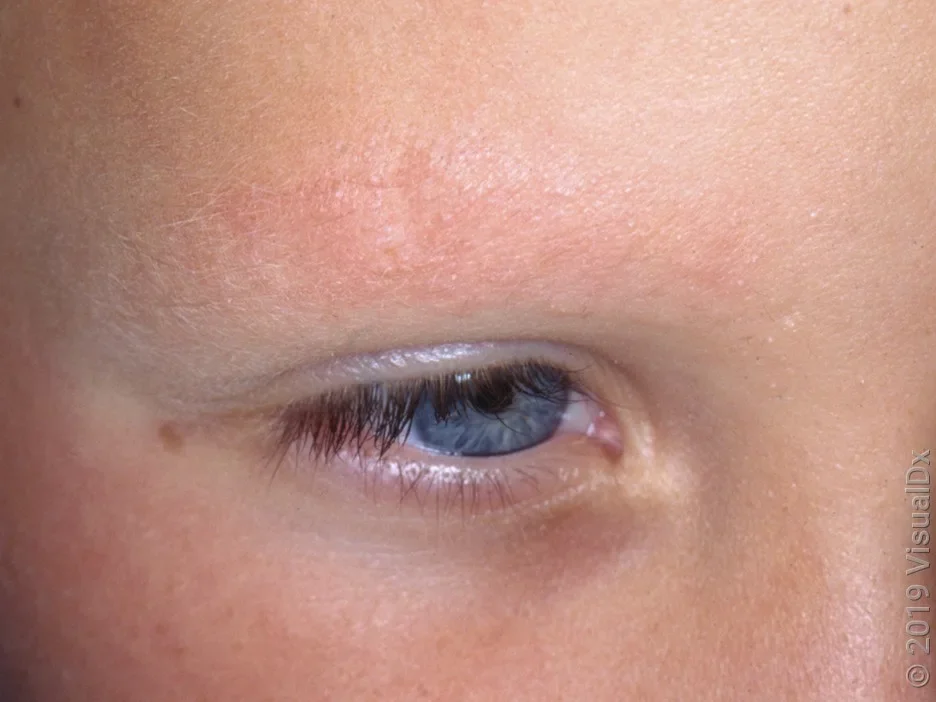
Seborrheic dermatitis is very common and affects people of all ages. It can cause itchy, greasy patches with white or yellowish flakes. These patches look red on lighter skin. On darker skin tones, affected areas may look lighter than surrounding skin.
Seborrheic dermatitis usually forms in areas with many oil glands, including the:
Scalp
Face (including eyebrows and beard)
Chest
Back
Armpits
Groin
Experts don’t know exactly what causes seborrheic dermatitis. But an inflammatory skin reaction to Malassezia likely plays a role. This yeast naturally lives on the skin.
Eczema (atopic dermatitis)
Eczema — also called atopic dermatitis — is a common skin condition that causes itchy skin and red, violet, or brown, flaky patches on different body parts. It’s more common in children and adolescents, but adults can get it too. Eczema can cause flaky eyebrows, but that’s not the only symptom.
Psoriasis
Psoriasis is a common immune-mediated condition that causes skin cells to grow too quickly. It creates thick, scaly patches that may look red, violet, or brown, depending on your skin tone.
Psoriasis is common on the elbows, knees, and scalp. It can also affect your eyebrows and cause flaking.
Contact dermatitis
Contact dermatitis is a skin reaction caused by an allergy or irritation to ingredients in skin care products, like creams or shampoos. It also causes flaky skin rash that’s red, violet, or brown. If your eyebrows begin flaking after using a new product, it could be the culprit. Stop using the product and your symptoms should improve.
Dry skin
Dry skin happens when your skin loses too much moisture. Unlike seborrheic dermatitis, dry skin doesn’t usually cause skin redness under the eyebrows or oily buildup around the hair. It’s also more likely to change with the weather and respond to moisturizers.
Symptoms of eyebrow seborrheic dermatitis
Seborrheic dermatitis may be causing your eyebrow dandruff if you notice these signs and symptoms:
White or yellow flakes in or around your eyebrows
Itchy skin under or between your brows
Greasy, scaly patches
Redness or irritation under the flakes
Similar flaky or irritated patches on your scalp, face, chest, back, or in skin folds
Symptoms that clear up and then return
Pictures of eyebrow dandruff
Here are pictures of eyebrow dandruff on different skin tones.

Treatments for eyebrow dandruff
There’s no cure for eyebrow seborrheic dermatitis, but treatment can control symptoms. Over-the-counter (OTC) products work well for mild symptoms. More severe or persistent symptoms may need prescription treatment.
Because seborrheic dermatitis tends to return, you may need ongoing treatment to prevent flares. How often you use it depends on the product and your symptoms. You may need to try a few options to find what works best for you.
OTC treatments and home remedies for eyebrow dandruff
OTC dandruff shampoos are the main way to treat eyebrow dandruff. Look for shampoos with these active ingredients:
Selenium sulfide: Some examples of selenium sulfide shampoos include Selsun Blue or Head & Shoulders Clinical Strength.
Pyrithione zinc: Shampoos that have pyrithione zinc include Head & Shoulders, Solimo, and Vanicream Free & Clear.
Ketoconazole 1%: Products like Nizoral A-D contain ketoconazole 1%.
Coal tar: True + Real T Plus and DHS Tar are some examples of coal tar shampoos. These shampoos can discolor light-colored, bleached or dyed hair.
Tea tree oil: Tea tree oil is found in a variety of products and can be used to treat eyebrow dandruff.
Salicylic acid: Shampoos that contain salicylic acid can help treat eyebrow dandruff symptoms.
Prescription treatments for eyebrow dandruff
If OTC products don’t help, a healthcare professional may recommend using prescription strength shampoos, especially if you also have scalp dandruff that needs treatment. Sometimes, rotating different treatments can give you the best results.
Antifungal shampoos, like ketoconazole (Nizoral) and ciclopirox (Loprox), can be used daily until your symptoms improve, and then once or twice a week for maintenance.
Selenium sulfide shampoos, like Selseb, can be used twice a week for 2 weeks.
Steroid shampoos, such as betamethasone (Luxiq) or fluocinolone (Capex), can cause side effects, like skin thinning. Use them for about 2 weeks to control symptoms, and then switch to other medicated shampoos for maintenance.
When should I see a doctor about eyebrow dandruff?
Mild eyebrow dandruff can often be managed at home. But if you’ve used OTC treatment as directed for a few weeks without improvement, it’s a good idea to see a healthcare professional. They can confirm the diagnosis and recommend treatment.
Seek care sooner if you notice:
Eyebrow hair loss
Significant redness, swelling, or pain
Irritation that spreads to your eyelids
Are there home remedies for eyebrow dandruff?
Gentle skin care can help reduce dryness, loosen flakes, and soothe itching. Here are some home-care steps to try if you have mild flaking:
Wash gently: Use lukewarm water and a fragrance-free cleanser. Avoid scrubbing or picking at flakes.
Moisturize: Apply a fragrance-free moisturizer after washing to help keep your skin hydrated.
Soothe itching: Hold a cool, damp washcloth against your eyebrows for 5 to 10 minutes.
If flaking isn’t improving after 1 to 2 weeks, you may need medicated treatment. A healthcare professional can help identify the cause and recommend treatment.
Tips to prevent eyebrow dandruff
If you find out you’re prone to eyebrow dandruff, here are a few tips that may help prevent flares:
Continue maintenance treatments. Once symptoms improve, treatment once or twice a week can keep symptoms away.
Keep effective treatments on hand. Treat a flare as soon as it starts to keep it from getting worse.
Learn your triggers. Notice if stress, cold weather, or certain products make your symptoms worse.
Avoid irritating ingredients. Harsh soaps and fragrances can irritate your skin and trigger flares.
Frequently asked questions
Yes, you can use Head & Shoulders on your eyebrows. It contains selenium sulfide, which can treat seborrheic dermatitis.
For serious flaking, leave the shampoo on your eyebrows for a few minutes before washing it off. Avoid getting it in your eyes. If that happens, wash your eyes out with water.
Yes, a light layer of noncomedogenic makeup — makeup that doesn’t block your pores — is fine. Just make sure to wash it off at night with a gentle cleanser. Then, follow with any prescription creams you use before going to bed.
If over-the-counter (OTC) treatments aren’t working or if you notice eyebrow hair loss, you should see a healthcare professional. They can confirm it’s not something else and give you a stronger treatment.
Emotional stress doesn’t cause eyebrow dandruff. But like with other skin conditions, stress can make symptoms worse.
No, eyebrow dandruff doesn’t usually cause hair loss. If you have flaky eyebrows and you’re losing eyebrow hair, it could be something else like a fungal infection (ringworm). Get checked out by a healthcare professional to get the right diagnosis and treatment.
The bottom line
Eyebrow dandruff is often caused by seborrheic dermatitis, but other skin conditions can also cause flaking. Medicated shampoos and gentle skin care can help control symptoms. If symptoms persist or worsen, a healthcare professional can confirm the cause and recommend treatments. Seborrheic dermatitis tends to return, so ongoing treatment may help prevent flares.

Why trust our experts?


Images used with permission from VisualDx (www.visualdx.com).
References
Clark, G. W., et al. (2015). Diagnosis and treatment of seborrheic dermatitis. American Family Physician.
DailyMed. (2026). DHS TAR GEL- coal tar shampoo.
Head & Shoulders. (n.d.). Seborrheic dermatitis.
Lee, S., et al. (n.d.). Seborrheic dermatitis. Skin of Color Society.
Ludmann, P. (2022). Seborrheic dermatitis: Overview. American Academy of Dermatology Association.
Ludmann, P. (2022). Seborrheic dermatitis: Self-care. American Academy of Dermatology Association.
Ludmann, P. (2026). Eczema types: Atopic dermatitis overview. American Academy of Dermatology Association.
National Eczema Association. (n.d.). Seborrheic dermatitis.
Piquero-Casals, J., et al. (2019). Topical non-pharmacological treatment for facial seborrheic dermatitis. Dermatology and Therapy.