


Does Farxiga Cause Weight Loss? (Plus 5 More Farxiga FAQs)
Farxiga may cause weight loss because it removes extra sugar from your bloodstream. Experts explain how Farxiga causes weight loss and answer other FAQs.
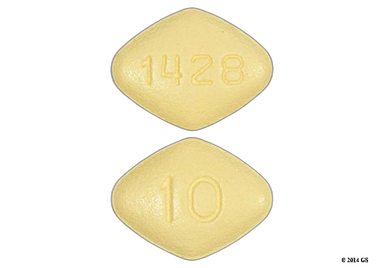
Farxiga (dapagliflozin) is a medication that helps lower blood sugar in people 10 years and older with Type 2 diabetes. It works best for diabetes when used with a nutritious diet and exercise. Farxiga (dapagliflozin) can also help lower the risk of serious complications, hospital stays, and death in certain adults with heart failure or chronic kidney disease (CKD). This medication belongs to the drug class called sodium-glucose cotransporter 2 (SGLT2) inhibitors. It comes as a tablet that's taken by mouth once a day. Side effects include yeast infections and urinating more often. Some people might also notice some weight loss.

Farxiga (dapagliflozin) is a sodium-glucose cotransporter 2 (SGLT2) inhibitor. It works by blocking the SGLT2 protein in the kidneys. This prevents sugar and sodium (salt) from absorbing back into your body.
For Type 2 diabetes: Instead of being absorbed back into your body, extra sugar passes into your urine. This helps lower your blood sugar levels.
For heart failure: By stopping your body from absorbing back too much sodium, the heart can fill with blood and pump blood through the body more easily. This helps lessen stress on the heart.
For CKD: The medication works to help improve blood flow in the kidneys. This helps lessen stress on the kidneys and slow down CKD of CKD.
| Common Brands | Farxiga |
|---|---|
| Drug Class | SGLT2 inhibitor |
| Controlled Substance Classification | Not a controlled medication |
| Generic Status | Lower-cost generic available |
| Availability | Prescription only |

The following side effects may get better over time as your body gets used to the medication. Let your healthcare provider know immediately if you continue to experience these symptoms or if they worsen over time.
Contact your healthcare provider immediately if you experience any of the following.
Side effects that you should report to your care team as soon as possible:




Farxiga (dapagliflozin) can cause some serious health issues. This risk may be even higher for certain groups. If this worries you, talk to your doctor or pharmacist about other options.
Some people with diabetes taking Farxiga (dapagliflozin) have had ketoacidosis. It's a serious condition when your body makes too many acids called ketones. This can make your blood too acidic, which can be very dangerous. Your risk might be higher if you get sick, eat much less than usual, or recently had surgery.
Watch for signs of ketoacidosis while taking Farxiga (dapagliflozin), even if you don't have diabetes. Symptoms can include thirst, dry mouth, and urinating more often. Other signs are fruity breath, stomach pain, nausea, vomiting, or feeling very tired. If you notice these symptoms, check your ketone levels if possible and get medical help right away.
Farxiga (dapagliflozin) can cause your body to lose too much fluid. This can lead to dehydration or very low blood pressure in some people. Low fluid levels can also lower blood flow to the kidneys and might cause kidney injury.
You might be at risk if you're 65 years or older or if you already have kidney problems. It can also be higher if you take certain water pills, such as furosemide (Lasix).
If you're at risk, your prescriber will check your kidneys with blood tests before you start Farxiga (dapagliflozin). They might also check during treatment to make sure the medication is still safe for you.
Tell your care team if you feel dizzy or lightheaded while taking Farxiga (dapagliflozin). These can be sign of dehydration or low blood pressure. Also let them know if you notice that you're urinating less than usual or have darker urine. These could also be signs of dehydration or a kidney problem.
Farxiga (dapagliflozin) can raise your risk of genital infections, like yeast infections and UTIs. In rare cases, these infections can become serious and might need hospital treatment.
Get urgent care right away if it burns when you urinate, you need to urinate often, or you see blood in your urine. These can be signs of a UTI. Also get medical care if you notice an odor from your genitals or have pain, redness, swelling, or itching around your genitals. These can be signs of a genital yeast infection. It's important to get it checked out so you can get treated for any infections quickly.
Taking Farxiga (dapagliflozin) with insulin or sulfonylureas, like glipizide, can put you at risk of low blood sugar. These diabetes medications are . Very low blood sugar can be dangerous and even life-threatening.
Be sure you can recognize symptoms of low blood sugar. This can include feeling shaky, anxious, confused, sleepy, weak, or very hungry. You might also have a fast heartbeat, be sweaty, or have chills.
If you have these symptoms, check your blood sugar and treat any low blood sugar right away. Talk to your prescriber or pharmacist about your risk for low blood sugar.

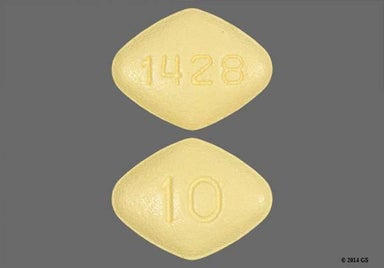
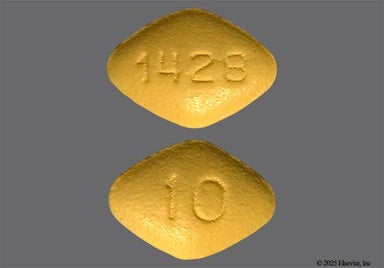
 Tablet
| Dosage | Quantity | Price as low as | Price per unit |
|---|---|---|---|
| 5mg | 30 tablets | $288.00 | $9.60 |
| 10mg | 30 tablets | $288.00 | $9.60 |











Prescription savings
Stop paying too much for your prescriptions. Compare prices, get pharmacy coupons, and save up to 80%. Find expert answers to your health questions so you can make the best decisions for yourself and your family.
Health conditions
Medications & treatment
Access & affordability
Medication discounts


Yes. Some people might lose some weight while taking Farxiga, but it isn't FDA approved for weight loss. It might happen because the medication removes extra sugar from your body through your urine instead of letting your body store it for energy. It can also cause you to lose some water weight because you urinate more often. In studies, people taking Farxiga with metformin lost an average of about 6 to 7 pounds over 6 months. Keep in mind that not everyone loses weight, and the amount of weight loss can vary from person to person.
What happens after you stop taking Farxiga depends on why you're taking it. If you have Type 2 diabetes, your blood sugar might go up. If you have heart failure, your symptoms might come back or get worse. Your risk for heart failure complications can also go back up. And if you have chronic kidney disease (CKD), your kidney health might get worse. Don't stop taking Farxiga without talking to your prescriber first.
There's no set amount of water everyone should drink while taking Farxiga. But it's important to stay well hydrated because the medication can make you urinate more often and lose more fluids. For most adults, a good starting goal is about 2.7 L (91 oz) of fluids a day for women and 3.7 L (125 oz) a day for men. Children have lower starting goals. These fluids mostly include plain water but also other things like milk, juice, and tea. Keep in mind that your fluid needs can vary based on your overall health, activity level, and the weather. If you're taking Farxiga for heart failure or chronic kidney disease (CKD), your prescriber might tell you to limit how much you drink to help manage your condition. Ask your prescriber how much water is right for you.
Yes, generic versions of Farxiga are available. They’re called dapagliflozin, which is the same active ingredient as Farxiga. Generic dapagliflozin works the same way as the brand-name medication. Several companies now make generic dapagliflozin. Ask your prescriber or pharmacist if you’d like the generic version.
For healthy adults, Farxiga stays in your system for about 2 to 3 days after a single dose. This is calculated from the medication's half-life. That's a measure of how long it takes for half the amount of medication to leave your body. Keep in mind that if you have kidney issues, your body might process Farxiga much more slowly. Talk to your prescriber if you have questions about how long Farxiga stays in your system.
Yes, Farxiga might lower your blood pressure. It helps your kidneys remove extra sugar and sodium through your urine. This can make you urinate more, causing your body to lose more water and lowering your blood pressure. You might feel a little dizzy or lightheaded, especially when you stand up. Tell your prescriber if this happens often. Also let them know if you take blood pressure medication so they know to watch for changes.
There isn't a specific time that's best to take Farxiga. But you might consider taking it in the morning. The medication can make you urinate more often. Taking it earlier in the day might help you avoid getting up at night to use the bathroom. Whichever time you choose, try to take Farxiga around the same time every day. This can help you remember to take the medication and help it work consistently.
Yes, you can take Farxiga and metformin together. These medications work in different ways to lower blood sugar in people with Type 2 diabetes. Farxiga helps your kidneys remove extra sugar through your urine. And one of the few ways that metformin works is lowering the amount of sugar your liver makes. Taking them together can lower your blood sugar more than taking either alone. Ask your prescriber if this combination is right for you.
