





10 Medication Side Effects That Can Affect Your Mouth
Some medications cause mouth-related side effects, like dry mouth and burning mouth syndrome. Here are 10 common issues and medications that may cause them.
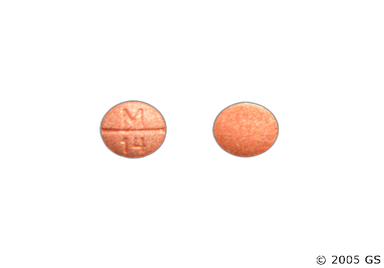
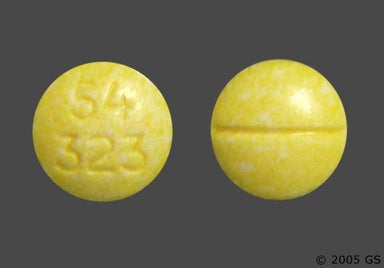
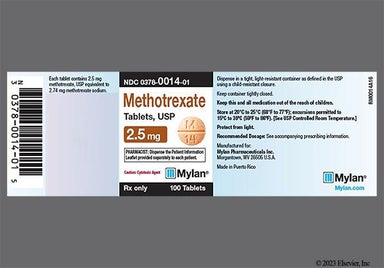
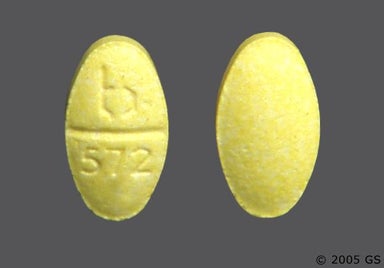
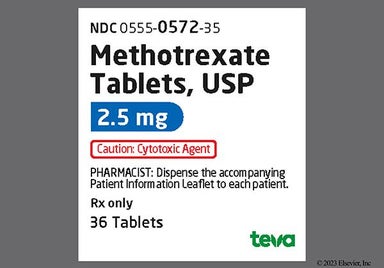
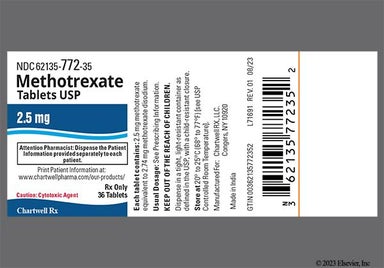
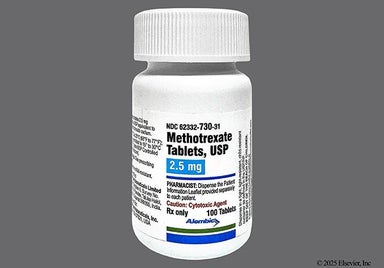
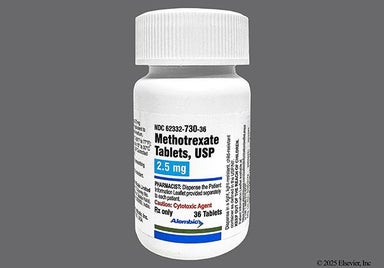
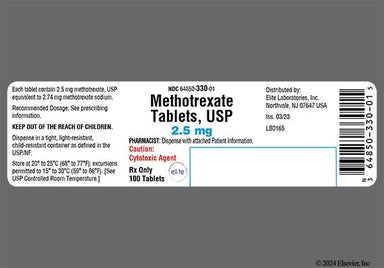
Methotrexate (Trexall) belongs to a drug class called antimetabolites. It’s used as chemotherapy at high doses to kill cancer cells and treat different cancers, such as acute lymphoblastic leukemia (ALL). At lower doses, methotrexate (Trexall) is considered a disease-modifying antirheumatic drug (DMARD) that treats certain non-cancer conditions, such as rheumatoid arthritis (RA). This medication is a tablet that you take by mouth. For most conditions, it’s taken once a week, but for some, it’s taken more often than that. Methotrexate (Trexall) side effects include mouth sores, nausea, and stomach upset.

Cancer:
Non-cancer conditions:
Methotrexate (Trexall) is an antimetabolite medication that treats many types of cancers and non-cancer conditions (like arthritis and psoriasis).
For cancer: Methotrexate (Trexall) works by blocking dihydrofolate reductase, a protein in your body that’s important for making DNA in cells and for cell growth. Since cancer cells grow much more quickly than healthy cells, the medication helps slow down cancer growth so the cancer can’t spread as well.
For non-cancer conditions: We don’t know exactly how methotrexate (Trexall) works to treat non-cancer conditions such as rheumatoid arthritis and psoriasis. But research suggests that, at lower doses, it blocks the immune system from becoming too active. For psoriasis, the medication might also help slow down the growth of skin cells.
| Common Brands | Trexall |
|---|---|
| Drug Class | Antimetabolite |
| Controlled Substance Classification | Not a controlled medication |
| Generic Status | Lower-cost generic available |
| Availability | Prescription only |

The following side effects may get better over time as your body gets used to the medication. Let your healthcare provider know immediately if you continue to experience these symptoms or if they worsen over time.
Contact your healthcare provider immediately if you experience any of the following.
Along with its needed effects, a medicine may cause some unwanted effects. Although not all of these side effects may occur, if they do occur they may need medical attention.
Check with your doctor immediately if any of the following side effects occur:
More common
Black, tarry stools
bleeding gums
blood in the urine or stools
bloody vomit
increased heartbeat
itching, rash, reddening of the skin
joint pain
pinpoint red spots on the skin
sores in the mouth or lips
stomach pain
swelling of the eyelids, face, lips, hands, feet, or lower legs
swelling or inflammation of the mouth
trouble breathing
unusual bleeding or bruising
vomiting
yellow eyes or skin
Less common
Back pain
bloody nose
blurred vision
body and muscle pain
burning while urinating
confusion
continuing ringing, buzzing, or other unexplained noise in the ears
cough or hoarseness
cracked, dry, scaly skin
dark urine
dizziness
drowsiness
ear congestion
fever or chills
headache
loss of appetite
loss of hearing
loss of voice
lower back or side pain
painful or difficult urination
pale skin
seizures
stuffy or runny nose
unusual tiredness or weakness
white or brownish vaginal discharge
Incidence not known
blistering, peeling, or loosening of the skin
blurred or change in vision
changes in skin color
confusion
decreased interest in sexual intercourse
difficulty in moving
dizziness, faintness, or lightheadedness when getting up suddenly from a lying or sitting position
dryness or soreness of throat
fruit-like breath odor
inability to have or keep an erection
increased hunger or thirst
indigestion
irritation in the mouth
large, flat, blue, or purplish patches in the skin
loss in sexual ability, desire, drive, or performance
loss of consciousness
menstrual problem
night blindness
pain in the chest or groin
pain, redness, swelling, or tenderness in the arm or leg
red skin lesions, often with a purple center
red, wart-like spots on the skin
sudden loss of coordination
sudden onset of slurred speech
swelling or soreness of the breasts
swollen, painful, or tender lymph glands in the neck or armpit
tingling or numbness in the hands, feet, or lips
Some side effects may occur that usually do not need medical attention. These side effects may go away during treatment as your body adjusts to the medicine. Also, your health care professional may be able to tell you about ways to prevent or reduce some of these side effects. Check with your health care professional if any of the following side effects continue or are bothersome or if you have any questions about them:
More common
Hair loss or thinning
Other side effects not listed may also occur in some patients. If you notice any other effects, check with your healthcare professional.
Call your doctor for medical advice about side effects. You may report side effects to the FDA at 1-800-FDA-1088.




Methotrexate (Trexall) can cause some serious health issues. This risk may be even higher for certain groups. If this worries you, talk to your doctor or pharmacist about other options.
 Methotrexate (Trexall) can cause harm to an unborn baby and pregnancy loss (miscarriage) when it’s taken during pregnancy. For this reason, you can’t take this medication for non-cancer conditions if you’re pregnant.
 In general, it’s best to avoid becoming pregnant while you’re taking methotrexate (Trexall). If you or your partner can become pregnant, you should use reliable birth control while you’re taking methotrexate (Trexall). Keep using birth control for 6 months after the last dose (for females) or for 3 months after the last dose (for males). Contact your provider right away if you or your partner gets pregnant during treatment.
Some people have experienced allergic reactions to methotrexate (Trexall). Let your nurse or provider know right away if you have any symptoms of a reaction such as itching, fever, nausea, trouble breathing, or a fast heartbeat. Get medical help as soon as possible if you have an anaphylactic reaction, such as hives, swelling in the face or lips, or throat tightness.
Methotrexate (Trexall) can cause low blood cell counts, particularly in people taking the medication at doses for cancer treatment. When your red blood cells are low, you might feel more tired. And when your platelets are low, you’re at risk for bleeding. In addition, low white blood cells put you at risk for serious and life-threatening infections.
Your provider will check your blood cell counts before you start methotrexate (Trexall) and every so often during treatment. Your provider will pay close attention to your white blood cell counts. If your counts are too low, your provider might make adjustments to your treatment to give your body time to make new blood cells.
It’s important to lower your risk of getting sick by washing your hands often and avoiding crowds. Check your temperature regularly, and call your provider right away if your temperature is 100.4 degrees Fahrenheit or higher.
Sometimes, methotrexate (Trexall) causes vomiting, diarrhea, mouth sores, stomach bleeding, or tears in the gut. Your provider might recommend antiemetics such as ondansetron (Zofran) to help with nausea or loperamide (Imodium A-D) to treat diarrhea. Seek medical help right away if you have sudden stomach pain or blood in your stool.
Some people taking methotrexate (Trexall) have developed liver problems, including cirrhosis or liver failure. People who take methotrexate (Trexall) for psoriasis have a higher risk of liver problems the longer they take the medication. Talk to your provider about the benefits and risks of taking this medication if you have liver problems. Your provider will check your liver with lab tests. You might need to pause methotrexate (Trexall) if you have high liver enzyme levels on your test results because this can suggest liver damage.
Some people who’ve taken methotrexate (Trexall) have had a serious lung problem called interstitial lung disease (ILD). Talk to your provider right away if you have a sudden or worsening cough, trouble breathing, and fever. You might have to pause or stop methotrexate (Trexall) while your provider examines your lungs.
Methotrexate (Trexall) can cause serious skin problems, including severe and potentially life-threatening skin reactions, such as Stevens-Johnson syndrome or toxic epidermal necrolysis (TEN). Tell your provider right away if you start having painful blisters, skin wounds, or peeling skin. These are signs of a serious skin reaction that need immediate medical attention.
Methotrexate (Trexall) might also cause skin burns from being out in direct sunlight or from previous radiation. You should avoid sun exposure when possible. If you’re going outdoors, wear sunscreen with an SPF of at least 30 and clothes that protect your skin. Let your provider know if you get a sunburn or have painful skin while you’re taking methotrexate (Trexall).
Methotrexate (Trexall) can cause kidney damage, sometimes leading to problems like permanent kidney failure. Your provider will closely monitor your kidney health during treatment. You might need to stop taking methotrexate (Trexall) for a while so your provider can look into the problem.
It’s very important that you take the exact dose of methotrexate (Trexall) that your provider prescribes. Otherwise, the medication can cause serious and sometimes life-threatening side effects. Most commonly, these mistakes happen when people take methotrexate (Trexall) once a day when they’re instructed to take it only once per week. Some ways to help you take methotrexate (Trexall) as prescribed is to use a reminder app on your phone or choose day(s) of the week that are easy to remember.
Folic acid, also called folate, is a B vitamin that helps cells grow and make DNA. To treat cancer, methotrexate (Trexall) works by stopping your body from making folate. This lowers the amount of folate in your body, which causes cancer cells to die. Most people who take methotrexate (Trexall) for cancer shouldn’t take folic acid supplements because they can make methotrexate (Trexall) work less well to treat your cancer.
But when methotrexate (Trexall) is taken for autoimmune conditions such as psoriasis, regularly taking folic acid is important for replenishing the important nutrient in your body and preventing certain side effects. Talk to your provider about whether or not you should take folic acid while you’re taking methotrexate (Trexall).
People who take Methotrexate (Trexall) have a higher risk of getting sick, particularly from opportunistic infections (infections that usually only happen when the immune system is weak). Sometimes, providers prescribe additional medications, such as antibiotics and antiviral medications, to prevent infections. Contact your provider right away if you feel sick, such as having a fever, muscle aches, night sweats, severe tiredness, cough, or trouble breathing. You might need to start taking a lower dose or stop methotrexate (Trexall) altogether if you develop a serious infection during treatment.
Some people taking methotrexate (Trexall) developed serious nervous system problems including headache, confusion, seizures, difficulty moving one side of the body, vision changes, and coma. Sometimes, the symptoms are temporary and completely go away; other times, they can be permanent. Your provider will regularly perform exams to check your nervous system while you’re taking methotrexate (Trexall). But contact your provider right away if you have any symptoms between office visits.
Some people who took methotrexate (Trexall) have developed new cancers. Some people reported getting cancers that affect their white blood cells (lymphoproliferative disease) even at low doses of methotrexate (Trexall); the new cancer improved when they stopped the medication in these cases. You might be at higher risk for skin cancers if you have psoriasis and you're taking both methotrexate (Trexall) and cyclosporine.
Your provider will check for signs of new cancers from your lab tests and your symptoms during treatment. Speak with your provider if you notice any new, unusual symptoms. If your blood tests are abnormal or if you have symptoms of other cancers, you might need to pause your treatment while your provider looks into it.
Tumor lysis syndrome (TLS) is a complication of treatment if you’re taking methotrexate (Trexall) for cancer. This happens when cancer cells are destroyed and the cells release what they have inside into the bloodstream. This complication can be dangerous because it can lead to high levels of uric acid and potassium in the blood, which can cause kidney or heart problems.
Your provider might give you extra fluids to prevent TLS. Your provider will also check your electrolyte levels often. If your lab results show signs of TLS, you might need to pause methotrexate (Trexall) while you get treated for this complication.
Methotrexate (Trexall) might cause infertility, which means you might not be able to have children in the future. People have reported low sperm count and menstrual problems. It’s unclear whether these changes are reversible. Talk to your provider about your options for fertility preservation if you’re considering having children in the future.
Methotrexate (Trexall) can build up in pockets of fluid in the body. The medication can stay in your body longer if you’ve been told that you have fluid buildup in your body, such as around your stomach (ascites) or your lungs. This can put you at risk for worse side effects from methotrexate (Trexall). Your provider will check for any extra fluid in your body and manage or treat it before you start methotrexate (Trexall).

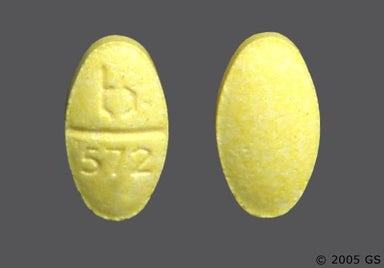
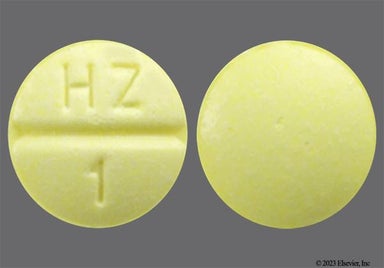
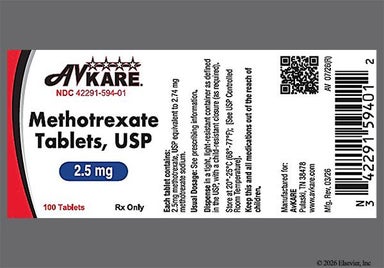
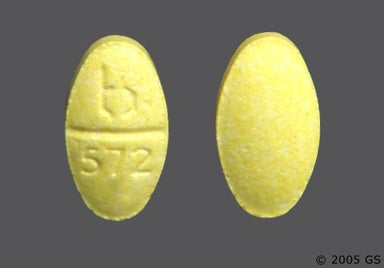
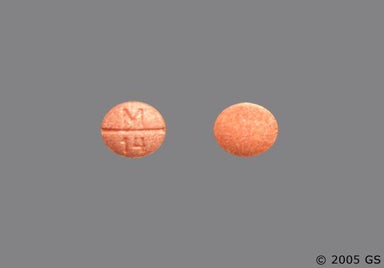
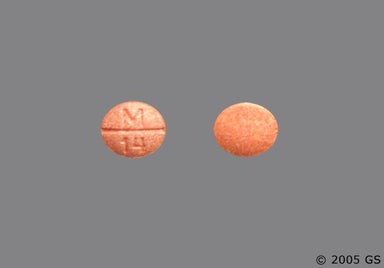
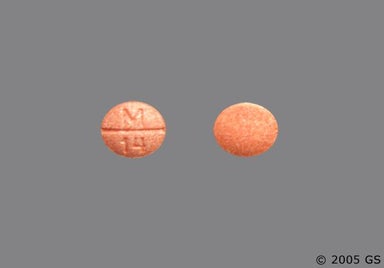
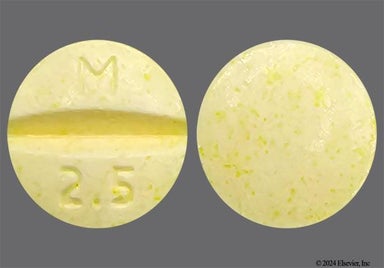
 Tablet
| Dosage | Quantity | Price as low as | Price per unit |
|---|---|---|---|
| 2.5mg | 24 tablets | $13.46 | $0.56 |

Although certain medicines should not be used together at all, in other cases two different medicines may be used together even if an interaction might occur. In these cases, your doctor may want to change the dose, or other precautions may be necessary. When you are taking this medicine, it is especially important that your healthcare professional know if you are taking any of the medicines listed below. The following interactions have been selected on the basis of their potential significance and are not necessarily all-inclusive.
Using this medicine with any of the following medicines is not recommended. Your doctor may decide not to treat you with this medication or change some of the other medicines you take.
Using this medicine with any of the following medicines is usually not recommended, but may be required in some cases. If both medicines are prescribed together, your doctor may change the dose or how often you use one or both of the medicines.
Using this medicine with any of the following medicines may cause an increased risk of certain side effects, but using both drugs may be the best treatment for you. If both medicines are prescribed together, your doctor may change the dose or how often you use one or both of the medicines.


Contraindications are specific health conditions or situations in which a person should not take a medication due to safety concerns. If you have any of the following conditions or if any of the following apply to you, let your healthcare provider know because Methotrexate (Trexall) will not be safe for you to take.
















Prescription savings
Stop paying too much for your prescriptions. Compare prices, get pharmacy coupons, and save up to 80%. Find expert answers to your health questions so you can make the best decisions for yourself and your family.
Health conditions
Medications & treatment
Access & affordability
Medication discounts


Yes, Trexall is considered chemotherapy because it kills cells that are growing quickly. It works by blocking a protein that’s important for helping cells grow and divide. Trexall is often used to treat cancer because it can help kill cancer cells. But the medication can also damage other healthy, fast-growing cells in your body. This causes chemotherapy side effects like nausea and mouth sores, especially when the medication is used at high doses for cancer. Note that Trexall can also be used at lower doses to treat autoimmune conditions, such as rheumatoid arthritis and psoriasis, with a lower risk of chemotherapy side effects.
Hair loss isn’t a common side effect of Trexall, but it’s not impossible. In general, less than 10% of people who’ve taken Trexall have reported hair thinning or hair loss. If you do notice hair loss, hair usually grows back after you stop treatment. Talk to your provider about ways to manage hair loss if you experience this side effect.
In general, it can take about half a day to 2 days for a dose of Trexall to leave your body. But there are many things that can affect this time frame, such as how well your kidneys work or whether you’re taking other medications that interfere with how your body gets rid of Trexall. Your body uses your kidneys to remove Trexall from its system. So it can take longer for the medication to leave your body if you have kidney problems because your kidneys aren’t working as well as they should. Your provider will check your kidney function while you’re taking Trexall.
Trexall lowers the number of white blood cells you have in your body, which can put you at risk for infection. It’s common to wonder how you can help boost your immune system while you’re taking this medication. But for some autoimmune conditions, such as psoriasis or rheumatoid arthritis, keep in mind that weakening your immune system is part of how this medication works to improve symptoms. So sometimes, it’s best to focus on avoiding and preventing infection rather than on boosting up your immune system. Some ways to prevent infection include washing your hands often and avoiding crowds. You should also contact your provider right away if you have signs of infection, such as chills or a fever.
No, Trexall isn’t a steroid (also called a corticosteroid). Both corticosteroids and low-dose Trexall can help with autoimmune conditions by blocking your immune system from being too active and lessening inflammation. But they’re two different types of medications. Corticosteroids act like the steroid hormones that your body naturally makes. But Trexall belongs to the drug class known as antimetabolites. It’s considered a disease-modifying antirheumatic drug (DMARD), and it doesn’t act exactly like a steroid when it’s used at low doses for autoimmune conditions. At higher doses, Trexall can also be used to treat cancer by destroying cancer cells in the body.
In clinical studies, people who took Trexall didn’t report any weight gain. Contact your provider if you notice unusual weight gain while you’re taking Trexall. Your provider might want to look into some things, such as your kidney or liver health, which could be causing weight changes.
It’s best to avoid drinking alcohol while you’re taking Trexall. This medication can cause harm to your liver. And alcohol can raise your risk for liver damage, especially if you drink a lot. Speak with your provider about your drinking habits during treatment with Trexall. If needed, your provider can work with you to help lower how much you drink or help you stop drinking altogether.
