Key takeaways:
Methotrexate (Jylamvo, Rasuvo, Trexall, Xatmep) is a prescription medication that’s commonly used for certain cancers and autoimmune conditions.
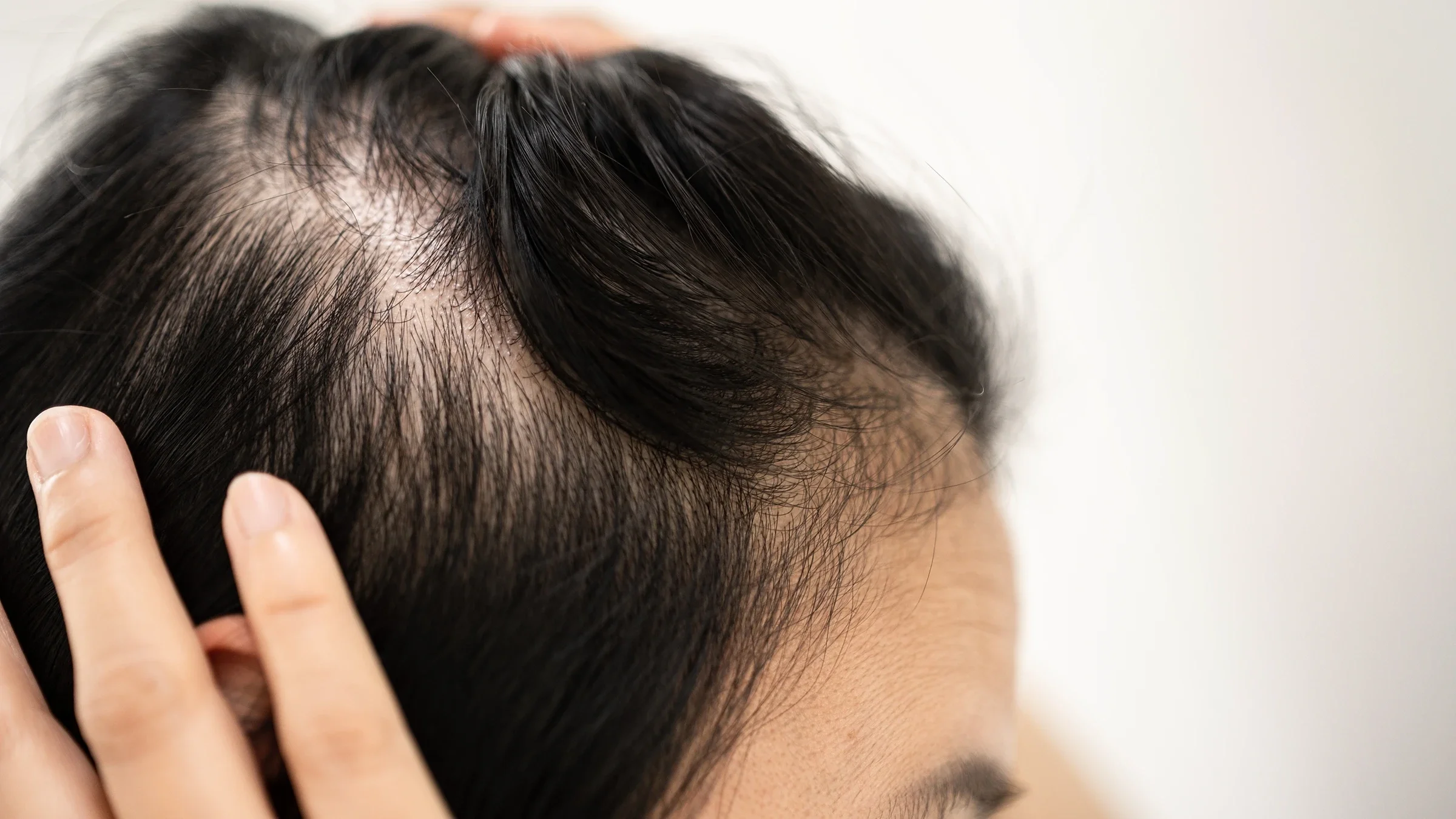
Methotrexate can sometimes cause hair loss. It’s more likely to happen at higher doses that are used for certain types of cancer. Lower doses used for conditions such as rheumatoid arthritis and psoriasis are less likely to cause hair loss, but they may lead to hair thinning.
Taking a folic acid supplement, lowering your methotrexate dose, or switching medications can help slow or reverse hair loss caused by methotrexate. Seeing a dermatologist for hair regrowth treatment or using nonpharmacological methods can help, too. But don’t take a folic acid supplement if you’re receiving methotrexate for cancer treatment.
Save on related medications
For many of us, our hair plays an important role in defining who we are. Whether you rock braids, curls, or a buzzcut, styling your hair allows you to be creative and change up your look. So it’s not surprising that hair loss is one of the top concerns when it comes to medication side effects.
Methotrexate (Jylamvo, Rasuvo, Trexall, Xatmep) is a prescription medication that’s commonly used for certain cancers and autoimmune conditions, such as rheumatoid arthritis (RA) and psoriasis. Methotrexate can cause hair loss — but whether you lose it and how much you lose depend on the dose and what you’re taking it for.
Let’s dive into some of the specifics of how this medication may affect your luscious locks.
Search and compare options
Does methotrexate cause hair loss?
It can. High doses of methotrexate — those used as chemotherapy for specific blood or bone cancers — are more likely to cause hair loss. High-dose methotrexate is typically administered based on your height and weight and is given at doses of 1,000 mg/m2 or higher. Even at these doses, though, it’s not a guarantee you’ll lose all your hair.
Lower doses — such as those used for other types of cancer, as well as RA and psoriasis — are much less likely to cause hair loss. Typical doses for other types of cancers are 40 mg/m2 to 60 mg/m2, while dosages for RA and psoriasis are even lower at 7.5 mg to 25 mg once a week.
If you do lose hair at lower doses, it’s more likely to be mild thinning rather than hair loss.
How common is hair loss while taking methotrexate?
If you take methotrexate for RA, hair loss isn’t common. Generally, around 1% to 5% of people experience hair loss when taking it for this purpose. However, some studies have reported higher numbers.
One study found that up to 8% of people taking methotrexate for RA experienced some sort of hair loss after taking it for a year. But another study didn’t find a difference in hair loss compared with people who weren’t taking methotrexate. Women seem to report hair loss more often than men.
If you’re taking methotrexate for psoriasis, your chance of hair loss might be slightly higher. Up to 10% of people experienced some sort of hair loss while taking methotrexate for psoriasis.
What’s more, a small study found that up to 30% of people taking methotrexate for various reasons — and at doses normally used for autoimmune conditions — experienced hair loss.
There aren’t specific numbers available for the percentage of people who lose their hair while receiving methotrexate for cancer. This also varies based on your specific cancer and methotrexate dose. Reach out to your oncology team if you have specific questions about hair loss while undergoing chemotherapy.
When does hair loss from methotrexate usually start?
High-dose methotrexate is sometimes prescribed as chemotherapy. Many chemotherapy regimens are given every 2 to 3 weeks. If hair loss or thinning are going to happen, they usually start about 2 to 3 weeks after the first treatment. Hair loss often peaks by the end of the second treatment cycle.
At lower doses, it’s less clear when hair loss will start. It may be less noticeable and happen more slowly since mild thinning is more common at these doses.
Can you stop hair loss from methotrexate?
If the amount of hair you’re losing is worrisome, there are a few things you can do.
Ask about a folic acid supplement: Folate — a natural form of folic acid — is important in making DNA and helping cells grow. Methotrexate blocks folate’s ability to make new cells. Taking a folic acid supplement can help lessen certain methotrexate side effects, including hair loss. However, you shouldn’t take folic acid supplements if you’re receiving methotrexate for cancer. This can make your cancer treatment less effective.
Lower your methotrexate dose: Don’t do this without talking to your rheumatologist or oncologist first, though. They’ll likely want to make sure your condition is well-managed before going this route.
Switch medications: Methotrexate is a go-to medication for several autoimmune conditions. But there are plenty of other options that don’t cause hair loss. If you’re taking methotrexate for cancer, talk to your oncologist. Not all chemotherapies cause the same amount of hair loss, but the ability to switch up treatment depends on your specific cancer.
See a dermatologist: They may be able to prescribe scalp lotions or other hair regrowth treatments that can slow hair loss or revive your follicles.
There are also plenty of changes not related to medication that you can consider to help slow hair loss, including:
Wash your hair less often than normal.
Use a mild, nonabrasive shampoo.
Avoid heating products such as hair dryers, curling irons, or flat irons.
Use a hairbrush with soft bristles or a wide-tooth comb.
Will your hair grow back if you stop taking methotrexate?
In most cases, yes. But it may take a while for it to return to its normal fullness, color, and texture. If you’re receiving high-dose methotrexate for cancer, it may take a few months for your hair to start growing again.
Is there a methotrexate alternative that doesn’t cause hair loss?
It’s hard to say for sure. Everyone responds differently to cancer and autoimmune medications.
Methotrexate is a conventional disease-modifying antirheumatic drug (DMARD). A few other conventional DMARDs, such as hydroxychloroquine (Plaquenil) and sulfasalazine (Azulfidine), may also rarely cause hair loss. Some people may tolerate one medication better than another.
Biologic DMARDs are another option. These injectable medications are usually used later on in the treatment of RA or psoriasis. They work by targeting specific parts of the immune system to reduce inflammation.
One group of biologics, called tumor necrosis factor (TNF) inhibitors, may cause hair loss in about 3% of people. Examples include etanercept (Enbrel), adalimumab (Humira), and infliximab (Remicade).
Other biologic DMARDs have had very few — or no — reports of hair loss.
Newer RA medications — including Janus kinase (JAK) inhibitors such as tofacitinib (Xeljanz), baricitinib (Olumiant), and upadacitinib (Rinvoq) — don’t seem to cause hair loss. The same is true for oral psoriasis medications such as apremilast (Otezla).
It would be unusual for topical psoriasis medications to cause hair loss, unless you have plaque on your scalp. Reach out to your rheumatology team if you have questions about whether your specific medication can cause hair loss.
Keep in mind: If you’re receiving methotrexate for cancer, there may be alternatives that cause less hair loss. But it really depends on your type of cancer. You’ll need to have a conversation with your oncology team to discuss alternatives.
Frequently asked questions
Methotrexate is part of a group of medications called antimetabolites. It stops cells from using folic acid to make and repair DNA. At higher doses, this helps kill fast-growing cancer cells since they need folic acid to grow. Your hair follicles also have fast-growing cells — this is why methotrexate can affect your hair.
At lower doses used for autoimmune conditions, it’s less clear how methotrexate works. We do know that it helps calm your immune system and lower inflammation. It’s thought to do this by increasing a chemical called adenosine in your body. Adenosine has natural anti-inflammatory effects.
Hair loss isn’t the only issue caused by methotrexate. Some of its more common side effects include:
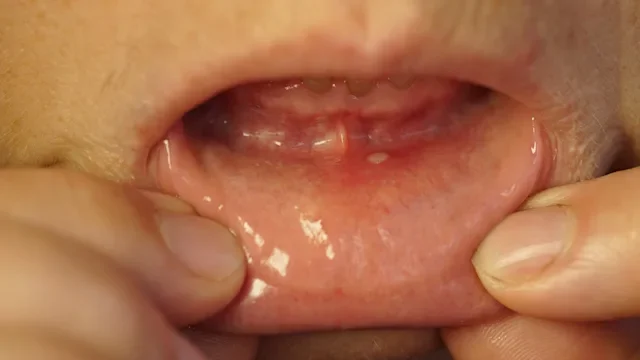
Mouth sores
Nausea and vomiting
Diarrhea
Rash
Sensitivity to the sun
Liver problems
Kidney problems
Lung irritation
Low blood counts, including low white blood cells, red blood cells, and platelets
Infections
Nerve cell damage
Methotrexate is part of a group of medications called antimetabolites. It stops cells from using folic acid to make and repair DNA. At higher doses, this helps kill fast-growing cancer cells since they need folic acid to grow. Your hair follicles also have fast-growing cells — this is why methotrexate can affect your hair.
At lower doses used for autoimmune conditions, it’s less clear how methotrexate works. We do know that it helps calm your immune system and lower inflammation. It’s thought to do this by increasing a chemical called adenosine in your body. Adenosine has natural anti-inflammatory effects.
Hair loss isn’t the only issue caused by methotrexate. Some of its more common side effects include:
Mouth sores
Nausea and vomiting
Diarrhea
Rash
Sensitivity to the sun
Liver problems
Kidney problems
Lung irritation
Low blood counts, including low white blood cells, red blood cells, and platelets
Infections
Nerve cell damage
The bottom line
Methotrexate (Jylamvo, Rasuvo, Trexall, Xatmep) is a prescription medication that’s commonly used for certain cancers and autoimmune conditions. It can cause hair loss, but that’s more likely to happen at higher doses that are used for cancer. Lower doses used for rheumatoid arthritis and psoriasis are more likely to cause thinning, if any hair loss.
Taking a folic acid supplement, lowering your methotrexate dose, or switching medications can help slow or reverse hair loss caused by methotrexate. But don’t lower or change medications without consulting your healthcare practitioner. Seeing a dermatologist for hair regrowth treatments and using nonpharmacological methods can help, too. Don’t take a folic acid supplement if you’re receiving methotrexate for cancer treatment.

Why trust our experts?




References
Accord Healthcare. (2025). Hydroxychloroquine sulfate tablet [package insert]. DailyMed.
Accord Healthcare. (2025). Methotrexate injection [package insert]. DailyMed.
American Cancer Society. (2024). Hair loss (alopecia).
Arthritis Foundation. (n.d.) Arthritis medications and hair loss.
Dhami, L. (2021). Psychology of hair loss patients and importance of counseling. Indian Journal of Plastic Surgery.
Kowalski, A., et al. (2021). Assessment of high-dose methotrexate management guideline in adults with cancer at an academic medical center. Journal of Hematology Oncology Pharmacy.
Kumar, S., et al. (2019). FRI0157 Observational study of hair fall in rheumatoid arthritis patients treated with low dose methotrexate compared to healthy controls. Annals of the Rheumatic Diseases.
Lalani, R., et al. (2020). Low-dose methotrexate and mucocutaneous adverse events: Results of a systematic literature review and meta-analysis of randomized controlled trials. Arthritis Care & Research.
Lukasik, A., et al. (2019). The influence of methotrexate on hair loss while using immunomodulatory doses. Polskie Towarzystwo Lekarskie.
Lutf, A., et al. (2012). Weight gain and hair loss during anti-TNF therapy. International Journal of Rheumatology.
Mylan Pharmaceuticals. (2025). Sulfasalazine tablet, delayed release [package insert]. DailyMed.
National Cancer Institute. (2020). Hair loss (alopecia) and cancer treatment.
National Cancer Institute. (2025). Methotrexate sodium (cancer treatment).
Saraswat, N., et al. (2019). A descriptive study to analyze chemotherapy-induced hair loss and its psychosocial impact in adults: Our experience from a tertiary care hospital. Indian Dermatology Online Journal.
Sherbini, A., et al. (2021). Baseline factors associated with the development of nausea and alopecia over one year in patients starting methotrexate for rheumatoid arthritis. American College of Rheumatology.
Sinha, P., et al. (2020). Anagen effluvium after methotrexate: An idiosyncratic reaction. International Journal of Trichology.