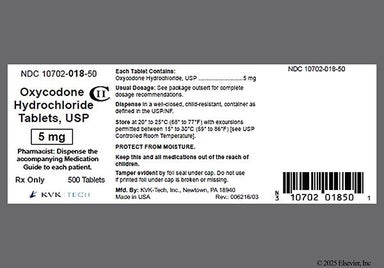
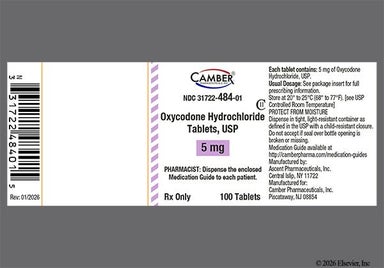
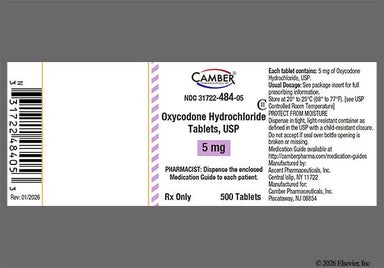
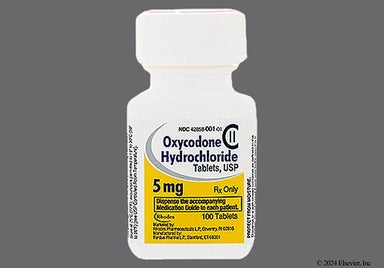
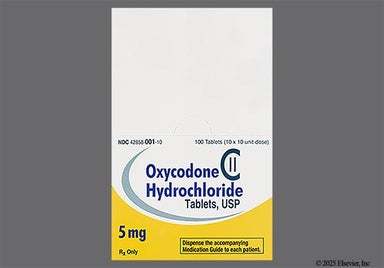
Immediate-release oxycodone, also known by its brand names Roxicodone and Oxaydo, is an opioid. It's used to treat pain that isn't relieved by non-opioid pain medications. Immediate-release oxycodone is available as tablets, capsules, and a liquid that are taken by mouth. Your prescriber will work with you to find the dosage for your individual needs, but it's typically taken every 4 to 6 hours as needed for your pain. Common side effects include making you constipated, sleepy, and dizzy. Oxycodone is a controlled substance because it has a high risk of misuse and dependence.
Oxycodone is a controlled substance, which means that it's more likely to be misused or cause dependence. There are federal and state laws that limit the amount of medication that can be prescribed or dispensed within a certain period of time.
Oxycodone can cause some serious health issues. This risk may be even higher for certain groups. If this worries you, talk to your doctor or pharmacist about other options.
Potential for addiction and misuse
Risk factors: Personal or family history of alcohol or substance use disorder | Personal or family history of mental health problems
Oxycodone is a controlled substance that has a risk for misuse and addiction. Take the medication exactly as prescribed. Don't change how much or how often you take it without talking to your prescriber first.
Misusing oxycodone can raise the risk for serious and possibly life-threatening side effects, such as dangerously slow breathing, not able to stay awake, addiction, and opioid overdose. You'll be prescribed the lowest amount of oxycodone that's necessary to manage your pain for the shortest period of time possible.
Because of the risk for misuse and addiction, oxycodone is only available through a Risk Evaluation and Mitigation Strategy (REMS) program called the Opioid Analgesic REMS program. Your prescriber and pharmacy must register with the program, receive training on proper medication use, and discuss with you about how to take oxycodone safely.
Risk factors: Taking medications that can cause slow breathing | Drinking alcohol | Older age | Being frail | Medical conditions that cause breathing problems (e.g., COPD, asthma, head injury) | Taking too much oxycodone
Oxycodone can cause dangerously slow breathing, which can be life-threatening. This can happen to anyone and at recommended doses. But the risk is greatest when you first start treatment or when your dose goes up.
Don't drink alcohol while you're taking oxycodone. Also don't take oxycodone with medications that slow your body down (e.g., benzodiazepines, other opioids, muscle relaxants). This can put you at risk for having dangerously slow breathing.
Your prescriber will recommend that you have naloxone (Narcan) to carry with you at all times. Naloxone is a medication that can reverse slowed breathing from opioids. Use naloxone, call 911, and get medical help right away if you or your loved one notices that you have trouble breathing or have bluish-colored lips, fingers, or toes.
Risk for opioid overdose
Risk factors: History of opioid use disorder | Previous opioid overdose | Taking high doses of oxycodone | Taking more opioids than prescribed | Alcohol use
Take oxycodone exactly as prescribed. Taking too much medication or taking it more often than prescribed can lead to an overdose. It can be very dangerous if someone accidentally swallows the medication. Be sure to keep oxycodone out of reach from children, pets, and visitors to prevent accidental exposure or overdose.
Symptoms of an opioid overdose include not responding to sound or touch, extremely slow breathing, slow heartbeat, extreme sleepiness, and cold or clammy skin. Be sure you and your loved ones know how to recognize an overdose. Your prescriber will recommend getting naloxone (Narcan) — either by prescription or over the counter. Naloxone can help treat an opioid overdose. Carry naloxone with you at all times; use it and call 911 right away if an overdose happens.
Difficulty concentrating and extreme sleepiness
Risk factors: Taking high doses of oxycodone | Age 65 years or older | Drinking alcohol | Taking other medications that can cause sleepiness
Oxycodone can cause extreme sleepiness and lower your ability to think, react, and focus. Don't drink alcohol with oxycodone. Also don't take oxycodone with other medications that can cause sleepiness or "brain fog" (e.g., benzodiazepines, muscle relaxants, sleep medications). Otherwise, these side effects might worsen.
Make sure you know how oxycodone affects you before driving a car or doing activities that require your concentration. Talk to your prescriber right away if you feel too sleepy from the medication.
Drug interactions
Oxycodone interacts with several medications. Let your care team know what medications you're taking to make sure they're safe for you to take together. Also speak with your care team first before making any changes to your medications because sudden dose adjustments can be harmful.
Some medications can raise the level of oxycodone in your body, which can raise your risk for serious side effects like potentially life-threatening slowed breathing. Medications that can lead to this type of interaction include erythromycin and ritonavir (Norvir), among others.
Other interactions, such as with rifampin (Rifadin) or carbamazepine (Tegretol), can lower the levels of oxycodone in your body. This can cause the opioid medication to work less well to manage your pain. These interactions might also lead to withdrawal symptoms.
Harm to newborn babies
Long-term use of oxycodone during pregnancy can cause your unborn baby to become dependent on the medication. This is because oxycodone can pass through the placenta to your unborn baby.
Once your baby is born, they can experience withdrawal symptoms, such as high-pitched crying, poor feeding behavior, trembling, abnormal sleep patterns, and even seizures. This condition is called neonatal opioid withdrawal syndrome and can be life-threatening if not recognized and treated in time. Let your healthcare professional (HCP) know if you've taken oxycodone during pregnancy or if you notice these symptoms in your baby.
Physical dependence and withdrawal
Risk factors: Long-term use of oxycodone
If taken regularly for a long time, oxycodone can cause physical dependence. This means that your body relies on the medication to function. And you might experience withdrawal if you lower your dose too quickly or suddenly stop taking the medication. Withdrawal symptoms include anxiety, restlessness, irritability, runny nose, yawning, sweating, and chills.
Don't suddenly lower your dose or stop taking oxycodone suddenly without talking to your prescriber first. If needed, your prescriber will slowly lower your dose over time to prevent withdrawal symptoms. Talk to an HCP if you have concerns about taking oxycodone because of the risk for withdrawal.
Low blood pressure
Oxycodone can cause extremely low blood pressure. For example, your blood pressure might suddenly drop when you stand from a sitting or lying down position. This can lead to dizziness and fainting. To avoid falling, get up slowly if you've been sitting or lying down. Talk to an HCP if dizziness or lightheadedness doesn't go away.
Low adrenal hormone levels
Risk factors: Taking oxycodone for longer than 1 month
Some people taking opioid medications like oxycodone have had low adrenal hormone levels. This might be more likely to happen after taking opioids for longer than 1 month. Tell your HCP if you have symptoms of low adrenal hormone levels, such as tiredness, dizziness, weakness, not feeling hungry, nausea, and vomiting. If your adrenal hormone levels are too low, you might need to stop oxycodone and get treated with corticosteroids.
Seizures
Risk factors: History of seizure conditions
If you've had a seizure in the past, oxycodone can raise the risk of having seizures more often. Opioids can also raise your risk of seizures in certain situations. Get medical help immediately if you have a seizure while you're taking oxycodone.
Side effects of Oxycodone
The following side effects may get better over time as your body gets used to the medication. Let your healthcare provider know immediately if you continue to experience these symptoms or if they worsen over time.
Must slowly lower the dose to stop the medication after long-term use to avoid withdrawal symptoms
Have special requirements to fill a prescription for it because it's a controlled substance
Pharmacist tips for Oxycodone
Swallow the immediate-release oxycodone pill whole; don't split, break, cut, or crush it. Take one pill at a time with plenty of water.
Oxycodone can make you sleepy and affect your ability to think, react, and focus. Don't drive or do activities where you need to focus until you know how this medication affects you.
You shouldn't drink alcohol while you're taking oxycodone. Mixing alcohol with opioids can make you very sleepy or dizzy and make it hard to think clearly. This can lead to accidental injuries.
Take oxycodone exactly as your prescriber instructed you to. Don't change your dose or stop taking oxycodone without talking to your prescriber first. They might need to lower your dose slowly before you can stop taking it completely. This lowers your risk of having uncomfortable withdrawal symptoms like sweating, chills, irritability, anxiety, and trouble sleeping.
Make sure to tell your prescriber about all the medications you're taking before you start oxycodone. And don't start any new medications without talking to a healthcare professional (HCP) first. Your care team should review your medication list to make sure your medications are safe to take together. Oxycodone can have harmful interactions with other medications, like certain antidepressants, benzodiazepines, and sleep medications, among others.
It's recommended that you have naloxone (Narcan) with you at all times. Naloxone is a medication that's used to reverse the effects of oxycodone in case of an accidental overdose. Tell your family and close friends where you keep your naloxone in case of an emergency. Remember to still call for emergency medical help if you need to use naloxone for an overdose because its effects are temporary.
Let your prescriber know if you're pregnant. Oxycodone is generally not recommended during pregnancy because of the risk of harm to an unborn baby.
Tell your care team if you're breastfeeding. It's typically recommended to avoid taking oxycodone while you're nursing because the opioid can get into breast milk. This can raise the risk for your baby to have serious side effects like sleepiness and slow breathing.
Store oxycodone out of reach from children, pets, and visitors. Choose a take-back option to safely get rid of the medication if you don't need to take it anymore. This lowers the risk for accidental overdose and helps prevent medication misuse.
Tips for oxycodone liquid:
Make sure you know which strength of the oxycodone liquid you have and how to measure your dose properly to avoid potentially taking the wrong dose. Ask a pharmacist if you're not sure.
Only use the oral syringe that the pharmacy gave you to measure out your dose. Never use household spoons because they aren't accurate.
Store the oxycodone liquid at room temperature. Keep in the original container it came in to protect it from light.
Contraindications are specific health conditions or situations in which a person should not take a medication due to safety concerns. If you have any of the following conditions or if any of the following apply to you, let your healthcare provider know because Oxycodone will not be safe for you to take.
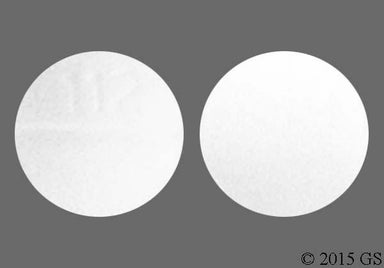
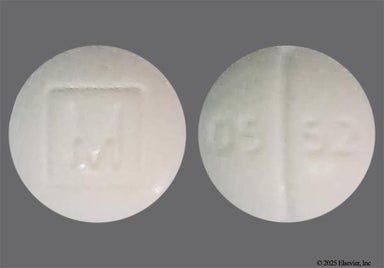
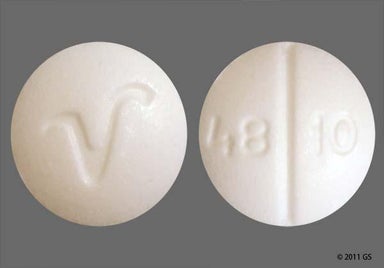
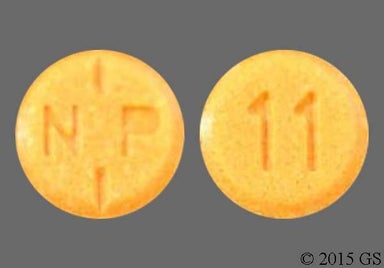
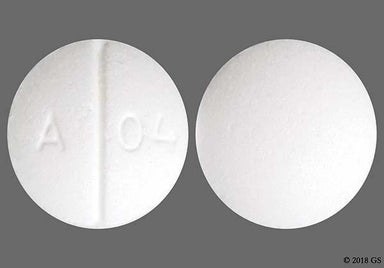
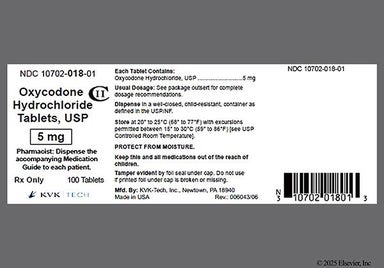
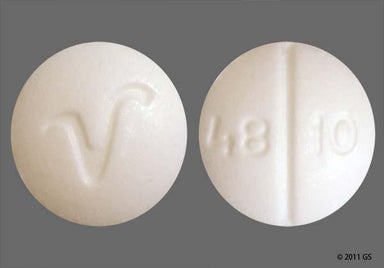
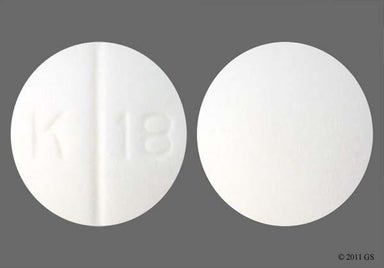
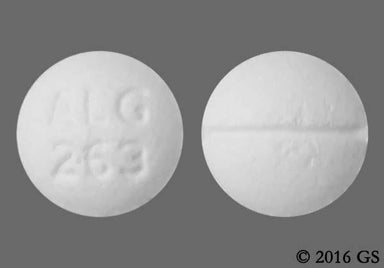
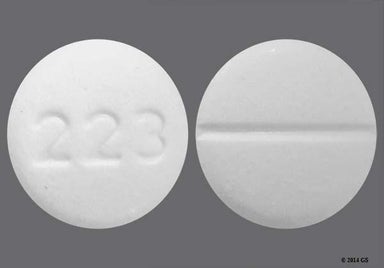
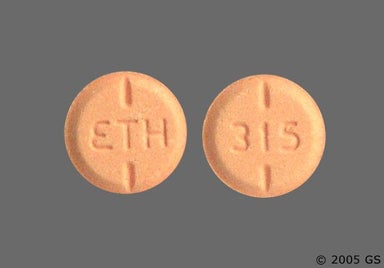
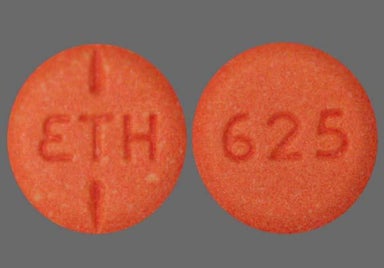
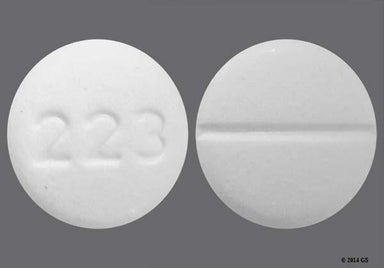
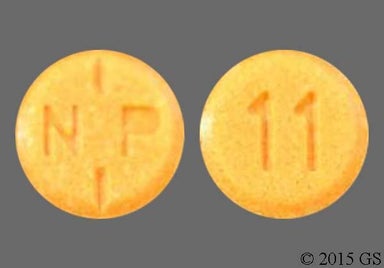
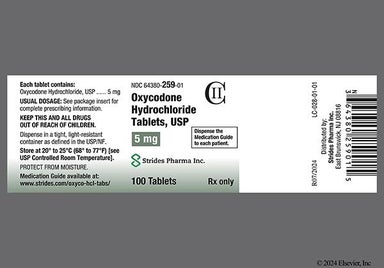
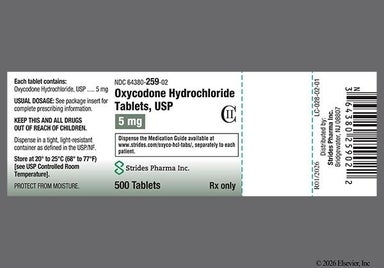
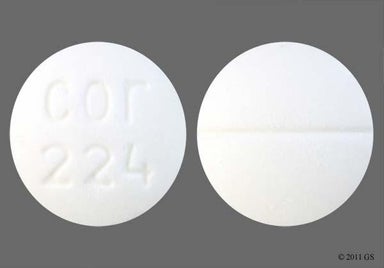
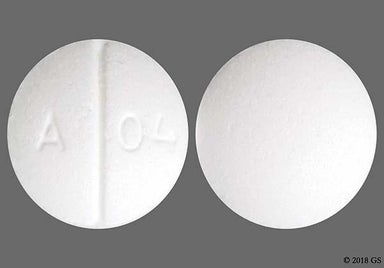
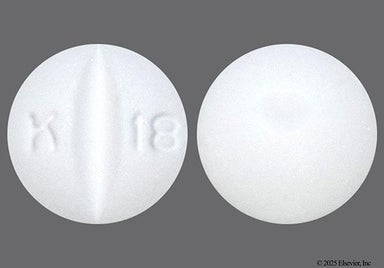
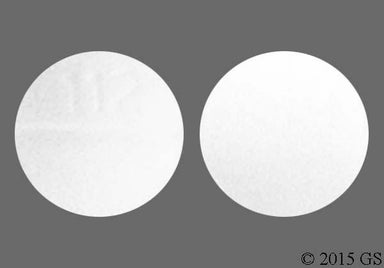
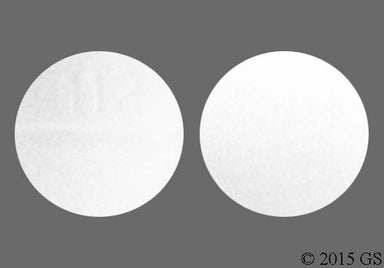
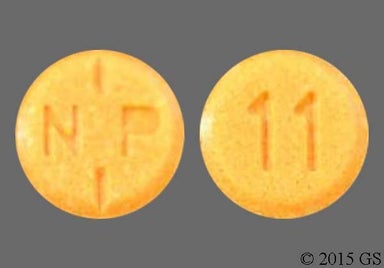
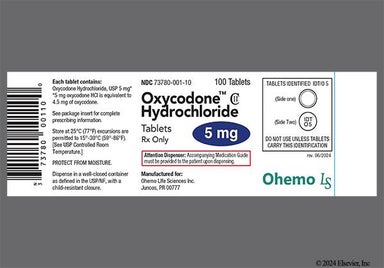
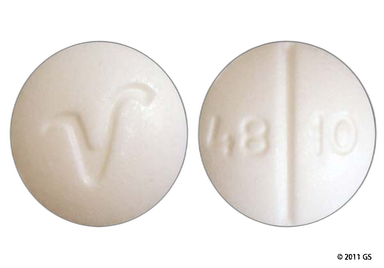
This medicine is White, Round, Scored Tablet Imprinted With "112".White Round 112 - Oxycodone Hydrochloride 5mg TabletThis medicine is White, Round, Scored Tablet Imprinted With "M", "5", "05 52".White Round 05 52 - Oxycodone Hydrochloride 5mg TabletThis medicine is White, Round, Scored Tablet Imprinted With "V", "48 10".White Round 48 10 - Oxycodone Hydrochloride 5mg TabletThis medicine is Orange, Round, Scored Tablet Imprinted With "Np", "11".Orange Round NP - Oxycodone Hydrochloride 5mg TabletThis medicine is White, Round, Scored Tablet Imprinted With "A 04".White Round A 04 - Oxycodone Hydrochloride 5mg TabletThis medicine is White, Round, Scored Tablet Imprinted With "K 18".White Round K 18 - Oxycodone Hydrochloride 5mg TabletThis medicine is White, Round, Scored Tablet Imprinted With "K 18".White Round K 18 - Oxycodone Hydrochloride 5mg TabletThis medicine is White, Round, Scored Tablet Imprinted With "T", "794".White Round 794 - Oxycodone Hydrochloride 5mg TabletThis medicine is White, Round, Scored Tablet Imprinted With "T", "794".White Round 794 - Oxycodone Hydrochloride 5mg TabletThis medicine is White, Round, Scored Tablet Imprinted With "5", "R P".White Round R P - Oxycodone Hydrochloride 5mg TabletThis medicine is White, Round, Scored Tablet Imprinted With "R P", "5".White Round R P - Oxycodone Hydrochloride 5mg TabletThis medicine is White, Round, Scored Tablet Imprinted With "V", "48 10".White Round 48 10 - Oxycodone Hydrochloride 5mg TabletThis medicine is White, Round, Scored Tablet Imprinted With "K 18".White Round K 18 - Oxycodone Hydrochloride 5mg TabletThis medicine is White, Round, Scored Tablet Imprinted With "Alg 263".White Round ALG 263 - Oxycodone Hydrochloride 5mg TabletThis medicine is White, Round, Scored Tablet Imprinted With "223".White Round 223 - Oxycodone Hydrochloride 5mg TabletThis medicine is Orange, Round, Notched Tablet Imprinted With "315", "Eth".Orange Round ETH - Oxycodone Hydrochloride 5mg TabletThis medicine is Orange, Round, Notched Tablet Imprinted With "Eth", "625".Orange Round ETH - Oxycodone Hydrochloride 5mg TabletThis medicine is White, Round, Scored Tablet Imprinted With "223".White Round 223 - Oxycodone Hydrochloride 5mg TabletThis medicine is Orange, Round, Scored Tablet Imprinted With "Np", "11".Orange Round NP - Oxycodone Hydrochloride 5mg TabletThis medicine is White, Round, Scored Tablet Imprinted With "V", "4810".White Round 4810 - Oxycodone Hydrochloride 5mg TabletThis medicine is White, Round, Scored Tablet Imprinted With "V", "4810".White Round 4810 - Oxycodone Hydrochloride 5mg TabletThis medicine is White, Round, Scored Tablet Imprinted With "Cor 224".White Round cor 224 - Oxycodone Hydrochloride 5mg TabletThis medicine is White, Round, Scored Tablet Imprinted With "A 04".White Round A 04 - Oxycodone Hydrochloride 5mg TabletThis medicine is White, Round, Scored Tablet Imprinted With "K 18".White Round K 18 - Oxycodone Hydrochloride 5mg TabletThis medicine is White, Round, Scored Tablet Imprinted With "112".White Round 112 - Oxycodone Hydrochloride 5mg TabletThis medicine is White, Round, Scored Tablet Imprinted With "112".White Round 112 - Oxycodone Hydrochloride 5mg TabletThis medicine is Orange, Round, Scored Tablet Imprinted With "Np", "11".Orange Round NP - Oxycodone Hydrochloride 5mg TabletThis medicine is White, Round Tablet Imprinted With "Idt O 5".White Round IDT O 5 - Oxycodone Hydrochloride 5mg Tablet
American College of Obstetricians and Gynecologists' Committee on Obstetric Practice. (2021).Opioid use and opioid use disorder in pregnancy. The American College of Obstetricians and Gynecologists.
GoodRx Health has strict sourcing policies and relies on primary sources such as medical organizations, governmental agencies, academic institutions, and peer-reviewed scientific journals. Learn more about how we ensure our content is accurate, thorough, and unbiased by reading our editorial guidelines.
Prescription savings
Stop paying too much for your prescriptions. Compare prices, get pharmacy coupons, and save up to 80%.
You should start to feel pain relief within 10 to 30 minutes after you take immediate-release Oxycodone. Because of how quickly Oxycodone works, it's a good choice for treating breakthrough pain that isn't relieved by non-opioid pain medications.
The pain-relieving effects of immediate-release Oxycodone typically last for about 3 to 6 hours. Talk to your prescriber if you're concerned with how long Oxycodone is lasting for you. They might change your dose or recommend another pain reliever to take with or in place of Oxycodone.
Yes, it's generally safe to take non-opioid pain medications, like ibuprofen (Advil) and acetaminophen (Tylenol), with Oxycodone. Clinical guidelines for pain recommend taking non-opioid pain medications with Oxycodone if you need more relief. This helps lessen the amount of Oxycodone you take and lessen the dangerous risks that come with opioids. But keep in mind that non-opioid pain medications can also have their own risks, such as heart, kidney, or liver problems, so they might not be the best choice for everyone. Before you take other pain relievers with Oxycodone, speak with your healthcare team to make sure it's safe for you to do so.
It's recommended to completely avoid drinking alcohol when you're taking Oxycodone. Mixing alcohol with opioids can not only worsen side effects like dizziness and drowsiness, but it can also raise the risk for life-threatening misuse and overdose. Before you start taking Oxycodone, work with your healthcare team to come up with a treatment plan to stop drinking if you regularly drink alcohol.
Oxycodone and hydrocodone are two different opioid medications that treat pain. They're both typically used when non-opioid pain medications aren't enough to relieve pain. A small study suggests that Oxycodone and hydrocodone work just as well as one another to treat pain. But in this same study, there were more reports of constipation in people who took hydrocodone than in those who took Oxycodone.
Oxycodone is the active ingredient and generic name for several brand-name products, including Roxicodone, Oxaydo, and OxyContin. Roxicodone and Oxaydo are immediate-release (IR) forms of Oxycodone, whereas OxyContin is an extended release (ER) form of Oxycodone. IR Oxycodone generally starts to work within 10 to 30 minutes and is taken every 4 to 6 hours as needed. On the other hand, OxyContin starts to work within 1 hour and is taken every 12 hours. Because of these differences, the IR forms of oxycodone are good choices for treating sudden breakthrough pain, whereas OxyContin is typically taken to manage long-term pain. Talk to a healthcare professional (HCP) if you have more questions.
No, Oxycodone and Percocet aren't the same, but they're very similar. The main difference between the two medications is that Percocet contains both Oxycodone and acetaminophen. Another difference is that Percocet is only available as an immediate-release medication, whereas Oxycodone comes as both immediate-release and extended-release forms.
Oxycodone is an opioid. It attaches to certain mu-opioid receptors in your brain to lower how much pain you feel.Learn more





 Oxycodone is a
 Misusing oxycodone can raise the risk for serious and possibly life-threatening side effects, such as dangerously slow breathing, not able to stay awake,