“The reason that we want people to connect to treatment so early for opioid use disorder, or really for all substance use disorders, is that there's a real risk of bad outcomes when you're misusing substances, especially opioids,” says Jonathan Avery, MD, director of Addiction Psychiatry at Weill Cornell Medicine and NewYork-Presbyterian Hospital.
When it comes to opioids — such as heroin, fentanyl, and morphine — the biggest risk of misuse is a fatal overdose. Prescription opioid pain relievers like oxycodone can be safe in low doses for treating severe pain (such as after a surgery), but in large amounts, they can have a devastating effect on the body.
“Even those that are experimenting are at risk for accidentally overdosing,” says Dr. Avery. “The sooner you're able to connect with a provider that can connect you with harm reduction strategies, as well as offer the medications and treatments for opioid use disorder, the better one is.”
Symptoms of an opioid overdose to look out for
Opioids affect a region of the brain that regulates breathing. If too much is taken at once, it can lead to a condition known as respiratory depression, which causes slow, shallow, and ineffective breathing that can be deadly.
The warning signs of an opioid overdose include:
Slower or erratic breathing
Slower heart rate
Blue skin in people with lighter skin tones; grayish skin in people with darker skin tones
Loss of consciousness
Vomiting
Limp body
The “death rattle,” which is a choking, snore-like noise
How to respond to an opioid overdose
Fatality from opioid overdose can happen quickly, but it’s not instant. There is an opportunity to intervene if you see someone overdosing, and you could potentially save a life.
“I think the challenge is that when one's overdosing, at times, there are often a lot of substances on board and it's hard to pinpoint things,” says Dr. Avery. Despite this, he recommends resisting the urge to play detective and figure out what caused the overdose. Instead, take action.
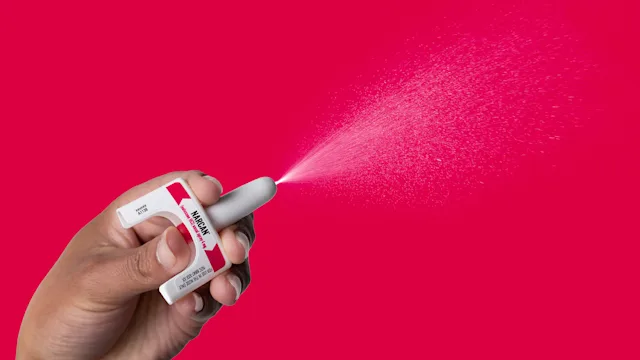
If you witness the warning signs of an opioid overdose, the most important thing is to immediately call 911, and if you have a naloxone rescue kit available, administer naloxone. “The bottom line is that the sooner you intervene, the better chance this person has to survive,” says Dr. Avery.
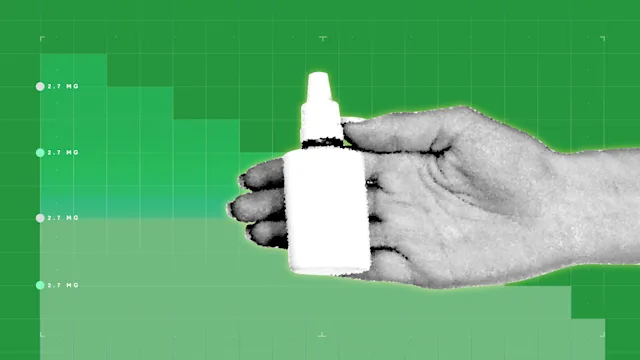
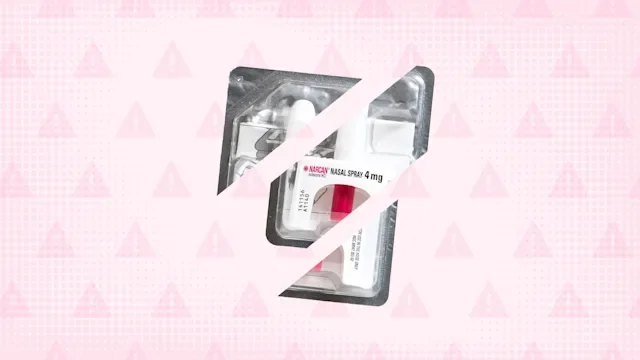
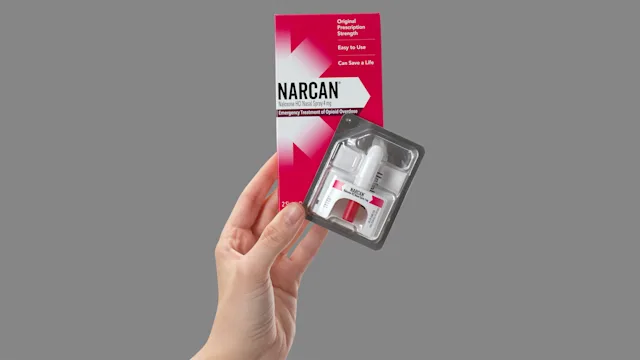
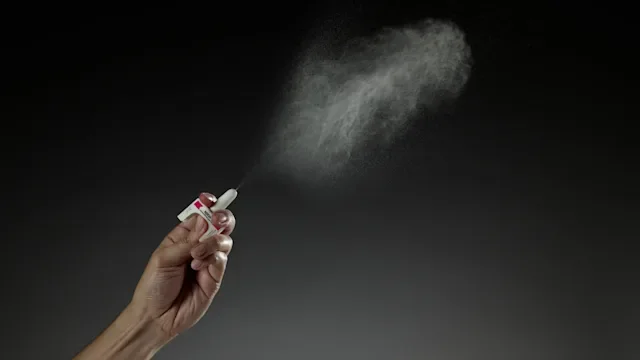
Naloxone is an opioid antagonist — meaning it helps to counteract the effects of opioids on the opioid system of the brain. It is usually in the form of an injectable, but it is also available as a nasal spray.
“Naloxone rescue kits are available in most states in the United States, often for free,” says Dr. Avery. “The surgeon general in fact has argued that everyone should carry a naloxone rescue kit in the setting of the opioid epidemic.” At the very least, if you or a loved one has opioid use disorder, having a naloxone rescue kit on hand can be life-saving.
In the future, there’s a chance you may be able to get naloxone rescue kits over the counter, but for now, you can get one via a prescription from your doctor or — in most states — from the pharmacy without a prescription. They can also be found at supervised injection sites, which are facilities that allow the injection of drugs under medical supervision.
Knowing how to respond to an overdose is vital, but getting treatment for an opioid use disorder is also important. The treatment options and medications for opioid use disorder are some of the most effective medications in health care, and a better life is possible.
Dr. Avery is the vice chair of Addiction Psychiatry at Weill Cornell Medicine and NewYork-Presbyterian Hospital.
References
Harm Reduction Coalition. (n.d.). Recognizing opioid overdose.
National Institute on Drug Abuse. (2018). Medications to treat opioid use disorder.
U.S. Department of Health and Human Services. (2022). How do medications treat opioid addiction?

Why trust our experts?