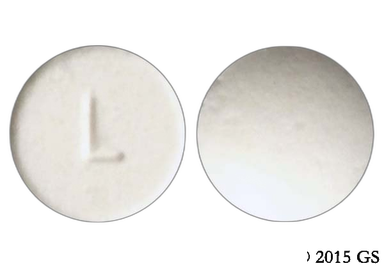
Oravig
Oravig (miconazole) treats fungal infections in the mouth and throat (oral thrush). This medication comes as a tablet that dissolves against your gum in your mouth, so it might be more difficult to use than other medications. The most common side effects of Oravig (miconazole) include upset stomach (e.g., diarrhea, nausea) and headache.


What is Oravig (miconazole)?
What is Oravig (miconazole) used for?
- Oral thrush of the mouth and throat
How Oravig (miconazole) works
Oravig (miconazole) is an antifungal medication. It prevents the fungus that's causing the infection from making its protective outer layer. As a result, the fungus becomes vulnerable to damage. Oravig (miconazole) also causes toxic substances to build up in the fungus, which help kill the fungus.
Drug facts
| Common Brands | Oravig |
|---|---|
| Drug Class | Antifungal |
| Controlled Substance Classification | Not a controlled medication |
| Generic Status | No lower-cost generic available |
| Availability | Prescription only |

Side effects of Oravig (miconazole)
The following side effects may get better over time as your body gets used to the medication. Let your healthcare provider know immediately if you continue to experience these symptoms or if they worsen over time.
Common Side Effects
- Mouth discomfort (e.g., pain, swelling; up to 12%)
- Diarrhea (9%)
- Headache (8%)
- Nausea (7%)
- Vomiting (4%)
Less Common Side Effects
- Dry mouth
- Loss of taste or altered taste
- Fatigue
- Stomach pain
- Cough
- Upper respiratory infection
- Anemia
The following Oravig (miconazole) side effects have also been reported
Along with its needed effects, a medicine may cause some unwanted effects. Although not all of these side effects may occur, if they do occur they may need medical attention.
Check with your doctor immediately if any of the following side effects occur:
Less common
Body aches or pain
difficulty with breathing
ear congestion
fever or chills
headache
loss of voice
lower back or side pain
painful or difficult urination
pale skin
troubled breathing with exertion
unusual bleeding or bruising
unusual tiredness or weakness
Rare
Black, tarry stools
pale skin
shortness of breath
ulcers, sores, or white spots in the mouth
Some side effects may occur that usually do not need medical attention. These side effects may go away during treatment as your body adjusts to the medicine. Also, your health care professional may be able to tell you about ways to prevent or reduce some of these side effects. Check with your health care professional if any of the following side effects continue or are bothersome or if you have any questions about them:
Other side effects not listed may also occur in some patients. If you notice any other effects, check with your healthcare professional.
Call your doctor for medical advice about side effects. You may report side effects to the FDA at 1-800-FDA-1088.

Pros and cons of Oravig (miconazole)
Pros
- First and only tablet for oral thrush that dissolves against the gum in the mouth
- Only need to take once daily
- No serious side effects
Cons
- Can be tricky to use compared to other medications
- Can take 6 or more hours to fully dissolve
- No lower-cost generic available

Pharmacist tips for Oravig (miconazole)

- Don't remove the Oravig (miconazole) tablet from the bottle until you're ready to take your medication. This helps keep the tablet stay dry to prevent it from dissolving until you place it in your mouth.
- Take Oravig (miconazole) in the morning after you've brushed your teeth. Review the instructions for use on where and how to place the tablet in your mouth. Don't crush, chew, or swallow the tablet.
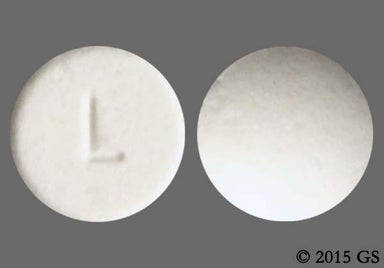
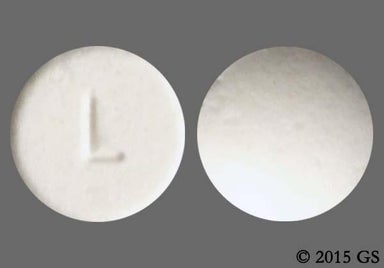
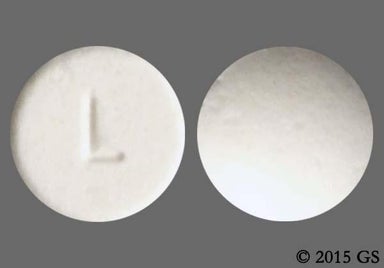
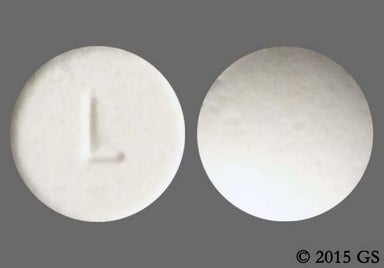
- Place the rounded side of the Oravig (miconazole) tablet to your upper gum above your front teeth. The flat side of the tablet should be against the inside of your upper lip. Once you have the Oravig (miconazole) tablet in place, press your finger over your upper lip lightly and hold it there for 30 seconds. This helps make sure the tablet sticks in place. Keep the Oravig (miconazole) tablet in place as it slowly dissolves. With each day of your treatment course, alternate between placing the tablet on the left and right sides of your upper gum.
- If the Oravig (miconazole) tablet sticks to your cheek or inside of your lip instead of your gum, this is okay. You don't need to reposition it in this case. But, if the tablet doesn't stick at all, try repositioning it.
- If you accidentally swallow the Oravig (miconazole) tablet within the first 6 hours of placing, drink a glass of water and place a new tablet in your mouth. If it happens again, skip that day's dose and try again the next day. Tell your provider if this happens because they might need to extend your antifungal treatment course.
- If the Oravig (miconazole) tablet doesn't stick or falls off within the first 6 hours of placing, try to place the same tablet back against your gum right away. If it doesn't stick at all after trying, you can use a new tablet.
- If the Oravig (miconazole) tablet falls off or if you swallow it after it was in place for at least 6 hours, wait until the next day to place a new tablet in your mouth when it's time for your next scheduled dose.
- You can eat and drink normally when the Oravig (miconazole) tablet is in place. Make sure to check that the tablet is still in its position after eating or drinking.

Risks and warnings for Oravig (miconazole)
Oravig (miconazole) can cause some serious health issues. This risk may be even higher for certain groups. If this worries you, talk to your doctor or pharmacist about other options.
Allergic reaction
In some rare cases, Oravig (miconazole) can cause an allergic reaction, including anaphylaxis. It's unclear if you'll have an allergic reaction to Oravig (miconazole) if you have an allergy to another miconazole product or another similar antifungal. To be safe, be sure to tell your provider about your full medical history and all of your allergies before starting Oravig (miconazole). If you develop a rash, trouble breathing, or swelling of your tongue at anytime during treatment, stop using Oravig (miconazole) and call your provider right away.

Oravig (miconazole) dosage
 Buccal tablet
| Dosage | Quantity | Price as low as | Price per unit |
|---|---|---|---|
| 50mg | 14 buccal tablets | $1,253.29 | $89.52 |

Interactions between Oravig (miconazole) and other drugs
Although certain medicines should not be used together at all, in other cases two different medicines may be used together even if an interaction might occur. In these cases, your doctor may want to change the dose, or other precautions may be necessary. When you are taking this medicine, it is especially important that your healthcare professional know if you are taking any of the medicines listed below. The following interactions have been selected on the basis of their potential significance and are not necessarily all-inclusive.
Using this medicine with any of the following medicines is not recommended. Your doctor may decide not to treat you with this medication or change some of the other medicines you take.
Using this medicine with any of the following medicines is usually not recommended, but may be required in some cases. If both medicines are prescribed together, your doctor may change the dose or how often you use one or both of the medicines.
- Amiodarone
- Carvedilol
- Cilostazol
- Domperidone
- Doxorubicin
- Doxorubicin Hydrochloride Liposome
- Escitalopram
- Fosphenytoin
- Ifosfamide
- Naloxegol
- Olaparib
- Phenytoin
- Piperaquine
- Simeprevir
- Warfarin
Using this medicine with any of the following medicines may cause an increased risk of certain side effects, but using both drugs may be the best treatment for you. If both medicines are prescribed together, your doctor may change the dose or how often you use one or both of the medicines.
- Anisindione
- Dicumarol
- Phenprocoumon
- Tolterodine
- Trimetrexate

How much does Oravig (miconazole) cost?
$1,253.29

Oravig (miconazole) contraindications
Contraindications are specific health conditions or situations in which a person should not take a medication due to safety concerns. If you have any of the following conditions or if any of the following apply to you, let your healthcare provider know because Oravig (miconazole) will not be safe for you to take.
- Allergy to milk protein

What are alternatives to Oravig (miconazole)?

Oravig (miconazole) images