




7 Humira (Adalimumab) Interactions to Consider
Humira (adalimumab) works by lowering the immune system’s response. People prescribed Humira should avoid some medications that may cause interactions.
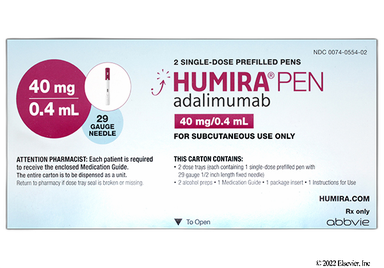
Humira (adalimumab) is an injection used to treat many different autoimmune conditions like rheumatoid arthritis, Crohn's disease, ulcerative colitis, and plaque psoriasis. As a TNF blocker, the medication works by blocking a protein that causes inflammation in your body. It's given as a shot under the skin once every 1 to 2 weeks, depending on your condition. Humira (adalimumab) doesn't have a true generic, but there are several similar versions called biosimilars. Common side effects include infections, injection site reactions, and headache.

Humira (adalimumab) is a tumor necrosis factor (TNF) blocker. It works by blocking TNF, a protein in your body that plays a role in inflammation. By blocking this protein, the medication helps lower swelling and prevent damage from certain autoimmune conditions.
| Common Brands | Humira |
|---|---|
| Drug Class | TNF blocker |
| Controlled Substance Classification | Not a controlled medication |
| Generic Status | No lower-cost generic available |
| Availability | Prescription only |

The following side effects may get better over time as your body gets used to the medication. Let your healthcare provider know immediately if you continue to experience these symptoms or if they worsen over time.
Note: The side effects listed above were reported by adults with rheumatoid arthritis and are similar to those seen in people using Humira (adalimumab) for other conditions.
Contact your healthcare provider immediately if you experience any of the following.
Along with its needed effects, a medicine may cause some unwanted effects. Although not all of these side effects may occur, if they do occur they may need medical attention.
Check with your doctor immediately if any of the following side effects occur:
More common
Body aches or pain
ear congestion
hoarseness
lightheadedness
loss of voice
lower back or side pain
muscle aches and pains
pain or tenderness around the eyes or cheekbones
rapid and sometimes shallow breathing
shivering
stomach fullness
sunken eyes
thirst
trouble sleeping
warmth on the skin
wrinkled skin
Less common
Abnormal vaginal bleeding or discharge
agitation
arm, back, or jaw pain
black, tarry stools
bleeding from the gums or nose
blindness
bloating or swelling of the face, arms, hands, lower legs, or feet
blood in the stool or change in bowel habits
bloody or cloudy urine
blurred vision
broken bones
change in size, shape, or color of an existing mole
change in skin color
chest pain, tightness, or heaviness
chills
clear or bloody discharge from the nipple
cold hands and feet
confusion
coughing or spitting up blood
decreased urination
decreased vision
difficulty with breathing
difficulty, burning, or painful urination
dimpling of the breast skin
dizziness
drowsiness
fainting
fast, slow, or irregular heartbeat
forgetfulness
frequent urge to urinate
general feeling of illness
headache
increased thirst
inverted nipple
irregular breathing
irregular pulse
irritability
light colored stools
loss of appetite
lump in the breast or under your arm
lump or swelling in the stomach
mole that leaks fluid or bleeds
muscle cramps or spasms
new mole
night sweats
no blood pressure or pulse
noisy breathing
numbness or tingling in your arms, legs, or face
pain, redness, or swelling in the arms or legs without any injury present
pale skin
persistent non-healing sore on your skin
pink growth
puffiness or swelling of the eyelids or around the eyes, face, lips, or tongue
raised, firm, or bright red patch
redness or swelling of the breast
seeing or hearing things that are not there
seizures
sharp back pain just below your ribs
shiny bump on your skin
slurred speech or problems with swallowing
sore on the skin of the breast that does not heal
sores, ulcers, or white spots on the lips or mouth
spitting up blood
stiff neck
stomach pain
stopping of the heart
sudden high fever or low grade fever for months
sweating
swelling of the face, fingers, feet, or lower legs
swollen glands
swollen neck veins
tiredness
trouble breathing
trouble thinking
unconsciousness
unexplained bruising or bleeding
unpleasant breath odor
unusual tiredness or weakness
unusual weight gain or loss
visual disturbances
vomiting
vomiting of blood or material that looks like coffee grounds
yellow skin or eyes
Incidence not known
Blistering, peeling, or loosening of the skin
inability to move the arms and legs
joint or muscle pain
pinpoint red spots on the skin
red skin lesions, often with a purple center
red, irritated eyes
red, scaling, or crusted skin
sudden numbness and weakness in the arms and legs
unusual bleeding or bruising
Some side effects may occur that usually do not need medical attention. These side effects may go away during treatment as your body adjusts to the medicine. Also, your health care professional may be able to tell you about ways to prevent or reduce some of these side effects. Check with your health care professional if any of the following side effects continue or are bothersome or if you have any questions about them:
More common
Bladder pain
bleeding, blistering, burning, coldness, discoloration of skin, feeling of pressure, hives, infection, inflammation, itching, lumps, numbness, pain, rash, redness, scarring, soreness, stinging, swelling, tenderness, tingling, ulceration, or warmth at the injection site
pounding in the ears
Less common
Abnormal healing
decrease in height
difficulty with moving
difficulty with walking
indigestion
loss of hearing
loss of strength or energy
menstrual changes
muscle or joint stiffness, tightness, or rigidity
muscle pain or weakness
pain in the back, ribs, arms, or legs
shakiness in the legs, arms, hands, and feet
swelling or redness in the joints
Other side effects not listed may also occur in some patients. If you notice any other effects, check with your healthcare professional.
Call your doctor for medical advice about side effects. You may report side effects to the FDA at 1-800-FDA-1088.



How to inject Humira (adalimumab):

Humira (adalimumab) can cause some serious health issues. This risk may be even higher for certain groups. If this worries you, talk to your doctor or pharmacist about other options.
 Humira (adalimumab) can raise your risk of serious or life-threatening infections. This is more common in older adults, people with other health problems, and those taking medications that weaken the immune system — like methotrexate, Orencia (abatacept), Kineret (anakinra), or corticosteroids.
Let your prescriber know about your past medical history before starting Humira (adalimumab), especially if you've ever had tuberculosis or hepatitis B. They’ll check your risk for infections before beginning treatment.
While you’re taking Humira (adalimumab), it’s important to watch for any signs of infection, such as fever, chills, cough, shortness of breath, or feeling very tired. If you develop any of these, contact your prescriber right away. They might pause your treatment and start medication to help treat the infection.
In clinical trials, more people developed cancer while taking Humira (adalimumab) compared to those who didn’t take it. The most common types reported were lymphoma, leukemia, and skin cancers. Your prescriber will review your risk before you start treatment and continue to monitor you while you're taking the medication. Talk to your healthcare team if you have any questions or concerns.
Serious allergic reactions like anaphylaxis and swelling of the face or throat have been reported in people taking Humira (adalimumab). If you notice a rash, itching, trouble breathing, or swelling in your face or throat, stop taking the medication and get medical help right away.
Although rare, Humira (adalimumab) has been linked to nervous system problems, including conditions like multiple sclerosis (MS) and Guillain-Barré syndrome. These problems affect the brain, spinal cord, or nerves and might cause symptoms like vision changes, weakness, or numbness. If you already have a nervous system problem, or recently developed one, your prescriber will be cautious when deciding if Humira (adalimumab) is right for you. If new symptoms develop, you might need to stop taking the medication.
It's rare, but some people have had low blood cell counts while taking Humira (adalimumab). This can make it harder for your body to fight infections and raise your risk of bleeding. Call your prescriber if you get a fever that doesn’t go away, bruise or bleed easily, or notice that your skin looks pale.
People taking Humira (adalimumab) have had new or worsening cases of heart failure. If you already have heart failure, talk to your prescriber — they’ll weigh the risks and benefits before starting treatment. Let your care team know right away if you experience symptoms like swelling in your legs, shortness of breath, or sudden weight gain.
In rare cases, treatment with Humira (adalimumab) can lead to a condition called lupus-like syndrome. Tell your prescriber right away if you have chest pain that doesn’t go away, shortness of breath, joint pain, or a rash on your cheeks or arms that gets worse in sunlight. If you have lupus-like syndrome, you might have to stop taking the medication.
It's typically okay to get some vaccines while you're taking Humira (adalimumab), but you should avoid live vaccines. These might not be safe or work as well while you're receiving treatment with this medication. Children should be up to date on all their vaccines before starting Humira (adalimumab). Talk to your prescriber or pharmacist to make sure it’s safe to get any vaccines while you're taking this medication.

 Carton
| Dosage | Quantity | Price as low as | Price per unit |
|---|---|---|---|
| 2 syringes of 40mg/0.8ml | 1 carton | $6,735.68 | $6,735.68 |
| 2 pens of 40mg/0.8ml | 1 carton | $6,738.47 | $6,738.47 |
| Crohn's starter pack of 40mg/0.8ml | 1 carton | $20,187.29 | $20,187.29 |
| Psoriasis starter pack of 40mg/0.8ml | 1 carton | $13,460.19 | $13,460.19 |
| Pediatric Crohn's starter pack of 40mg/0.8ml | 1 carton | $16,010.36 | $16,010.36 |
| Pediatric Crohn's starter pack of 80mg/0.8ml | 1 carton | $19,943.48 | $19,943.48 |
| Crohn's starter pack of 80mg/0.8ml | 1 carton | $20,199.34 | $20,199.34 |
| Psoriasis starter pack of 80mg/0.8ml and 40mg/0.4ml | 1 carton | $13,297.71 | $13,297.71 |
| Pediatric Crohn's starter pack of 80mg/0.8ml and 40mg/0.4ml | 1 carton | $9,974.86 | $9,974.86 |
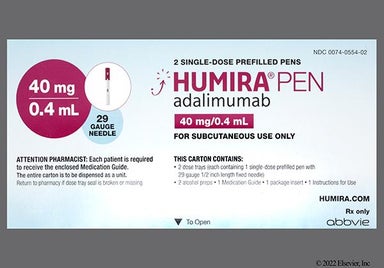
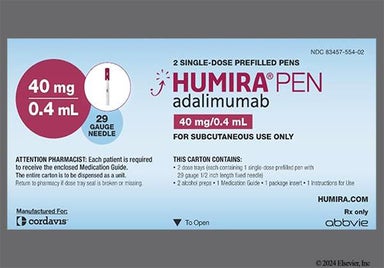
| 2 pens of 40mg/0.4ml | 1 carton | $6,380.16 | $6,380.16 |
| 2 syringes of 40mg/0.4ml | 1 carton | $6,733.77 | $6,733.77 |
| 2 syringes of 10mg/0.1ml | 1 carton | $6,651.96 | $6,651.96 |
| 2 syringes of 20mg/0.2ml | 1 carton | $6,743.48 | $6,743.48 |
| Pediatric Ulcerative Colitis starter pack of 80mg/0.8ml | 1 carton | $26,928.51 | $26,928.51 |
| 2 pens of 80mg/0.8ml | 1 carton | $13,466.32 | $13,466.32 |
Adults
Children

Although certain medicines should not be used together at all, in other cases two different medicines may be used together even if an interaction might occur. In these cases, your doctor may want to change the dose, or other precautions may be necessary. When you are taking this medicine, it is especially important that your healthcare professional know if you are taking any of the medicines listed below. The following interactions have been selected on the basis of their potential significance and are not necessarily all-inclusive.
Using this medicine with any of the following medicines is usually not recommended, but may be required in some cases. If both medicines are prescribed together, your doctor may change the dose or how often you use one or both of the medicines.










Prescription savings
Stop paying too much for your prescriptions. Compare prices, get pharmacy coupons, and save up to 80%. Find expert answers to your health questions so you can make the best decisions for yourself and your family.
Health conditions
Medications & treatment
Access & affordability
Medication discounts

Humira can start working to relieve your symptoms as fast as 2 weeks. But for some people it can take anywhere from up to 3 months or even longer. It depends on the condition that you're using the medication for. And remember that everyone responds to and tolerates medications differently. Keep your provider in the loop on whether you feel symptom relief from Humira.
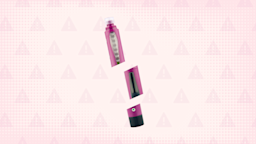
Humira is given as a shot into the fatty part under your skin. You can inject Humira on the front of your thighs or your stomach. If you're injecting into your stomach, make sure it's at least 2 inches away from your belly button. Rotate your injection site each time to allow your skin to heal. And don't inject the medication into skin that's sore, discolored, or bruised.
Yes, you can get your annual flu shot while you're taking Humira. But, you should avoid live vaccines because it isn't known if they're safe or work well while you're taking this medication. The live flu vaccine (LAIV) is usually given as a nasal spray, not as an injection. Before receiving any vaccine, ask your provider or pharmacist first if it's a live vaccine, and let them know you're taking Humira.
Yes. Humira attaches to a protein called TNF, which is involved in your body's natural immune response. Blocking this protein can help lower inflammation, but it can also lower the ability of your immune system to fight infections. Some infections like tuberculosis or fungal infections can be serious and even lead to death. Watch out for symptoms of an infections (e.g., fever, chills, coughing, fatigue) contact your provider right away.
Biosimilars are medications that are highly similar to each other, with studies showing similarities in safety and how well they work. Amjevita, Abrilada, Hadlima, Hulio, Hyrimoz, Yusimry, and Cyltezo are biosimilars to Humira. Cyltezo is currently the one that's considered interchangeable with Humira. But it's important to note that they're not all approved by the FDA for the same conditions. While all of them have been approved by the FDA, most won't be available until 2023.
