Key takeaways:
Humira (adalimumab) is a prescription biologic medication that treats a range of autoimmune conditions. There are nearly a dozen biosimilars available, which can often cost less.
Without insurance, 2 Humira auto-injector pens (40 mg / 0.4 mL) cost an average of $8755.11. With GoodRx, you may be able to pay a cash price as low as $6752.50 for 2 Humira pens at the same dose.
If you qualify, you may be able to save money on Humira by applying for a manufacturer’s copay savings card, taking advantage of AbbVie’s patient assistance program, or filling a larger quantity of the medication. You might also save money by using a tax-advantaged health account or a GoodRx coupon.
Save on related medications
If you have an autoimmune condition, your immune system becomes dysfunctional and causes inflammation. This can manifest into many symptoms that can cause pain, fatigue, and frustration. Humira (adalimumab), a specialty biologic medication, works by blocking the protein tumor necrosis factor (TNF), which causes or contributes to inflammation.
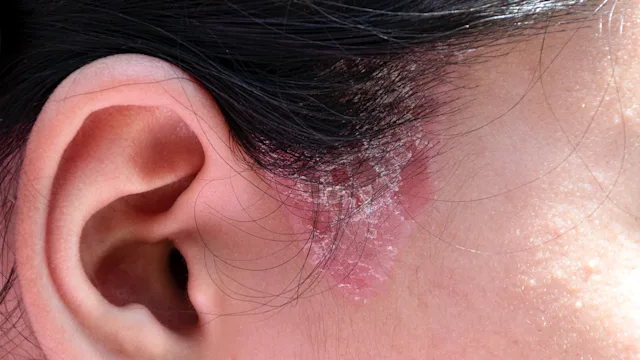
Prescribed for adults and children as young as 2 years old in some cases, Humira can be used for many autoimmune conditions, including:
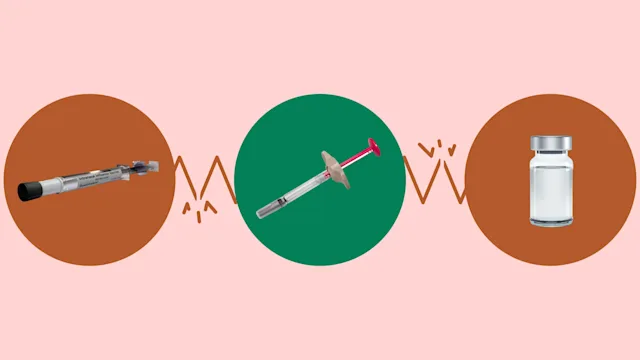
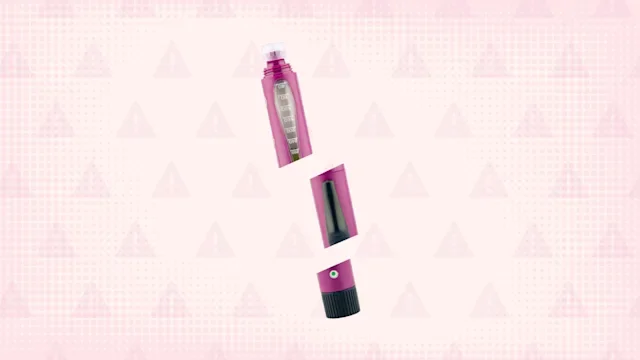
Humira is administered via an under-the-skin injection (subcutaneous) with a prefilled syringe or an auto-injector (pen). A healthcare professional can show you how to administer the medication the first time, so you can do it yourself at home.
Biologic medications don’t have generics, but comparable medications are called biosimilars. There are 10 Humira biosimilars available at the time of publication. Some are known as interchangeable biosimilars, which can be automatically substituted for Humira, which is known as the reference biologic.
How much does Humira cost?
If you don’t have insurance, Humira can be costly. As of January 2025, the list price was $6,923 for a 4-week supply of a 40 mg dose administered every other week. But that’s probably not the amount you’ll pay.
Some average retail prices for common dosages of Humira are shown in the chart below.
Humira costs
Which factors affect the cost of Humira?
Without insurance, what you pay for Humira depends on several factors, including your:
Pharmacy, since Humira is often dispensed through specialty pharmacies
Fill quantity, since medications can be more affordable over time when purchased in larger quantities
Dosage, since you may pay more for certain higher-dosage formulations depending on your condition and what’s prescribed
Does insurance cover Humira?
Most health insurance plans cover Humira. If you have insurance, review your plan’s summary of benefits and coverage and formulary (list of covered medications) to determine whether Humira is covered. If not, contact your plan and ask about your coverage options. You can also discuss biosimilars and other alternatives with your prescriber or pharmacist.
For you to get coverage for Humira, most health insurance plans require prior authorization, which means your prescriber must provide documentation that Humira is medically necessary. And step therapy (when you need to try other medications first) is common for people covered by Medicaid, Medicare, and Affordable Care Act (ACA) plans. About half of commercial plans not purchased through ACA marketplaces require prior authorization and step therapy.
How different insurance plans cover Humira
The following charts show the likelihood of having coverage for different dosages and formulations of Humira with various types of insurance plans. They also show the likelihood of needing to obtain a prior authorization or complete step therapy.
Insurance type | Enrollees covered for 2 prefilled Humira syringes (40 mg / 0.4 mL) | Enrollees required to get prior authorization | Enrollees required to do step therapy |
|---|---|---|---|
92.9% | 90.9% | 83.2% | |
Commercial plans (excluding ACA plans) | 64.8% | 56.7% | 55.1% |
Medicare (Medicare Advantage and Part D plans) | 76.7% | 73.2% | 73% |
Medicaid, including state-run and managed care plans | 99.9% | 66.7% | 61% |
Insurance type | Enrollees covered for 2 prefilled Humira syringes (40 mg / 0.8 mL) | Enrollees required to get prior authorization | Enrollees required to do step therapy |
|---|---|---|---|
ACA plans | 92.5% | 90.1% | 83.1% |
Commercial plans (excluding ACA plans) | 64.9% | 56.6% | 55.6% |
Medicare (Medicare Advantage and Part D plans) | 76.6% | 73.2% | 71.2% |
Medicaid, including state-run and managed care plans | 99.9% | 66.5% | 60.9% |
Insurance type | Enrollees covered for 2 Humira auto-injectors (40 mg / 0.4 mL) | Enrollees required to get prior authorization | Enrollees required to do step therapy |
|---|---|---|---|
ACA plans | 92.5% | 89.8% | 83.1% |
Commercial plans (excluding ACA plans) | 64.8% | 57.1% | 55.4% |
Medicare (Medicare Advantage and Part D plans) | 76.7% | 73.2% | 73% |
Medicaid, including state-run and managed care plans | 99.9% | 66.8% | 61.1% |
Insurance type | Enrollees covered for 2 Humira auto-injectors (40 mg / 0.8 mL) | Enrollees required to get prior authorization | Enrollees required to do step therapy |
|---|---|---|---|
ACA plans | 92.9% | 90.2% | 83.5% |
Commercial plans (excluding ACA plans) | 64.9% | 58.1% | 57% |
Medicare (Medicare Advantage and Part D plans) | 76.7% | 73.3% | 73.1% |
Medicaid, including state-run and managed care plans | 99.9% | 66.9% | 61.2% |
Insurance type | Enrollees covered for 2 Humira auto-injectors (80 mg / 0.8 mL) | Enrollees required to get prior authorization | Enrollees required to do step therapy |
|---|---|---|---|
ACA plans | 92.9% | 87.3% | 80% |
Commercial plans (excluding ACA plans) | 64.9% | 57.1% | 55.5% |
Medicare (Medicare Advantage and Part D plans) | 76.6% | 73.2% | 73% |
Medicaid, including state-run and managed care plans | 99.9% | 66.9% | 61.1% |
Source: Managed Markets Insight & Technology, LLC™, as of August 8, 2025 (See methodology below.)
Tips if your medication isn’t covered by insurance
If your insurance doesn’t cover Humira, you still have options:
Use a GoodRx coupon to save on your prescription.
Ask your prescriber about less costly options that meet your needs, which may include a Humira biosimilar. Saving could also mean switching to another biologic that costs less or a medication that has a generic or biosimilar option available.
Request a formulary exception from your insurance company. If your request is denied, you have the right to file an appeal with your plan.
When it’s time for open enrollment, compare health insurance plans to find one that provides coverage for this medication.
Ways to save on Humira
Whether or not you have insurance, there are ways to reduce the cost of Humira. Here are six options.
1. Use a GoodRx coupon
You may be able to use a free GoodRx coupon to lower the price of your Humira prescription. For example, without insurance, you may be able to pay a cash price as low as $6752.50 for 2 Humira pens (40 mg / 0.4 mL) with a GoodRx coupon at certain pharmacies. Visit www.goodrx.com, or download the GoodRx app on your mobile device and use a coupon. Here’s how:
On the app or website, type “Humira” in the search field.
Choose the desired quantity. Input your ZIP code or address, or select “Use my current location,” so you see results for local pharmacies.
Choose how to receive your coupon. You may want it emailed or texted to you, or you may want to print it out.
Alert the specialty pharmacy staff early in the filling process to help avoid delays in receiving your medication.
It’s worth checking the GoodRx website or app to see if there are other available savings on Humira at your specialty pharmacy.
2. See if you qualify for a copay savings card
If you have commercial (private) insurance, you may qualify for a Humira Complete Savings Card offered by AbbVie, the medication’s manufacturer. This copay discount could cover as much as 100% of your costs for the Humira, up to $14,000 per year. If you receive financial help for your healthcare through any government-sponsored program, you will not be eligible for a savings card.
If you have a savings card, but it’s not accepted by your pharmacy, you may be eligible for the Humira Complete Prescription Rebate. This program allows you to be reimbursed by submitting your receipts online or via the Humira Complete App.
3. Check if you’re eligible for a patient assistance program
If you don’t have insurance or can’t afford the medication even with insurance, you may be able to get free medication through AbbVie’s patient assistance program, called myAbbVie Assist. To qualify you must live in the U.S. with or without insurance and meet income requirements. If you have commercial insurance and your medication is still unaffordable — or another insurance but coverage is limited — you may also be eligible. You also must be treated by a licensed U.S.-based healthcare professional. If you qualify, you may have all your expenses covered, including copays and shipping costs.
You may also be able to get help through other patient assistance programs. For instance, if you are covered by government insurance (Medicare, Medicaid, or Tricare) and meet income requirements, the Patient Access Network (PAN) Foundation offers grants to pay treatment costs for people who have a demonstrated need for financial support. The PAN Foundation has funds that will help cover Humira copays and other costs for people with certain diagnoses:
Inflammatory bowel disease fund, which includes people diagnosed with Crohn’s disease and ulcerative colitis
At publication time, none of these funds were accepting new enrollees, but you can join the wait lists.
4. Potentially lower-cost biosimilars
Biosimilars are medications that are considered comparable to Humira and are typically available at a lower cost. You may be able to find a biosimilar that is effective for your condition and spend less.
For instance, GoodRx has an exclusive price for adalimumab-adbm, a Humira biosimilar, if you’re not using health insurance (you’re uninsured or the medication isn’t covered by your plan). You could pay as little as $550 for your prescription with a GoodRx discount. Another option is using GoodRx to purchase two Amjevita pens at an exclusive cash price of $299.
5. Ask about 90-day supplies
You may be able to save money over time by filling larger quantities, such as a 12-week supply of Humira rather than a 4-week supply. This is because you may be prescribed this medication at a cadence of an injection every 2 weeks or a different time frame — and different dosages — depending on your diagnosis and how long you’ve been receiving the medication.
6. Tap into your HSA, FSA, or HRA
Consider using a flexible spending account (FSA), a health savings account (HSA), or a health reimbursement arrangement (HRA) to pay for your medication. You can enjoy multiple tax benefits when funds from an FSA, an HSA, or an HRA are used to pay for qualified healthcare expenses. This can reduce your out-of-pocket costs through tax savings. But be sure to review your account’s contribution limits, rollover limits, and eligible expenses.
The bottom line
Humira (adalimumab) is a prescription biologic medication that treats many autoimmune conditions, including psoriatic arthritis and Crohn’s disease. Without insurance, 2 Humira auto-injector pens (40 mg / 0.4 mL) cost an average of $8755.11. With GoodRx, you may be able to pay a cash price as low as $6752.50 for 2 Humira pens at the same dose. There are at least 10 Humira biosimilars available, which can cost less.
Ways to save on Humira include using the manufacturer’s copay savings program, taking advantage of AbbVie’s patient assistance program, and getting a larger quantity of the medication filled. You might also save money by using a tax-advantaged health account to pay for Humira or by using a GoodRx coupon.

Why trust our experts?




Methodology
We obtained national prescription coverage data for each medication from Managed Markets Insight & Technology (MMIT). The data reflects health insurance coverage as of August 8, 2025.
We calculated the percentage of enrollees in plans that cover each medication by dividing the number of enrollees covered for the medication within a specific insurance channel (e.g., ACA, Medicare, Medicaid) by the total number of enrollees in all plans within that channel.
We determined the percentage of enrollees in plans with a prior authorization requirement by calculating the proportion of enrollees in plans that required prior authorization for the medication within each channel.
Finally, we measured the percentage of enrollees in plans with a step therapy requirement by calculating the proportion of enrollees in plans that imposed step therapy requirements for the medication in each channel.
These estimates, derived from national MMIT coverage data, provide insight into health insurance coverage for each medication. They take into account restrictions such as prior authorization, step therapy, and quantity limits. The percentages are expressed relative to the total number of enrollees covered by various insurance channels, including ACA plans, commercial (excluding ACA) plans, Medicare, and Medicaid (both state-run and managed care plans).
References
AbbVie. (n.d.). myAbbVie Assist.
AbbVie. (n.d.). Patient access & support.
AbbVie. (2025). Humira- adalimumab kit, Humira- adalimumab injection, solution [package insert]. DailyMed.
Humira. (n.d.). Cost & savings.
Humira. (n.d.). Ways to save.
Medicaid.gov. (n.d.). Managed care. Centers for Medicare & Medicaid Services.
PAN Foundation. (n.d.). Inflammatory bowel disease (IBD).
PAN Foundation. (n.d.). Rheumatoid arthritis (RA).
PAN Foundation. (n.d.). Uveitis.
PAN Foundation. (n.d.). We’re here to help.
Tricare. (2025). About us.