





How Much Is Methylprednisolone Without Insurance?
Learn about how much methylprednisolone costs without insurance and ways to save with GoodRx.
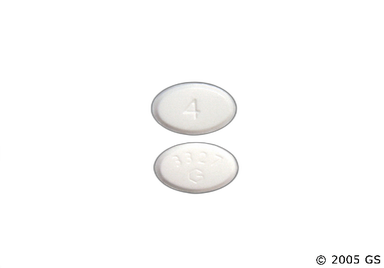
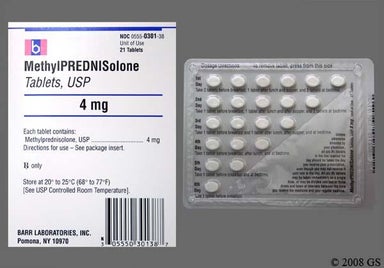
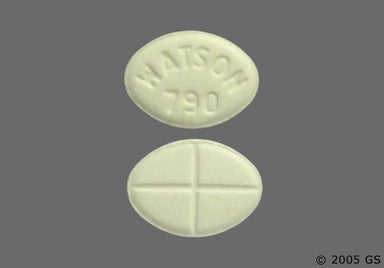
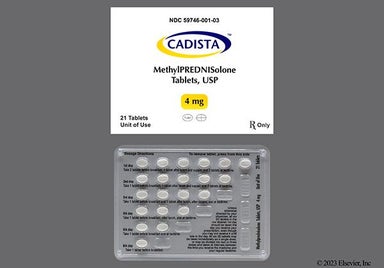
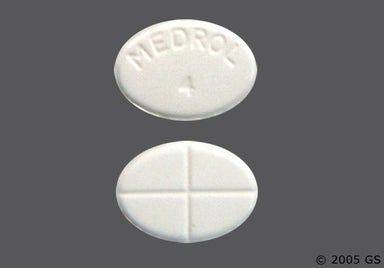
Methylprednisolone (Medrol) is a steroid medication used to treat different medical conditions with an overactive immune system. It's typically available by prescription as tablets. And it sometimes comes in a dose pack, which helps you organize the tablets into specific days and times. If you use methylprednisolone (Medrol) for a long time, it might cause certain side effects, such as weight gain, skin thinning, and high blood sugar.

Methylprednisolone (Medrol) is used for many different medical conditions, including:
Methylprednisolone (Medrol) is a corticosteroid. It's a lab-made medication that's similar to cortisol, a natural stress hormone your body makes. Methylprednisolone (Medrol) works by calming down your body's immune response, which can help get rid of certain medical problems that are caused by a sensitive immune system. In addition, methylprednisolone (Medrol) lowers the amount of inflammatory chemicals that cause pain, redness, itching, and swelling.
| Common Brands | Depo-Medrol, Medrol, Solu-Medrol |
|---|---|
| Drug Class | Corticosteroid |
| Controlled Substance Classification | Not a controlled medication |
| Generic Status | Lower-cost generic available |
| Availability | Prescription only |

The following side effects may get better over time as your body gets used to the medication. Let your healthcare provider know immediately if you continue to experience these symptoms or if they worsen over time.
Contact your healthcare provider immediately if you experience any of the following.
Along with its needed effects, a medicine may cause some unwanted effects. Although not all of these side effects may occur, if they do occur they may need medical attention.
Check with your doctor immediately if any of the following side effects occur:
Incidence not known
Black, tarry stools
blindness
bloody vomit
blurred vision
bone pain
change in vision
chills
confusion
dark urine
darkening of the skin
decrease in height
decrease in the amount of urine
decreased range of motion
decreased vision
difficulty in swallowing
dilated neck veins
dizziness or lightheadedness
extreme tiredness or weakness
eye tearing
eyeballs bulge out of the eye sockets
fainting
feeling of constant movement of self or surroundings
flushed, dry skin
fruit-like breath odor
full or bloated feeling
headache
impaired wound healing
increased hunger
increased thirst
increased urination
indigestion
irregular breathing
irregular heartbeat
joint pain
limp
loss of appetite
loss of consciousness
lower back or side pain
mental depression
mood changes
muscle pain, cramps, or weakness
nervousness
noisy, rattling breathing
numbness or tingling in the hands, feet, or lips
pain in the back, ribs, arms, or legs
pain or burning in the throat
pain or swelling in the arms or legs without any injury
painful or difficult urination
painful, swollen joints
pains in the stomach, side, or abdomen, possibly radiating to the back
pounding in the ears
pressure in the stomach
puffiness or swelling of the eyelids or around the eyes, face, lips, or tongue
seizures
sensation of spinning
severe or continuing stomach pain
slow growth in children
slow or fast heartbeat
sores, ulcers, or white spots on the lips or tongue or inside the mouth
swelling of the face, fingers, feet, abdominal or stomach area, or lower legs
tearing
tightness in the chest
troubled breathing
troubled breathing at rest
unexplained weight loss
unusual tiredness or weakness
vomiting
vomiting of material that looks like coffee grounds
yellow eyes or skin
Some side effects may occur that usually do not need medical attention. These side effects may go away during treatment as your body adjusts to the medicine. Also, your health care professional may be able to tell you about ways to prevent or reduce some of these side effects. Check with your health care professional if any of the following side effects continue or are bothersome or if you have any questions about them:
Incidence not known
Abnormal fat deposits on the face, neck, and trunk
bruising
dry scalp
increased sweating
large, flat, blue or purplish patches in the skin
lightening of normal skin color
menstrual changes
reddish purple lines on the arms, face, legs, trunk, or groin
redness of the face
small, red or purple spots on the skin
swelling of the stomach area
thin, fragile skin
thinning of the scalp hair
Other side effects not listed may also occur in some patients. If you notice any other effects, check with your healthcare professional.
Call your doctor for medical advice about side effects. You may report side effects to the FDA at 1-800-FDA-1088.




Methylprednisolone (Medrol) can cause some serious health issues. This risk may be even higher for certain groups. If this worries you, talk to your doctor or pharmacist about other options.
Using methylprednisolone (Medrol) long term can raise your risk of getting an infection or hide signs of an infection. These infections include serious fungal, viral (e.g., chicken pox, measles), or bacterial (e.g, tuberculosis or TB) infections. Avoid close contact with anyone who had a history of these serious infections during treatment with methylprednisolone (Medrol). If you have had TB or parasitic (worm) infections in the past, let your provider know so they can closely monitor you for symptoms and make sure these infections don't come back. In addition, talk to your provider first before getting any vaccination. Live vaccines might not be safe for you since they can sometimes raise your risk of an infection during treatment with high doses of methylprednisolone (Medrol).
Methylprednisolone (Medrol) can cause changes in your mood or behavior. Tell your provider right away if you feel depressed, have mood swings, trouble sleeping, anxiety, or hallucinations (hearing or seeing things that aren't there) while taking this medication.
In some rare cases, using methylprednisolone (Medrol) for a long time can cause a medical condition called adrenal suppression. This is when your adrenal glands stop making your own natural hormones as your body gets used to methylprednisolone (Medrol). If you suddenly stop the medication, it can be dangerous to your body. In adults, symptoms of withdrawal include fever, joint or muscle pain, and low energy. In children, symptoms often include stunted growth, weight gain, and headaches. To prevent adrenal suppression from happening, your provider will prescribe the lowest possible dose of methylprednisolone (Medrol) that works well for you for the shortest amount of time. If you need to use methylprednisolone (Medrol) for a long period of time, your provider may ask you to do some lab work to test how well your adrenal gland works. Let your provider know if you have symptoms of withdrawal. Don't suddenly stop using methylprednisolone (Medrol) without talking to your provider first.
Methylprednisolone (Medrol) can cause changes in your fluids and electrolytes (e.g., sodium, potassium, and calcium). This can result in high blood pressure, swelling, and kidney problems. In addition, some studies suggest that methylprednisolone (Medrol) can damage the heart if used after a recent heart attack. If you have a history of heart failure, heart attack, high blood pressure, or kidney problems, let your provider know before using this medication.
Taking methylprednisolone (Medrol) raises the risk of stomach damage, leading to certain problems, like stomach irritation, and more seriously, ulcers and bleeding. Your risk is higher if you have a history of stomach problems or if you're taking other medications that can damage your stomach, such as nonsteroidal anti-inflammatory drugs (NSAIDs). You should avoid drinking alcohol while taking this medication because it can worsen stomach irritation. Get medical attention right away if you have stomach pain that doesn't go away or you get bloody or dark stools. These can be signs of a serious stomach problem.
Long-term use of methylprednisolone (Medrol) can lower calcium absorption and weaken your bone. Over time, this will cause or worsen osteoporosis in adults or slow down growth in children. If you've had bone fractures before or have osteoporosis (weak bones), talk to your provider about your risk before using this medication.
Using methylprednisolone (Medrol) for a long period of time can lead to greater risk of cataracts, glaucoma, and certain eye infections. Tell your provider if you currently have an eye infection or have had a viral eye infection (herpes keratitis) in the past. If you experience blurry vision, eye pain, or any vision changes during treatment with this medication, let your provider know right away. You might need to get regular eye exams during long-term treatment with methylprednisolone (Medrol).
Using methylprednisolone (Medrol) for a long period of time can sometimes raise your blood sugar levels. If blood sugar is not controlled, this can lead to diabetes. Let your provider know if you have symptoms like confusion, feeling sleepy, unusual thirst or hunger, passing urine more often, flushing, fast breathing, or breath that smells like fruit. If you have diabetes, your provider may ask you to check your blood sugar regularly to make sure this medication is safe for you.


GoodRx has partnered with to provide reviews on the different aspects of Methylprednisolone (Medrol).
Learn more about the effectiveness of Methylprednisolone (Medrol) based on real life experiences.
Based on 143 people taking this medication
3.3
3.0
3.4
2.8
4.3
3.1
Severity of side effects
Based on 383 people taking this medication
0%
50%
100%
Insomnia
17%
Increased appetite
8%
Weight gain
6%
Restlessness (akathisia)
6%
Anxious mood
6%
Reasons people stopped taking Methylprednisolone (Medrol)
Based on 952 people who have taken this medication
Course of treatment ended
71%
Doctor's advice
14%
Side effects too severe
6%
Did not seem to work
5%
Other
5%
Personal research
1%
Change in health plan coverage
1%
Expense
1%
How long people take Methylprednisolone (Medrol)
Based on 357 people who have taken this medication
0%
50%
100%

Although certain medicines should not be used together at all, in other cases two different medicines may be used together even if an interaction might occur. In these cases, your doctor may want to change the dose, or other precautions may be necessary. When you are taking this medicine, it is especially important that your healthcare professional know if you are taking any of the medicines listed below. The following interactions have been selected on the basis of their potential significance and are not necessarily all-inclusive.
Using this medicine with any of the following medicines is not recommended. Your doctor may decide not to treat you with this medication or change some of the other medicines you take.
Using this medicine with any of the following medicines is usually not recommended, but may be required in some cases. If both medicines are prescribed together, your doctor may change the dose or how often you use one or both of the medicines.
Using this medicine with any of the following medicines may cause an increased risk of certain side effects, but using both drugs may be the best treatment for you. If both medicines are prescribed together, your doctor may change the dose or how often you use one or both of the medicines.


Contraindications are specific health conditions or situations in which a person should not take a medication due to safety concerns. If you have any of the following conditions or if any of the following apply to you, let your healthcare provider know because Methylprednisolone (Medrol) will not be safe for you to take.

Methylprednisolone (Medrol) is used for many different medical conditions, including:
This medication is used for many different conditions. Generally, it's used for autoimmune problems, conditions related to swelling, or cancer. Some examples include:
Hydrocortisone (Cortef) is used for many different conditions. Generally, it's used for autoimmune or inflammatory conditions. Some examples include:










Prescription savings
Stop paying too much for your prescriptions. Compare prices, get pharmacy coupons, and save up to 80%. Find expert answers to your health questions so you can make the best decisions for yourself and your family.
Health conditions
Medications & treatment
Access & affordability
Medication discounts


No, Methylprednisolone isn't the same as prednisone. Methylprednisolone and prednisone are both steroids used to treat similar health conditions. And they're both available by prescription with lower-cost generics available as well. One difference is that Methylprednisolone is also available as an injection. Both medications work similarly in your body, which means you don't typically take both at the same time because they're doing the same thing to weaken your immune system and lower inflammation.
It depends. Although it's not clear how long it takes Methylprednisolone to work if taken by mouth, your body starts absorbing the medication once you take it. If this medication is injected into a vein, it typically starts working after an hour. And when it's injected into a joint, it typically starts working after a week. Depending on what you're using Methylprednisolone for, your provider will help you decide what's the best way to use this medication.
It's best to avoid or limit drinking alcohol if you're taking corticosteroids such as Methylprednisolone. In general, alcohol raises your risk of infection, stomach pain, weight gain, and heartburn, which are similar side effects to steroids. Drinking alcohol while taking Methylprednisolone can worsen some of these side effects. Speak with your provider about your alcohol habits and consumption.
In general, it's recommended to take Methylprednisolone in the morning. Since this medication can affect your sleep, taking it earlier in the day might help to prevent trouble sleeping later in the day. But it's most important to take Methylprednisolone per your provider's instructions. It's also recommended to take Methylprednisolone with food since this medication can cause stomach upset. Taking the medication with food helps to avoid an upset stomach.
There isn't enough information to know if Methylprednisolone is safe to use during pregnancy. Discuss with your provider about the benefits and risks of using Methylprednisolone if you're pregnant.
Some medications can interact with Methylprednisolone. This can affect how well the medication works and might raise your risk of side effects. Taking certain seizure medications (e.g., phenytoin (Dilantin)) or the tuberculosis medication rifampin (Rifadin) can lower the amount of Methylprednisolone in your body, which might cause the steroid to not work as well. In addition, Methylprednisolone can also interfere with how your body gets rid of other medications. For example, if you take aspirin long-term, Methylprednisolone can lower its amount in your body. As a result, your provider will monitor you closely for side effects of aspirin when you stop treatment with Methylprednisolone.
