



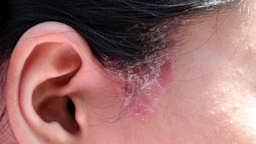
New Psoriasis Medications: 8 Drugs Seeking FDA Approval
Psoriasis treatment is reaching new heights with several drugs in development. Learn more about new potential psoriasis medications in the trial pipeline here.
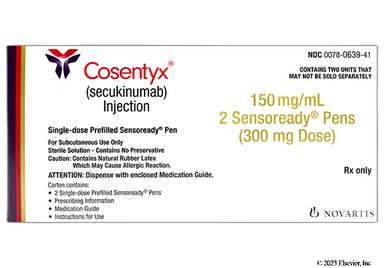
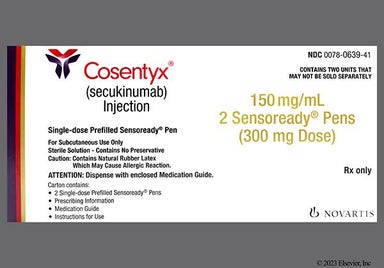
Cosentyx (secukinumab) is an injectable medication that helps treat many inflammatory conditions. This includes psoriatic arthritis (PsA) and hidradenitis suppurativa (HS), among others. The medication works as an interleukin 17 (IL-17) antagonist to lower inflammation in the body. It's usually injected under the skin once a month. You use the prefilled syringes, Sensoready Pens, or UnoReady Pens to inject. For some conditions, it can also be given as an infusion into the vein at a clinic. The dosing depends on your age, health condition, and treatment plan. Side effects can include upper respiratory tract infections and upset stomach. Cosentyx (secukinumab) is a brand-name medication.

Cosentyx (secukinumab) is a type of monoclonal antibody called an interleukin antagonist. It attaches to a protein in your immune system called interleukin-17 (IL-17). This protein tends to be too active in certain inflammatory conditions.
By attaching to the IL-17 protein, Cosentyx (secukinumab) stops it from causing inflammation. This helps calm down inflammation in the body.
| Common Brands | Cosentyx |
|---|---|
| Drug Class | Interleukin 17 (IL-17) antagonist |
| Controlled Substance Classification | Not a controlled medication |
| Generic Status | No lower-cost generic available |
| Availability | Prescription only |

The following side effects may get better over time as your body gets used to the medication. Let your healthcare provider know immediately if you continue to experience these symptoms or if they worsen over time.
Note: Side effects were reported from clinical studies with adults who had plaque psoriasis. Side effects might be slightly different for people with other inflammatory conditions and for children.
Contact your healthcare provider immediately if you experience any of the following.
Side effects that you should report to your care team as soon as possible:
Side effects that usually do not require medical attention (report these to your care team if they continue or are bothersome):



How to store Cosentyx (secukinumab) pens and prefilled syringes:
How to use and how to inject Cosentyx (secukinumab) under the skin:

Cosentyx (secukinumab) can cause some serious health issues. This risk may be even higher for certain groups. If this worries you, talk to your doctor or pharmacist about other options.
Cosentyx (secukinumab) can make it harder for your body to fight off germs. This can raise your risk of getting a bacterial, viral, or fungal infection. Examples include upper respiratory tract infections and certain yeast infections. It's also possible for some old infections, like tuberculosis (TB) or hepatitis B, to come back. Sometimes, infections can become serious.
Before starting Cosentyx (secukinumab), let your prescriber know about any infections you've had for a while. You'll need to get tested for TB. If you have TB, don't take Cosentyx (secukinumab) until it's treated. It's also not recommended to take this medication if you currently have hepatitis B.
Call a healthcare professional if you think you have an infection while taking Cosentyx (secukinumab). Look out for a fever, cough, trouble breathing, weakness, night sweats, and chills. Your care team can check to see if you have an infection. If you do, you might have to stop taking Cosentyx (secukinumab) until you get better.
It's best to be up to date on all your vaccines before you start Cosentyx (secukinumab). If you need to get one during treatment, tell the healthcare professional you're taking Cosentyx (secukinumab). They can make sure the vaccine is safe for you to get.
You should avoid live vaccines while you're taking Cosentyx (secukinumab). It's not known if these types of vaccines are safe during treatment. Examples of live vaccines include MMR (measles, mumps, and rubella vaccine) and FluMist (nasal spray flu vaccine).
Some people who took Cosentyx (secukinumab) had severe skin reactions that looked like eczema. This can look like dry, itchy, inflamed, and red skin. Sometimes, it can be small, itchy blisters on the palm of your hands or the bottom of your feet. This has happened from a few days to months after the first dose of Cosentyx (secukinumab).
Tell your care team if you have unusual changes in your skin while taking Cosentyx (secukinumab). They can help you with this side effect. You might be able to keep taking Cosentyx (secukinumab). But if it's severe, you might need to take a break from the medication until the skin problem goes away.
It's possible to have a serious allergic reaction to Cosentyx (secukinumab). These allergic reactions can include swelling of your face, lips, tongue, or throat. It can also look like trouble breathing, hives, or any other sign of anaphylaxis. If you have an allergic reaction to Cosentyx (secukinumab) at any time, get medical help right away.
Tell your prescriber if you're allergic to latex. The cap on the prefilled syringe and Sensoready Pen contains latex. These might not be safe options for you. Your prescriber can make sure you can take Cosentyx (secukinumab) safely or suggest another option for you.
In studies, some people who took Cosentyx (secukinumab) developed inflammatory bowel disease (IBD). Some others who already had this gut problem had flare-ups during treatment.
Before you start Cosentyx (secukinumab), let your prescriber know if you have Crohn's disease or ulcerative colitis. Tell your care team if you have severe stomach pain or bloody stools while taking this medication. Also let them know if you have diarrhea or constipation that doesn't get better. These could be signs of IBD.

 Carton
| Dosage | Quantity | Price as low as | Price per unit |
|---|---|---|---|
| 1 syringe of 150mg/ml | 1 carton | $7,222.12 | $7,222.12 |
| 2 syringes of 150mg/ml | 1 carton | $7,201.91 | $7,201.91 |
| 2 sensoready pens of 150mg/ml | 1 carton | $7,189.40 | $7,189.40 |
| 1 sensoready pen of 150mg/ml | 1 carton | $7,210.38 | $7,210.38 |
| 1 unoready pen of 300mg/2ml | 1 carton | $7,204.68 | $7,204.68 |
| 1 syringe of 75mg/0.5ml | 1 carton | $3,925.64 | $3,925.64 |
The dosing schedule and dosage depends on your condition, age, and weight (for children).
Plaque psoriasis
Psoriatic arthritis
Ankylosing spondylitis
Non-radiographic axial spondyloarthritis
Hidradenitis suppurativa
Enthesitis-related arthritis










Prescription savings
Stop paying too much for your prescriptions. Compare prices, get pharmacy coupons, and save up to 80%. Find expert answers to your health questions so you can make the best decisions for yourself and your family.
Health conditions
Medications & treatment
Access & affordability
 Our monthly healthcare membership can help you save thousands on your prescription costs.
Resources

Yes, Cosentyx is a type of biologic medication. Biologics are medications that are made from living sources, like cells, in a lab. Cosentyx is a monoclonal antibody, which is a protein made from cells in a lab.
No, Cosentyx isn't a steroid. It's a type of monoclonal antibody called an IL-17 inhibitor. Like steroids, Cosentyx helps lower inflammation in your body. But they do this in different ways.
In general, it can take several months to see the full benefits of Cosentyx. But the specific timing can be different for each person. For example, some people with psoriatic arthritis started to feel relief as early as a few weeks. But others had noticeable improvements after 4 to 6 months of treatment. And in another study, most people with plaque psoriasis had clear or almost clear skin within 3 to 4 months of starting Cosentyx. Be sure to follow your dosing schedule to make sure the medication works as best as it can for you. If you have questions about how long Cosentyx is taking to working for you, ask your prescriber.
No. During studies, people didn't report gaining weight while taking Cosentyx. If you notice your weight is going up during treatment and you don't know why, talk to your primary care provider.
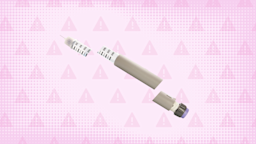
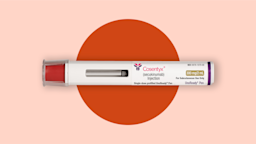
The UnoReady Pen and Sensoready Pen are both used for injecting Cosentyx under the skin. The UnoReady Pen has 300 mg of medication, while the Sensoready Pen has 150 mg. The UnoReady Pen is also latex-free. But the cap of the Sensoready Pen has latex, so it might not be safe for people with latex allergies. Both pens should be kept in the refrigerator. But you can also keep the SensoReady Pen at room temperature for up to 4 days, making it convenient for people on the go. Lastly, the shape of the pens is a little different, so one might feel better to hold or use than the other for you. Talk to your prescriber about which pen is best for you.
Cosentyx isn't FDA approved to treat rheumatoid arthritis (RA). But a study showed that the medication worked well to help with RA in people who already tried tumor necrosis factor (TNF) inhibitors. This is currently an off-label use of Cosentyx. If you have RA, talk to your rheumatologist about your treatment options.
No. Cosentyx and Humira (adalimumab) work in different ways to treat inflammatory conditions. They can treat many of the same health problems. But notably, Humira can also treat rheumatoid arthritis, ulcerative colitis, and Crohn's disease. Cosentyx isn't approved for these particular conditions. The two medications are both injections that can be given under the skin. But how often the injections are is different. The maintenance doses of Cosentyx are given every 4 weeks. But for Humira, it's given every 1 or 2 weeks, depending on the treatment plan. Talk to your prescriber about how these medications compare to each other.
