Key takeaways:
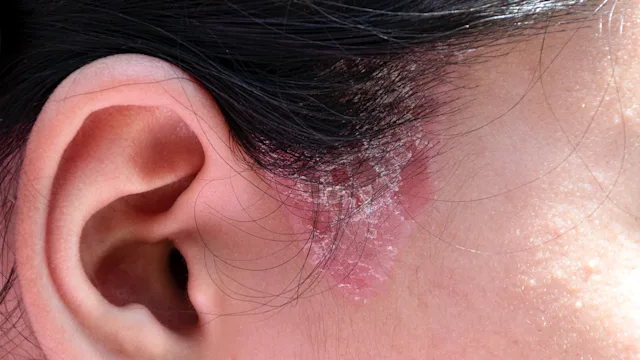
Cosentyx (secukinumab) is an FDA-approved medication that treats several inflammatory and autoimmune conditions, including plaque psoriasis.
Common Cosentyx side effects include upper respiratory tract infections (URTIs), diarrhea, and headaches. These side effects may go away or improve on their own. And in most cases, you can manage Cosentyx side effects at home.
In rare cases, Cosentyx may cause serious side effects, such as severe skin reactions and new or worsening inflammatory bowel disease (IBD). If you develop one of these side effects, your prescriber may ask you to stop or change how you’re using Cosentyx.
Save on related medications
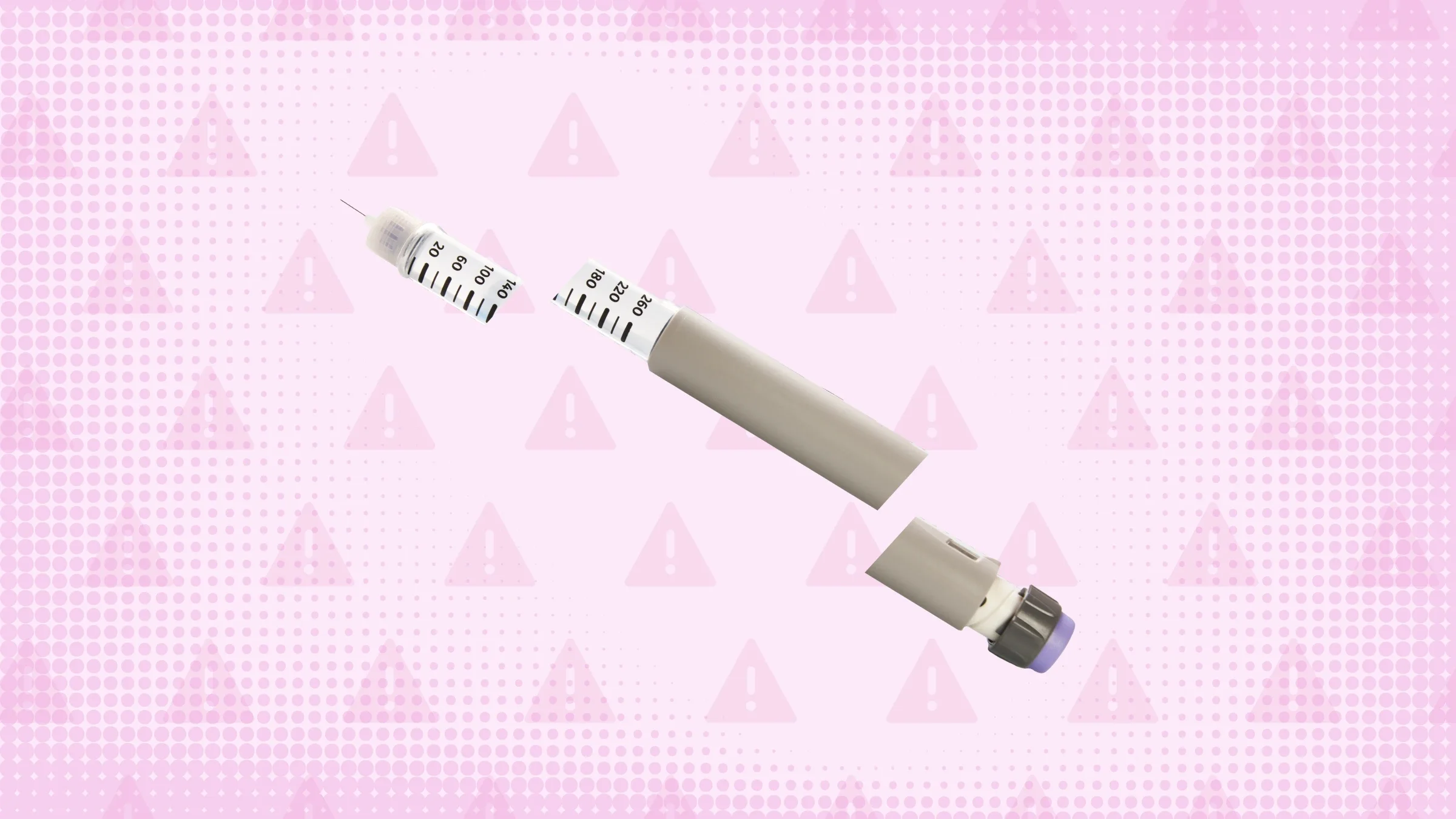
Cosentyx (secukinumab) is an injectable medication that’s used to treat different inflammatory and autoimmune conditions, such as plaque psoriasis and psoriatic arthritis. Cosentyx is a lab-made antibody that blocks a protein involved in inflammation. This can help calm an overactive immune system. But it can also increase the risk of infections, among other side effects.
When considering Cosentyx, it’s good to be aware of both its benefits and potential risks. Here’s what you should know about Cosentyx side effects, symptoms to watch for, and when to seek medical care.
Cosentyx side effects at a glance
Cosentyx is considered generally safe to use. But as with any new medication, you may experience some side effects when you start treatment. If you’re wondering what to expect while you’re receiving Cosentyx, we’ll break it down for you here.
Common Cosentyx side effects include:
Upper respiratory tract infections (URTIs), such as the common cold
Diarrhea
Headaches
Nausea
Rare and potentially serious Cosentyx side effects include:
Severe skin reactions
Serious infections (including tuberculosis)
Hypersensitivity reactions
Inflammatory bowel disease (IBD)
In rare cases, severe allergic reactions (anaphylaxis) can occur in people receiving Cosentyx. Get immediate medical attention if you develop symptoms such as hives, difficulty breathing, and swelling of the face or throat. The removable caps on Cosentyx pens and syringes also contain latex, so make sure to tell your prescriber if you have a latex allergy.
Below we’ll look more closely at seven Cosentyx side effects and discuss how to manage them.
1. Upper respiratory tract infections
Cosentyx suppresses the immune system. This can increase your risk of infections, including upper respiratory tract infections (URTIs). Your upper respiratory tract is a linked system that includes your nose, mouth, and throat. Some examples of URTIs are the common cold, sinus infections, and laryngitis.
If you develop an URTI, you may have mild symptoms such as a runny or stuffy nose, sore throat, and cough. These symptoms should go away on their own with time. But it’s still a good idea to tell your prescriber if you’re getting sick, especially if you have a fever or your symptoms don’t seem to be improving after 7 to 10 days.
Until you’re feeling better, you can use home remedies and over-the-counter (OTC) cold medications to help with your individual symptoms. Your prescriber or pharmacist can help you find options that are safe and effective for you.
2. Diarrhea
Another common Cosentyx side effect is diarrhea. Diarrhea is more likely with higher Cosentyx dosages.
In most cases, diarrhea should improve on its own over time. But in the meantime, here are a few ways you can manage your symptoms at home:
Avoid fatty, fried, or spicy foods.
Try eating a bland diet until your symptoms improve.
Drink plenty of fluids to avoid dehydration.
Talk to your healthcare team about taking OTC antidiarrheal medications.
If you’re having persistent diarrhea, contact your prescriber. This is also the case if you notice blood in your stool, which can be a sign of inflammatory bowel disease (more about this later).
3. Headaches
While you’re receiving Cosentyx, you may experience headaches. These headaches are usually mild and improve over time. In the meantime, you can treat your headaches with a number of at-home solutions and OTC treatments, such as:
Staying hydrated
Reducing stress
Exercising
Avoiding food triggers
Improving your sleep hygiene
Eating anti-inflammatory foods
Taking an OTC pain reliever that’s approved by your healthcare team
If your headaches are severe or don’t go away after taking the above measures, notify your prescriber. They may be able to offer additional solutions.
4. Nausea
Like many other medications, Cosentyx may cause nausea when first you start treatment. Nausea can be an unpleasant feeling, but there are some things you can do to manage it.
Try following the BRAT diet — which stands for bananas, rice, applesauce, and toast — for a short period of time. Having small amounts of bland foods can help symptoms, even though food might not be enticing when you’re nauseated. And be sure to drink plenty of fluids. Dehydration can make the feeling of nausea even worse.
If you need additional help dealing with nausea, you can try OTC antinausea medications. But if you’re vomiting or feel unable to eat or drink, it’s best to contact your prescriber.
5. Serious skin reactions
Some people experience serious skin reactions that look like eczema days to months after starting Cosentyx. Symptoms of these skin reactions may include:
Red or itchy skin
Small bumps or patches
Dry, leathery skin
Oozing blisters on hands or feet
Skin peeling
If you notice these skin changes, contact your prescriber right away. They may have you stop Cosentyx temporarily. Depending on the case, you may be able to continue Cosentyx treatment after your skin reaction is addressed.
If you develop red, itchy bumps along with symptoms such as trouble breathing or swelling of the face or throat, go to the nearest ER. These could indicate a more severe allergic reaction to Cosentyx.
6. Increased risk of infections
In addition to URTIs, you may have a higher risk of other types of infections with Cosentyx, especially with higher dosages. And if you have an active infection, Cosentyx can make it harder for your body to fight if off.
Your prescriber may run some tests to check for certain infections, such as tuberculosis and hepatitis B, before you start Cosentyx treatment. They may also recommend getting certain vaccines.
People receiving Cosentyx during clinical trials had higher rates of oral herpes (cold sores), candida (fungal) infections, and staphylococcal skin infections. Serious infections and reactivation of the hepatitis B virus have also been reported with the medication.
Getting an infection while being treated with Cosentyx can be serious and shouldn’t be taken lightly. Tell your prescriber if you think that you might have an infection during Cosentyx treatment. They may tell you to stop Cosentyx until the infection resolves.
7. Inflammatory bowel disease
New cases of inflammatory bowel disease (IBD), such as ulcerative colitis or Crohn’s disease, have been reported in some people receiving Cosentyx. And if you already have IBD, Cosentyx can cause it to worsen or flare up. In some cases, these flares are serious and can lead to hospitalization.
While using Cosentyx, tell your healthcare team right away if you notice symptoms such as new or worsening stomach pain, severe diarrhea, or bloody stools.
Frequently asked questions
Constipation wasn’t reported as a side effect of Cosentyx in clinical trials. If you’re having difficulty having bowel movements after starting treatment, the issue may be unrelated to Cosentyx. Constipation is very common and can have many possible causes.
That said, let your prescriber know if constipation doesn’t go away, alternates with diarrhea, or if you notice other symptoms such as stomach pain or blood in your stool. In rare cases, Cosentyx has been linked to new or worsening inflammatory bowel disease (IBD), which can sometimes cause constipation as a symptom.
Weight gain wasn’t a reported Cosentyx side effect in clinical studies. Further research is mixed, with both weight loss and weight gain reported. And the conditions Cosentyx treats can also lead to weight gain for some people. If you notice any unexpected weight changes during Cosentyx treatment, let your prescriber know — they can help determine the cause and figure out the best next steps for you.
No, Cosentyx isn’t a corticosteroid. It’s a biologic medication that targets a specific protein in your immune system. Steroids have a broader effect on the immune system and inflammation pathways in general. Because of this, many steroids have significant long-term side effects to consider when using them for extended periods of time. Since Cosentyx has a more targeted effect, it doesn’t carry most of these risks.
Constipation wasn’t reported as a side effect of Cosentyx in clinical trials. If you’re having difficulty having bowel movements after starting treatment, the issue may be unrelated to Cosentyx. Constipation is very common and can have many possible causes.
That said, let your prescriber know if constipation doesn’t go away, alternates with diarrhea, or if you notice other symptoms such as stomach pain or blood in your stool. In rare cases, Cosentyx has been linked to new or worsening inflammatory bowel disease (IBD), which can sometimes cause constipation as a symptom.
Weight gain wasn’t a reported Cosentyx side effect in clinical studies. Further research is mixed, with both weight loss and weight gain reported. And the conditions Cosentyx treats can also lead to weight gain for some people. If you notice any unexpected weight changes during Cosentyx treatment, let your prescriber know — they can help determine the cause and figure out the best next steps for you.
No, Cosentyx isn’t a corticosteroid. It’s a biologic medication that targets a specific protein in your immune system. Steroids have a broader effect on the immune system and inflammation pathways in general. Because of this, many steroids have significant long-term side effects to consider when using them for extended periods of time. Since Cosentyx has a more targeted effect, it doesn’t carry most of these risks.
The bottom line
Cosentyx (secukinumab) is an FDA-approved medication that treats several inflammatory and autoimmune conditions, including plaque psoriasis. Common Cosentyx side effects include upper respiratory tract infections (URTIs), diarrhea, and nausea. Headaches are also possible. While less common, severe skin reactions, other infections, and new or worsening inflammatory bowel disease (IBD) can also happen.
Talk to your healthcare team if you have any questions or concerns about Cosentyx side effects. They can provide you with more guidance on how to manage side effects at home and when you should get medical attention.

Why trust our experts?




References
Crohn's & Colitis Foundation. (n.d.). When to take stomach pain and other GI issues seriously.
Hodgens, A., et al. (2023). Corticosteroids. StatPearls.
Konda, S., et al. (2022). Delayed drug hypersensitivity reaction to secukinumab in a patient with hidradenitis suppurativa. BMJ Case Reports.
MedlinePlus. (2025). Upper respiratory tract.
Novartis Pharmaceutical Corporation. (2026). Cosentyx- secukinumab injection; Cosentyx- secukinumab injection, solution, concentrate [package insert].
Wang, H. N., et al. (2020). Changes in metabolic parameters in psoriatic patients treated with secukinumab. Therapeutic Advances in Chronic Disease.