Key takeaways:
Constipation is difficulty having bowel movements, sometimes associated with discomfort.
Common causes of constipation include dehydration, change in diet, lack of exercise, and a change in routine.
In many cases, constipation can be prevented with lifestyle changes.
Constipation, or difficulty having a bowel movement, is a very common problem that affects people of all ages. Constipation can be a pain — literally. Sometimes, constipation causes significant discomfort that disrupts your daily life.
If you’re struggling with constipation, know that you aren’t alone: There are at least 2.5 million doctor visits for constipation in the United States each year. The good news is that understanding common causes of constipation can help you prevent it from getting out of hand. Read on to learn more.
What are the symptoms of constipation?
Sometimes it’s hard to know when you’re truly constipated. The most common symptoms of constipation include:
Infrequent stools
Straining to have a bowel movement
Hard and dry stools
Pain with bowel movements
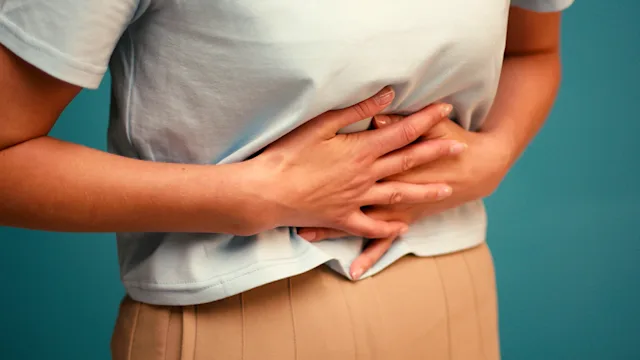
Bloating or abdominal discomfort
Feeling of incompletely evacuating bowels
Search and compare options
A “normal” frequency of stool depends on the person, because everyone’s a little different. Some people regularly have three bowel movements per day. On the other hand, some people regularly have three bowel movements per week. If this is your regular frequency and you aren’t having other symptoms, there’s probably not a cause for concern.
Ideally, stools should be easy to pass but not too watery. The Bristol Stool Scale is an easy way to tell if your stools are too hard and dry. This chart classifies stools as types 1 to 7, with type 1 being most constipated and type 7 being diarrhea. Normal stools are usually classified as types 3 to 4.
What are the common causes of constipation?
Here are some causes of constipation, from dehydration to health conditions.
Not drinking enough water
Dehydration is a major cause of constipation. As stool moves through the large intestine, the large intestine absorbs water naturally. If you do not have enough fluids in your body, your intestine will remove extra water from the stool so it doesn’t go to waste. This leaves you with hard and dry stools that are difficult to pass.
Poor nutrition and dietary habits
Not getting enough fiber is also a major cause of constipation. Fiber helps move digested food along your intestinal tract, and without enough of it, stool passage can become slow. Lack of fiber also causes hardened stools.
Similarly, eating a lot of processed food can cause constipation because it is low in fiber. Processed foods are also very common in everyday foods. For example, many people may not realize that white rice is actually highly processed and can cause constipation, especially when compared to brown rice. Some experts suggest that a diet rich in eggs, though not processed, can also worsen constipation.
Not getting enough exercise
A sedentary lifestyle can lead to constipation. Activity helps move things along the digestive tract. Exercise also helps tone important muscles used for bowel movements, like your abdominal wall muscles.
Change in routine
Ever wonder why you tend to get constipated on vacation or when traveling? A change in your daily routine is a very common cause of constipation. This is usually due to factors that come along with travel: dietary changes, activity changes, changing time zones, and limited access to a bathroom, to name a few.
Medications
Certain medications are known to cause constipation. Some major culprits include opioid medications, iron supplements, nausea medications, and more.
Other health conditions
Other health conditions like irritable bowel syndrome (IBS), thyroid disorders, and diabetes can cause constipation. If you have a history of spinal cord injury, stroke, or neurological disease, you may be more prone to constipation as well. In some cases, new and lingering constipation could be a sign of a more serious issue with your bowel, like colon cancer.
Food and drinks to avoid if constipation is a concern
If you are concerned about constipation, it’s best to avoid processed foods, foods low in fiber, and high-fat meats. These include:
Frozen meals
Packaged cookies and cakes
Cold cuts
Red meats
Salty snacks
Canned goods
It’s good to avoid any other types of food that have been altered from their natural state with the addition of sugars, salt, additives, and preservatives.
Instead, focus on whole foods like fresh fruits and vegetables and foods with high fiber content.
Is constipation dangerous? When to see a healthcare provider for treatment of constipation
Constipation can be uncomfortable, but is usually not dangerous. However, if it gets out of hand or you develop other symptoms, it may be time to see a healthcare provider. Here’s what to look out for:
A persistent change in your stool consistency
Worsening pain with bowel movements
Worsening abdominal discomfort
Constipation with nausea or vomiting
Constipation lasting longer than a week
Decreased appetite
Inability to tolerate food and drink
In rare cases, prolonged changes in your bowel movements could be a sign of something more serious, like colon cancer. Don’t forget to talk with your healthcare provider about staying up to date on preventive measures like screening colonoscopies.
Constipation prevention tips
Because constipation can range from irritating to pretty uncomfortable, it’s best to get ahead of it. In order to prevent constipation, focus on a few key things.
Adequate daily fiber intake
Most people do not get enough daily fiber. The recommended amount is 20 mg to 35 mg per day, but the average American only gets about 10 mg to 15 mg per day. You can help meet dietary fiber needs by increasing fiber containing foods like bran and whole fruits, or taking a fiber supplement.
Regular exercise
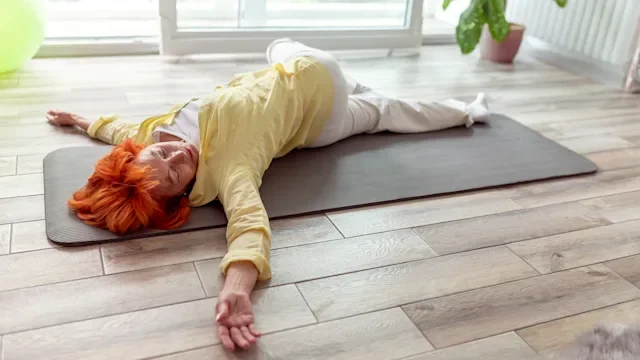
Not only will regular exercise help move things along your digestive tract, but the American Heart Association recommends 150 minutes of moderate aerobic activity per week. So you’ll be keeping your whole body as healthy as possible!
Hydration
Different people have different hydration needs, and it’s important to stay on top of hydration to prevent constipation. Depending on your activity level, location, and weight, as well as other health factors, you may need more or less water daily. Most people get enough water intake daily by following their thirst cues and drinking when thirsty. Learn more about your recommended water intake here.
Manage your medications
If you are on medications known to cause constipation, using an over-the-counter laxative or fiber supplement can help you stay ahead of constipation. For example, opioid pain medications are frequently prescribed for pain control after surgery, but they can cause serious constipation. Talk with your healthcare provider about what options are best for you.
The bottom line
Constipation, though usually harmless, can certainly become uncomfortable. Fortunately, many cases of constipation can be managed and even prevented at home with a healthy diet, exercise, adequate fiber, and hydration. However, if you are experiencing symptoms like prolonged constipation longer than a week, persistent or severe pain, nausea and vomiting, or blood in the stool, it’s time to talk with your healthcare provider.

Why trust our experts?




References
American Academy of Family Physicians. (2011). Bristol stool scale.
American College of Gastroenterology. (n.d.). Digestive health tips.
American Heart Association. (2021). How much physical activity do you need?
Familydoctor.org. (2020). Constipation.
Jung, S. J., et al. (2020). Effects of rice-based and wheat-based diets on bowel movements in young Korean women with functional constipation. European Journal of Clinical Nutrition.
National Institute of Diabetes and Digestive and Kidney Diseases. (2018). Eating, diet, & nutrition for constipation.
National Institute of Diabetes and Digestive and Kidney Diseases. (2018). Symptoms & causes of constipation.
National Institute on Aging. (2013). Concerned about constipation?
National Institutes of Health. (2010). Rough up your diet - fit more fiber into your day. NIH News in Health.
Sugerman, D. T. (2013). Constipation. Journal of the American Medical Association.
University of Rochester Medical Center. (n.d.). Constipation.
Wald, A. (2016). Constipation and defecation problems. American College of Gastroenterology.