




Ziac Dosages for High Blood Pressure: Your GoodRx Guide
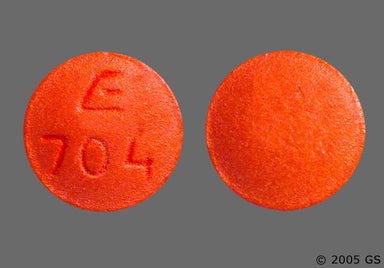
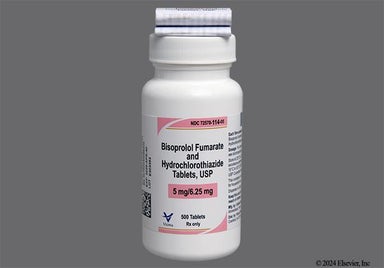
Ziac is a combination medication for high blood pressure. A typical starting dose of Ziac contains 2.5 mg of bisoprolol and 6.25 mg of hydrochlorothiazide.
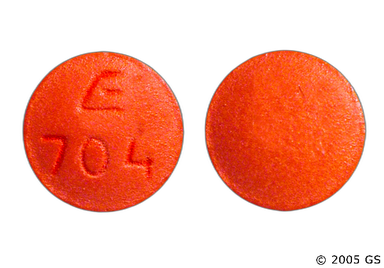
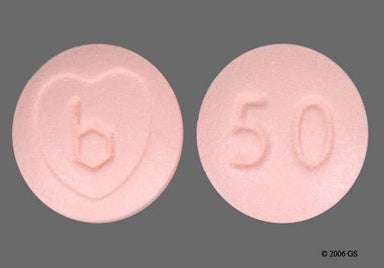
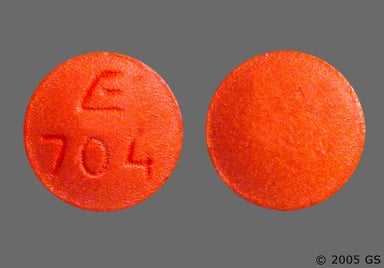
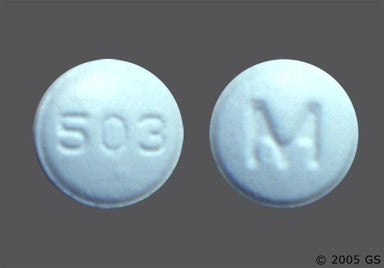
Ziac, the brand name for bisoprolol/hydrochlorothiazide or bisoprolol/HCTZ, is a combination medication. It's used to treat high blood pressure in adults. It contains two classes of medications: a beta blocker (bisoprolol) and a diuretic (hydrochlorothiazide). It comes as a tablet that's taken by mouth once a day. Some side effects include dizziness and tiredness.

Ziac (bisoprolol / hydrochlorothiazide) is a combination of two different medications that both help lower blood pressure.
| Common Brands | Ziac |
|---|---|
| Drug Class | Beta blocker / Diuretic (water pill) |
| Controlled Substance Classification | Not a controlled medication |
| Generic Status | Lower-cost generic available |
| Availability | Prescription only |

The following side effects may get better over time as your body gets used to the medication. Let your healthcare provider know immediately if you continue to experience these symptoms or if they worsen over time.
Contact your healthcare provider immediately if you experience any of the following.
Along with its needed effects, a medicine may cause some unwanted effects. Although not all of these side effects may occur, if they do occur they may need medical attention.
Check with your doctor immediately if any of the following side effects occur:
Less common
Bloating or swelling of the face, arms, hands, lower legs, or feet
chest pain or discomfort
lightheadedness, dizziness, or fainting
rapid weight gain
slow or irregular heartbeat
tingling of the hands or feet
trouble breathing
unusual tiredness or weakness
unusual weight gain or loss
Incidence not known
Persistent non-healing sore
pink growth
reddish patch or irritated area
shiny bump
white, yellow or waxy scar-like area
Get emergency help immediately if any of the following symptoms of overdose occur:
Symptoms of overdose
blurred vision
burning, crawling, itching, numbness, prickling, "pins and needles", or tingling feelings
change in consciousness
chills
cold, clammy skin
cold sweats
confusion as to time, place, or person
cool, pale skin
decrease in amount of urine
dilated neck veins
dizziness, faintness, or lightheadedness when getting up suddenly from a lying or sitting position
drowsiness
fast or pounding heartbeat or pulse
fast, weak pulse
holding false beliefs that cannot be changed by fact
increased hunger
increased thirst
increased volume of pale, dilute urine
irregular breathing
irritability
loss of appetite
loss of consciousness
mood changes
muscle pain or cramps
nausea or vomiting
nervousness
nightmares
no breathing
noisy breathing
not able to pass urine
numbness or tingling in the hands, feet, or lips
pain or aching in the lower legs
seeing, hearing, or feeling things that are not there
seizures
shakiness
slurred speech
sweating
swelling of the face, hands, fingers, feet, ankles, or lower legs
tightness in the chest
trembling
unconsciousness
unusual drowsiness, dullness, or feeling of sluggishness
unusual excitement, nervousness, or restlessness
very drowsy or sleepy
weakness and heaviness of legs
Some side effects may occur that usually do not need medical attention. These side effects may go away during treatment as your body adjusts to the medicine. Also, your health care professional may be able to tell you about ways to prevent or reduce some of these side effects. Check with your health care professional if any of the following side effects continue or are bothersome or if you have any questions about them:
Other side effects not listed may also occur in some patients. If you notice any other effects, check with your healthcare professional.
Call your doctor for medical advice about side effects. You may report side effects to the FDA at 1-800-FDA-1088.




Ziac (bisoprolol / hydrochlorothiazide) can cause some serious health issues. This risk may be even higher for certain groups. If this worries you, talk to your doctor or pharmacist about other options.
Don’t stop taking Ziac (bisoprolol / hydrochlorothiazide) suddenly. It can raise your risk of serious heart problems, like chest pain, heart attack, or irregular heart rhythm. The risk might be higher for people with coronary artery disease (CAD).
Get medical help if you have chest pain, pain that spreads to your shoulder and neck, shortness of breath, dizziness, fatigue, or irregular heartbeat. These can be signs of serious heart problems.
If you need to stop Ziac (bisoprolol / hydrochlorothiazide), talk to your prescriber. They can help lower your dose safely over about a week or two before stopping completely.
In some cases, beta blockers like the bisoprolol in Ziac can raise the risk of heart failure. This is because beta blockers can affect how the heart beats. If you already have heart failure, your healthcare professional (HCP) will only prescribe Ziac (bisoprolol / hydrochlorothiazide) if they believe the benefits outweigh the risks.
Get medical help right away if you have signs of heart failure. Watch for any trouble breathing, fast or irregular pulse, sudden weight gain, or swelling in your feet or ankles.
Ziac (bisoprolol / hydrochlorothiazide) can cause your body to lose fluids and change your electrolyte levels. If you have liver problems, small changes in fluid and electrolyte levels can raise your risk for liver complications.
Tell your care team if you have dry mouth, weakness, muscle cramps, tiredness, fast or irregular heart rate, nausea, or vomiting. These can be signs of abnormal fluid and electrolyte levels. Your HCP might recommend regular blood tests to check your electrolyte levels while taking Ziac (bisoprolol / hydrochlorothiazide).
Beta blockers, like the bisoprolol in Ziac, can make it harder to notice signs of low blood sugar. Some signs, like a fast heartbeat, tremors, hunger, and irritability, might not be as noticeable. Sweating might be the only sign you have warning you of a dangerous drop in your blood sugar levels. This is especially important for people with diabetes to be aware of. Speak with your HCP about when and how to check your blood sugar if you start Ziac (bisoprolol / hydrochlorothiazide).
If you have hyperthyroidism (overactive thyroid), talk to your HCP before stopping Ziac (bisoprolol / hydrochlorothiazide). The bisoprolol in Ziac can hide signs of hyperthyroidism, like a fast heart rate. Suddenly stopping this medication can worsen symptoms of hyperthyroidism. It can also lead to a serious condition called a "thyroid storm,” which can cause high fever and rapid heartbeat.
Tell your prescriber if you have any breathing problems, like asthma. Medications with beta blockers, such as Ziac (bisoprolol / hydrochlorothiazide), can worsen breathing problems. This medication has a lower chance of causing breathing problems than other beta blockers because it mainly affects the heart. But you should still be aware of this risk. Keep a rescue inhaler nearby in case you have sudden trouble breathing if you have lung problems.
Let your prescriber know if you have peripheral artery disease (PAD). This medication can cause symptoms of PAD to get worse. Your prescriber can make sure it's safe for you to take. Tell your care team if you notice that your PAD symptoms get worse while taking Ziac (bisoprolol / hydrochlorothiazide).
Hydrochlorothiazide, one of the ingredients in Ziac, can rarely cause glaucoma and a rise in eye pressure. This can lead to sudden changes in vision or eye pain that can happen within hours to weeks of starting the medication. Stop taking Ziac (bisoprolol / hydrochlorothiazide) and call your eye specialist right away if you notice sudden vision changes or eye pain. If left untreated, it can possibly lead to permanent blindness.

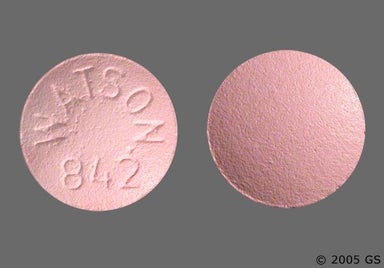
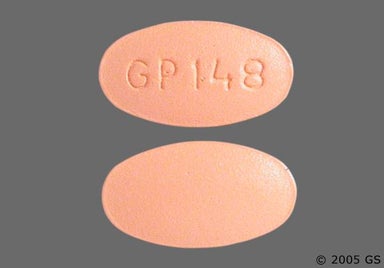
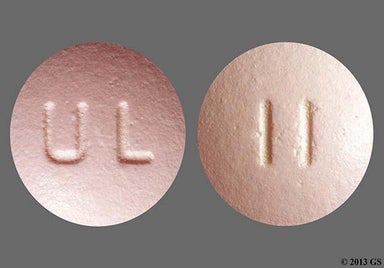
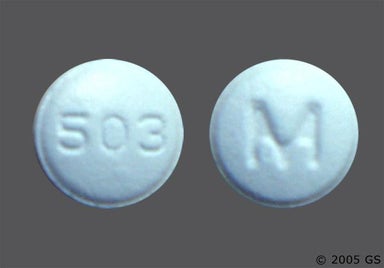
 Tablet
| Dosage | Quantity | Price as low as | Price per unit |
|---|---|---|---|
| 2.5mg/6.25mg | 90 tablets | $35.20 | $0.39 |
| 10mg/6.25mg | 90 tablets | $34.84 | $0.39 |
| 5mg/6.25mg | 90 tablets | $35.82 | $0.40 |
The typical starting dose is 2.5 mg/6.25 mg (bisoprolol/hydrochlorothiazide) by mouth once daily. If needed, your prescriber will raise your dose every 2 weeks.
The maximum recommended dose is 20 mg/12.5 mg (bisoprolol/hydrochlorothiazide) by mouth once daily.

Although certain medicines should not be used together at all, in other cases two different medicines may be used together even if an interaction might occur. In these cases, your doctor may want to change the dose, or other precautions may be necessary. When you are taking this medicine, it is especially important that your healthcare professional know if you are taking any of the medicines listed below. The following interactions have been selected on the basis of their potential significance and are not necessarily all-inclusive.
Using this medicine with any of the following medicines is not recommended. Your doctor may decide not to treat you with this medication or change some of the other medicines you take.
Using this medicine with any of the following medicines is usually not recommended, but may be required in some cases. If both medicines are prescribed together, your doctor may change the dose or how often you use one or both of the medicines.
Using this medicine with any of the following medicines may cause an increased risk of certain side effects, but using both drugs may be the best treatment for you. If both medicines are prescribed together, your doctor may change the dose or how often you use one or both of the medicines.


Contraindications are specific health conditions or situations in which a person should not take a medication due to safety concerns. If you have any of the following conditions or if any of the following apply to you, let your healthcare provider know because Ziac (bisoprolol / hydrochlorothiazide) will not be safe for you to take.







Prescription savings
Stop paying too much for your prescriptions. Compare prices, get pharmacy coupons, and save up to 80%. Find expert answers to your health questions so you can make the best decisions for yourself and your family.
Health conditions
Medications & treatment
Access & affordability
Medication discounts


Take Ziac at the same time each day to stay consistent. This medication contains a diuretic (water pill) that makes you urinate more. So you might want to take it earlier in the day to avoid waking up at night to use the bathroom. Ask your pharmacist if you need help choosing the best time to take Ziac.
You might see noticeable changes in blood pressure within a week of starting Ziac. But it can take up to 3 weeks of regular use before you see the full effect of the medication on your blood pressure. Ask your prescriber if you have questions about how long it's taking Ziac to lower your blood pressure.
Yes. You can eat grapefruit while taking Ziac. Bisoprolol and hydrochlorothiazide both don't usually interact with grapefruit.
Yes, Ziac can make you feel more tired than usual. This happens because it lowers your blood pressure and slows your heart rate. You might feel extra tired during the first few weeks of treatment as you get used to the medication. Talk to your prescriber if your tiredness doesn't get better or if it negatively affects your daily activities. There could be another reason why you you have low energy.
Weight gain doesn't seem to be a usual side effect of Ziac. Some people who took bisoprolol by itself have had weight gain, though. Talk to a healthcare professional if you notice any concerning weight gain. They can discuss with you about possible causes for your weight gain and how to manage it.
It's best to avoid alcohol while taking Ziac. Alcohol can worsen some side effects like dizziness and drowsiness. It can also make the medication work less well at lowering blood pressure. Talk to a healthcare professional about your drinking habits while taking this medication.
If you need to stop taking Ziac, talk to your prescriber. They'll come up with a safe plan for you. Usually, your prescriber will lower your dose slowly over about a week or two. This is because stopping the medication too suddenly can cause your blood pressure to go back up. It can also put you at risk of serious problems like an irregular heartbeat or heart attack.
