




Drug Rashes: 7 Medications That Can Cause Skin Reactions
Drug rashes are skin reactions that can occur in response to antibiotics and other medications. Learn which meds may cause a rash and how to spot the symptoms.
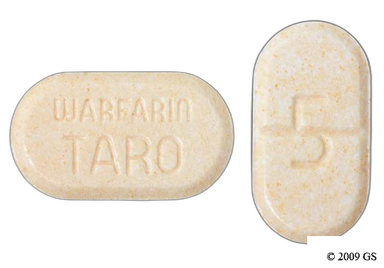
Warfarin (Coumadin) is a blood thinner (anticoagulant). It's used to prevent and treat blood clots in adults and children with conditions such as deep vein thrombosis (DVT) or pulmonary embolism (PE). Warfarin (Coumadin) is taken by mouth, typically once daily. Your provider will adjust the dose based on your international normalized ratio (INR). Taking too much warfarin (Coumadin) can lead to side effects like bruising and serious bleeding. If needed, your provider can give you an antidote to reverse the effects of warfarin (Coumadin).

Warfarin (Coumadin) is a blood thinner. It's also known as a vitamin K antagonist, meaning it stops vitamin K from working properly. Your body typically uses vitamin K to make blood clots. Warfarin (Coumadin) prevents blood clots from forming by blocking vitamin K.
| Common Brands | Jantoven, Coumadin |
|---|---|
| Drug Class | Vitamin K antagonist |
| Controlled Substance Classification | Not a controlled medication |
| Generic Status | Lower-cost generic available |
| Availability | Prescription only |

The following side effects may get better over time as your body gets used to the medication. Let your healthcare provider know immediately if you continue to experience these symptoms or if they worsen over time.
Contact your healthcare provider immediately if you experience any of the following.
Along with its needed effects, a medicine may cause some unwanted effects. Although not all of these side effects may occur, if they do occur they may need medical attention.
Check with your doctor immediately if any of the following side effects occur:
Less common
Bleeding gums
blood in the urine
bloody stools
blurred vision
burning, crawling, itching, numbness, prickling, "pins and needles", or tingling feelings
chest pain or discomfort
confusion
coughing up blood
difficulty with breathing or swallowing
dizziness, faintness, or lightheadedness when getting up suddenly from a lying or sitting position
excessive bruising
headache
increased menstrual flow or vaginal bleeding
nosebleeds
paralysis
peeling of the skin
prolonged bleeding from cuts
red or black, tarry stools
red or dark brown urine
stomach pain with cramping
sweating
unexplained swelling
unusual tiredness or weakness
Rare
Arm, back, or jaw pain
blue-green to black skin discoloration
blue or purple toes
change in consciousness
chest tightness or heaviness
chills
clay-colored stools
dizziness
fainting or loss of consciousness
fast or irregular breathing
fast or irregular heartbeat
itching or skin rash
light-colored stools
loss of appetite
pain in the toes
pain, redness, or sloughing of the skin
pale skin
purplish red, net-like, blotchy spots on the skin
skin blisters
small red or purple spots on the skin
stomach pain
swelling of the eyes or eyelids
troubled breathing with exertion
unpleasant breath odor
unusual bleeding or bruising
upper right stomach pain
vomiting of blood
yellow eyes and skin
Some side effects may occur that usually do not need medical attention. These side effects may go away during treatment as your body adjusts to the medicine. Also, your health care professional may be able to tell you about ways to prevent or reduce some of these side effects. Check with your health care professional if any of the following side effects continue or are bothersome or if you have any questions about them:
Rare
Bloated
change in taste, or bad, unusual, or unpleasant (after) taste
cold intolerance
excess air or gas in the stomach or intestines
full feeling
general feeling of discomfort or illness
hair loss or thinning of the hair
hives or welts
lack or loss of strength
passing gas
red, sore, or itching skin
sores, welting, or blisters
unusual drowsiness, dullness, or feeling of sluggishness
Other side effects not listed may also occur in some patients. If you notice any other effects, check with your healthcare professional.
Call your doctor for medical advice about side effects. You may report side effects to the FDA at 1-800-FDA-1088.




Warfarin (Coumadin) can cause some serious health issues. This risk may be even higher for certain groups. If this worries you, talk to your doctor or pharmacist about other options.
 Taking warfarin (Coumadin) can raise your risk for bleeds. Your provider will check your INR regularly to make sure it's within a safe range. Keep in mind that other medications and foods can interact with warfarin (Coumadin) and affect how well it works. Your provider might check your INR more often any time you start or stop a medication, or make changes to your diet.
Get immediate medical attention if you fall and hit your head so your care team can check for signs of bleeding on the inside of your body. Also, get help right away if you notice blood in your urine, have bright red or dark, tarry "coffee ground" stool, cough or vomit blood, or can't stop bleeding from a wound.
If you do have a serious bleed, your provider will give you prothrombin complex concentrate (Kcentra, Balfaxar) and vitamin K (phytonadione) to reverse the effects of warfarin (Coumadin).
Don't skip doses or suddenly stop taking warfarin (Coumadin) unless your provider specifically told you it's safe to do so. This raises your risk of blood clots to form in your body. If you're wanting to stop warfarin (Coumadin), contact your provider so they can create a safe plan for you. Go to the hospital if you experience symptoms of blood clots, such as: - Stroke: sudden numbness or weakness on one side of the body, feeling confused, trouble speaking or understanding speech, dizziness, trouble keeping balance - Blood clot in the leg or arm: swelling or redness in arms or legs, skin that's warm to touch - Blood clot in the lungs: trouble breathing, chest pain, cough, irregular heartbeat
Taking warfarin (Coumadin) can raise your risk of clots made of fat to be released into your blood. Like blood clots, they can get trapped into smaller blood vessels and stop blood flow to important organs. The most commonly involved organs are the kidneys, pancreas, spleen, and liver. It can also happen in your feet, which can cause your toes to turn a dark purple or blue color (a problem called "purple toe syndrome"). If you notice any skin color changes after starting warfarin (Coumadin), talk to your provider right away, as you'll need to stop the medication.
Although rare, warfarin (Coumadin) can cause a potentially serious and life-threatening condition called calciphylaxis. This is when calcium builds up in the blood vessels. When this happens, there's less room for blood to flow through your vessels. Symptoms include skin discoloration, skin sores, painful lumps in the skin, or skin infections. Seek medical help right away if you notice any significant skin changes while taking warfarin (Coumadin).
Although rare, taking warfarin (Coumadin) can cause blood flow problems to the skin, which can lead to skin tissue death (called necrosis) and gangrene. This side effect has been reported as early as within a few days of starting warfarin (Coumadin). While the cause isn't clear, it's likely related to clotting problems.
This side effect can also happen in people with heparin-induced thrombocytopenia (HIT), which is a severe reaction to heparin.
Seek medical help right away if you notice skin discoloration (especially darkened skin color), swelling, blisters, sudden and severe pain in skin, numbness. Your provider will likely ask you to stop taking warfarin (Coumadin).
Warfarin (Coumadin) can cause birth defects and severe harm to babies and mothers. This medication shouldn't be used in pregnancy unless the benefit is clearly greater than the risk, such as in people who are at high risk for clots. Your provider might test you for pregnancy before starting warfarin (Coumadin). If you're able to become pregnant, use birth control (contraception) during, and for at least one month after, stopping warfarin (Coumadin). Talk to your provider right away if you become pregnant or are thinking of becoming pregnant.

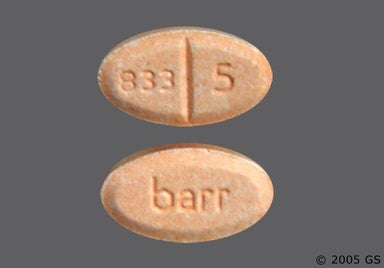
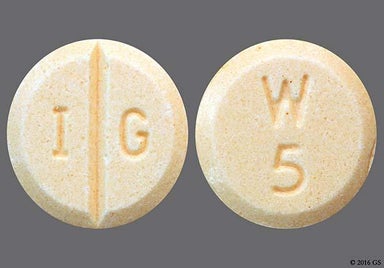
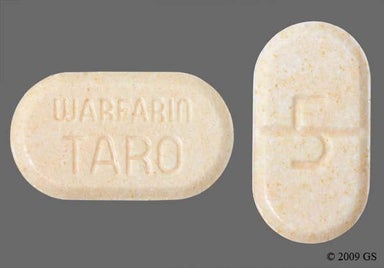
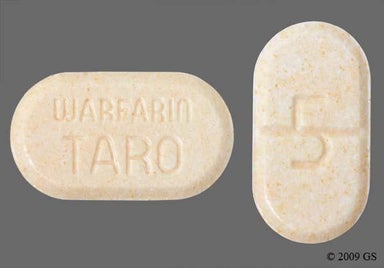
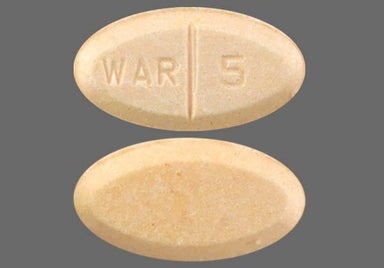
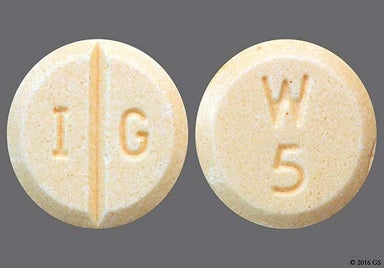
 Tablet
| Dosage | Quantity | Price as low as | Price per unit |
|---|---|---|---|
| 1mg | 90 tablets | $10.00 | $0.11 |
| 2mg | 90 tablets | $10.00 | $0.11 |
| 2.5mg | 90 tablets | $10.00 | $0.11 |
| 3mg | 90 tablets | $10.00 | $0.11 |
| 4mg | 30 tablets | $4.00 | $0.13 |
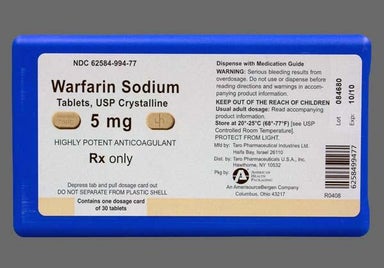
| 5mg | 30 tablets | $4.00 | $0.13 |
| 6mg | 30 tablets | $4.00 | $0.13 |
| 7.5mg | 90 tablets | $10.00 | $0.11 |
| 10mg | 90 tablets | $10.00 | $0.11 |

Although certain medicines should not be used together at all, in other cases two different medicines may be used together even if an interaction might occur. In these cases, your doctor may want to change the dose, or other precautions may be necessary. When you are taking this medicine, it is especially important that your healthcare professional know if you are taking any of the medicines listed below. The following interactions have been selected on the basis of their potential significance and are not necessarily all-inclusive.
Using this medicine with any of the following medicines is not recommended. Your doctor may decide not to treat you with this medication or change some of the other medicines you take.
Using this medicine with any of the following medicines is usually not recommended, but may be required in some cases. If both medicines are prescribed together, your doctor may change the dose or how often you use one or both of the medicines.
Using this medicine with any of the following medicines may cause an increased risk of certain side effects, but using both drugs may be the best treatment for you. If both medicines are prescribed together, your doctor may change the dose or how often you use one or both of the medicines.


Contraindications are specific health conditions or situations in which a person should not take a medication due to safety concerns. If you have any of the following conditions or if any of the following apply to you, let your healthcare provider know because Warfarin (Coumadin) will not be safe for you to take.









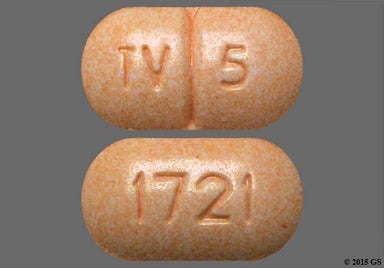
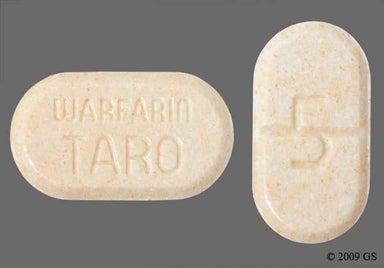
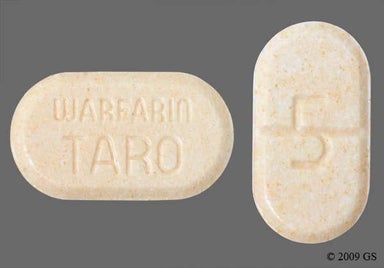
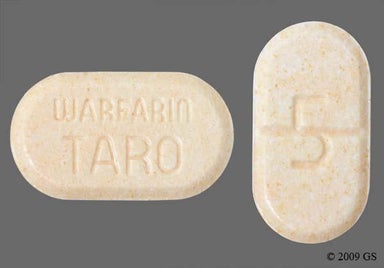
Prescription savings
Stop paying too much for your prescriptions. Compare prices, get pharmacy coupons, and save up to 80%. Find expert answers to your health questions so you can make the best decisions for yourself and your family.
Health conditions
Medications & treatment
Access & affordability
Medication discounts


Yes, Warfarin is an anticoagulant (blood thinner). More specifically, it's a vitamin K antagonist that prevents blood clots by blocking vitamin K from working properly.
There aren't any specific foods that you must eat or must avoid while taking Warfarin. The most important thing is to be consistent with how much vitamin K-rich foods you eat, such as spinach and brussel sprouts. This is because vitamin K affects how well Warfarin works. When you're consistent with your diet, your vitamin K levels stays more steady. If your make changes to your diet while taking Warfarin, let your provider know because they will probably want to check your INR to make sure it's within a safe range.
Yes, you can eat eggs while taking Warfarin. Eggs contain low levels of vitamin K. Eating eggs shouldn't affect how well Warfarin works.
Your provider might recommend you to take Warfarin in the evening. This is likely because blood draws for INR are often scheduled for the morning. If your provider want to make a dose change based on INR results, they can do so that same day if you take Warfarin in the evening. Research shows that taking Warfarin in the evening doesn't make it work any better. The most important thing is to take it at the same time every day. Figure out a time of the day that's most convenient for you to take Warfarin where you're likely to not miss doses. Otherwise, your INR might not be accurate, which can raise your risk for bleeds or clots.
Your provider will target a "goal" INR based on what medical condition you're taking Warfarin for. Typically, your provider will have you start on a dose of Warfarin ranging from 2 mg to 5 mg by mouth once a day. Then, they'll check your INR with blood draws after a few days. And once your INR becomes more stable, your provider will adjust the Warfarin dose as needed to stay within that "goal" INR. Keep in mind that different factors, like what food you're eating and what other medications you're taking, can also affect INR. So your provider will check INR regularly to make sure you're within a safe range.
Your provider will target a "goal" INR based on what medical condition you have. They'll check your INR level regularly to make sure it's not too high or low. If your INR level is too high, then you're more likely to have a serious bleed. Your provider might ask you to skip a few doses of Warfarin so that the INR level can go back down. If your INR level is too low, then you're at higher risk for blood clots and your provider will likely need to raise your Warfarin dose.
Your provider will give you an antidote for Warfarin if you've a high INR level and you're actively bleeding. The antidote is called prothrombin complex concentrate (Kcentra, Balfaxar). It contains proteins that help form blood clots in order to stop bleeding caused by too much Warfarin. Since these proteins need vitamin K to work, your provider will likely also give you vitamin K (phytonadione) as well.
It takes about 1 to 3 days to start to see the effects of Warfarin. But the maximum effect of Warfarin isn't seen until 5 to 7 days later. For this reason, providers typically wait a few days to see how your INR responds to Warfarin before adjusting the dose. It's important to take Warfarin exactly as prescribed and at the same time every day.
