



Narcan, Flumazenil, Protamine, and More: 9 Common Medication Reversal Agents
Reversal agents are drugs that counteract the effects of other medications. Learn more with this list of reversal agents and when to use them.
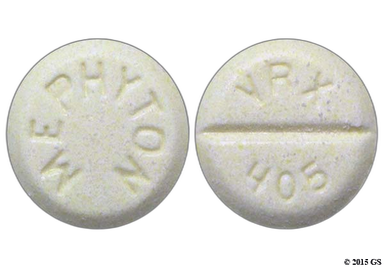
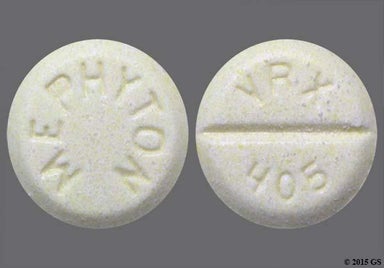
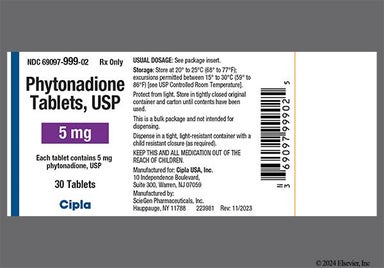
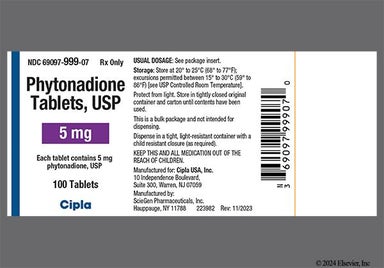
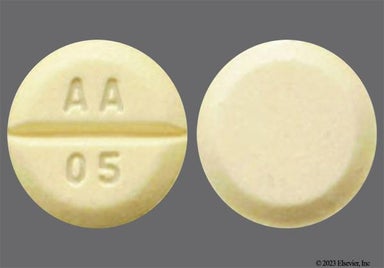
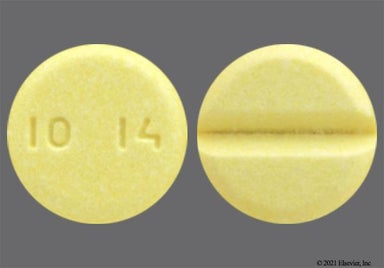
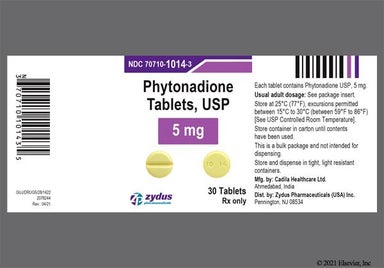
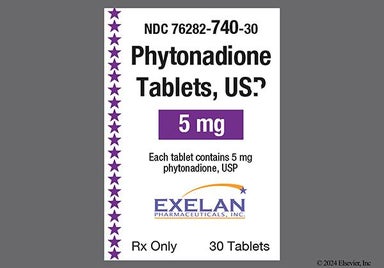
Phytonadione is a vitamin K supplement that helps prevent bleeding in adults with certain blood clotting conditions or those taking medications like warfarin. It comes as a tablet that's taken by mouth, and your prescriber will recommend a dose based on your lab tests. Side effects from the tablet are rare. There's also an injection form commonly given to newborn babies to prevent internal bleeding since they have low vitamin K levels at birth.

Treatment of blood clotting problems caused by:
Phytonadione is a vitamin K supplement. Vitamin K is an essential vitamin your liver needs to make clotting factors — proteins that help your blood clot and prevent excessive bleeding.
| Common Brands | Mephyton |
|---|---|
| Drug Class | Vitamin K supplement |
| Controlled Substance Classification | Not a controlled medication |
| Generic Status | Lower-cost generic available |
| Availability | Prescription or over-the-counter |

The following side effects may get better over time as your body gets used to the medication. Let your healthcare provider know immediately if you continue to experience these symptoms or if they worsen over time.
See Risks and Warnings
The following side effects are reported from the intravenous (IV) injection form, which is given in the hospital.
Side effects that you should report to your care team as soon as possible:




Phytonadione can cause some serious health issues. This risk may be even higher for certain groups. If this worries you, talk to your doctor or pharmacist about other options.
If you’re taking phytonadione to treat blood thinning caused by anticoagulant medications like warfarin, you might be at risk of the same clotting problems that led to starting the anticoagulant in the first place, such as atrial fibrillation, pulmonary embolism (PE), or deep vein thrombosis (DVT). Phytonadione isn't a clotting agent, but taking too much can bring back conditions that raise your risk of dangerous blood clots. It’s important to take the lowest dose needed. Your prescriber will check your blood tests regularly to make sure your dose is right for your condition.


Prescription savings
Stop paying too much for your prescriptions. Compare prices, get pharmacy coupons, and save up to 80%. Find expert answers to your health questions so you can make the best decisions for yourself and your family.
Health conditions
Medications & treatment
Access & affordability
Medication discounts

Yes. Newborns are born with low levels of vitamin K, so it’s recommended that they receive a vitamin K injection in the muscle shortly after birth. Speak to your OB-GYN provider if you have questions about this medication.
Phytonadione is a man-made form of vitamin K, specifically vitamin K1. It's available as a prescription medication used to treat or prevent low vitamin K levels and related blood clotting problems. There's also vitamin K supplements available over the counter (OTC) which might contain both vitamin K1 and vitamin K2. Before taking any vitamin K supplements, talk to a healthcare professional (HCP) to make sure they’re safe for you.
Phytonadione is found in breast milk, but it’s not known how it affects the breastfed baby or milk production. Speak to your prescriber about the risks and benefits of taking this medication while nursing.
It can be in certain situations. Phytonadione is used to reverse the effects of blood thinners like warfarin when they cause excessive bleeding or if there’s a risk of bleeding due to a high INR (a measure of blood clotting). But it works slowly, so it’s not a quick solution for life-threatening bleeding. In emergencies, other treatments like plasma or Kcentra can be given with Phytonadione.
Pretty slowly. Phytonadione tablets usually start working within 6 to 10 hours. But if your lab work doesn’t show enough improvement within 12 to 48 hours, your prescriber might recommend you take another dose.
The brand name for Phytonadione tablets, Mephyton, has been discontinued. Only the generic version is now available.

